


Edwardian Platinum Jewellery
Edwardian platinum jewellery brings together delicate gem-set rings, earrings and pendants that capture the refined lightness of the period.
What these pieces are
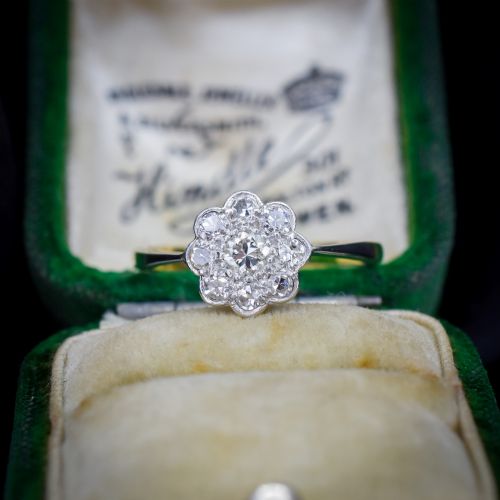
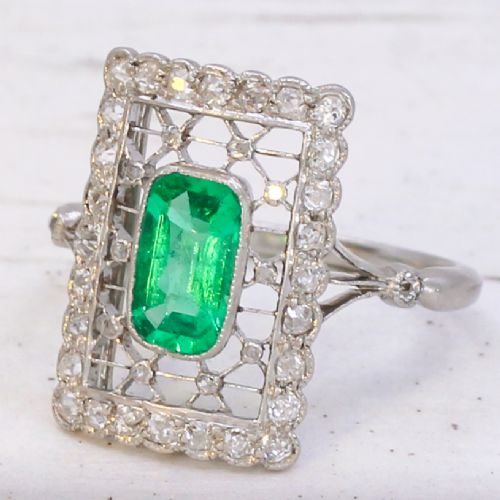
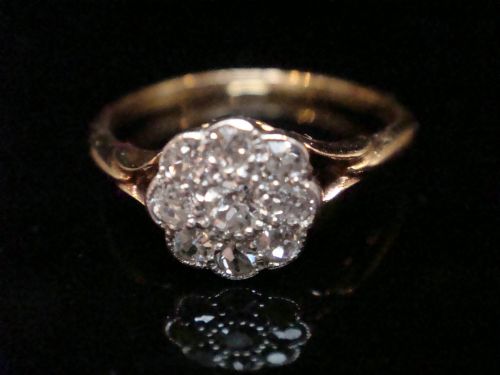
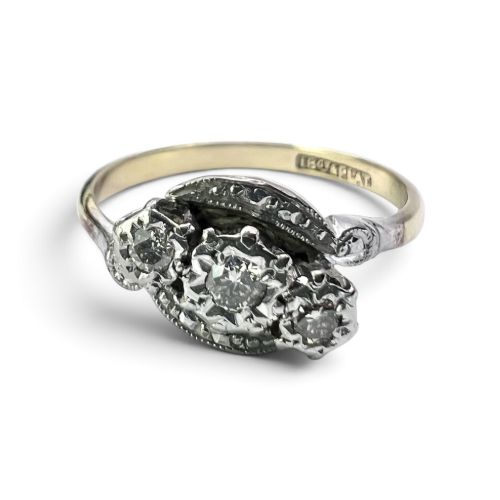
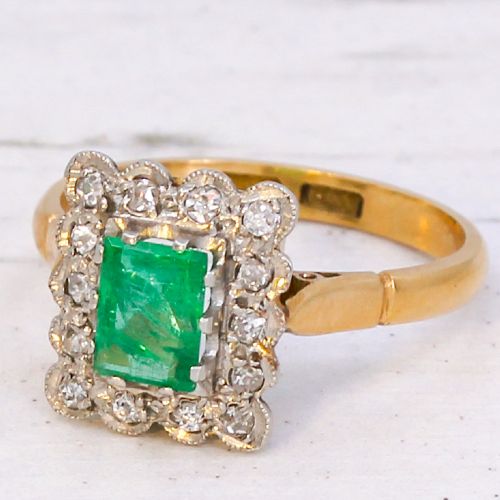
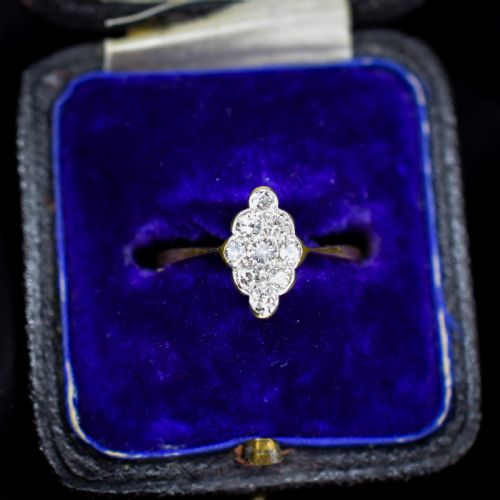
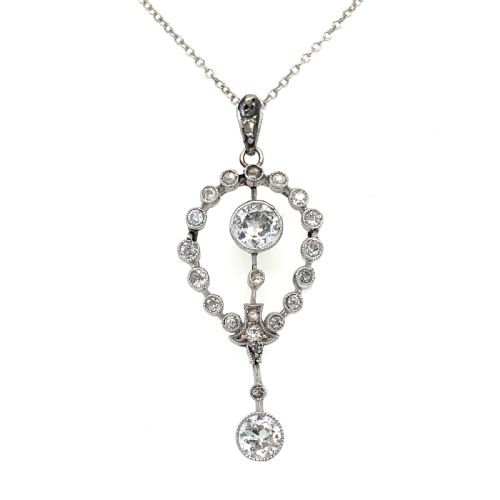
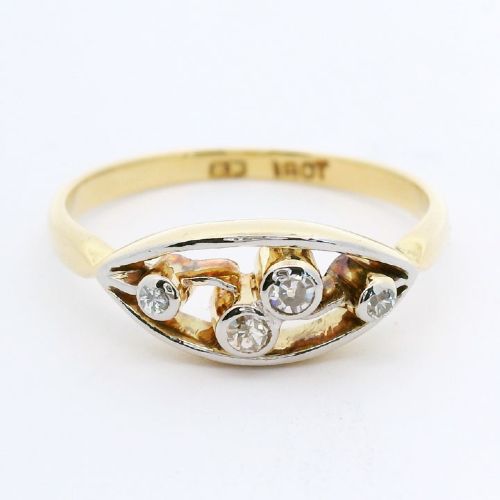
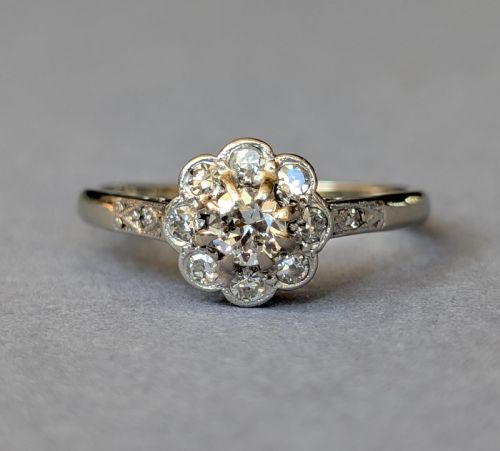
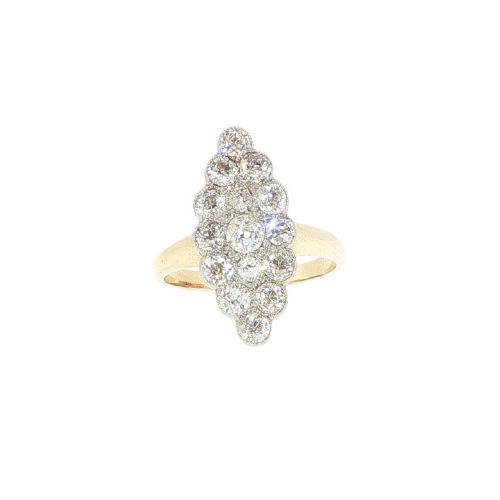
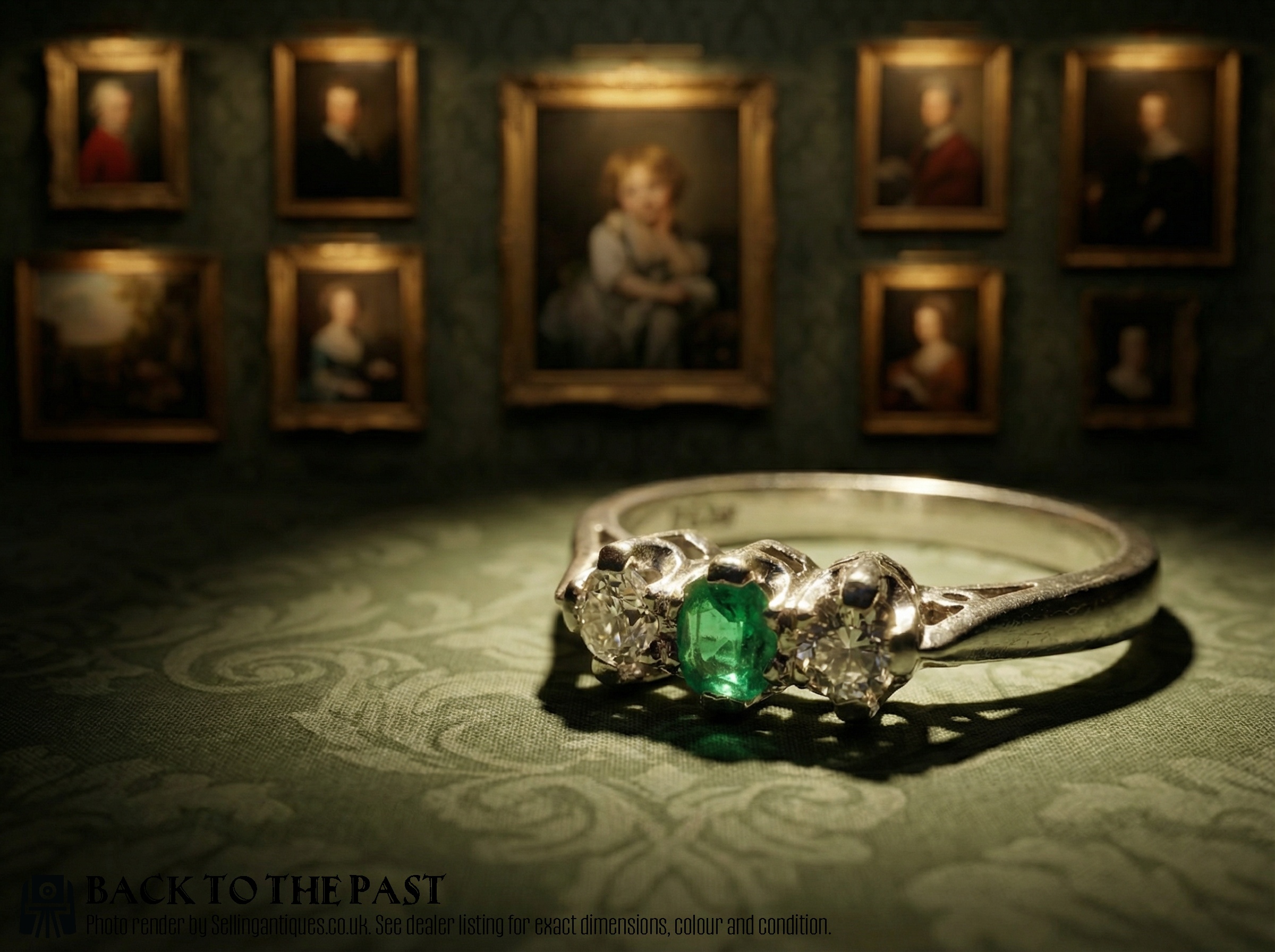
Edwardian platinum jewellery comprises rings, earrings, necklaces and pendants originating from the Edwardian era. These pieces combine precious metals with diamonds, emeralds, sapphires and blue zircons to create intricate designs.
Buyers encounter classic Edwardian forms that utilise openwork metal and precise gemstone arrangements. Each piece demonstrates the distinct stylistic priorities of the period.
How they were made
Workshops combined platinum with 18ct yellow gold and 18ct white gold to provide structural strength and contrasting metal colours. Platinum allowed for extremely fine claw settings and delicate wirework without sacrificing durability.
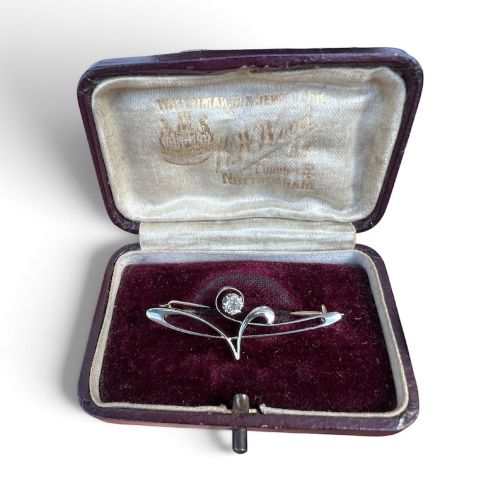
Makers set old cut diamonds, rose cut diamonds, emeralds, cabochon sapphires and natural blue zircons into the metal frameworks. Some items include fitted boxes tailored to the specific dimensions of the pendant or brooch.
Retail Price Guide 2026
Typical UK retail prices for edwardian platinum jewellery, calculated from the Sellingantiques database of over a million retail prices indexed since 2003. This retail price guide relies exclusively on Sellingantiques data; no external sources or auction records are used, so the figures do not describe the wider market.
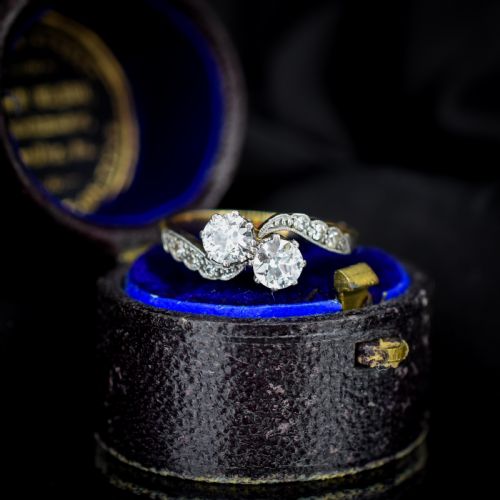
Some lavaliere pendants arrive in their original fitted boxes, preserving the exact nest built for them over a century ago.
What varies in quality
Quality differences stem from the precision of the metalwork and the selection of the central gemstones. Finer pieces demonstrate superior stone matching and expert handling of delicate platinum elements.
The Edwardian Platinum Jewellery Glossary
- Platinum
- A dense, durable white precious metal favoured in Edwardian workshops for its ability to hold tiny gemstone claws securely. It does not tarnish and maintains its bright finish over generations.
- Old Cut Diamond
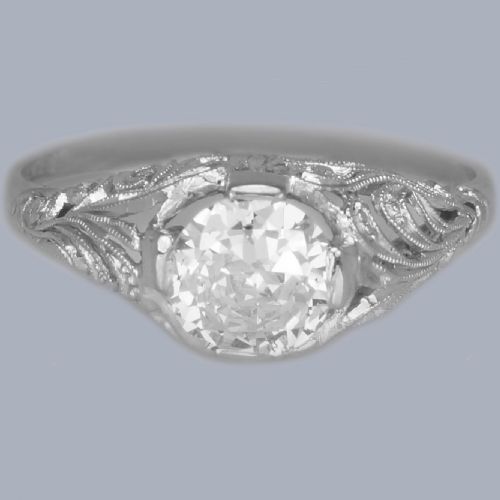
- A hand-faceted diamond shape preceding modern brilliant cuts, characterised by a smaller table, higher crown and open culet. These stones catch candlelight with a softer, broader flash.
- Rose Cut Diamond
- A vintage diamond cut featuring a flat base and a domed crown of triangular facets arranged in a symmetrical pattern. It gives a translucent, subtle shimmer rather than sharp modern brilliance.
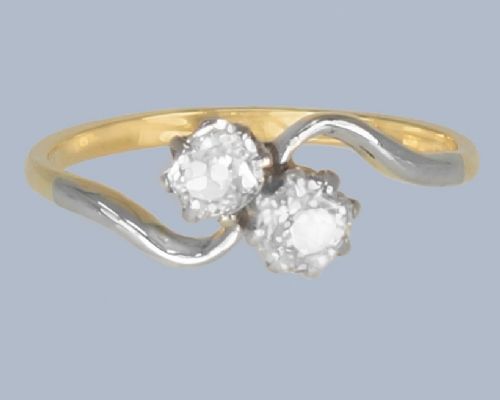
- Toi Et Moi
- A French term meaning you and me, describing a ring style featuring two main side-by-side gemstones representing two souls intertwined. This romantic configuration remains a hallmark of antique fine jewellery.
Frequently Asked Questions
What is Edwardian platinum jewellery?
Edwardian platinum jewellery encompasses rings, earrings and pendants created during the Edwardian period. These items frequently incorporate diamonds, sapphires and emeralds set in platinum and gold.
Craftsmanship from this era focuses on delicate proportions and intricate metalwork. The combination of platinum and older gemstone cuts defines the visual identity of these pieces.
How do I wear these pieces?
Wear these delicate rings, earrings and pendants with care due to their antique construction and fine platinum settings. Removing them before heavy manual tasks protects the stones and metalwork.
Many pendants also function as brooches, offering versatile styling options. Storing items in fitted boxes prevents accidental scratching when not being worn.
How are periods identified?
Period identification relies upon construction techniques, metal combinations and gemstone cutting styles characteristic of the early twentieth century. The use of platinum alongside yellow or white gold points directly to this era.
特徴 such as old cut diamonds and specific motifs help distinguish Edwardian items from later art deco or vintage pieces. Examining the reverse side often reveals period-specific manufacturing methods.
What stones are used?
These pieces incorporate old cut diamonds, rose cut diamonds, emeralds, cabochon sapphires and natural blue zircons. Each stone type contributes distinct colour and light interaction to the design.
Coloured gemstones like sapphires and emeralds are often paired with diamond accents. The variety of gems reflects the sophisticated tastes of Edwardian jewellers.