


Edwardian Claw Set Ring
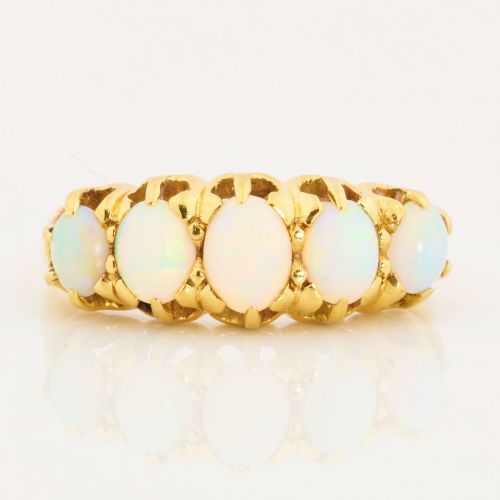
An edwardian claw set ring brings together delicate metalwork and secure stone settings, offering a tangible piece of early twentieth-century design.
Edwardian Claw Set Ring
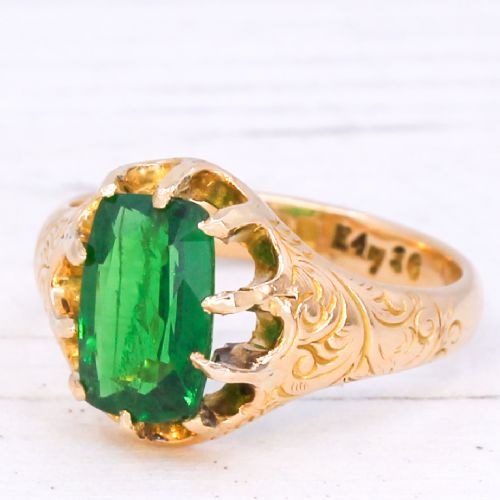
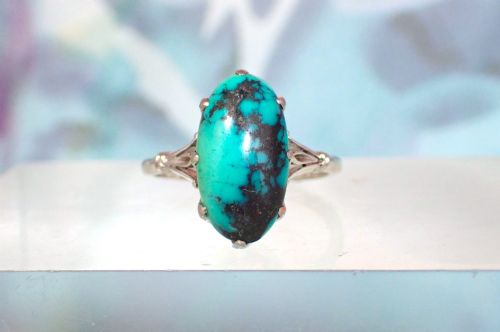
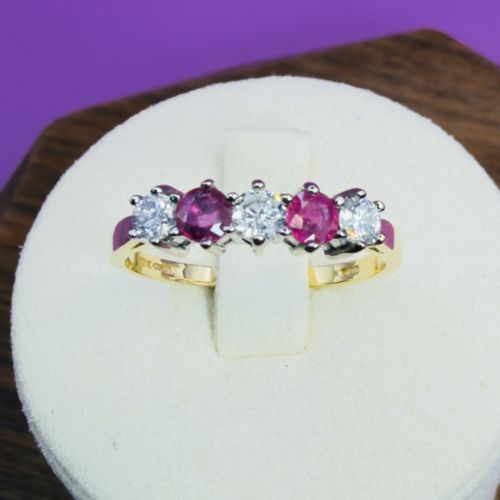
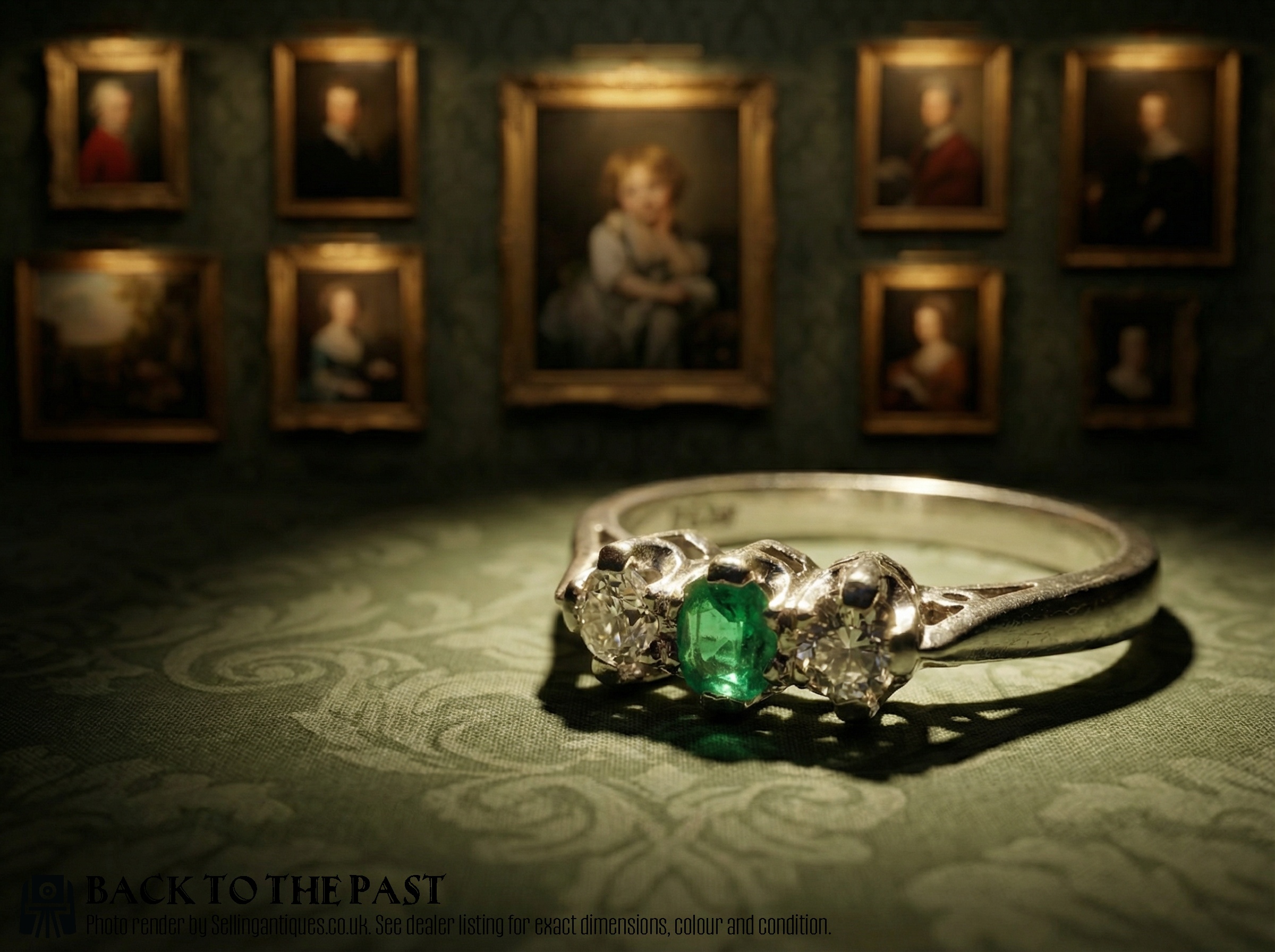
An edwardian claw set ring centres on individual stones held securely by slender metal prongs, allowing maximum light to reach diamonds, sapphires, rubies, and emeralds. These pieces span engagement rings and dress rings created during the early twentieth century, alongside transitional pieces stretching into later decades.
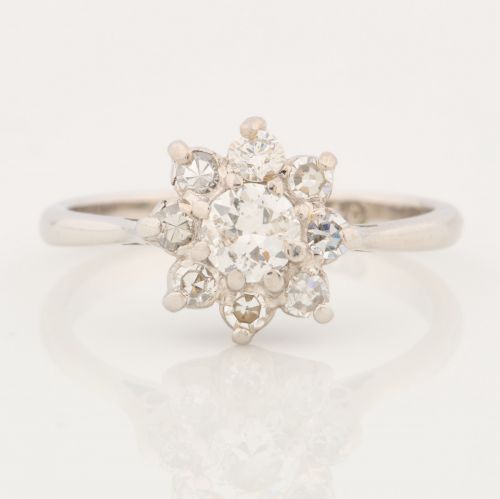
The version most commonly met on this page combines platinum or gold bands with traditional cluster, solitaire, or multi-stone trilogy arrangements. Stones range from old cut diamonds to coloured gems like tsavorites, aquamarines, turquoises, and opals.
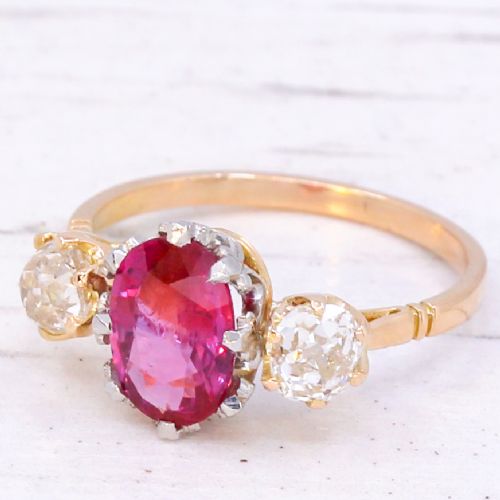
Makers of the period favoured intricate arrangements, often pairing bright white platinum with yellow gold to highlight the central gems. Buyers select these rings for their distinct historical character and individual hand-cut stones.
How they were made
The construction of an edwardian claw set ring relies heavily on the use of durable platinum alongside yellow and white gold to support delicate stone groupings. Platinum gained widespread favour for its strength, enabling jewellers to create ultra-fine wire claws that held gems securely without obscuring their facets.
Gems were shaped by hand, resulting in characteristic old European, mine, and old cuts that display softer facets than modern brilliant stones. Jewellers combined these individual stones into cluster, daisy, trefoil, and multi-stone trilogy formations using manual soldering and bench techniques.
Listings feature platinum, gold, and 18ct white or yellow gold paired with diamonds, sapphires, rubies, and opals.
What varies in quality
The distinction between tiers of quality rests upon the proportion and matching of the central stones relative to the supporting metalwork. Superior examples display harmonious stone sizing, skilful claw shaping, and minimal wear to the underlying structure.
Another factor is the integration of the metal settings, where higher-grade manufacturing achieves a seamless transition between the band and the claw-held gems. The integrity of the original claw tips dictates how well the structure preserves the stone over time.
The Edwardian Claw Set Ring Glossary
- Claw setting
- A mounting method utilising small metal prongs or claws to grip the girdle of a gemstone securely while exposing maximum surface area to light.
- Old European cut
- A vintage diamond cutting style characterised by a small table, heavy crown, and large culet, hand-facetted before the advent of modern machinery.
- Trilogy ring
- A ring featuring three primary gemstones set in a row, traditionally symbolising the past, present, and future.
- Daisy cluster
- A ring arrangement where a central gemstone is encircled by a ring of smaller matching stones, resembling the petals of a flower.
Edwardian Claw Set Ring: Frequently Asked Questions
What defines an edwardian claw set ring?
These pieces are identified by their distinct early twentieth-century craftsmanship, utilising slender metal claws to secure diamonds and coloured gemstones to platinum or gold bands.
They reflect the transition from late Victorian ornamentation into lighter, more refined styles that prioritise gemstone brilliance.
How should I wear an antique ring daily?
Daily wear requires basic care, such as removing the ring during heavy manual tasks to protect the delicate claw settings and softer old-cut stones.
Regular checks by a jeweller help ensure the prongs remain tight and secure around each gemstone.
What metals were used in these rings?
Jewellers primarily utilised platinum, 18ct yellow gold, and 18ct white gold to construct the bands and settings.
Platinum became particularly popular for its ability to support secure, fine claw work without adding excessive bulk to the design.
How do I identify an old cut diamond?
Old cut diamonds feature hand-cut facets that produce a softer, warmer sparkle compared to the sharp brilliance of modern brilliant-cut stones.
They typically exhibit a smaller table and a noticeable open culet at the base when viewed under magnification.