
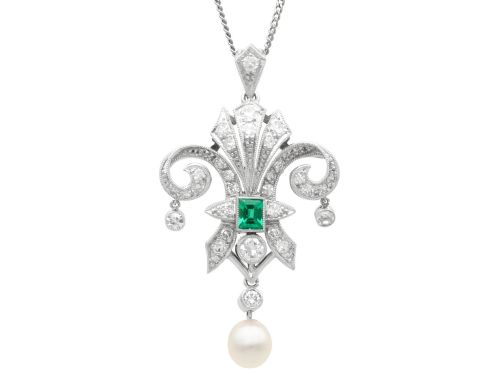
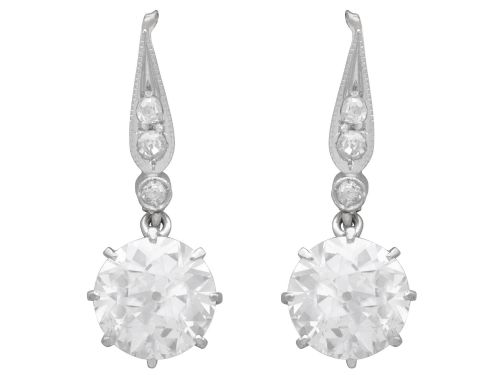
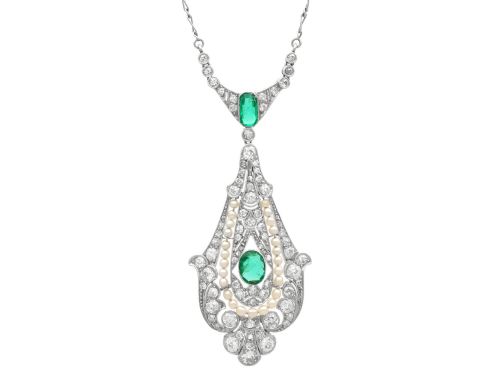
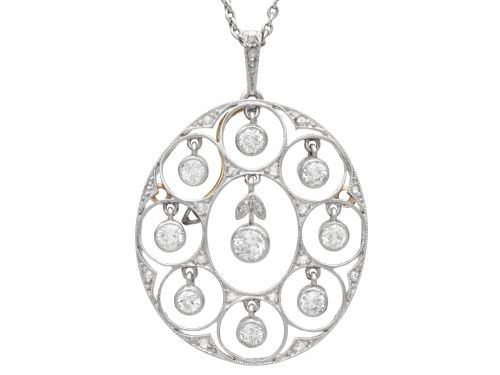




Platinum Diamond Drop Pendant
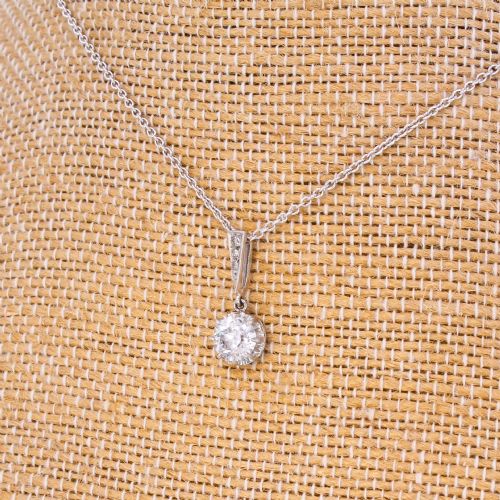
A platinum diamond drop pendant brings together bright gemstones and enduring metal in pieces shaped by Edwardian elegance and Art Deco geometry.
Platinum Diamond Drop Pendant
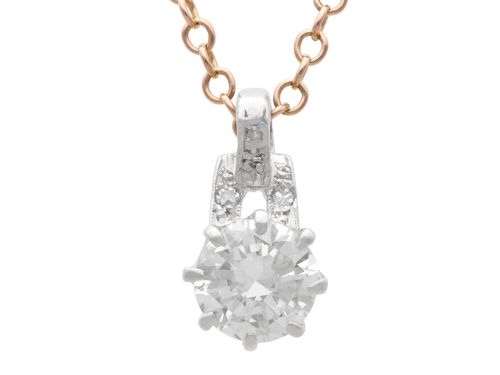
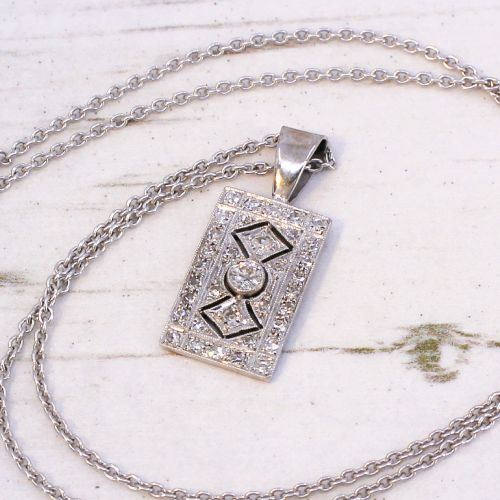
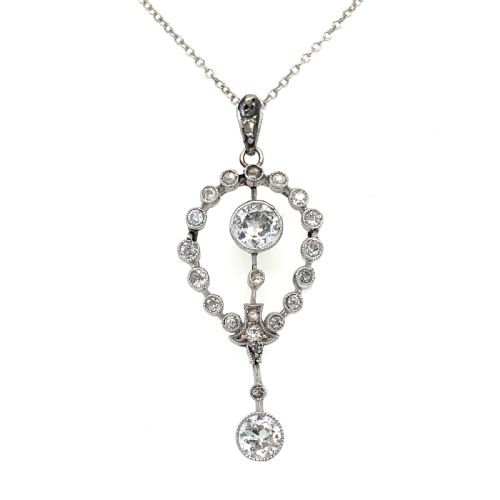
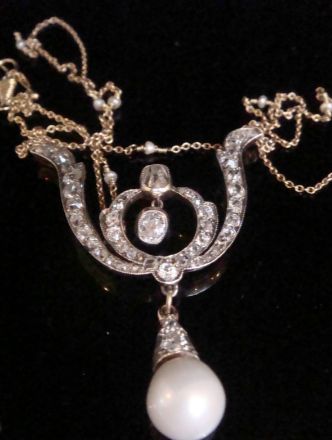
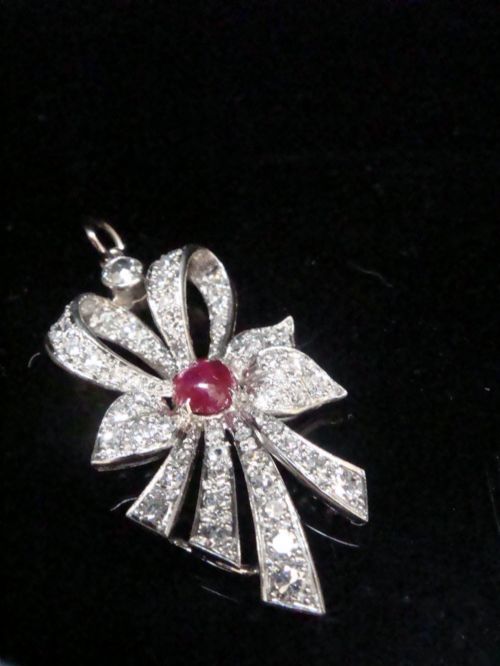
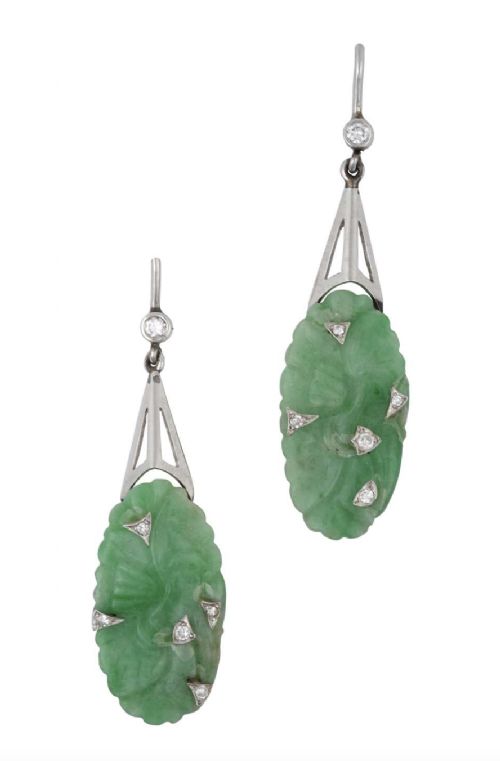
A platinum diamond drop pendant suspends brilliant stones from fine chains or fittings, designed to catch the light with movement. These jewels span the Edwardian, Art Deco, and mid-century periods, showcasing the shifts in design from delicate garland motifs to geometric abstraction.
Most examples combine platinum settings with diamonds alongside pearls, aquamarines, emeralds, or sapphires. The drop configuration might take the form of a single articulated stone, a cluster, or a pendant necklace that sits centrally on the collarbone.
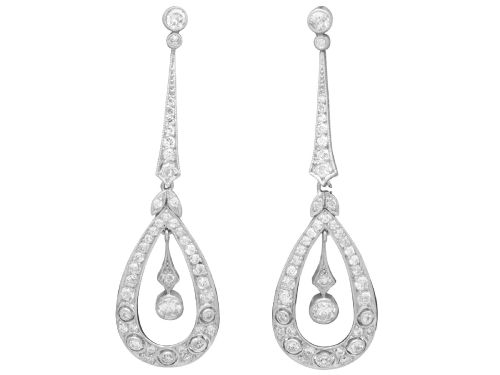
Makers of these items utilised durable platinum to build intricate pierced galleries without adding heavy weight. Buyers encounter both standalone pendants and matching drop earrings executed in the same characteristic styles.
How they were made
Artisans worked platinum into strong, thin strips that held stones securely while hiding the metal framework behind the gems. This technique allowed for piercing and millegrain edging, creating delicate textured borders around individual diamonds.
Gemstones such as old cut diamonds, seed pearls, and carved jadeite were hand-set into the dense platinum mounts. Goldsmiths also integrated 18ct white gold or yellow gold accents into specific Edwardian and Art Deco pieces to contrast with the silvery metal.
Some Edwardian necklaces arrive tucked inside their original fitted maker boxes, preserving the exact velvet home intended over a century ago.
What varies in quality
The refinement of the pierced metalwork distinguishes finer items from simpler production. Master metalsmiths achieved crisp, symmetrical geometric patterns and delicate openwork that required significant labour.
Stone selection and matching also dictate the calibre of a piece. Superior examples feature well-matched old cut diamonds and high-clarity coloured gems like aquamarine, sapphire, or emerald that balance the weight of the drop.
Eduard Foehr
The Platinum Diamond Drop Pendant Glossary
- Platinum
- A dense, white precious metal chosen for antique jewellery due to its strength and ability to hold fine gemstone settings.
- Old cut diamond
- A diamond shaped by hand with fewer facets and a smaller table than modern stones, producing broad flashes of light.
- Millegrain
- A decorative border of tiny raised metal beads pressed into the edge of a setting during the Edwardian and Art Deco eras.
- Negligee pendant
- A necklace style featuring two unequal drops suspended from a central link, popular during the Edwardian period.
- Drop earring
- An earring design where the lower section hangs below the earlobe and moves independently.
Platinum Diamond Drop Pendant: Frequently Asked Questions
How do I date a platinum diamond drop pendant?
Dating relies on stylistic clues like symmetrical geometric lines for Art Deco pieces or delicate garland motifs for Edwardian items. The integration of platinum alongside specific stone cuts also points to distinct manufacturing decades.
Examining the construction of the rear gallery and the style of the bale provides further context for when the jewellery was assembled.
What is the difference between Edwardian and Art Deco pendants?
Edwardian designs lean towards organic curves, floral garlands, and lace-like platinum frameworks inspired by the nineteenth century. Art Deco pieces favour bold symmetry, straight lines, and sharp geometric contrasts.
Both periods use platinum and diamonds, but the overall silhouette shifts from soft grace to architectural precision.
Can I change the chain on my pendant?
Many antique pendants feature a detachable bale or a jump ring that allows the wearer to swap the chain for a different length or metal. Care must be taken to match the thickness and colour of the replacement chain to the original mount.
Consulting a jeweller ensures the suspension loop is not strained by a heavier chain.
Are coloured stones common in these pendants?
Coloured gemstones frequently appear alongside diamonds in Edwardian and Art Deco designs. Aquamarines, emeralds, sapphires, and pearls serve as central drops or accent stones.
These additions introduce contrasting hues that highlight the brightness of the surrounding diamonds and the white platinum setting.