



Edwardian Platinum Necklace
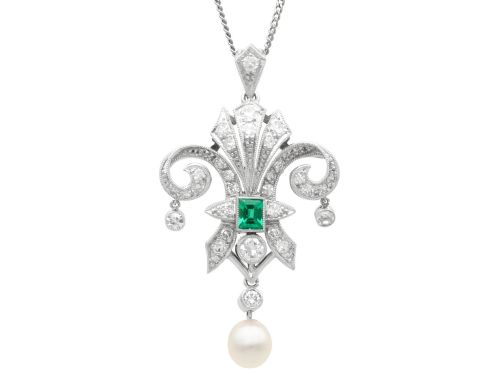
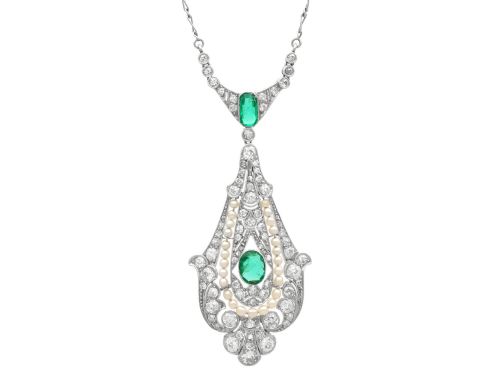
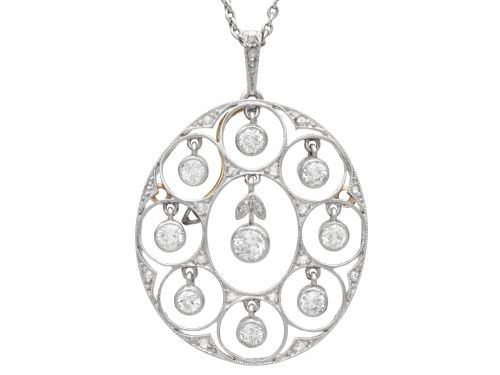
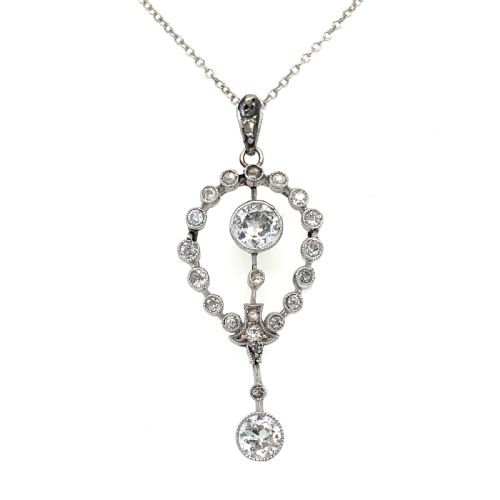
An edwardian platinum necklace brings together delicate metalwork and brilliant stones, offering the refined elegance typical of early twentieth-century jewellery.
Edwardian Platinum Necklace
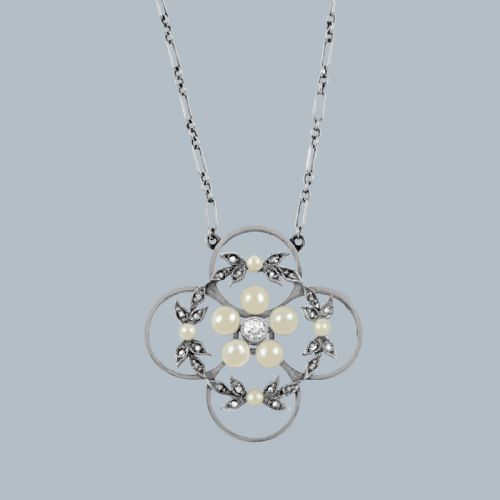
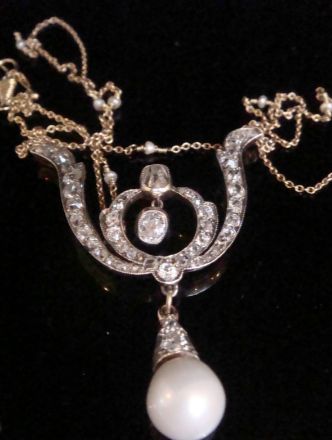
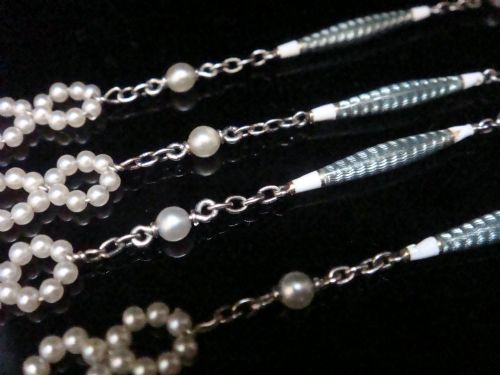
An edwardian platinum necklace encompasses pendant necklaces, lavalieres, and fringe designs that trace their origins to the early twentieth century and the subsequent Art Deco period. You will frequently encounter delicate platinum-topped chains set with old-cut diamonds, natural pearls, and vivid coloured gemstones.
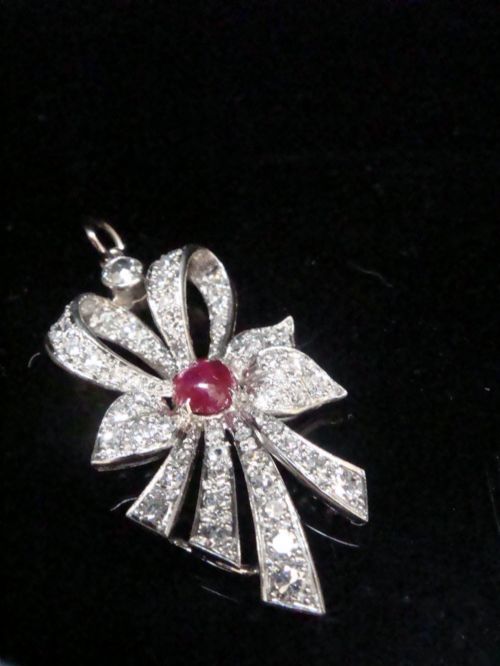
The selection ranges from restrained Edwardian ribbon bows and garlands to bolder geometric formations associated with 1920s work. Alongside traditional pendants, the pieces include convertible brooch-pendants and occasional functional items like lorgnettes mounted with platinum and diamonds.
How they were made
Makers utilised platinum for its strength, which allowed jewellers to forge exceptionally fine wirework, knife-edge bars, and intricate piercing without sacrificing structural integrity. This metal was frequently combined with yellow gold or white gold backs to support the setting of diamonds and pearls.
Gems were secured using meticulous hand-settings, including millegrain borders where tiny raised beads of metal edge the bezels and collets. Stones such as diamonds, sapphires, aquamarines, and rubies were shaped predominantly as old-cuts, table-cuts, or cabochons to catch candlelight.
Some iterations double as lorgnettes, allowing the wearer to discreetly inspect theatre programmes through folding opera glasses hidden in platinum and diamonds.
What varies in quality
The distinction between standard examples and the finest pieces lies in the delicacy of the pierced platinum work and the uniformity of the millegrain decoration. Superior items display meticulous hand-piercing that mimics lace, whereas lesser examples show heavier, less refined metal framing.
Stone selection and matching dictate the upper tier of the range, particularly with natural saltwater pearls, certified rubies, and well-proportioned old-cut diamonds. The integration of maker boxes or convertible mounts also elevates the standing of an individual piece.
TIFFANY AND CO·EDUARD FOEHR
The Edwardian Platinum Necklace Glossary
- Millegrain
- A decorative technique involving a row of small, raised metal beads along the edge of a setting. This creates a soft, textured border typical of Edwardian and Art Deco jewellery.
- Lavaliere
- A pendant necklace featuring a central stone or ornament that drops lower than the rest of the setting. This style gained immense popularity during the Edwardian era.
- Negligee pendant
- A necklace design featuring two unequal drops suspended from a central link or bow. It creates an asymmetrical, flowing line across the neckline.
- Old-cut diamond
- A diamond shape characterised by a small table, high crown, and large open culet, hand-faceted before modern cutting standards. These stones display softer flashes under ambient light.
- Fringe necklace
- A necklace style where a series of vertical drops or pendants are suspended closely along the front of the chain. They range from delicate diamond bars to elaborate geometric arrangements.
Edwardian Platinum Necklace: Frequently Asked Questions
What defines an edwardian platinum necklace?
These pieces combine durable platinum metalwork with delicate Edwardian motifs like bows, garlands, and drops. They frequently incorporate old-cut diamonds, pearls, and sapphires.
The metal's strength allowed artisans to create airy, lace-like settings that feel remarkably light while securely holding precious stones.
How do I care for antique platinum jewellery?
Store each piece individually in a lined box to prevent scratching softer gems like pearls or opals. Avoid exposing pearls to harsh chemicals, perfumes, or ultrasonic cleaners.
Gentle cleaning with warm soapy water and a soft brush maintains the platinum shine and clears debris from behind the stone settings.
Can I wear these necklaces every day?
While platinum is exceptionally durable, the delicate chains and antique settings require mindful wear. Reserve them for special occasions to protect fragile elements like seed pearls and fine millegrain edges.
Checking the clasp and any safety chains periodically ensures the piece remains secure during use.
How do I distinguish Edwardian from Art Deco styles?
Edwardian designs lean towards organic, flowing motifs inspired by nature, including ribbons, bows, garlands, and soft curving lines. They often utilise intricate millegrain and delicate platinum wirework.
Art Deco pieces introduce rigid symmetry, sharp angles, and geometric patterns, reflecting a shift towards industrial modernity in the 1920s.