




Edwardian Garland Pendant
These delicate edwardian garland pendant pieces combine platinum, gold, and diamonds into intricate floral motifs that define early twentieth-century elegance.
Edwardian Garland Pendant
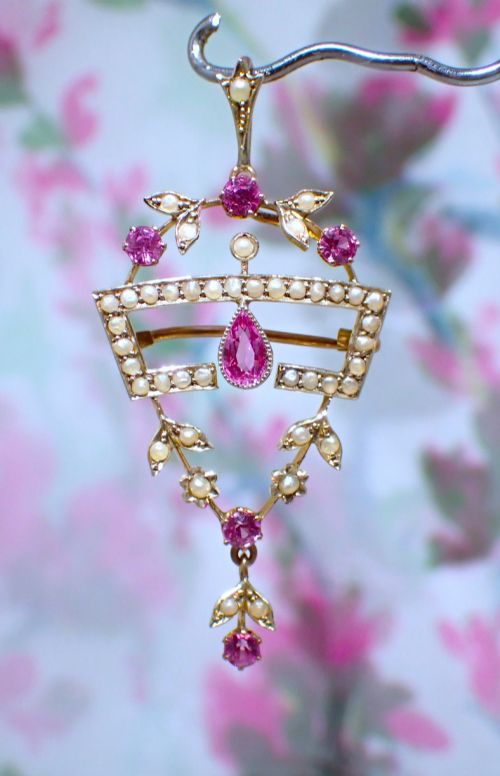
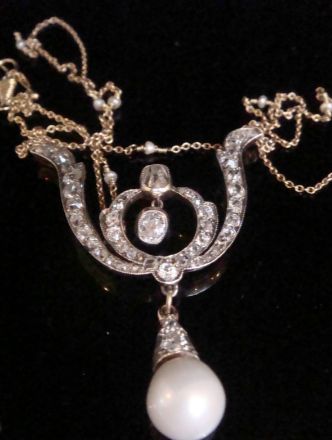
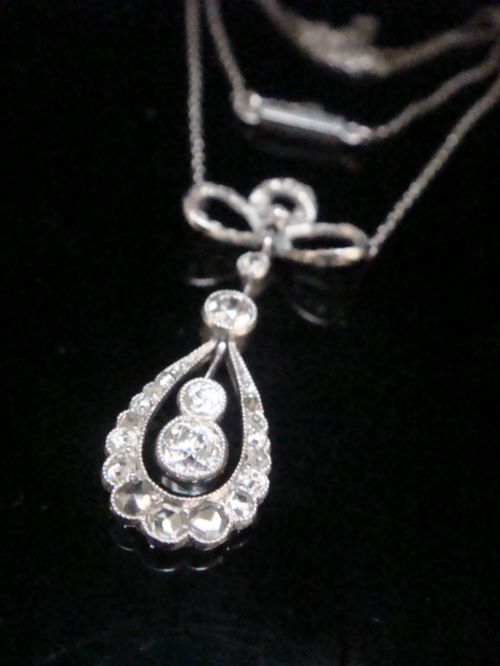
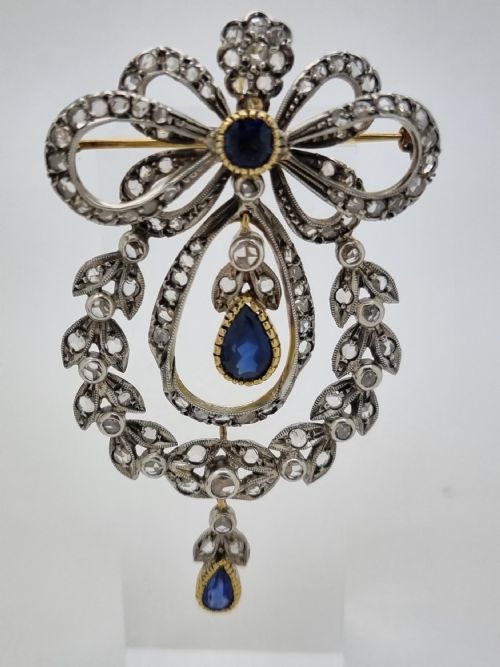
An edwardian garland pendant brings together intricate floral motifs and light openwork frames characteristic of the period around nineteen ten. You will most frequently encounter these items set with diamonds, pearls, aquamarines, and sapphires.
Makers of the era favoured versatile designs that functioned as both pendants and brooches. Many pieces incorporate bows and swags executed in platinum and gold.
Materials and construction
Jewellers utilised platinum alongside yellow and white gold to construct delicate frames that could support intricate stone settings without bulk. This metallurgical shift allowed for lighter mountings that enhanced the brilliance of old cut diamonds.
Natural pearls, aquamarines, sapphires, and tourmalines were integrated into garland patterns using fine claw and bezel settings. Hand-cut pastes and seed pearls also appeared frequently in accessible designs of the period.
Edwardian Garland Pendant Retail Price Guide 2026
Typical asking prices for edwardian garland pendant among the pieces listed under this phrase on Sellingantiques today, from the lower quarter to the upper quarter. They describe what is for sale here now, not the wider market.
Listings feature platinum, gold, silver, and high-carat yellow gold alongside diamonds, sapphires, aquamarines, tourmalines, and pearls.
Distinctions in quality
The sophistication of the piercing and the symmetry of the garland work determine the calibre of an edwardian garland pendant. Finer examples display meticulous hand-fabrication in platinum rather than simpler cast elements.
The selection and matching of gemstones, particularly natural pearls and old cut diamonds, separate standard workshop output from exceptional pieces. Original fitted boxes also indicate high-end provenance from this era.
Eduard Foehr
The Edwardian Garland Pendant Glossary
- Garland style
- A decorative motif popular in jewellery design featuring ribbons, swags, flowers, and leaves tied together in naturalistic arrangements. It draws heavily on eighteenth-century French ornamentation.
- Old cut
- A diamond cutting style prevalent before the modern brilliant cut, characterised by a small table, high crown, and open culet. These stones produce a softer candlelight sparkle.
- Lavalier
- A necklace featuring a pendant with suspended drops hanging at different lengths. This form gained immense popularity during the edwardian era.
- Seed pearl
- Very small natural or cultured pearls drilled and strung together in intricate patterns. They form delicate backdrops for larger gemstones in garland necklaces.
Edwardian Garland Pendant: Frequently Asked Questions
How do I wear these pendants?
These pendants are traditionally suspended from fine platinum or gold chains that match the original metalwork. Their versatile nature often allows them to be detached and worn as brooches.
When living with antique jewellery, store pieces separately in lined boxes to protect delicate platinum settings and natural pearls from friction.
What metals were used?
Platinised silver and solid platinum emerged during this period, allowing jewellers to create ultra-thin, strong settings for diamonds. Yellow and white gold were also standard, sometimes layered to highlight contrasting details.
Carat weights varied, with fifteen carat and eighteen carat gold frequently appearing in these intricate garland mountings.
Are pearls natural in these pieces?
Natural salt-water pearls were commonly set into high-end edwardian jewellery before cultured pearls became dominant. Seed pearls were also utilised extensively for delicate border work.
Their lustrous white and cream tones complement the cool sparkle of old cut diamonds and platinum work.