



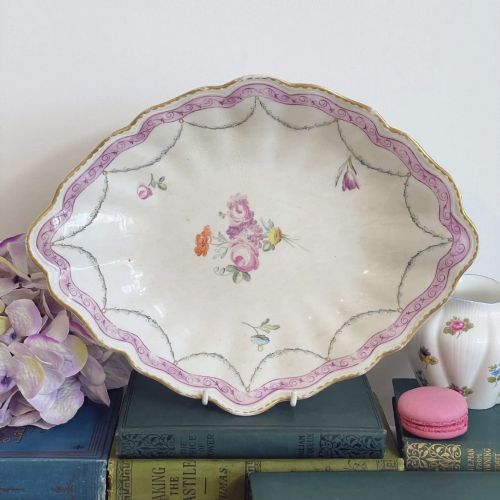


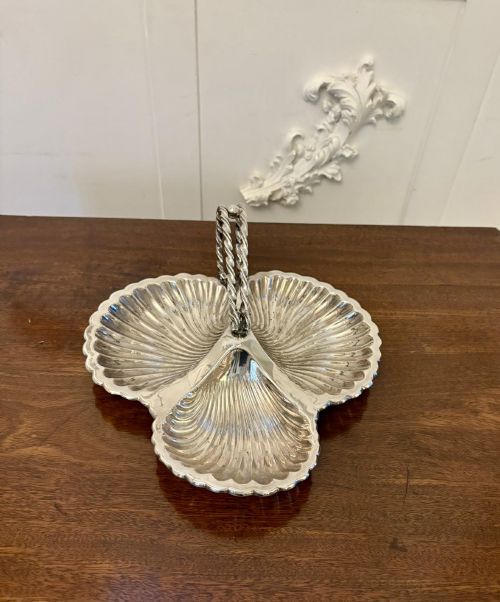
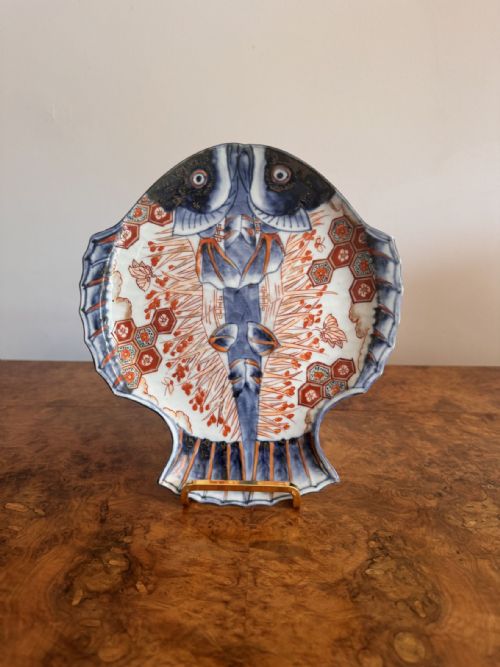

Plated Serving Dish
A plated serving dish brings substance and shine to the table, uniting practicality with the artistry of past centuries.
Plated Serving Dish
A plated serving dish serves as the centrepiece for presentation at the table, taking forms from substantial meat platters to delicate dessert dishes. Buyers exploring this category encounter vessels designed for both formal dining and everyday household use across several centuries.
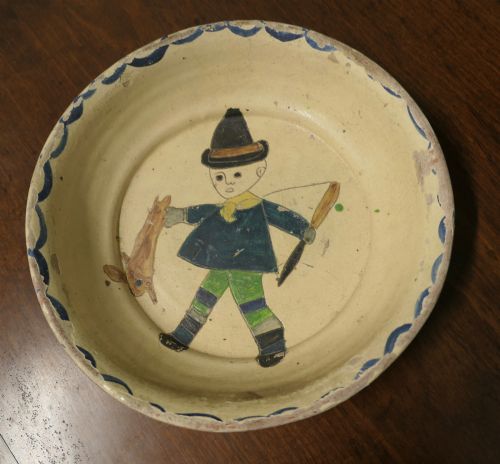
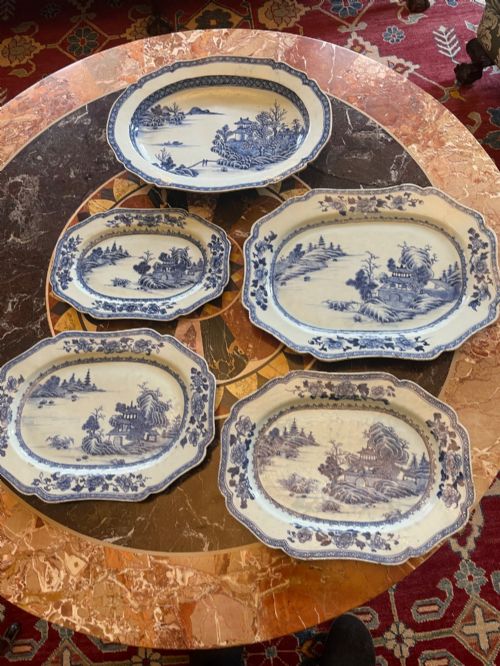
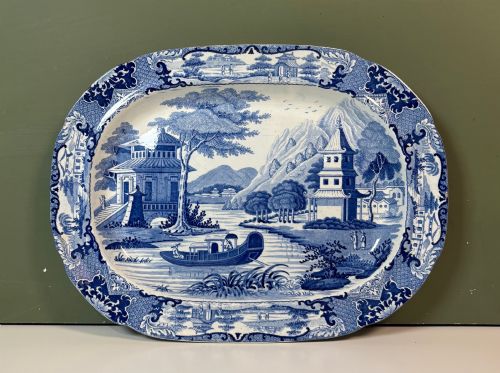
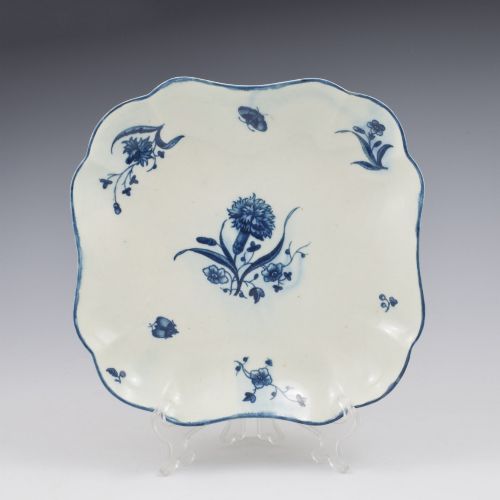
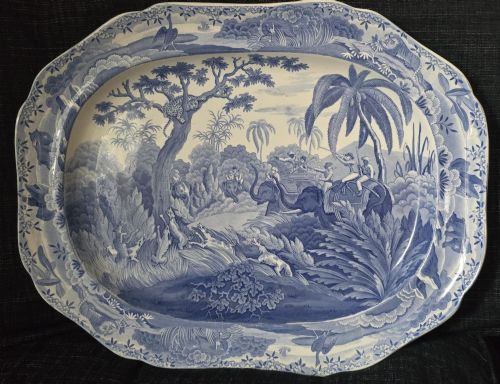
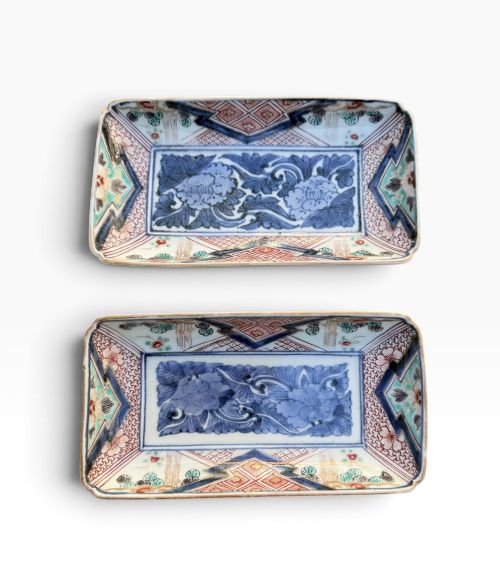
The selection ranges from Georgian and Victorian silver-plated tureens and baskets to Japanese Imari porcelain plates and English transferware chargers. These pieces reflect the dining customs of their respective periods, spanning earthenware, porcelain, and plated metal.
Most items meeting the eye on this page belong to the nineteenth and early twentieth centuries, alongside eighteenth-century porcelain and pottery. Each object preserves the utility and decorative taste of its original era.
How They Were Made
Metal vessels rely on techniques such as Old Sheffield Plate application or silver plating over a base metal, creating a durable surface with a rich lustre. Ceramic and porcelain examples involve throwing or moulding followed by handpainting, transfer printing, or tin glazing.
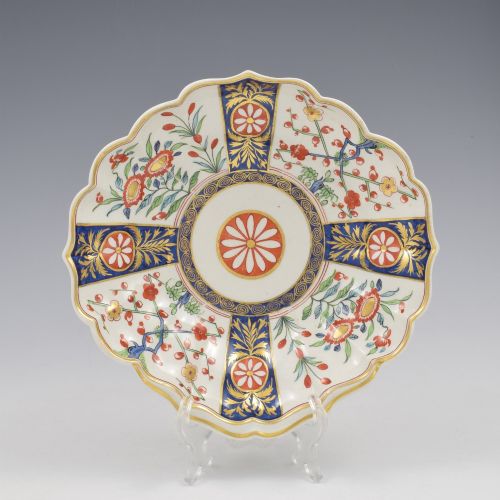
Potters and porcelain painters utilised polychrome enamels, cobalt blue underglazes, and gilding to enrich the surface of plates and tureens. Wooden and pewter items demonstrate distinct turning and casting methods typical of Georgian workshops.
Plated Serving Dish Retail Price Guide 2026
Typical asking prices for plated serving dish among the pieces listed under this phrase on Sellingantiques today, from the lower quarter to the upper quarter. They describe what is for sale here now, not the wider market.
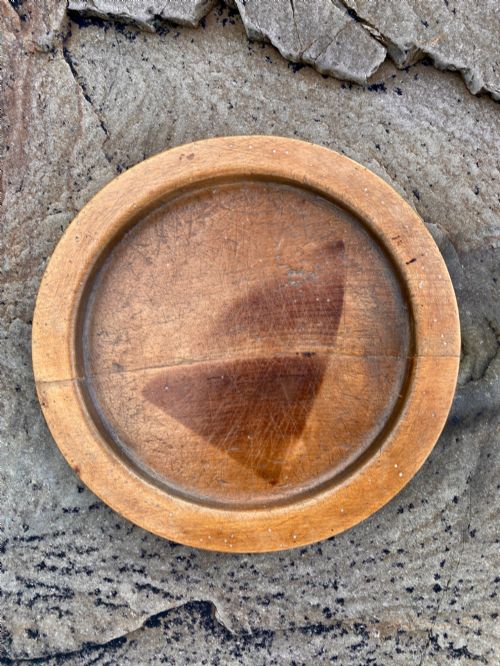
Materials across the selection encompass porcelain, earthenware, silver plate, pewter, and sycamore wood.
What Varies In Quality
The refinement of handpainting and the crispness of transfer printing distinguish standard domestic pottery from superior cabinet pieces. In porcelain and earthenware, the delicacy of the moulding and the depth of the glaze dictate the grade of the dish.
For plated metalware, the preservation of the plating layer and the weight of the underlying metal define the caliber of the piece. Makers with established reputations, such as Mappin and Webb or Worcester, consistently demonstrate superior finishing and design execution.
Mappin and Webb·Daniel Arter·Christofle·John Rogers and Son·Hicks and Meigh
The Plated Serving Dish Glossary
- Old Sheffield Plate
- A composite material formed by fusing a thin sheet of silver to a thicker copper ingot before rolling into sheets. This technique predates modern electroplating.
- Transferware
- Pottery decorated by applying a printed design from a copper plate onto paper, which is then transferred onto the unglazed or bisque ceramic body.
- Tin Glaze
- A white, opaque glaze containing tin oxide applied to earthenware, characteristic of delftware and majolica production.
- Comport
- A shallow dish or bowl raised on a stem or foot, used historically for serving fruit or sweetmeats at the end of a meal.
- Tureen
- A deep, covered vessel designed for serving soups, sauces, or vegetables at the dining table.
Plated Serving Dish: Frequently Asked Questions
How do I clean a plated serving dish?
Wash silver-plated items gently in warm soapy water using a soft cloth, avoiding abrasive cleaners that strip the plating. Dry thoroughly with a lint-free cloth to maintain the surface sheen without harming the metal.
Ceramic and porcelain dishes require similarly gentle handling with mild detergent and warm water. Avoid soaking antique pottery for extended periods, particularly pieces with porous bodies or delicate handpainted enamels.
Can I use antique serving dishes for food?
Most antique serving dishes function adequately for dry foods or presentation purposes today. Consider the composition of the glaze and metal before serving acidic or greasy foods on older items.
Silver-plated items used for food should be washed immediately after use to prevent tarnishing. Porous earthenwares from earlier centuries are best reserved for display rather than daily dining.
How do I date a transferware platter?
Examine the backstamp, colour hue, and pattern name to establish a production window. Maker marks and registration diamonds provide precise clues to the year of manufacture.
Transfer colours evolved from early deep blues to a wider palette of mulberry, green, and brown by the mid-nineteenth century. Style cues in the border design also help narrow down the decade.
What is the difference between porcelain and ironstone?
Porcelain is a vitrified ceramic material made from kaolin and petuntse, fired at high temperatures to achieve a translucent and non-porous body. It rings clearly when tapped and resists staining.
Ironstone is a heavy, durable earthenware developed to imitate porcelain, possessing an opaque body and high strength. It serves utility purposes with greater resilience than standard pottery.