


Pith Paper Art
Pith paper art brings delicate botanical and figural studies into your home, prized for luminous pigments on fragile natural plant pith.
Pith Paper Art
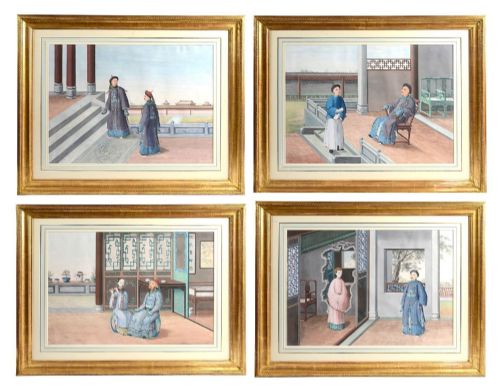
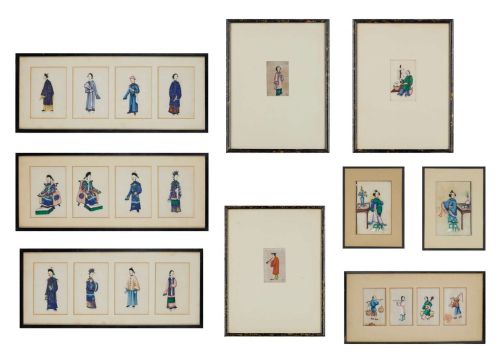
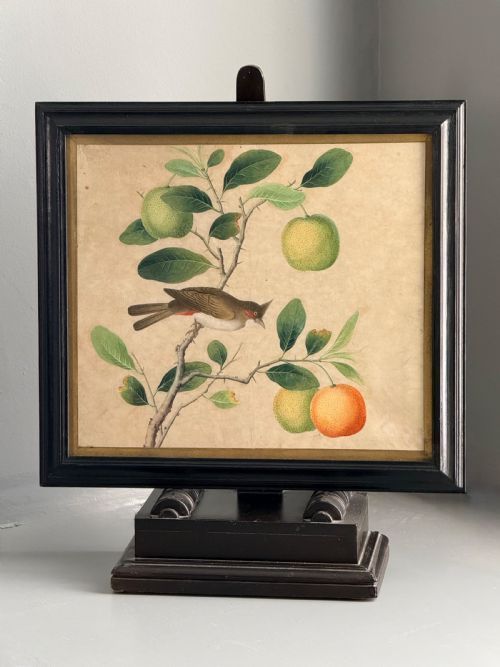
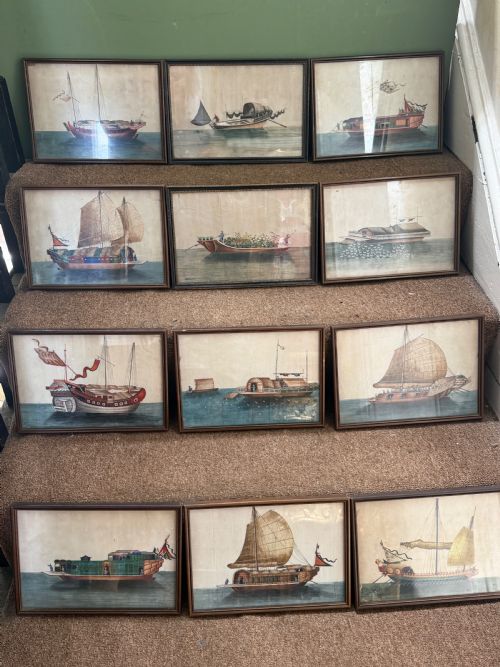
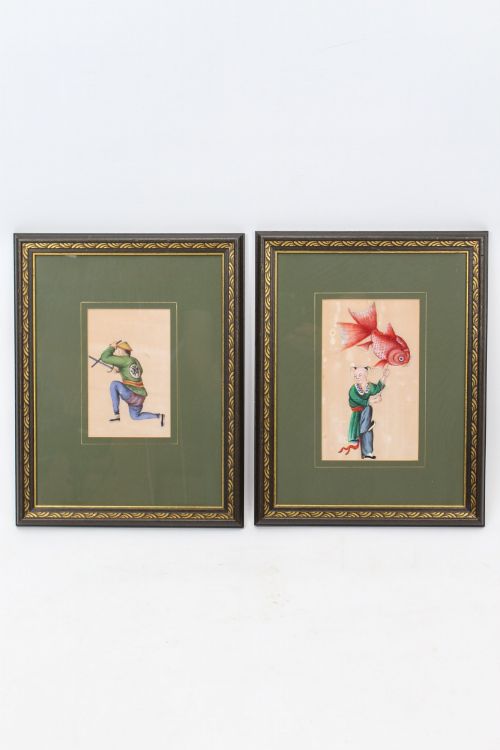
Pith paper art comprises delicate paintings executed on a cellular plant material derived from the pith of the Tetrapanax papyrifer plant. Buyers seeking these works will primarily encounter nineteenth century Chinese export pieces produced during the Qing dynasty. These fragile creations frequently depict figures, junks, flora, and butterflies in vibrant pigments.
The objects available on this page span several eras including the eighteenth century, Regency period, nineteenth century, Edwardian era, and around nineteen hundred. Surviving examples often appear as framed artwork, wall art, and sets of watercolours or gouache paintings. They capture a specific historical aesthetic of trade and artistic exchange.
Most pieces originate from Chinese export workshops catering to Western markets during the Qing dynasty. The physical form ranges from small individual framed paintings to substantial sets of twelve or twenty-one panels. Collectors look for these specific historical groupings and well-preserved painted details.
Materials and technique
Artists painted these works directly onto thin sheets of pith paper using watercolours and gouache. The unique cellular structure of the pith absorbs pigments in a way that gives the colours a characteristic velvety depth and subtle luminescence. Artisans frequently mounted these delicate sheets onto paper backing or framed them behind glass for protection.
Frames accompanying these works often utilise wood or gilt wood to house the fragile painted sheets. Works on silk also appear alongside pith paper examples, demonstrating the varied media employed in Qing dynasty export workshops. The combination of water-based pigments and organic plant substrates demands careful handling.
Surviving nineteenth century artisans painted microscopic butterfly antennae on pith with brushes consisting of just a few hairs.
Judging quality in pith paintings
Quality rests upon the preservation of the delicate pith substrate and the vibrancy of the gouache or watercolour pigments. Finer examples retain their original structural integrity without excessive cracking or flaking of the painted surface. The precision of brushwork in depicting intricate subjects such as butterflies, insects, and ships distinguishes superior items.
Completeness within sets of paintings significantly influences the standing of a piece. Intact groups of twelve or twenty-one related works represent a higher tier than scattered single items. The quality of the accompanying framing, whether historic wood or gilt wood, also contributes to the overall standard of the object.
The Pith Paper Art Glossary
- Pith paper
- A delicate material sliced from the spongy pith of the Tetrapanax papyrifer shrub rather than true paper made from cellulose fibres. It possesses a velvety texture that accepts watercolours and gouache with unique luminosity.
- Gouache
- An opaque water-based paint composed of pigment, water, and a binding agent such as gum arabic, often with added chalk. It provides the dense, matte colour layers seen on many export paintings.
- Chinese export art
- Items manufactured in China specifically for Western export markets during the Qing dynasty and earlier periods. These works often blend traditional Eastern techniques with subjects appealing to European tastes.
- Qing dynasty
- The final imperial dynasty of China, ruling from sixteen forty-four to nineteen twelve. Most painted export works on this page originate from the later decades of this era.
- Junk
- A traditional Chinese sailing ship with battened sails, frequently featured as a subject in nineteenth century export watercolours and gouache paintings.
Pith Paper Art: Frequently Asked Questions
What is pith paper made from?
Pith paper is sliced from the spongy cellular core of the Tetrapanax papyrifer plant, native to Taiwan and southern China. It is not true paper made from mashed wood or plant fibres.
This natural cellular structure gives the material its characteristic spongy feel and velvety surface texture.
How should I frame and display pith art?
These works require framing behind glass with a mat that keeps the delicate surface from touching the glazing. UV-filtering glass helps protect the organic pigments from fading under ambient light.
Keep them away from direct sunlight, high humidity, and extreme temperature fluctuations to preserve the fragile substrate.
Why are many sets found in groups of twelve?
Export workshops in Canton traditionally produced paintings in curated series, such as sets of twelve depicting trades, flora, or maritime scenes. These albums or framed groupings catered to Western collectors.
Finding an intact group remains a significant draw for collectors interested in period presentation.
How do I distinguish gouache from watercolour on pith?
Watercolour is translucent and allows the light to reflect off the underlying pith surface. Gouache includes opaque white pigment mixed with the colour, creating a denser and flatter matte appearance.
Many export pieces combine both mediums to highlight fine details like insect wings or ship rigging.