




Oriental Wall Art Pair
Oriental wall art pair pieces bring balanced symmetry and distant craft into a room, matching wood, silk, and porcelain across twin displays.
Oriental Wall Art Pair
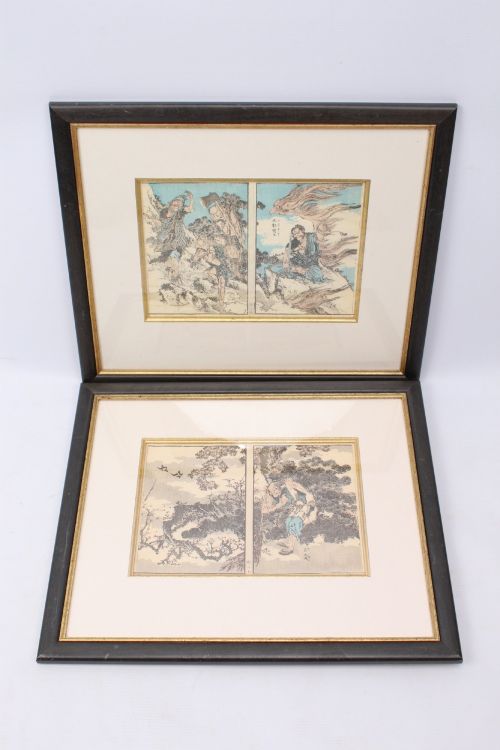
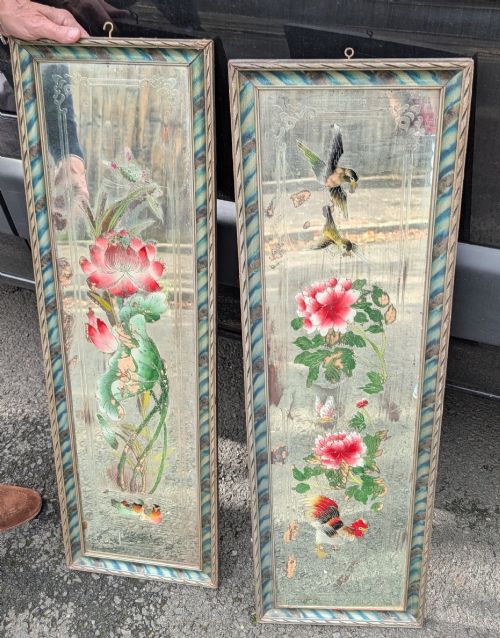
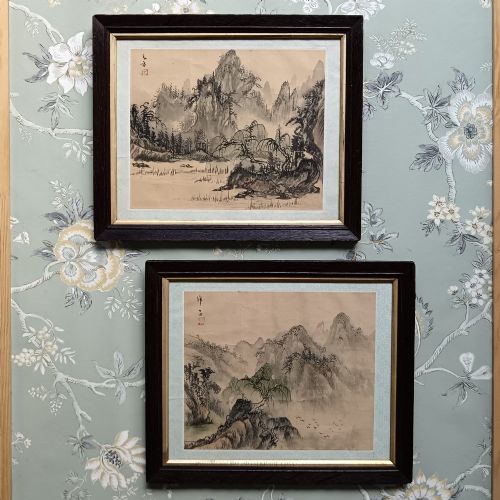
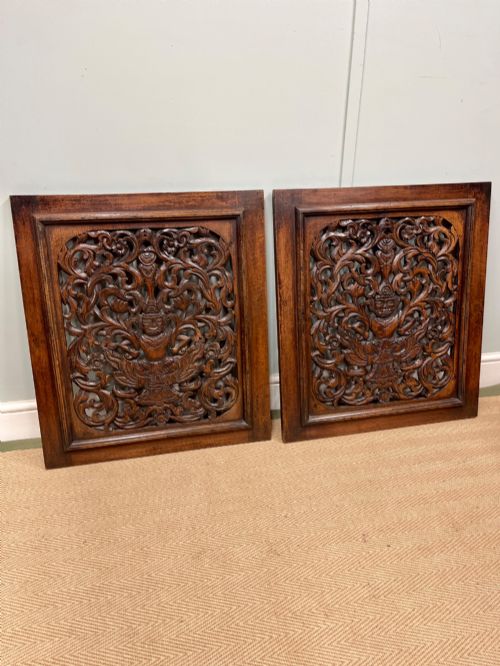
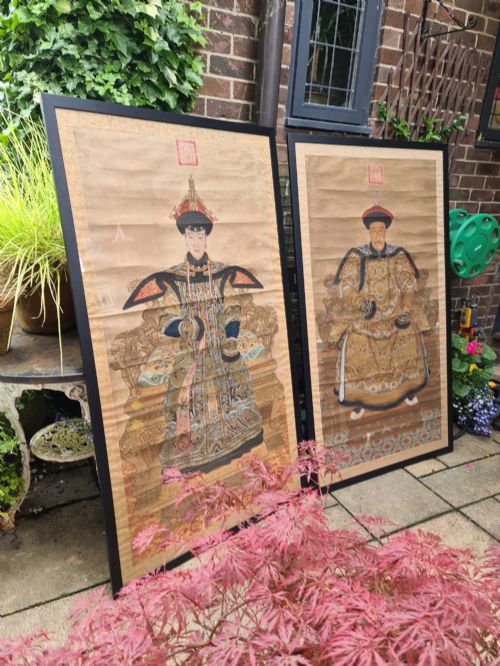
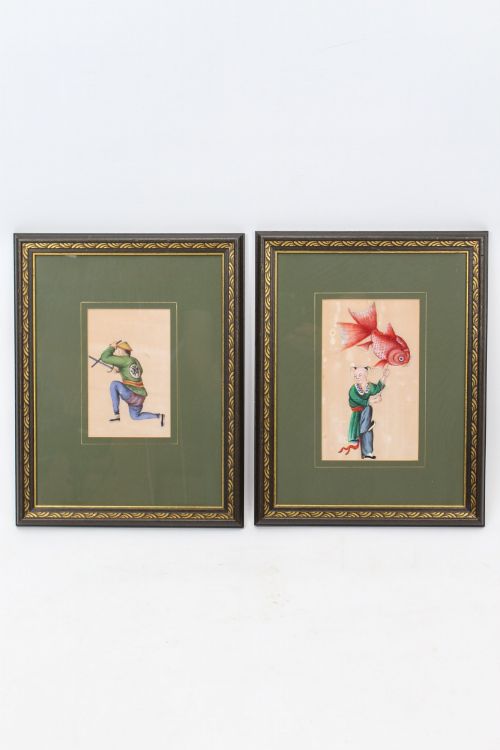
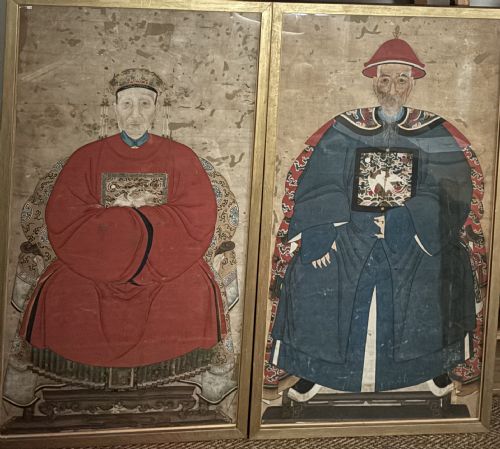
An oriental wall art pair presents matching decorative works designed for balanced display, typically taking the form of framed paintings, carved wooden panels, and hanging scrolls. Buyers looking for an oriental wall art pair encounter symmetrical compositions originating from Chinese, Japanese, and Burmese traditions.
The selections span various periods including the Qing Dynasty, Edo, and Meiji eras, alongside Edwardian interpretations and mid-century works. Common formats feature framed watercolours, ancestral portraits, silk paintings, and carved gilt wood temple panels.
Makers and artists utilised traditional motifs such as garden birds, mandarin ducks, deities, and natural landscapes. These twin pieces often function as focal points above furniture or anchor the opposite sides of a fireplace.
Materials and construction methods
Wood serves as a primary structural and decorative medium, appearing in hand-carved temple panels, lacquered wall plaques, and original frames. Artisans carved intricate details into solid timber, often supplementing the surfaces with lacquer, gold leaf, and mother of pearl inlay.
Delicate media such as silk, paper, and glass receive protection within custom frames, preserving watercolours, woodblock prints, and reverse painting techniques. Textile works incorporate detailed embroidery depicting birds and foliage using fine threads on fabric grounds.
Rigid materials include porcelain and cloisonné enamel, fired and glazed to create decorative chargers and plates intended for wall mounting. Pigments and oils provide colour across canvas, board, and paper surfaces.
Mandarin ducks appear frequently in these textiles, swimming peacefully to symbolise lifelong marital fidelity.
Assessing quality and execution
The distinction between standard and superior pieces rests upon the precision of the hand carving and the finesse of the brushwork. Master painters and carvers achieved fluid lines and expressive detail that elevate simple decorative items into compelling works of art.
Condition of fragile materials heavily influences the overall standard, particularly the preservation of original silk grounds, lacquer finishes, and inlaid mother of pearl or abalone. Intact original frames and undisturbed backings contribute significantly to the integrity of the pair.
Richard Wilson·Hokusai
The Oriental Wall Art Pair Glossary
- Chinoiserie
- European artistic style reflecting Chinese motifs and decorative techniques. This aesthetic influenced furniture and wall decoration during various historic periods.
- Imari
- Traditional Japanese porcelain style characterised by underglaze blue and contrasting iron red and gold colours. These pieces often feature detailed pictorial scenes.
- Cloisonne
- Enamelling technique where thin metal wire forms compartments on a metal base to hold coloured glass paste before firing. The resulting surface displays intricate geometric or pictorial patterns.
- Roundel
- Circular decorative panel or artwork. These circular compositions frequently appear in Japanese lacquerwork and textile designs.
- Shan Shui
- Traditional Chinese painting style featuring idealized landscape scenery with mountains, rivers, and waterfalls. These works emphasise spiritual harmony with nature.
Oriental Wall Art Pair: Frequently Asked Questions
How should I hang a pair?
Hang the two pieces at eye level with equal spacing between them to maintain visual balance on the wall. Aligning the centre points creates a cohesive display that respects the symmetry intended by the maker.
Consider placing them above a sideboard or flanking a large piece of furniture to anchor the composition within the room.
Are these items fragile?
Many examples incorporate delicate materials like silk, paper, glass, and mother of pearl inlay which require careful handling. Direct sunlight and high humidity can damage pigments and textiles over time.
Displaying them away from moisture sources and heating vents helps preserve the original condition of the wood and lacquer surfaces.
How do I identify Meiji period work?
Meiji period items often display exceptional technical refinement in metalwork, cloisonne, or panel carving, reflecting the opening of Japan to Western trade. Look for intricate detail and signatures or marks associated with late nineteenth-century workshops.
These pieces typically combine traditional iconography with advanced manufacturing techniques developed during that era.
Can I mix different styles?
Pairing items from different Asian traditions requires careful attention to scale, framing material, and colour palette. Matching the weight of the frames helps unify dissimilar artistic subjects.
Keeping the mounting height consistent bridges minor differences in period and medium across the wall display.