


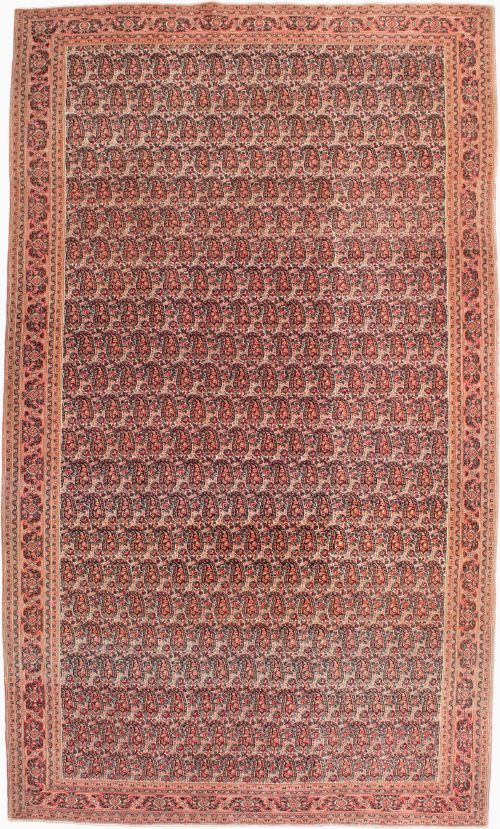


Pink Wool Oriental Rug
A pink wool oriental rug brings warmth and soft colour to a room, drawn from Persian, Turkish, and Caucasian weaving traditions.
Pink Wool Oriental Rug
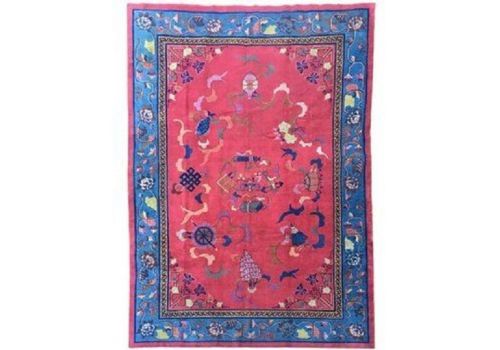
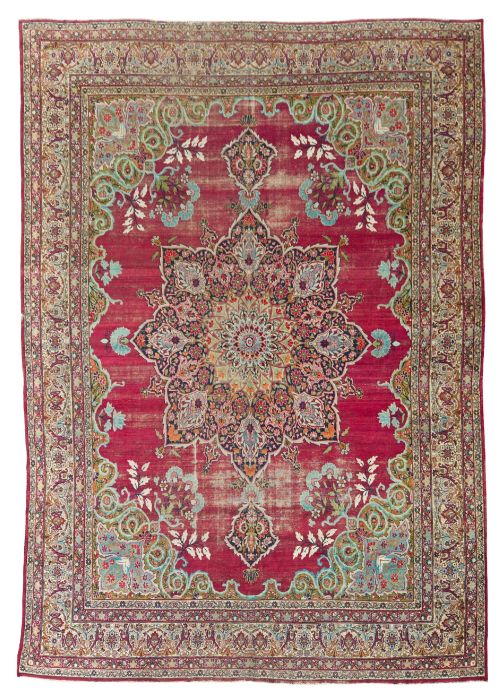
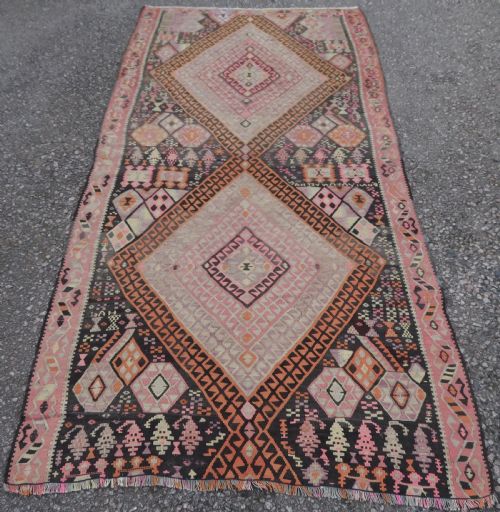
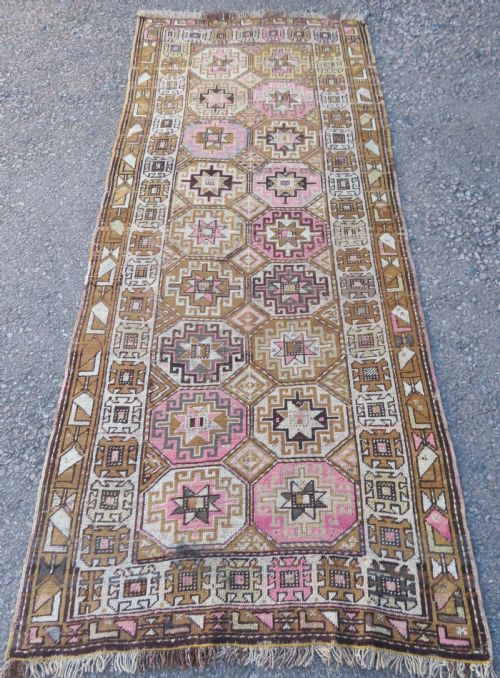
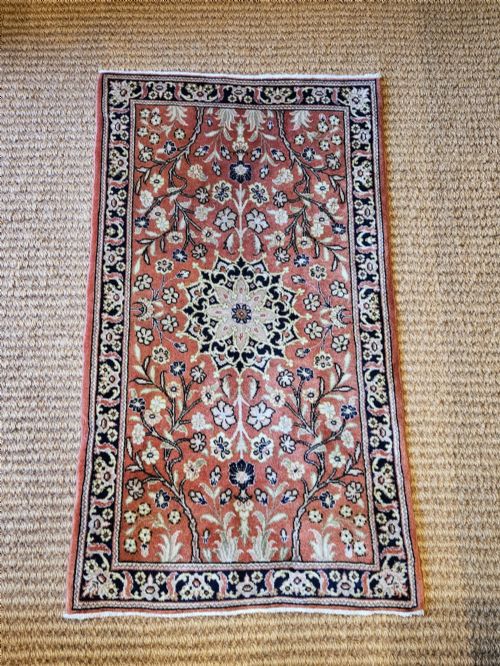
A pink wool oriental rug is a floor covering originating from regions such as Persia, Anatolia, and the Caucasus, spanning the nineteenth and early twentieth centuries. These textiles include various formats, from small hearth rugs and area carpets to long runners and room-sized carpets.
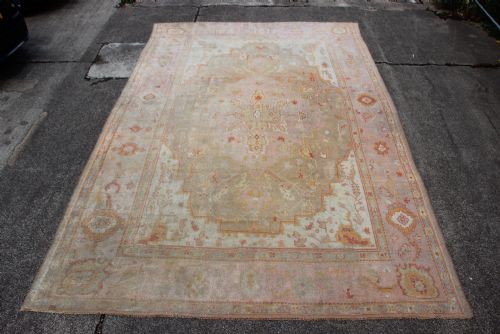
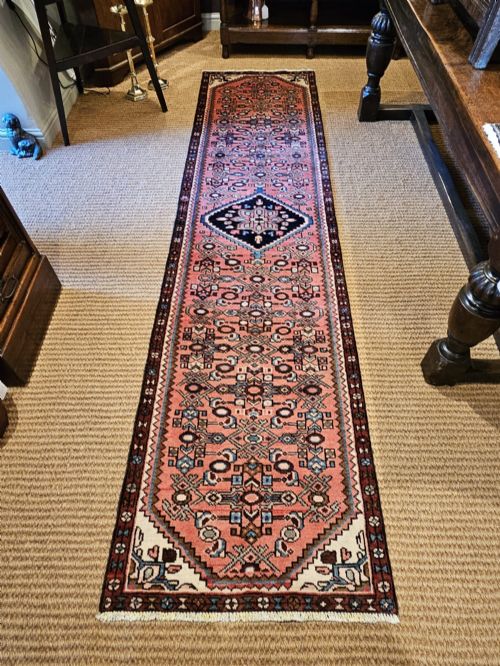
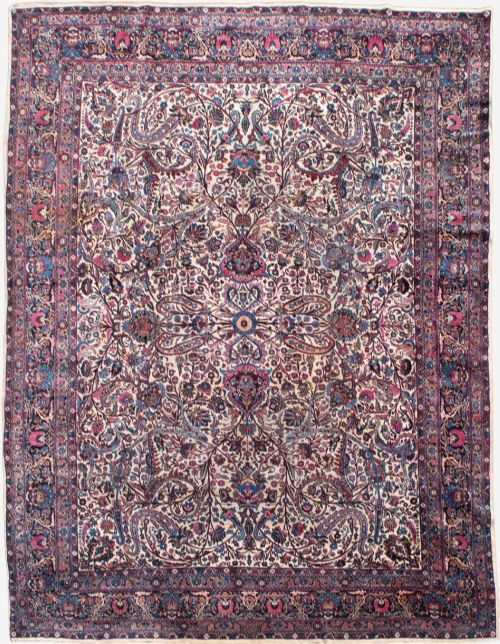
The pieces available here lean heavily into traditional regional styles including Oushak, Kirman, Hamadan, and Heriz. Buyers encounter formats labelled by specific tribal and town names, reflecting distinct geographic weaving centres.
Dating primarily from the 1870s through the 1930s, these floor coverings utilise traditional wool pile construction on cotton or wool foundations. Each piece carries the distinct palette and pattern vocabulary of its specific origin.
How they were made
The materials recorded in these listings are wool and cotton, utilised for pile, warp, and weft threads. Weavers knotted wool yarn by hand onto supportive foundations, creating dense, durable surfaces intended for heavy domestic use.
Natural dyeing techniques produced the characteristic soft pink grounds and muted secondary tones seen across Turkish Oushaks and Persian Kirmans. Hand-woven construction methods ensure that each carpet possesses slight irregularities inherent to traditional artisanal production.
Listings span across the nineteenth century and the early decades of the twentieth century, up to 1930.
What varies in quality
Quality separates through the fineness of the knot count and the precision of the drawing within the design. Tighter knots allow for sharper pattern definition and greater resilience under foot traffic.
The balance and harmony of the natural dye palette also determine distinction, where softer, well-integrated secondary tones elevate the overall visual impact. Furthermore, the integrity of the original wool pile and structural foundations dictates the enduring grade of each textile.
The Pink Wool Oriental Rug Glossary
- Pile
- The upright yarn loops or tufts forming the functional soft surface of the rug. This wool layer absorbs wear and displays the woven pattern.
- Warp
- The vertical foundation threads stretched tightly on the loom before knotting begins. Cotton or wool warps provide the primary structural skeleton.
- Weft
- The horizontal threads passed between rows of knots to secure the pile in place. These transverse strands stabilise the entire woven fabric.
- Runner
- A long, narrow carpet format designed specifically for corridors, hallways, or staircases. These pieces balance linear spaces with concentrated pattern work.
Pink Wool Oriental Rug: Frequently Asked Questions
Where should I place a large carpet?
Large room-sized carpets suit principal living spaces or dining rooms where furniture can rest partially or entirely upon the field.
Ensure adequate clearance around the perimeter to display the outer borders and maintain balanced proportions in the room.
How do I care for antique wool rugs?
Regular gentle vacuuming without a rotating brush roll prevents dust accumulation within the wool pile. Professional specialist cleaning remains essential for maintaining the integrity of natural fibres and dyes.
Rotate the rug periodically to distribute foot traffic and sunlight exposure evenly across the surface.
What causes a distressed appearance?
Natural age, historical foot traffic, and gentle wear over decades create a faded, low-pile texture known as distressed. This condition softens the initial brightness of the dyes and adds a subdued character.
Many collectors appreciate this softened look because it integrates smoothly into lived-in interiors.
How do I identify regional rug styles?
Regional attribution relies on observing specific motifs, border arrangements, and structural materials recorded in the weave. For example, Oushak carpets often display large-scale floral forms, whilst Heriz pieces feature geometric medallions.
Comparing knot direction and foundation materials helps narrow down the origin.