




Authentic Kurdish Rug
An authentic kurdish rug brings genuine tribal character and enduring craft into a room, offering rich geometric designs rooted in nomadic weaving traditions.
Authentic Kurdish Rug
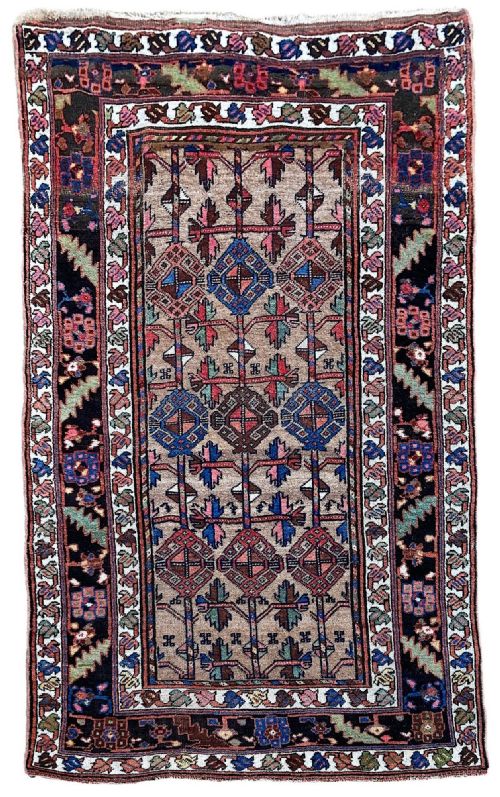
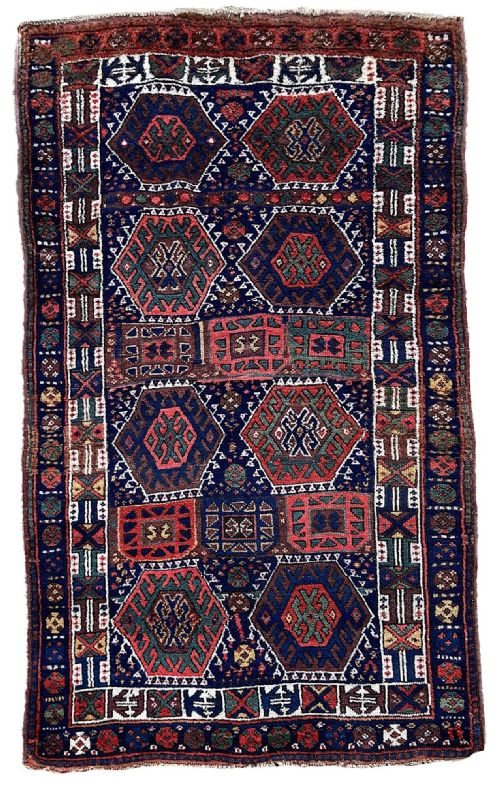
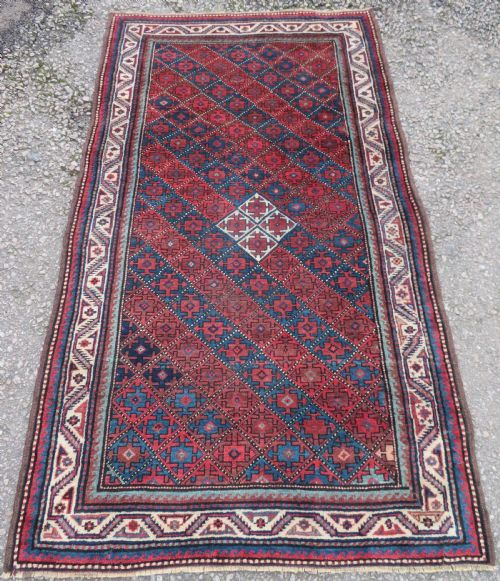
When you search for an authentic kurdish rug, you encounter hand-knotted tribal textiles originating from distinct weaving regions across Persia, Anatolia, and the Caucasus. These pieces include area rugs, elongated runner rugs, and bag faces produced by nomadic and village weavers across the nineteenth and early twentieth centuries.
The selections available here reflect traditional Kurdish, Persian tribal, and Anatolian tribal styles. You will find standard room-size formats alongside narrow runners and substantial carpet proportions dating from eighteen-fifty to nineteen-twenty.
Geographic origins span specific localities such as Eastern Anatolia, North East Persia, and North West Persia, often featuring distinctive regional motifs, figures, and deep blue ground colourings.
How they were made
Weavers relied primarily on wool and hand-spun wool for the pile, combined with cotton foundations to ensure structural stability across the rugs and runners. Natural dyes provided the deep and enduring palette seen in these tribal works.
The construction methods reflect traditional village and nomadic hand-knotting techniques, producing dense textile surfaces designed to withstand generations of domestic use.
The listings here feature wool, hand-spun wool, natural dyes, and cotton across pieces dated from eighteen-fifty to nineteen-twenty.
What varies in quality
Quality in these tribal textiles depends upon the fineness of the knotting and the precision of the geometric design execution. Earlier nineteenth-century examples often demonstrate exceptional technical mastery and depth in their natural dye usage.
The integrity of the wool pile and the survival of the original outer borders also distinguish superior examples. Pieces preserving their full dimensions, whether standard rugs or long runners, hold greater visual impact.
The Authentic Kurdish Rug Glossary
- Bag face
- The front panel of a utilitarian nomadic storage sack, woven with decorative pile and preserved as a small decorative rug.
- Runner rug
- An elongated format designed for corridors, hallways, or narrow spaces, often featuring repeated geometric medallions.
- Natural dye
- Colourants derived from plant and mineral sources prior to the widespread introduction of synthetic alternatives.
- Kelleh
- A large format carpet proportion traditionally produced in Persian weaving regions for specific room layouts.
- Tribal
- A designation for rugs produced by nomadic or village communities following traditional regional patterns rather than urban workshop designs.
Authentic Kurdish Rug: Frequently Asked Questions
Where were these rugs made?
These textiles originate from traditional weaving regions spanning Eastern Anatolia, the Caucasus, and northern Persia. Nomadic and village communities produced them across various local tribal groups.
The specific origins often influence the palette and geometric vocabulary found within the wool pile.
How do I use a runner rug?
Runners provide a durable and decorative floor covering for narrow interior spaces such as hallways, corridors, or alongside beds. Their elongated format suits high-traffic areas.
Ensure you place a suitable underlay beneath the textile to protect the cotton foundation and prevent slipping.
What is a bag face?
A bag face represents the decorative front portion of a nomadic pack bag, separated from its utilitarian plain-weave back. Weavers lavished their finest knotting and design work on these panels.
Today, collectors frame or use these smaller square textiles as compact accent rugs.
How are periods identified?
Dating relies on stylistic analysis, material evaluation, and structural characteristics such as hand-spun wool and natural dye palettes. Pieces span the mid-nineteenth century through the early twentieth century.
Comparative study of regional motifs helps narrow the estimated decade of production.