



Pink Marble Urn Stand
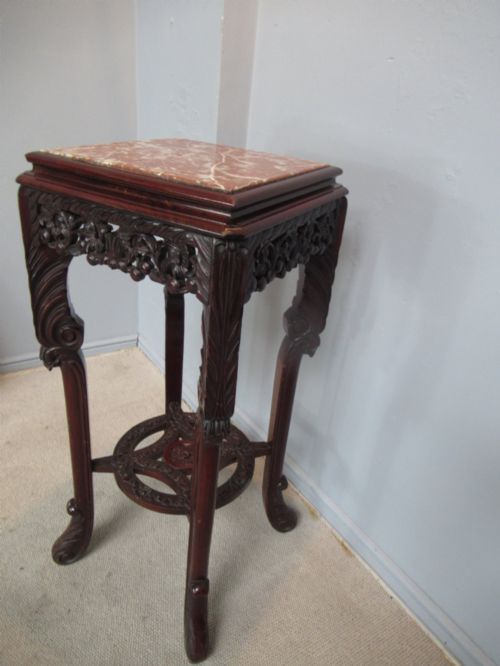
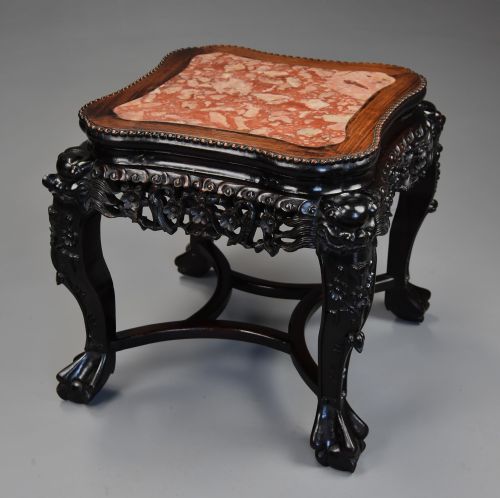
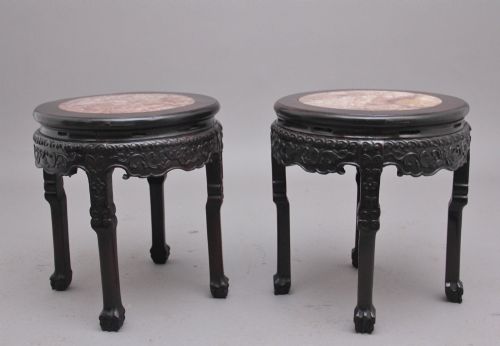
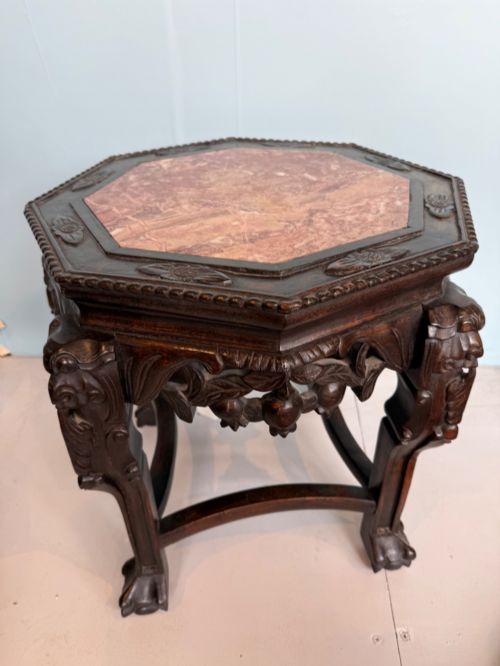
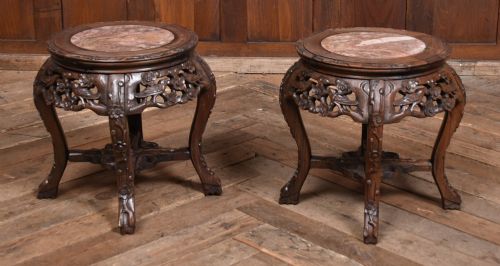
These pink marble urn stand examples combine carved hardwoods with inset stone to elevate heavy vessels.
Pink Marble Urn Stand
When you search for a pink marble urn stand, you encounter pedestals, jardiniere tables, and low stands designed to display heavy vessels. These pieces originate predominantly from Chinese workshops during the nineteenth century, alongside Victorian English interpretations.
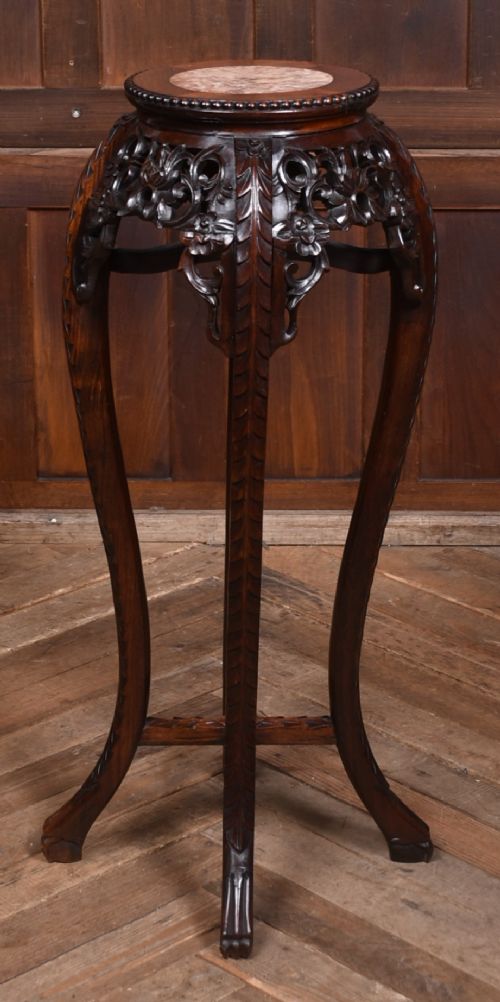
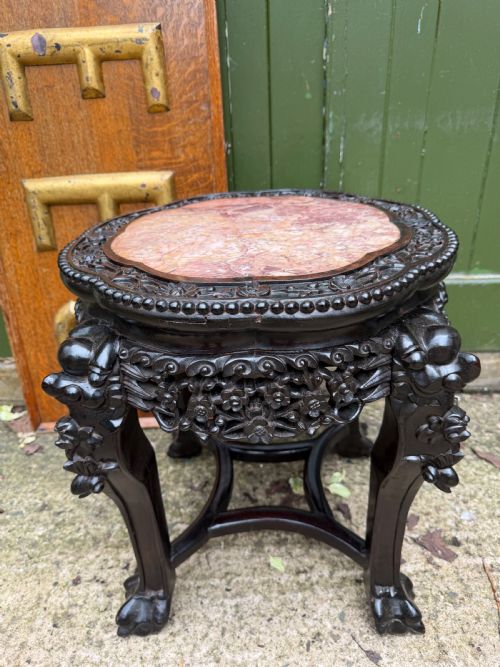
The form typically comprises a circular or shaped inset top supported by carved wooden legs, often standing at heights suitable for plants, vases, or lamps. Chinese export pieces dominate the selection, featuring traditional carving techniques adapted for Western drawing rooms.
Materials and construction
Craftsmen built these pieces using dense timbers such as rosewood, hongmu, and ebonised hardwood, joined to support the considerable weight of stone inserts. The stone itself typically appears as variegated rouge or pink marble, friction-fitted into a channeled wooden frame.
Carving was executed by hand, utilising deep relief work depicting floral motifs, scrolling tendrils, and animal forms around the apron and legs. Joinery often relied on traditional mortise and tenon techniques without metal fasteners.
The listings span multiple decades of the nineteenth and early twentieth centuries, recording materials from basic hardwood to rosewood and rouge marble.
Distinctions in craftsmanship
The depth and crispness of the wood carving separate standard items from finer examples, with superior pieces showing undercut foliage and clean detailing on the legs. The selection of the marble insert also dictates worth, particularly where the pink or rouge veining displays striking natural patterns without heavy repairs.
Structural integrity depends on the weight and seasoning of the underlying hardwood, where heavier rosewood timbers command greater respect than lighter ebonised substitutes. Matching pairs naturally carry distinct advantages over single survivors due to the difficulty of sourcing identical stone slabs.
The Pink Marble Urn Stand Glossary
- Hongmu
- A traditional Chinese term for dense hardwoods, often translated as red wood. These heavy timbers were favoured for high-status furniture during the Qing Dynasty.
- Jardiniere
- A large ornamental pot or stand designed for holding plants or flowers. These items form a core category within nineteenth-century export furnishings.
- Rouge marble
- A deep reddish or pink variety of limestone with prominent white or grey veining. It provides a smooth, contrasting surface inset into carved wooden table tops.
- Meiji Period
- The era in Japanese history spanning from 1868 to 1912, occasionally represented among these eastern export stands. Pieces from this time share technical similarities with contemporaneous Chinese production.
Pink Marble Urn Stand: Frequently Asked Questions
What were pink marble urn stands used for?
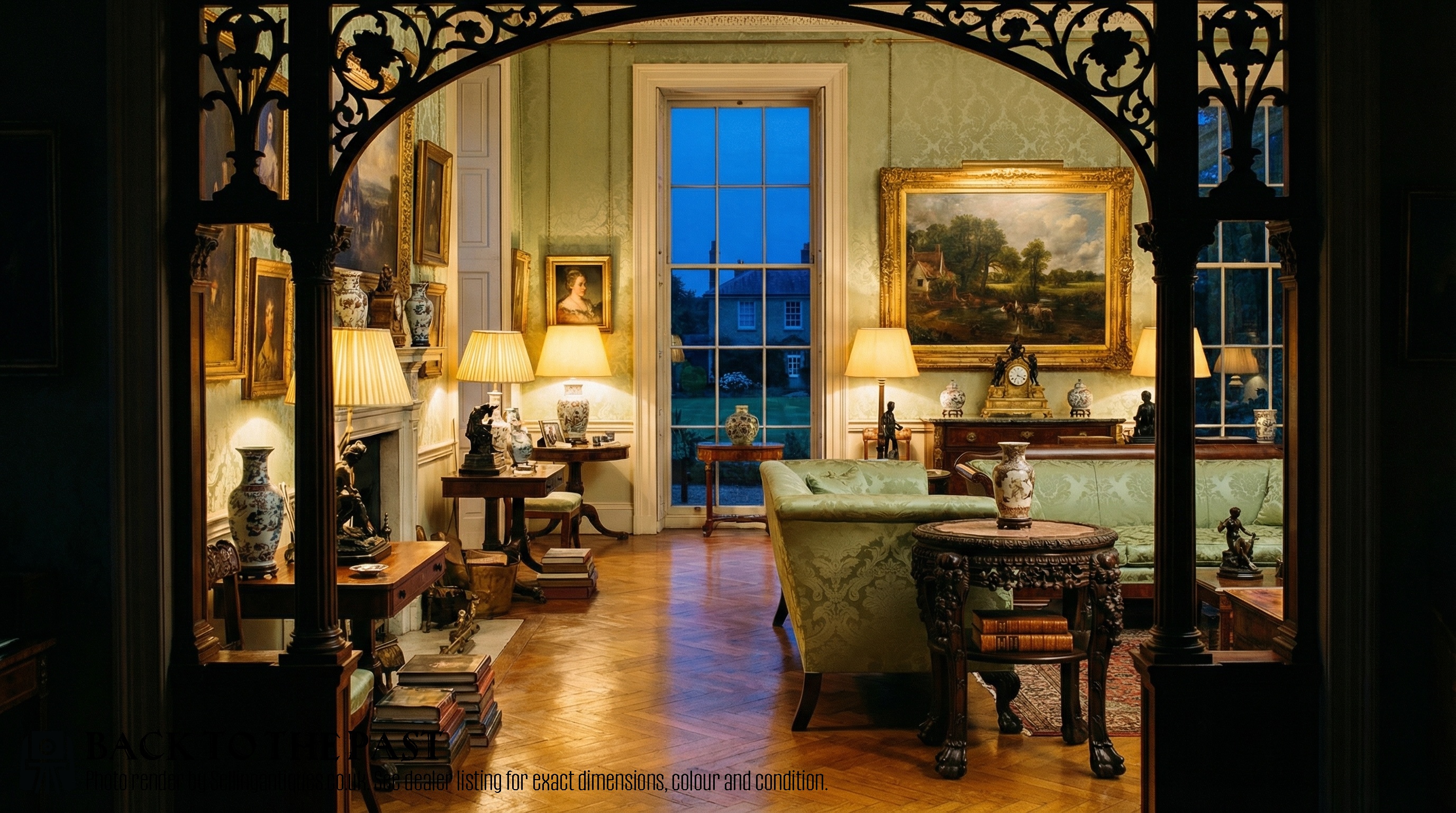
These pieces served primarily to elevate heavy ceramic vases, bronze urns, and indoor plants above floor level. Placing heavy items on stone inserts prevented water damage and heat marks on delicate flooring.
In nineteenth-century interiors, they populated drawing rooms and conservatories as functional display furniture. Their robust construction handled the substantial weight of large decorative objects safely.
How do I date a Chinese hardwood stand?
Dating relies heavily on the style of carving, timber density, and construction methods visible beneath the frame. Nineteenth-century examples typically exhibit hand-carved joinery and patination acquired through decades of handling.
Later reproductions often use machine-cut joints and modern adhesives that lack the organic shrinkage of antique timber. Comparing the grain of the rosewood or ebonised hardwood against documented pieces helps confirm the period.
Are all the marble tops pink?
The marble inserts vary across a spectrum of red, rouge, pink, and variegated grey tones rather than a uniform hue. Natural mineral deposits within the stone create distinct patterns that differ on every individual top.
Sellers often describe these reddish stones as rouge marble or pink marble interchangeably. Each slab was selected to complement the dark tones of the surrounding hardwood.