


Pink Plate
A pink antique plate brings cabinet-ready colour and hand-painted ceramic craft from eighteenth and nineteenth century kilns directly to a modern room.
Pink Plate
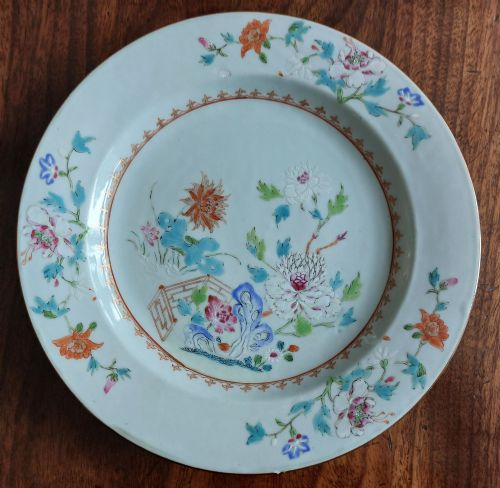
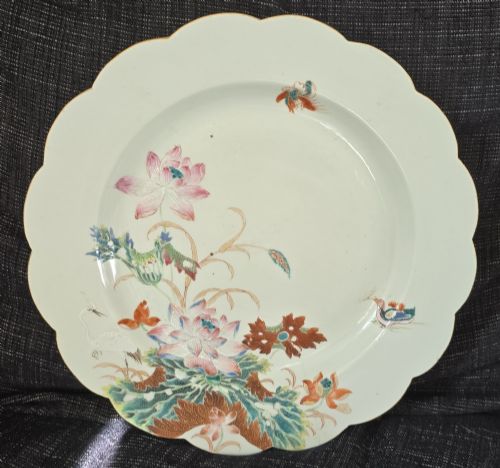
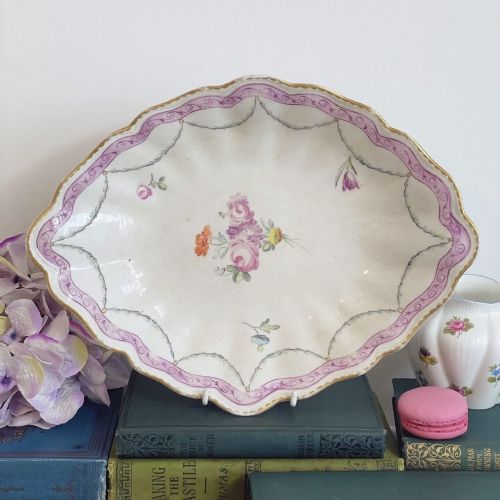
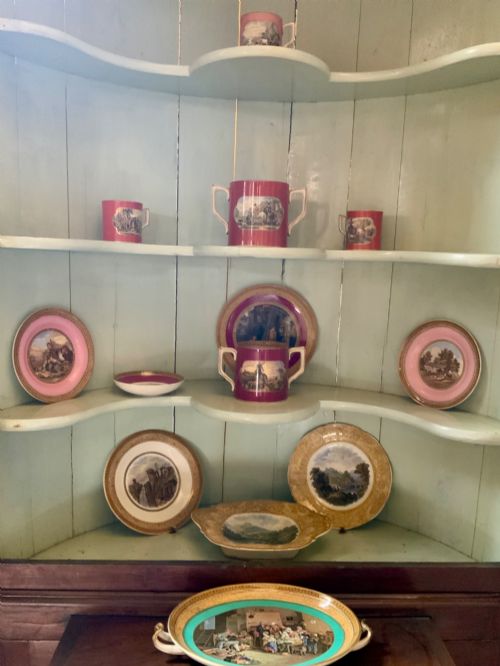
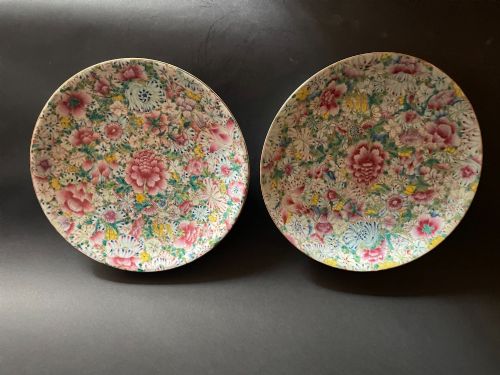
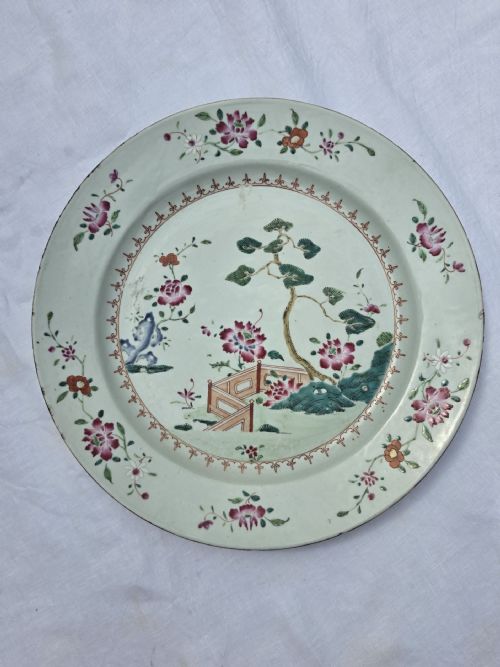
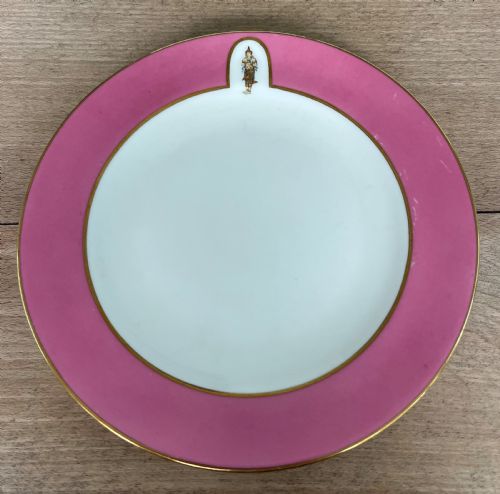
A pink antique plate covers table wares and cabinet pieces finished with rose grounds, pink enamel, or puce painting originating across eighteenth and nineteenth century European and Asian kilns. Buyers find various forms here ranging from English porcelain dessert services to Chinese export chargers decorated with famille rose pigments.
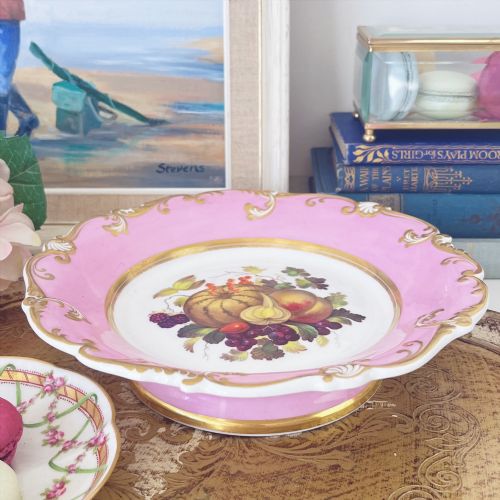
Most examples meet on this page as decorative plates, cabinet plates, and serving dishes spanning Georgian, Victorian, and Edwardian eras. These ceramics combine functional tableware origins with intricate pictorial painting in pink, crimson, and puce tones.
How they were made
Potters shaped these vessels from paste porcelain, earthenware, or faience before applying glaze and firing the pieces in kilns. Artisans then added hand-painted enamel designs, sometimes incorporating gold leaf, gilding, or silver-plated mounts.
Specialised decorators hand-painted floral motifs, armorials, or narrative scenes using mineral pigments fixed during subsequent low-temperature kiln firings. Certain factories also utilised transfer printing beneath the glaze or applied raised enamel jewel effects by hand.
Listings feature items from the 18th Century, 19th Century, and Edwardian periods utilising porcelain, cranberry glass, and enamel.
What varies in quality
Quality rests upon the precision of the hand-painting, the crispness of the porcelain body, and the prestige of the manufacturing house. Pieces signed by notable painters or produced by celebrated factories command greater attention from collectors.
The complexity of the enamel work and the preservation of any gilding or gold leaf determine the distinction between standard utilitarian wares and fine cabinet pieces. Intricate polychrome detail and scarce armorial commissions elevate individual plates above basic floral patterns.
H & R Daniel·Derby·Cauldon Ltd·Kornilov Brothers·Minton·Chamberlain Worcester·Royal Worcester·Grainger Worcester·Spode·Furstenberg
The Pink Plate Glossary
- Puce
- A brownish-purple or pinkish-purple enamel colour used extensively in eighteenth and nineteenth century ceramic painting. It appears frequently in fine monochromatic monochrome landscape scenes.
- Famille Rose
- A palette of opaque enamel colours dominated by pink or rose tones, introduced to Chinese porcelain during the Qing dynasty. This grouping includes numerous export dishes and armorial plates.
- Armorial
- A ceramic service or plate decorated with a specific family coat of arms. These bespoke commissions were often exported from China to European buyers during the eighteenth century.
- Comport
- A raised decorative dish or tazza used for serving fruit or sweetmeats at dessert. They often match smaller cabinet plates within larger dining services.
Pink Plate: Frequently Asked Questions
How are these plates dated?
Makers' marks stamped or painted on the reverse often identify the factory and active production period. Stylistic cues such as border designs, paste composition, and hand-painted motifs help narrow down the decade.
Comparison with documented examples from factories like Minton or Derby provides further chronological context. Archival records match specific floral hands and armorial commissions to exact eras.
Were they used for dining?
Many examples began as functional tablewares for dessert courses, fruit displays, or formal banquets. Wealthy households deployed specialised plates and comports during multi-course dining rituals.
Over time, finer cabinet plates transitioned into display items kept in glass-fronted furniture. Their delicate enamel and gold leaf decoration made daily dining impractical for surviving specimens.
What is Chinese export porcelain?
Chinese export porcelain refers to ceramics manufactured in China specifically for Western markets from the seventeenth through the nineteenth centuries. These wares combined traditional Eastern potting techniques with shapes and coats of arms requested by European clients.
Famille rose plates and armorial dishes frequently arrived via trade fleets operating through Guangzhou. European buyers prized the thin paste and vibrant pink enamel palettes.
How should I display them?
Cabinet plates suit display within enclosed shelving, wall-mounted plate hangers, or dedicated display stands. Stable environments away from direct sunlight protect fragile enamel pigments and delicate gilding.
Larger chargers and comports anchor tabletop arrangements or sideboard displays alongside complementary glassware and ceramics. Careful placement ensures the hand-painted motifs remain visible from primary angles.