


Gilt Rim Decorative Plate
These gilt rim decorative plate pieces bring hand-painted artistry and shining edges to any display space, sourced from Victorian days through the twentieth century.
Gilt Rim Decorative Plate
A gilt rim decorative plate offers a rich visual anchor for a room, combining painted scenes with shining metallic borders. You will find cabinet plates, wall chargers, and dessert dishes designed primarily for display rather than dining.
Most examples you meet here originate from established factories of the nineteenth and twentieth centuries, spanning Victorian, Edwardian, and later periods. The forms range from standard cabinet plates to larger chargers and pairs by noted English and continental makers.
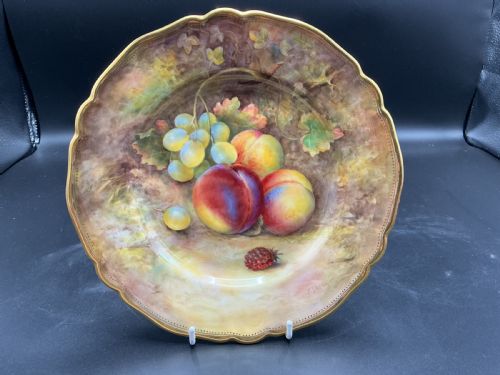
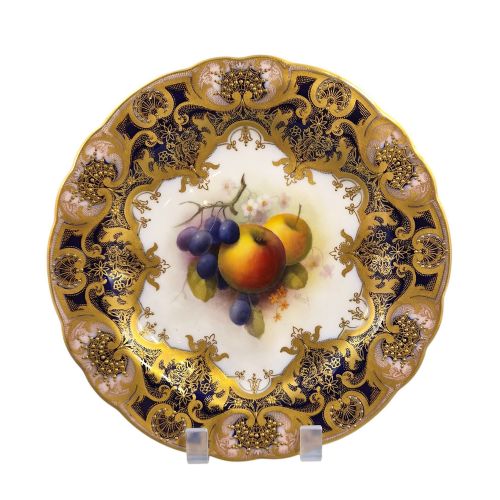
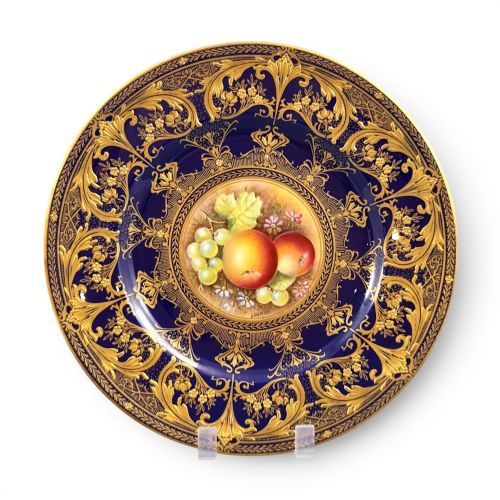
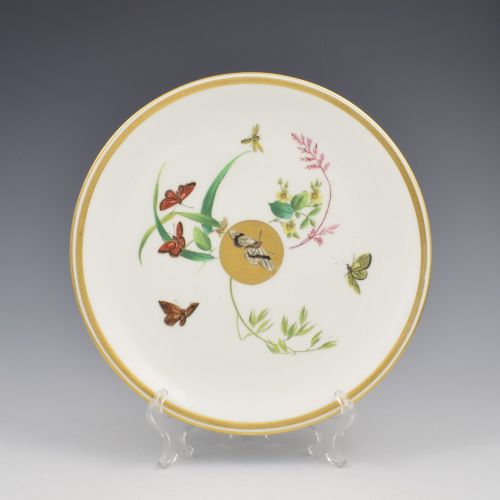
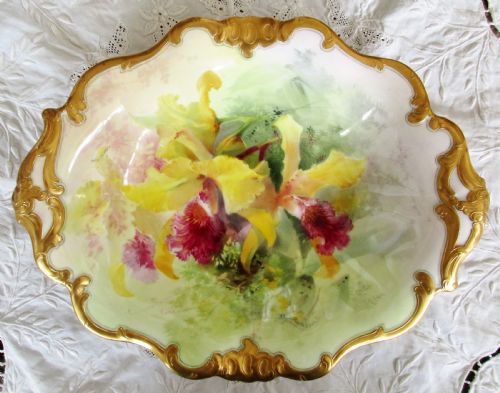
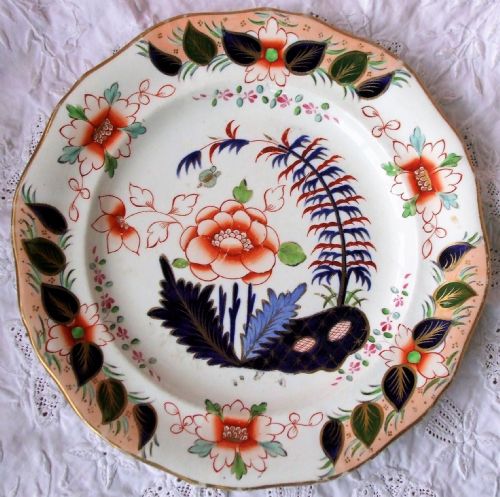
These items were intended to showcase the skill of notable painters rather than serve everyday meals. They often feature floral arrangements, fruit studies, or Japanese-inspired motifs framed by gilded edges.
How they were made
Makers shaped these items from porcelain, bone china, ironstone, and ceramic before applying detailed hand-painted scenes in enamel colours. The painted surfaces were then fired to fix the pigments permanently into the glaze.
Gold leaf, gilt, and gilding were applied by hand to the rims and borders, creating a bright metallic finish that frames the central artwork. This precious metal application required careful kiln firing to bond securely with the ceramic body.
Several artists clearly loved painting fruit so much they squeezed entire orchards onto single plates.
What varies in quality
The standard of painting separates standard factory output from pieces worked by named artists. Hand-painted fruit, floral studies, and detailed Japanese motifs demand exceptional brushwork that elevates a dish above simple transfer-printed wares.
The weight and refinement of the porcelain body, alongside the depth and coverage of the gilding on the rim, indicate the grade of manufacture. Pieces bearing signatures from known porcelain painters command greater attention from collectors.
Royal Worcester·Royal Doulton·John Davenport of Longport·Coalport·Meissen·Crescent China·Fukagawa
The Gilt Rim Decorative Plate Glossary
- Cabinet plate
- A decorative dish intended for display in a glass-fronted cabinet rather than use at the table. These pieces usually feature elaborate painted scenes and gilt borders.
- Gilding
- The application of gold leaf or gold paint to the rim of a ceramic piece. This technique adds a reflective metallic border that highlights the central design.
- Ironstone
- A heavy, durable type of ceramic developed in the nineteenth century to imitate porcelain. It provides a sturdy base for complex patterns like Imari designs.
- Bone china
- A type of porcelain containing bone ash, known for its high strength, chip resistance, and translucent quality. It allows for thin, refined plate rims.
- Enamel
- Opaque glass-like paint applied to the surface of fired ceramics to create colourful pictorial scenes. These pigments are fused to the glaze through a secondary low-temperature firing.
Gilt Rim Decorative Plate: Frequently Asked Questions
How do I display a gilt rim decorative plate?
These plates suit wall mounting with specialised wire hangers or placement in shallow display grooves inside cabinets. Ensure the gilt rim is protected from friction against mounting brackets.
Keep them away from direct sunlight to preserve the vibrancy of the hand-painted enamels and prevent fading on the ceramic surface.
Were these plates used for dining?
Most examples function as cabinet plates or wall chargers intended strictly for visual display. Their delicate painted surfaces and precious metal rims mean they were rarely subjected to daily meals.
Plates marked as dessert dishes or manufactured in ironstone saw occasional table service, but delicate porcelain pieces remained decorative items from creation.
How do I tell Victorian pieces from later ones?
Victorian examples often embrace Aesthetic Movement styles, deep Imari palettes, or ornate Rococo revival forms. Factory marks on the underside help establish exact production decades.
Twentieth-century pieces tend towards naturalistic fruit studies and signed artist works, reflecting shifting tastes in ceramic decoration up through the nineteen-seventies.
What causes wear on the gilt rim?
Frequent handling, improper cleaning using abrasive materials, and metal plate hangers can wear down the applied gold leaf over decades. Gentle dusting with a dry cloth preserves the remaining metallic finish.
Natural ageing and light friction contribute to thinning on the outermost edges of the rim, particularly on older nineteenth-century examples.