


English Porcelain Bird Plate
An English porcelain bird plate brings hand-painted avian subjects to the table, offering a glimpse into historic ceramic artistry.
English Porcelain Bird Plate
When you search for an English porcelain bird plate, you are looking at historic ceramic tableware decorated with hand-painted or enamelled avian subjects. These pieces range from cabinet plates and dessert dishes to serving platters and soup plates produced across various periods.
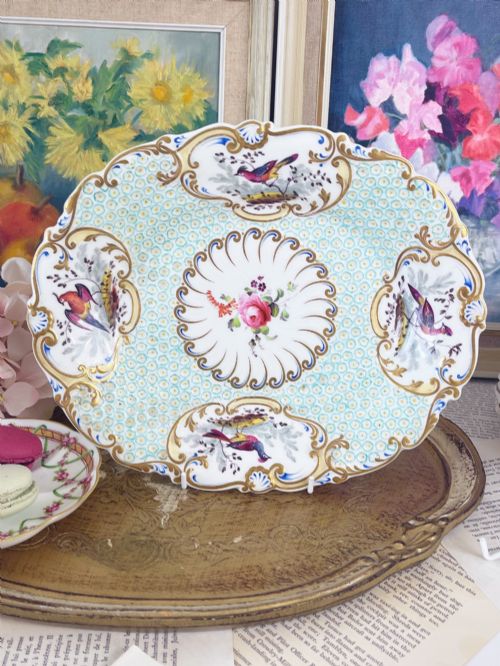
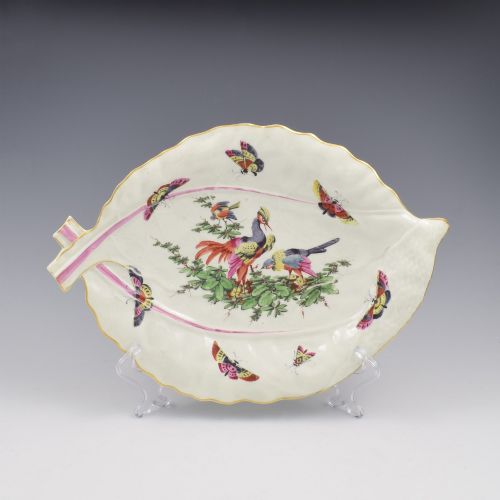
The versions you are most likely to meet on this page span the 18th century through to the 1920s, with strong representation from the Regency and Victorian eras. Forms include leaf dishes, shell dessert dishes, and oval serving dishes decorated with fancy birds, lapwings, and common terns.
Makers represented in these listings include historic factories such as Worcester, Coalport, Wedgwood, and Davenport. Each piece reflects the dominant style of its era, from Georgian and Regency Chinoiserie to Edwardian and Victorian production.
Materials and methods
The manufacture of these pieces relies on ceramic bodies including soft-paste porcelain, bone china, and stone china. Factories shaped these materials into plates and dishes before applying meticulous hand-painted details.
Decoration incorporates enamel colours alongside gold leaf and gilding to highlight the bird motifs and border details. Earlier pieces often utilise cobalt blue grounds, such as wet blue, framing the central painted scenes.
Historic ceramic birds on these plates often stare out with an intense, permanent curiosity, regardless of whether they represent a common tern or a fancy bird.
Understanding quality
The standard of painting defines the division between ordinary production and superior work on these ceramics. Skilled artists rendered plumage with fine brushwork and anatomical precision, whereas lesser pieces show hurried or schematic execution.
The complexity of the ceramic body and the application of gilding also separate standard items from finer examples. First-period Worcester porcelain and early Wedgwood bone china demonstrate superior paste preparation and sophisticated glaze finishes compared to later mass-produced wares.
H & R Daniel·Wedgwood·Dr Wall Worcester·Coalport·Grainger & Co Royal Worcester·Flight, Barr & Barr·Crescent China·Davenport
The English Porcelain Bird Plate Glossary
- Soft-Paste Porcelain
- An early ceramic composition fired at lower temperatures than true porcelain, yielding a warm, creamy body. It was widely used by 18th-century English factories before bone china became dominant.
- Bone China
- A type of porcelain incorporating animal bone ash, producing a strong, white, and translucent body. It became a staple of English ceramic production during the Regency period and beyond.
- Wet Blue
- An underglaze cobalt blue ground applied to porcelain before firing, often associated with 18th-century Worcester production. It creates a rich, mottled backdrop for painted panels.
- Enamel
- Opaque glass-like pigments fused to the glazed ceramic surface during a secondary low-temperature kiln firing. This technique allowed vibrant, multi-coloured bird decoration.
- Gilding
- The application of gold leaf or gold paint to the rims and borders of plates to enhance their decorative appeal. On finer pieces, this gold is often burnished to a soft shine.
English Porcelain Bird Plate: Frequently Asked Questions
How do I date an antique bird plate?
Dating relies on identifying factory marks on the reverse, alongside stylistic clues such as the shape of the dish and the composition of the ceramic body. Soft-paste porcelain and specific hand-painted motifs often point towards 18th-century production, while bone china and certain transfer-printed or enamelled borders suggest the Regency or Victorian eras.
Comparing the painting style and gilding techniques to documented pieces by makers like Worcester or Wedgwood helps narrow down the decade of manufacture. Examining the wear on the foot rim also provides an indication of age.
Were these plates used for dining?
Many of these pieces were created for dessert courses, serving dishes, or formal display in cabinets rather than everyday family meals. Dessert dishes and shell-shaped plates held sweetmeats or fruit at the conclusion of a grand dinner.
Larger platters and oval serving dishes functioned at the table for presentation before being retired to cabinet display as they aged. Their delicate enamels and gold leaf meant they were treated with considerable care.
How should I display bird plates?
Displaying these plates requires secure wall hangers or dedicated plate stands designed to support the weight of the ceramic without putting pressure on the rim. Placing them away from direct sunlight protects the hand-painted enamels and gold leaf from fading over time.
Grouping plates by factory, such as Worcester or Coalport, or by subject matter like British birds creates an effective visual display. Ensuring proper lighting highlights the fine brushwork of the avian subjects.
What is the difference between bone china and soft-paste?
Soft-paste porcelain is an 18th-century ceramic mixture containing glass frit and white clay, fired at lower temperatures to produce a slightly creamy body. Bone china includes calcined bone ash, resulting in a whiter, harder, and more translucent material.
Bone china plates generally feel denser and show greater resistance to chipping than their 18th-century soft-paste predecessors. Both bodies provide an excellent smooth white surface for detailed bird painting.