
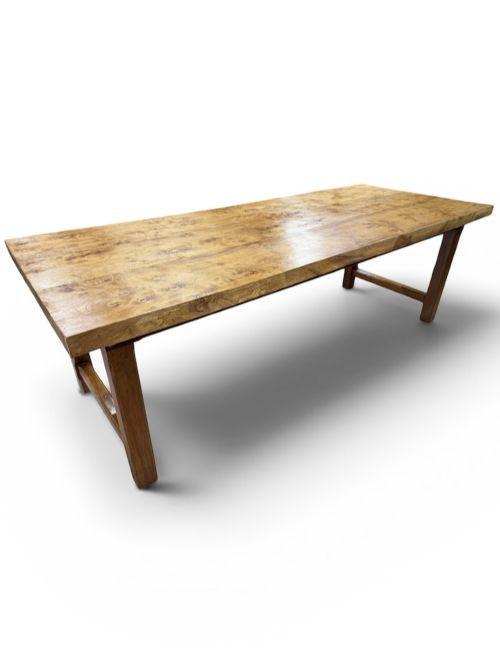
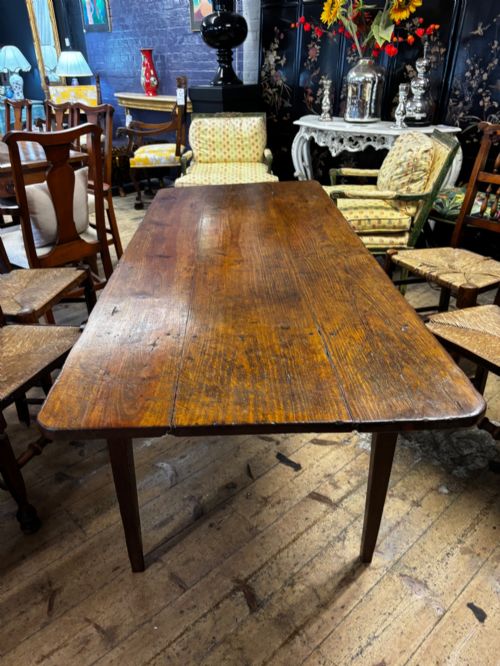
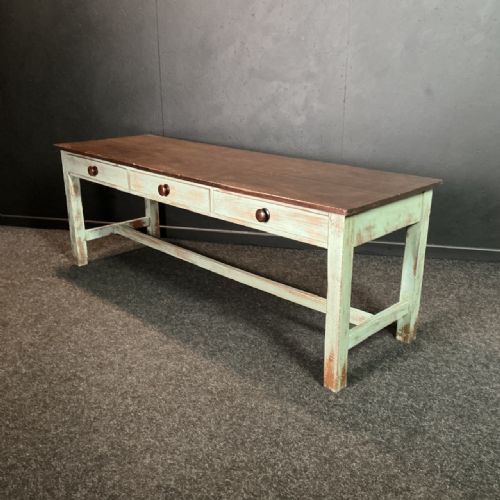
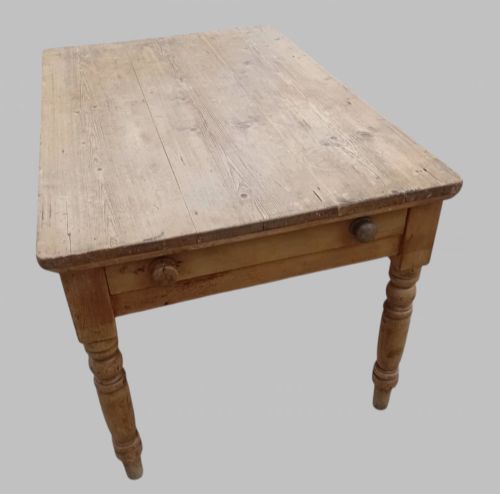

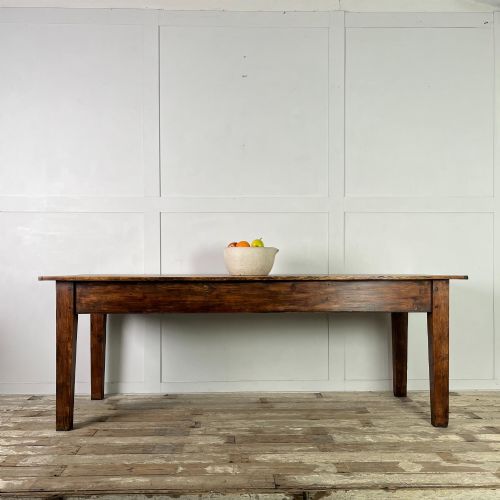
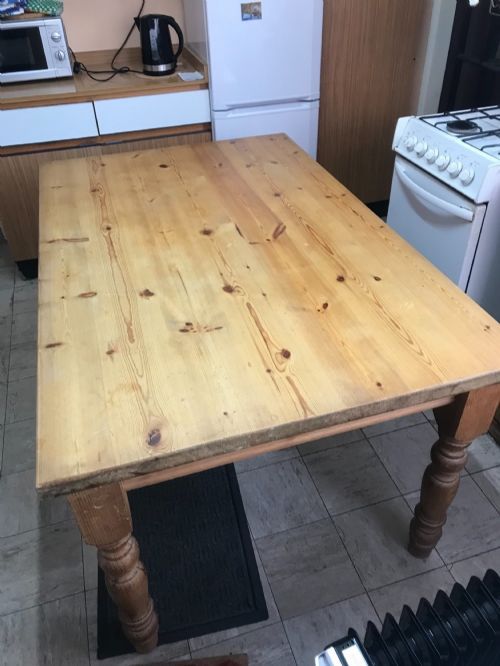
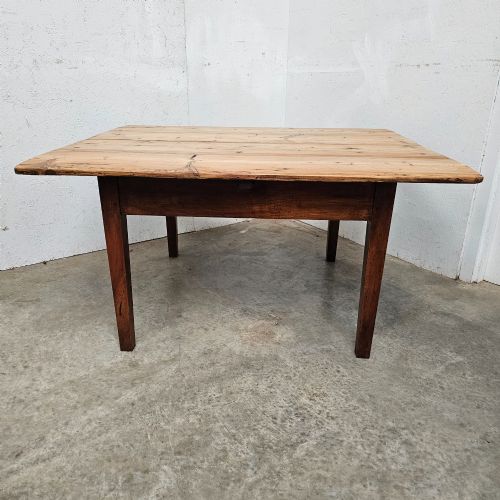
Pine Top Dining Table
A pine top dining table brings enduring utility and robust warmth to the domestic interior, combining resilient timber boards with solid historical character.
Pine Top Dining Table
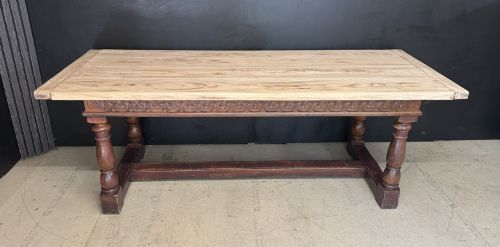
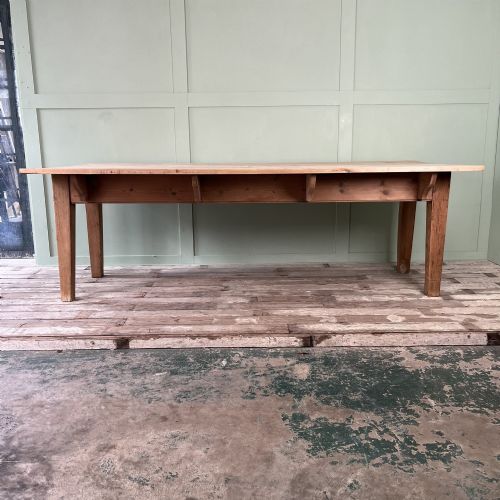
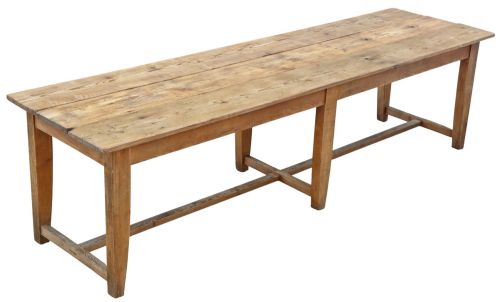
A pine top dining table typically presents as a substantial piece designed for heavy domestic use, originating frequently from the nineteenth century or the Victorian period. These items appear across various regional styles, including rustic farmhouse, French provincial, and Scandinavian country forms.
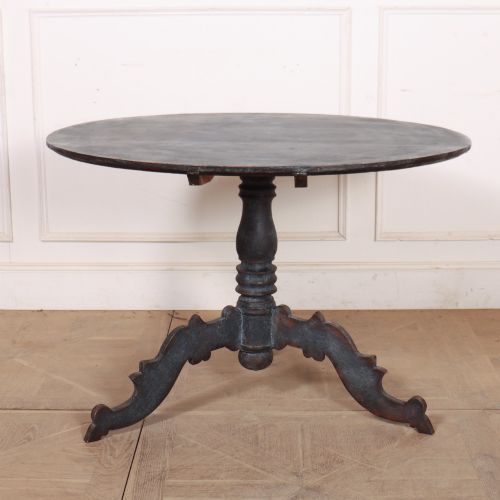
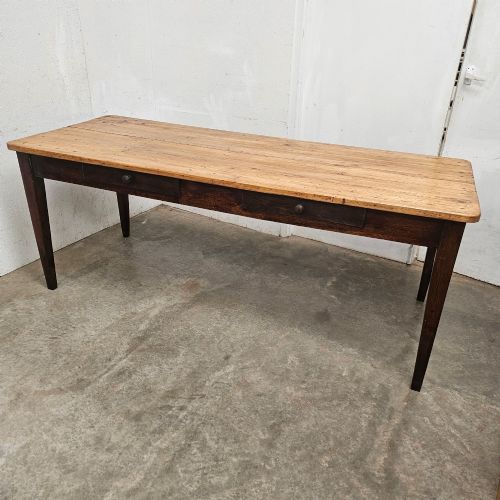
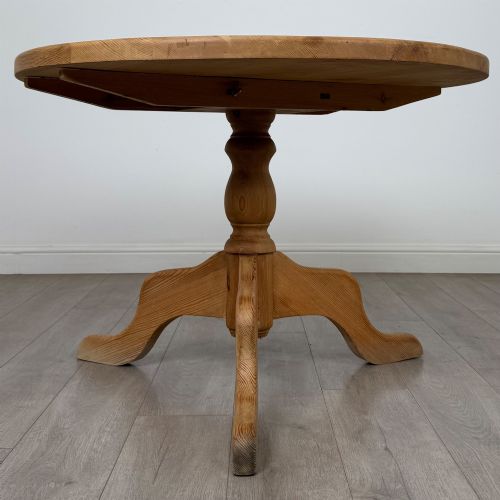
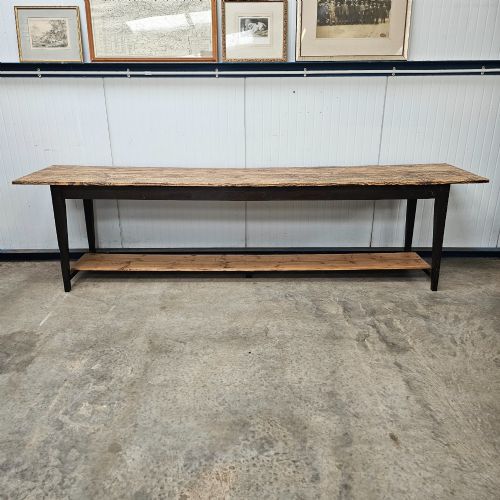
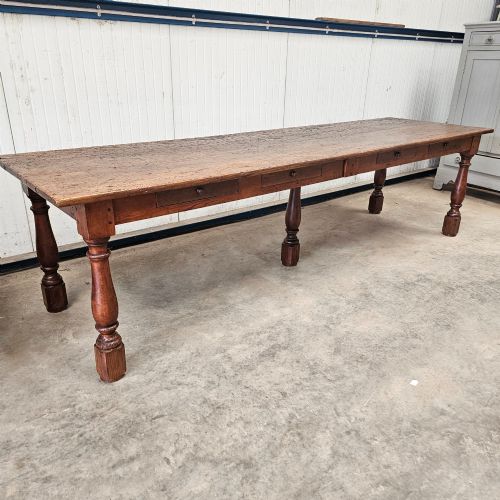
The buyer meets many variations on this page, ranging from standard rectangular kitchen tables and refectory formats to harvest tables, tavern tables with X frames, and breakfast tables with tilt mechanisms. Many examples feature practical additions such as single or multiple drawers beneath the timber surface.
Origins span English, Welsh, French, and Swedish workshops, utilising softwoods often paired with hardwoods like oak, fruitwood, or elm for structural support. These items served primarily in working kitchens, dairies, and country houses before finding a place in modern dining spaces.
Construction and materials
Makers constructed these surfaces using wide pine planks joined together, often employing cleated ends to prevent warping across the timber grain. The undersides and bases frequently utilise alternative woods such as oak, pitch pine, or fruitwood to provide necessary rigidity for daily dining.
Surfaces frequently show the effects of historical scrubbing with water and stone, which eroded the softer rings of the pine to leave a textured scrub top. Painted finishes on the legs and aprons appear in various layers, utilising traditional pigments like red paint or subsequent coats applied over decades of use.
Pine Top Dining Table Retail Price Guide 2026
Typical asking prices for pine top dining table among the pieces listed under this phrase on Sellingantiques today, from the lower quarter to the upper quarter. They describe what is for sale here now, not the wider market.
Several tables retain drawers specifically sized to store table linens, cutlery, or dairy implements from their working kitchen origins.
Determining quality in older tables
Quality rests heavily on the thickness and integrity of the timber top, where deep scrub boards and minimal historical splitting indicate superior material selection. The joinery of the base, whether through sturdy trestles, turned legs, or iron and brass supports, dictates the overall stability of the structure.
Proportion and scale also distinguish finer pieces, particularly in longer refectory or harvest formats that retain their original untrimmed proportions. The presence of integrated storage drawers with original handles and untouched painted surfaces on the lower frame further elevates the standing of an individual piece.
The Pine Top Dining Table Glossary
- Scrub top
- A bare wooden surface cleaned repeatedly with water and sand or stone, creating a pale, textured finish. This process wears away the softer summer growth rings of the pine.
- Refectory table
- A long, narrow dining table historically used in communal dining halls. These examples often feature stretcher bases for added stability.
- Cleated ends
- Wooden battens fixed across the ends of plank tops to prevent warping and movement in the timber. They maintain the flatness of the surface over extended periods.
- X frame
- A structural base design forming an intersection beneath the table top. This configuration appears frequently on tavern and trestle tables for increased lateral support.
- Pitch pine
- A durable resinous softwood derived from pine species, utilised for its strength and resilience. It often exhibits a darker hue and prominent grain patterns compared to standard pine.
Pine Top Dining Table: Frequently Asked Questions
How do I clean a scrub top?
Maintain the dry, pale finish of an unsealed surface by using a stiff brush and mild soapy water, following the direction of the grain. Avoid excessive moisture and harsh chemical sealants that alter the historic texture of the wood.
Allow the timber to dry completely in a well-ventilated space after cleaning to prevent warping in the historical planks. Regular dry dusting remains the best method for daily upkeep.
Are these tables suitable for daily use?
These pieces were built for rigorous domestic environments in kitchens and farmhouses, making them exceptionally durable for modern dining. The robust construction handles daily family life while accommodating standard seating arrangements.
Using heat mats and protective pads helps preserve the antique surface from excessive wear and liquid rings. The existing patina absorbs minor marks gracefully over time without losing its character.
How can I tell the period?
Examine the construction methods, tool marks on the underside, and the type of fixings used in the assembly of the frame and top. Hand-sawn boards and older joinery techniques typically point towards nineteenth-century production.
Finished surfaces, paint layering, and regional design traits also offer clues to the approximate decade of manufacture. Comparing the hardware, such as drawer runners and joints, helps confirm the age of the piece.
What is a harvest table?
A harvest table is an elongated dining surface traditionally designed to seat large groups of workers during seasonal farming activities. These formats are characterised by their considerable length and sturdy multi-legged frames.
Many surviving examples incorporate secondary woods alongside pine to support the extended span of the top boards. Their narrow proportions make them particularly practical for modern dining rooms.