

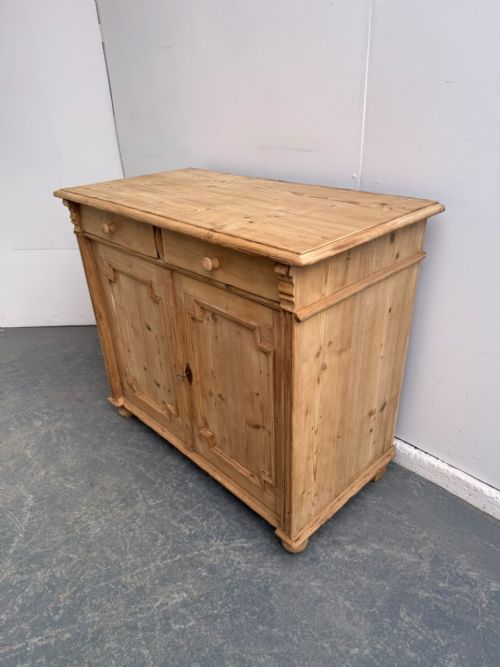
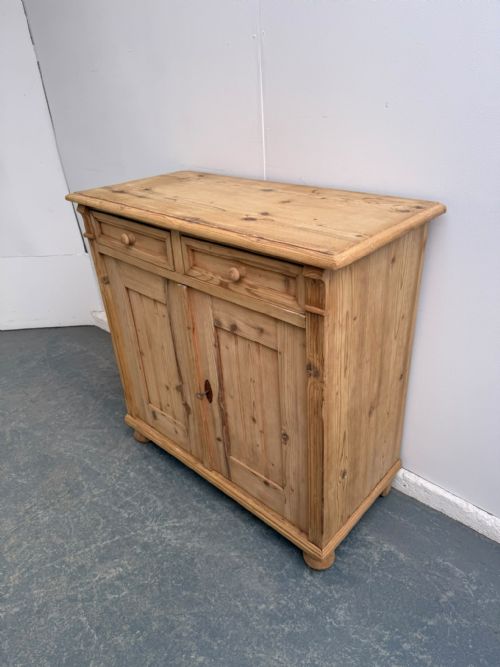
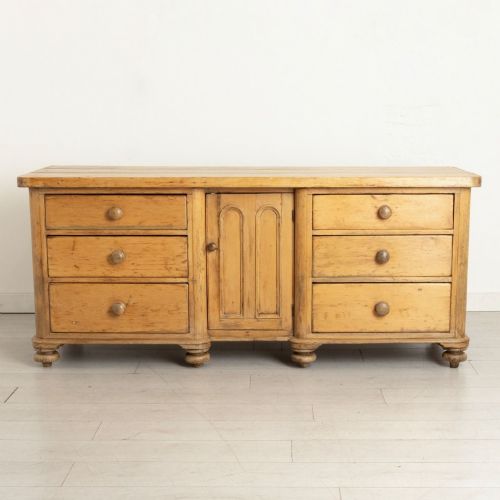
Pine Kitchen Dresser Base
A pine kitchen dresser base offers practical lower storage with a generous work surface, bringing utilitarian English country character to domestic spaces.
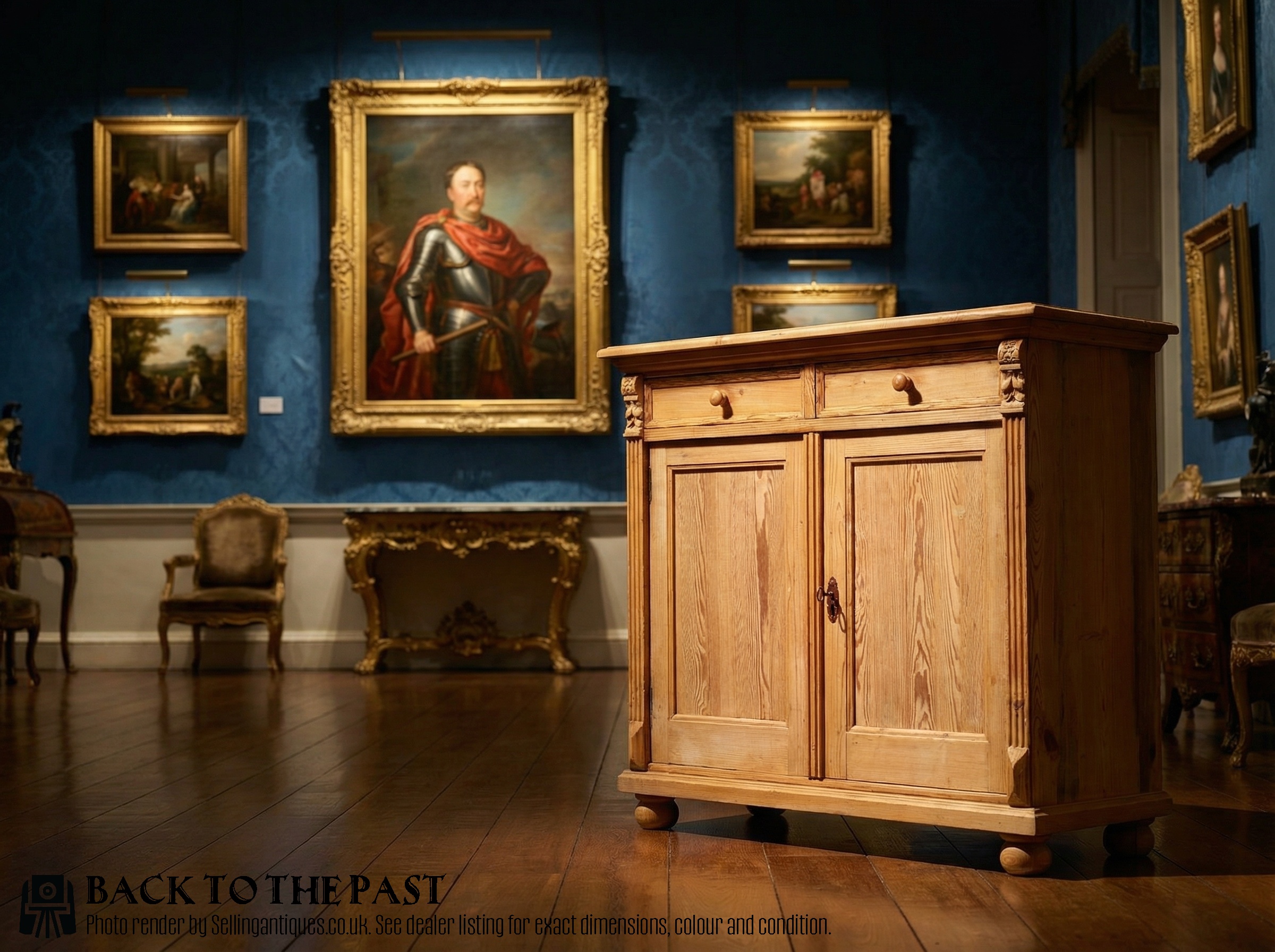
What a pine kitchen dresser base is
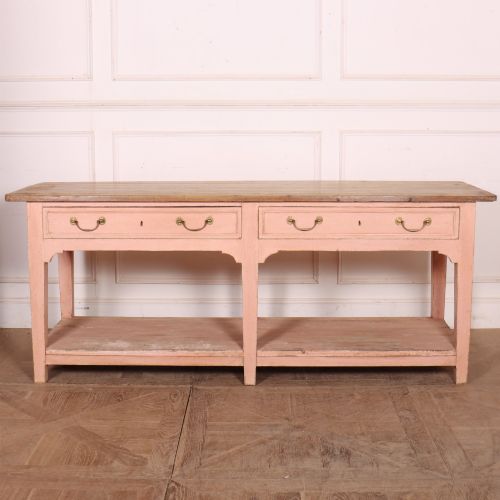
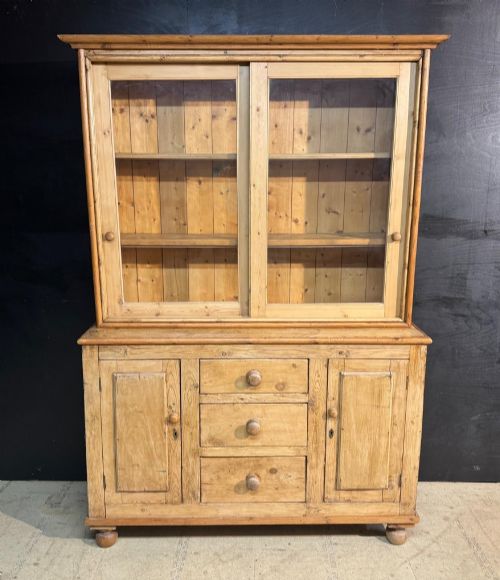
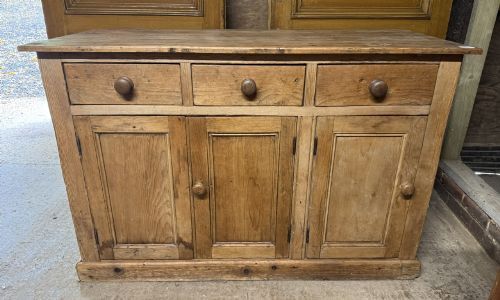
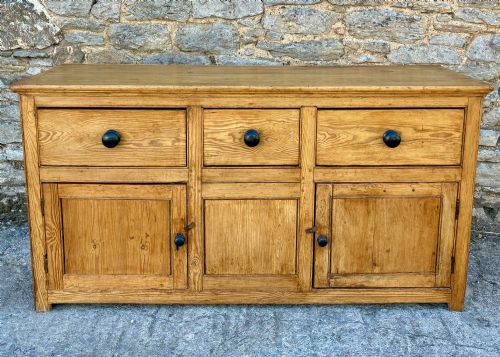
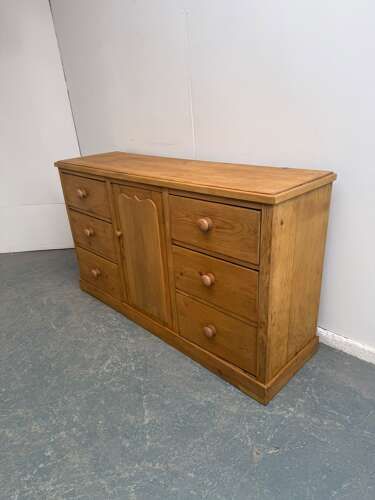
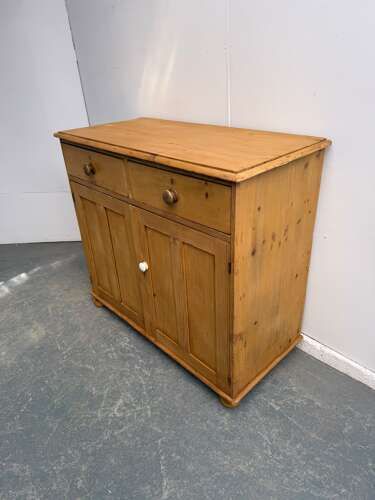
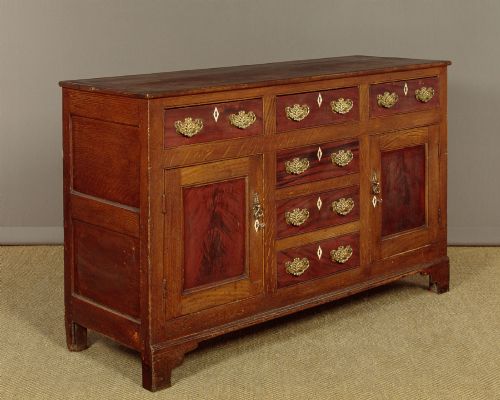
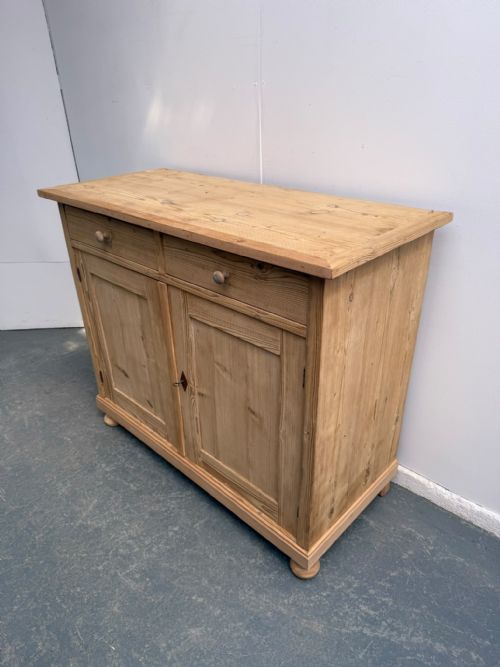
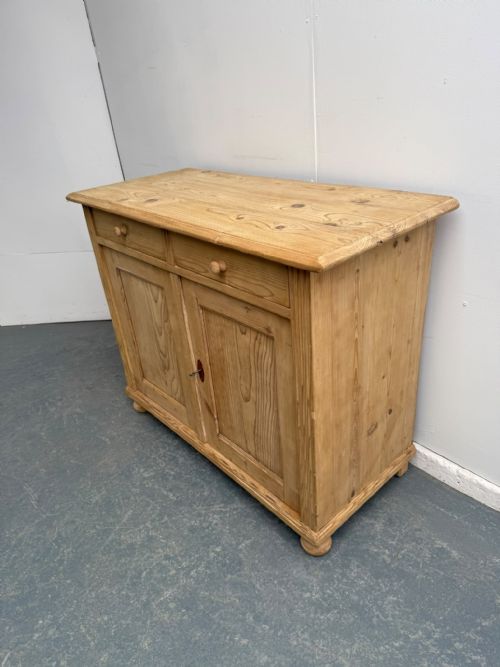
A pine kitchen dresser base provides a heavy wooden work surface above enclosed cupboard space and drawers, functioning as a primary food preparation station and storage unit in traditional domestic interiors. These pieces appear predominantly from the Victorian period, alongside earlier Georgian examples and later farmhouse iterations dating towards nineteen hundred.
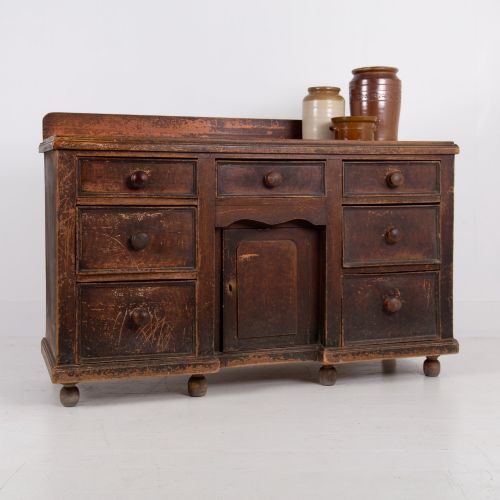
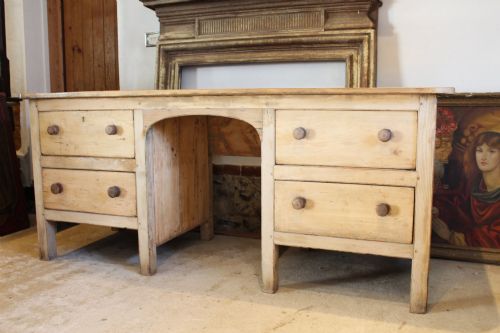
Forms vary from standard two-door cupboards with drawers to specialised configurations including dog kennel designs, tall dual-door units, shallow proportions, and wide six-drawer formats. The evidence records distinct regional styles such as Victorian Country and English Country, reflecting functional rural utility.
Buyers encounter examples prepared in various finishes, including traditionally waxed surfaces, painted treatments in lime green or yellow, and stripped or raw wood ready for waxing or painting. Many of these sturdy sideboards and buffets now serve secondary functions as television stands within modern homes.
How they were made
Construction relies primarily on solid pine timbers, occasionally augmented with sycamore components, built to withstand daily culinary labour. Hardware elements incorporate brass, iron, and ceramic fittings for handles, hinges, and structural reinforcement.
Surfaces receive protective or decorative coatings of traditional wax or oil-based paint, sometimes built up over successive generations of domestic use. Joinery techniques prioritize utilitarian strength and durability over delicate ornamentation, yielding robust farmhouse furniture.
Retail Price Guide 2026
Typical UK retail prices for pine kitchen dresser base, calculated from the Sellingantiques database of over a million retail prices indexed since 2003. This retail price guide relies exclusively on Sellingantiques data; no external sources or auction records are used, so the figures do not describe the wider market.
Listings feature solid pine, sycamore, brass, iron, and ceramic materials across Victorian and Georgian periods.
What varies in quality
The degree of original surface treatment preservation - whether retaining historic paint finishes or exhibiting deeply patinated waxed pine - shapes the visual weight of each piece. Drawer counts, ranging from single banks to six-drawer configurations, alter both the functional utility and the formal balance of the base.
The Pine Kitchen Dresser Base Glossary
- Dresser base
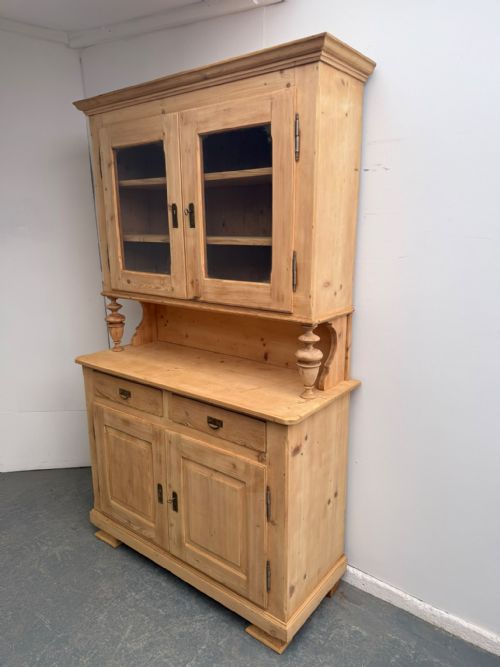
- The lower section of a traditional kitchen dresser, comprising a solid top above cupboards and drawers without the upper plate rack. This configuration serves as a standalone sideboard or buffet.
- Pot shelf
- An open lower shelf positioned near the floor between the legs of a dresser base, historically used for storing heavy cookware and earthenware pots. It adds structural stability to the frame.
- Dog kennel dresser
- A specific form featuring a central open recess flanked by cupboards or banks of drawers, resembling a kennel in layout. This unusual central space accommodates low baskets or vessels.
- Waxed pine
- A finish achieved by applying natural or tinted waxes to the bare wood, producing a soft lustre and protecting the timber. This treatment highlights the grain and natural knots of the pine.
- Stripped pine
- Wood that has been chemically or mechanically cleared of accumulated old paint layers to reveal the raw timber beneath. Subsequent finishing usually involves waxing or oiling.
Frequently Asked Questions
How were dresser bases used?
These lower cabinets served as the central workspace in farmhouse kitchens for preparing food, rolling pastry, and housing heavy culinary utensils. The drawers and cupboards kept dry goods, linens, and pots close to hand.
Over time, the sturdy top surface functioned as a staging area for serving meals and displaying everyday crockery. Today, their generous proportions make them suitable for modern kitchen islands or living room media consoles.
How do I care for waxed pine?
Waxed pine surfaces require regular dusting with a soft, dry cloth and occasional replenishment with a quality beeswax polish. Avoid placing hot dishes or wet items directly onto the unsealed wood to prevent rings and staining.
Gentle maintenance preserves the warm lustre and builds a richer patina over years of household use. Strong chemical cleaners should be strictly avoided as they strip away the protective wax coating.
Are these pieces strictly Victorian?
While the majority of surviving examples date from the Victorian era and the late nineteenth century, the tradition extends into earlier Georgian periods and slightly later farmhouse iterations. Regional English country workshops continued producing these heavy pine cabinets using traditional utilitarian methods across multiple decades.
Identifying markers such as construction joints, hardware materials, and timber selection help distinguish nineteenth-century examples from later country pieces.