



Pine Buffet and Hutch
A pine buffet and hutch is a practical storage combination that brings warmth and character to a kitchen or dining room.
Pine Buffet and Hutch
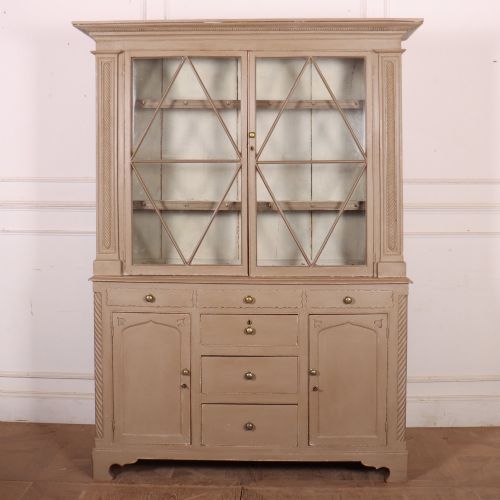
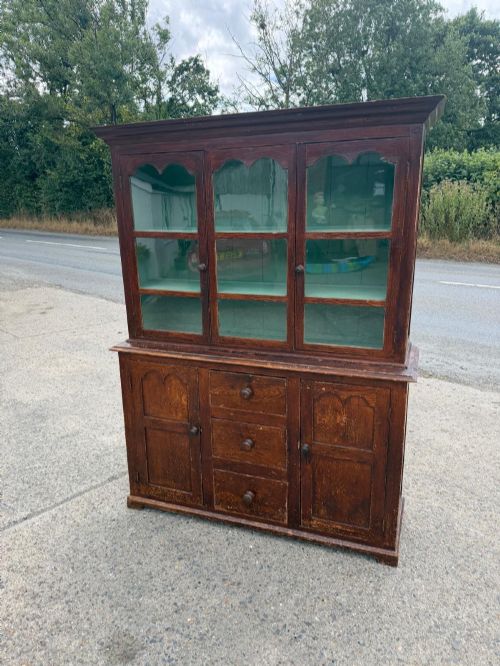
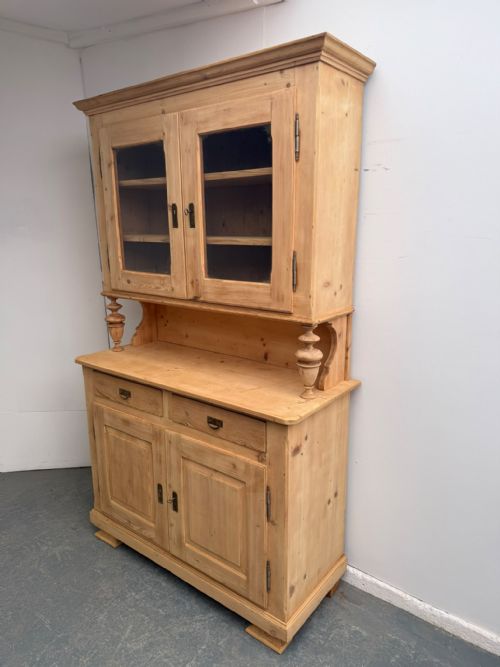
When you search for a pine buffet and hutch, you are looking at substantial storage furniture designed for displaying crockery and storing household provisions. These pieces typically combine a lower base cabinet or buffet with an upper plate rack or glazed hutch.
The versions you are most likely to meet on this page span the Victorian era, the nineteenth century, and early decades up to nineteen thirty. They appear in styles ranging from English Country and rustic farmhouse to Arts and Crafts and Scandinavian Country.
Originating from English regions like the West Country as well as continental workshops, these items serve as both utilitarian kitchen furniture and decorative focal points. They offer generous cupboard and drawer space beneath open shelving or glass-fronted compartments.
How they were made
Construction relies primarily on pine timber, frequently paired with glass for cabinet doors and brass or iron for hardware fittings. Some variations incorporate oak or mahogany details alongside ceramic and fabric elements.
Joinery methods reflect traditional workshop practices of the nineteenth and early twentieth centuries, producing robust carcasses capable of holding heavy tableware. Surfaces are often finished with wax or left in original painted states.
Pine Buffet and Hutch Retail Price Guide 2026
Typical asking prices for pine buffet and hutch among the pieces listed under this phrase on Sellingantiques today, from the lower quarter to the upper quarter. They describe what is for sale here now, not the wider market.
Listings on this page span the Victorian era, eighteen fifty, nineteen ten, and nineteen thirty, featuring materials like pine, oak, and glass.
What varies in quality
Quality in these items is determined by the integrity of the timber selection and the skill of the original construction. Pieces with well-proportioned breakfront drawers and harmonious proportions stand apart from simpler utilitarian builds.
The survival of original painted surfaces or distinct regional characteristics, such as specific West Country or continental joinery details, elevates the interest of a piece. Finer examples maintain their structural balance while showing honest signs of age and use.
The Pine Buffet and Hutch Glossary
- Buffet
- The lower sideboard or cabinet section of the combination, used for enclosed storage. It provides a solid surface above cupboards and drawers.
- Hutch
- The upper shelving structure or rack mounted upon the base cabinet. It is traditionally designed for displaying plates and serving dishes.
- Breakfront
- A cabinet design where the central section projects forward from the flanking sides. This adds architectural depth to the piece.
- Glazed top
- An upper cabinet fitted with glass panelling in the doors. This protects the contents from dust while keeping them visible.
- Rack
- The open wooden shelving unit attached to the top of a dresser. It usually incorporates plate grooves and small hooks.
Pine Buffet and Hutch: Frequently Asked Questions
What is a pine buffet and hutch used for?
These combinations serve as dual-purpose furniture for both storage and display in domestic spaces. The lower cupboards house heavy kitchenware while the upper rack showcases everyday ceramics.
Historically, they formed the central storage hub of a farmhouse kitchen or dining area. Today, they continue to provide functional organisation alongside rustic decorative appeal.
How do I date a pine dresser?
Dating relies on examining construction methods, timber characteristics, and stylistic details associated with specific periods. Victorian and nineteenth-century examples often display hand-cut joinery and traditional hardware.
Later pieces from the nineteen-thirties reflect simpler or more streamlined vernacular designs. Comparing the backboards and drawer construction helps confirm the manufacturing era.
Are these pieces usually painted or waxed?
Many examples survive with either their original painted finish or a warm waxed timber surface. West Country and continental pieces frequently feature historic paint layers that add distinct character.
Unpainted surfaces showcase the natural grain and knots of the pine. Buyers often choose between preserving aged patina or refreshing the surface with wax.
How do I care for antique pine furniture?
Maintain the wood by applying traditional beeswax periodically to nourish the dry timber. Avoid placing the furniture near direct heat sources or strong sunlight to prevent warping.
Clean surfaces gently with a soft, dry cloth rather than harsh chemical sprays. This preserves the historic finish and natural patina over time.