



Pierced Stretcher Desk
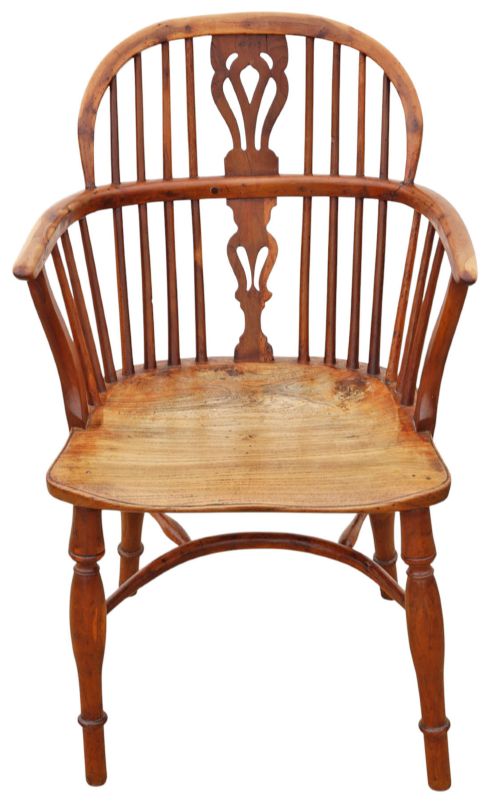
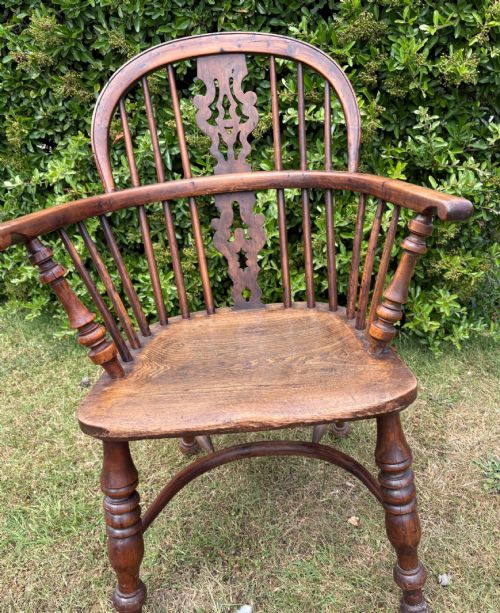
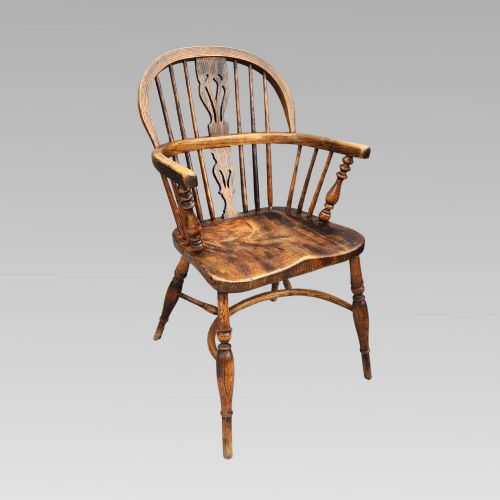
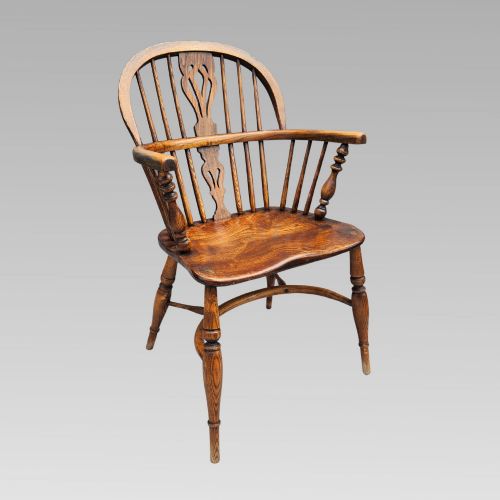
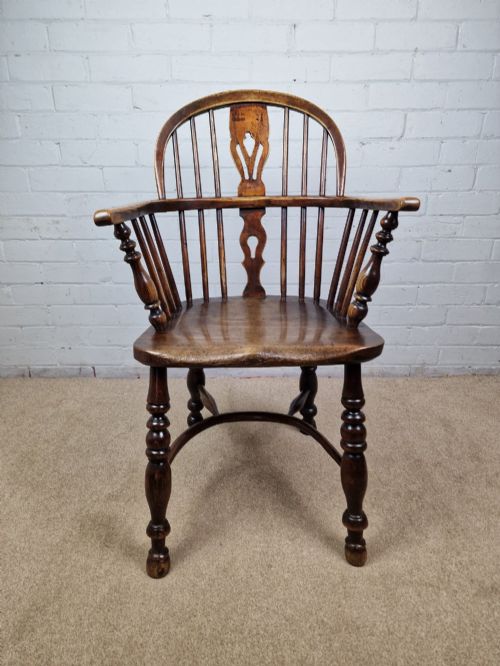
These Windsor armchairs and writing tables form the core of a pierced stretcher desk search, offering sturdy vernacular timberwork for daily use.
Pierced Stretcher Desk
Buyers seeking a pierced stretcher desk encounter sturdy wooden seating and tables rooted in English vernacular traditions. The pieces span the eighteenth, nineteenth, and early twentieth centuries, drawing from regional workshops in Nottinghamshire, Worksop, and the Thames Valley.
Most examples appearing on this page are Windsor armchairs and low back carvers constructed from native timbers. Writing tables in pitch pine also emerge alongside occasional stretcher tables in burr oak.
Regional variations define the seating, ranging from low back forms with burr back splats to spindle back carvers with crinoline stretchers. These sturdy forms served domestic and writing purposes across rural and provincial settings.
Materials and construction methods
Craftsmen built these chairs and tables using a combination of native hardwoods such as yew, elm, beech, ash, and oak. Yew and elm frequently pair together, utilising the rich grain of yew for seats and backs alongside the tough flexibility of elm.
Joinery relies heavily on traditional bodging techniques, where turned spindles and legs fit into bored solid wood seats. Stretchers provide rigidity to the underframe, supporting the load-bearing legs in both country armchairs and utilitarian tables.
Makers in Worksop left their names on these sturdy country seats so future writers could trace a woodland chair back to its bench.
Factors separating pieces
The choice of timber creates a primary distinction, as highly figured yew wood and burr oak command greater appreciation than plain elm or beech. Rich natural grain patterns and deep patination elevate the visual presence of a chair.
Structural integrity and the retention of original turned components dictate the standing of a piece. Well-proportioned armchairs with crisp spindle turnings and robust underframe stretchers represent superior vernacular carpentry.
Gabbitass Worksop·Rockley Maker·Benjamin Gilling·Allsop Worksop
The Pierced Stretcher Desk Glossary
- Windsor chair
- A wooden chair constructed with a solid contoured seat into which the legs and back spindles are independently inserted. This vernacular design flourished across English provincial workshops during the eighteenth and nineteenth centuries.
- Crinoline stretcher
- A curved underframe brace linking the legs of a Windsor chair that resembles the shape of a Victorian hoop skirt. It adds structural stability while providing a rest for the feet.
- Carver
- An armchair, typically designed with open elbows to match a set of smaller dining or writing chairs. In country seating, these often feature substantial yew wood armbows.
- Vernacular
- Objects made by local artisans using regional materials and traditional techniques without high-style academic design influences. English country furniture relies heavily on this practical, unpretentious tradition.
- Splats
- The central vertical slat of wood set within the back of a chair. In better examples, these incorporate figured burr timber for decorative effect.
Pierced Stretcher Desk: Frequently Asked Questions
What is a crinoline stretcher?
A crinoline stretcher is a bent wooden brace that links the legs of a Windsor chair in a continuous loop. It strengthens the entire underframe while offering a convenient place to rest the feet.
This construction detail appears frequently on nineteenth-century country seating and helps distinguish regional chair-making traditions.
Why use yew and elm together?
Yew and elm combined contrasting visual appeal with practical strength in regional furniture production. Yew provided a richly figured, durable wood for seats and backs, while tough elm handled the structural demands of bending and shaping.
Country makers utilised these native timbers because they were locally available and performed well under daily domestic use.
How do low back armchairs differ?
Low back armchairs feature a continuous armbow and back rail set lower than a standard high-back Windsor chair. They often incorporate a shaped wooden splat or multiple spindles supporting the rail.
These compact seating options suited writing desks and smaller rooms where taller furniture would obstruct light or movement.
Where were these chairs made?
Regional workshops across England produced these vernacular pieces, with specific centres operating in Nottinghamshire, Worksop, and the Thames Valley. Local bodgers turned component parts in woodland camps before assembling them.
Maker stamps or distinct regional turning styles help identify the specific geographic origins of surviving pieces.