
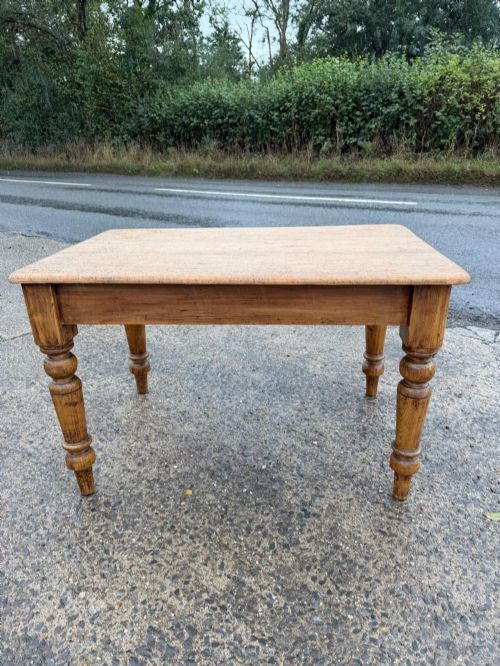
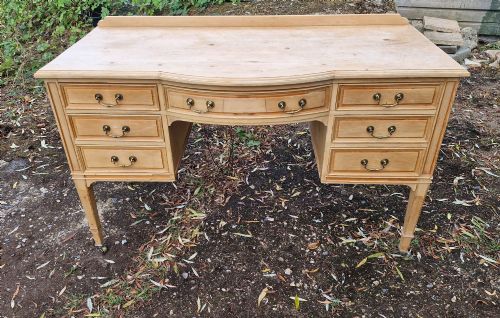
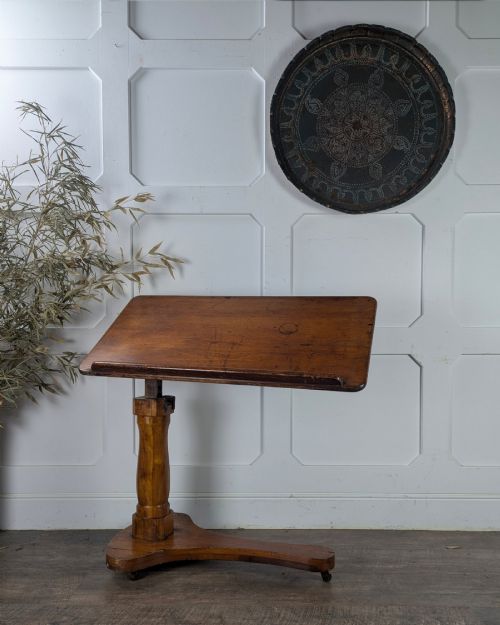
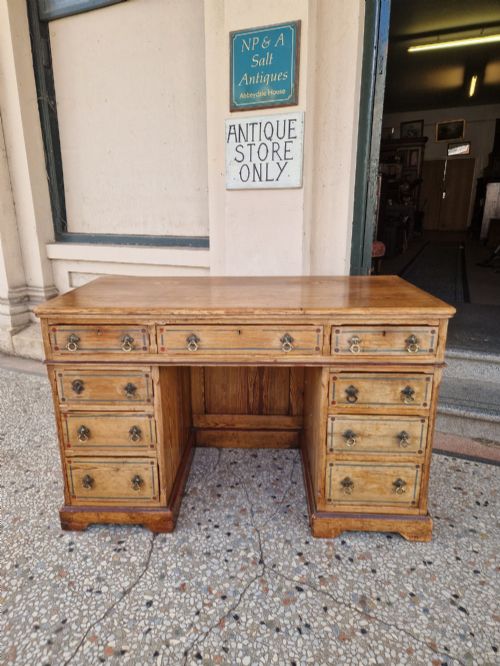


Edwardian Pine Desk
An edwardian pine desk gives a room practical workspace with honest timber character, built for everyday use and lasting appeal.
Edwardian Pine Desk
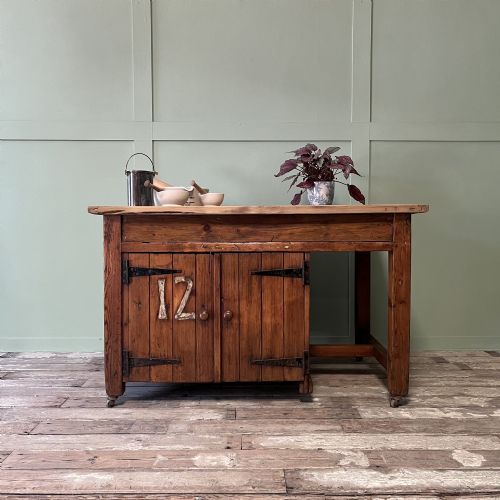
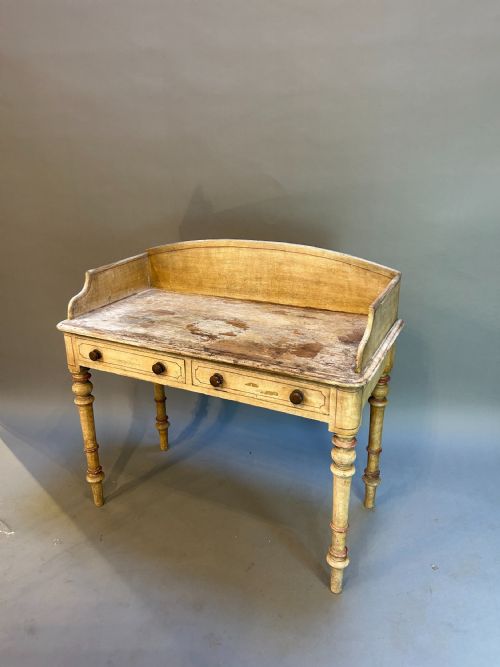
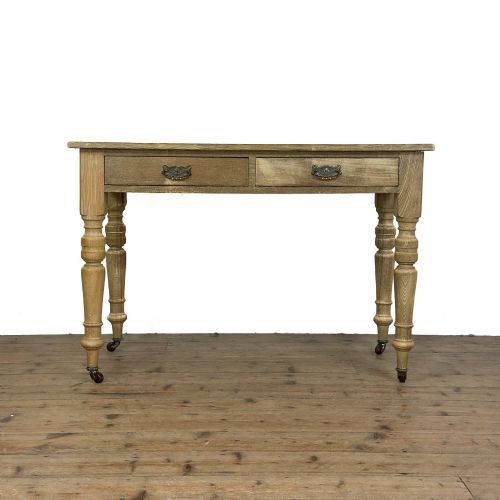
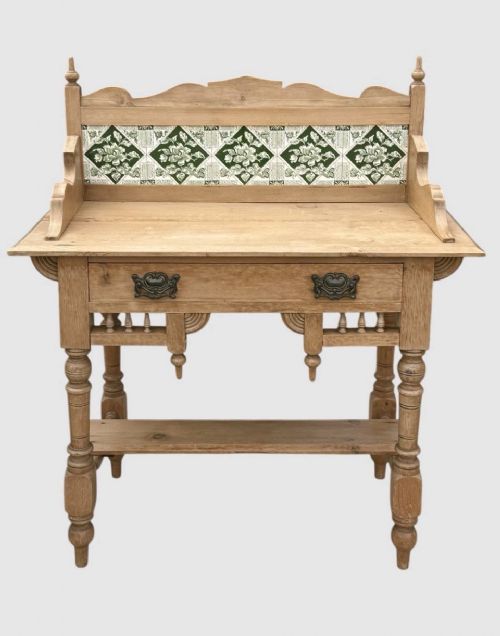
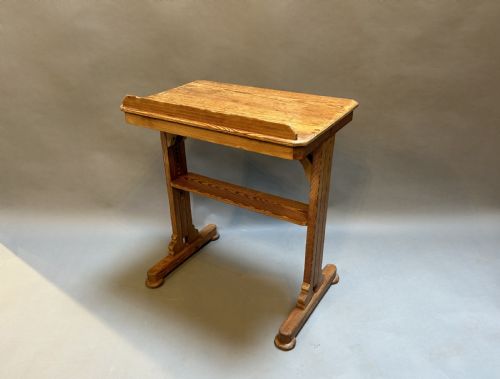
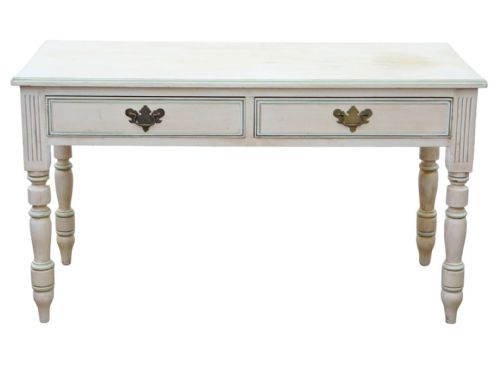
When you search for an edwardian pine desk, you encounter pieces designed for utility and straightforward domestic or office work. These tables and writing surfaces often appear alongside related forms like washstands, lecterns, and prep tables made in the same robust tradition.
While Edwardian examples form the core, the selection extends through Victorian roots into early twentieth-century utility pieces. These items bridge the gap between heavy nineteenth-century workshop builds and lighter domestic furniture.
Construction and Materials
Construction relies primarily on pine and pitch pine, paired with functional hardware such as brass handles, iron brackets, and ceramic components. These timbers were chosen for availability and strength, holding up well to daily writing and office tasks.
Surface finishes vary between natural stripped wood, painted coats, and dark varnishes that highlight the grain. Joinery is straightforward and robust, designed to withstand heavy use in studies, offices, and kitchens.
Edwardian Pine Desk Retail Price Guide 2026
Typical asking prices for edwardian pine desk among the pieces listed under this phrase on Sellingantiques today, from the lower quarter to the upper quarter. They describe what is for sale here now, not the wider market.
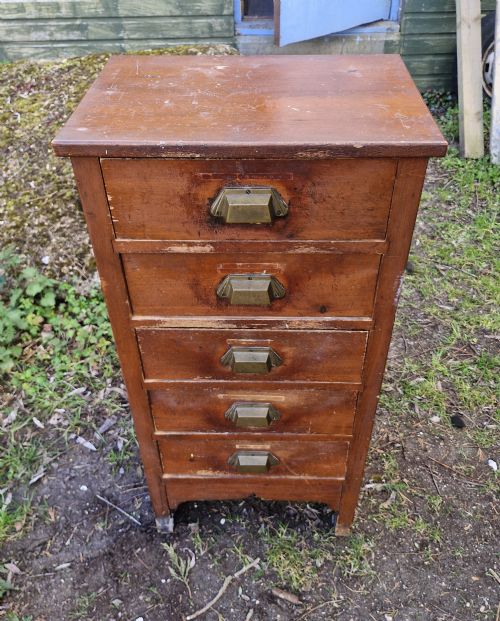
Several pieces include dedicated pigeon hole cabinets and deep drawer banks, presumably designed to hide messy paperwork from demanding Victorian visitors.
Factors That Determine Quality
Quality rests in the integrity of the timber, the presence of original hardware like brass pulls, and the retention of early painted or stripped finishes. Desks featuring well-fitted bank drawers or tambour fronts show a higher level of workshop execution.
Proportion and structural soundness separate standard utility pieces from finer examples. Desks that maintain their original timber tone without excessive modern intervention command greater appreciation from collectors.
The Edwardian Pine Desk Glossary
- Pitch Pine
- A durable resinous softwood noted for its pronounced grain pattern and warm reddish hue. It appears frequently in heavier late-nineteenth and early-twentieth-century furniture.
- Frieze
- The horizontal band or member situated directly beneath the top surface of a table or desk. It often houses one or more narrow storage drawers.
- Pedestal Desk
- A heavy freestanding writing table supported by two pillars or stacks of drawers resting on the floor. These provide substantial enclosed storage capacity.
- Tambour
- A flexible sliding shutter formed of narrow vertical strips of wood glued to a fabric backing. It allows roll-top desks to conceal the writing surface when not in use.
Edwardian Pine Desk: Frequently Asked Questions
How do I care for an antique pine desk?
Keep the timber away from direct heat sources and excessive moisture to prevent warping or splitting. Regular dusting with a soft dry cloth preserves the finish without stripping natural oils.
Apply traditional bees-wax sparingly if the wood appears dry, buffing gently to maintain a soft sheen. Avoid modern silicone sprays that can damage historic surfaces over time.
Were these desks used in offices?
Many pine desks served in administrative spaces, schools, and clerical offices during the late nineteenth and early twentieth centuries. Their sturdy construction suited demanding daily clerical work.
Simpler writing tables also saw service in domestic studies, rectories, and bedrooms. This versatility explains the wide range of drawer configurations and sizes found today.
What is the difference between pine and pitch pine?
Standard pine generally refers to softer yellow or white varieties that are lighter in weight and grain. These timbers were widely used for everyday household furniture and painted finishes.
Pitch pine contains a high resin content, making it significantly heavier, denser, and darker. This variant resists wear effectively and shows a strong, highly figured grain pattern.
Can I use a washstand as a writing desk?
While washstands share similar dimensions to small writing tables, their original purpose involved holding basins and washing accessories. Some feature tile gallery backs or marble tops unsuited for writing.
However, flat-topped washstands and prep tables often adapt well to modern laptop use or side table placement. Check the height and surface material to ensure comfortable daily writing.