


Pitch Pine Trestle Table
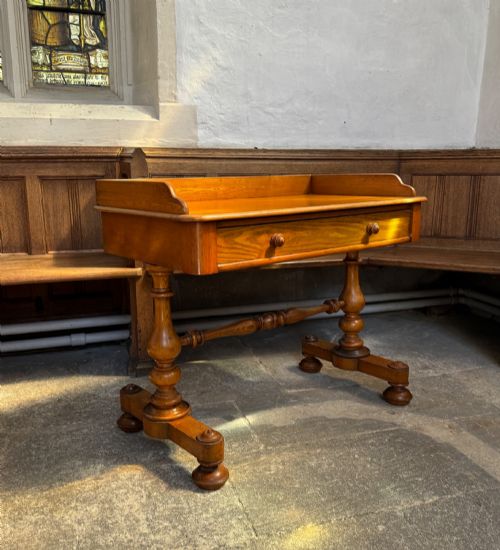
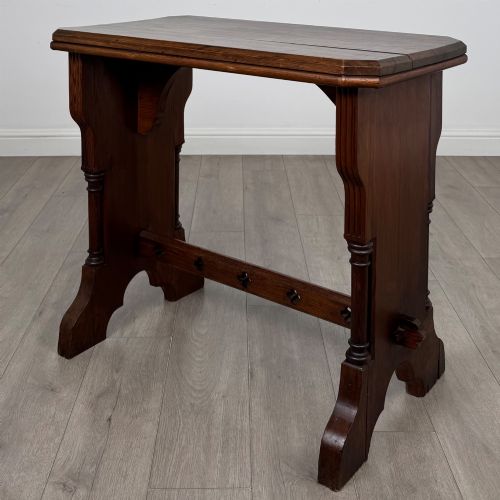
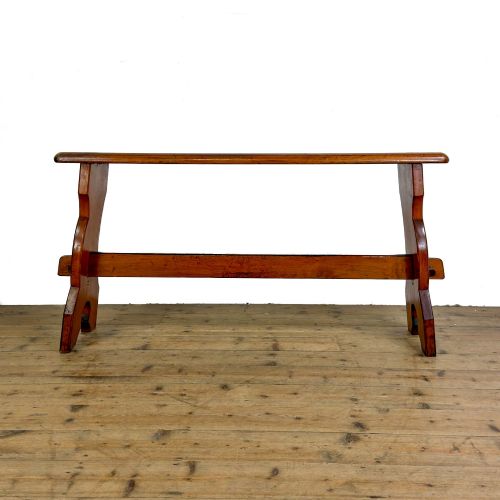
A pitch pine trestle table brings robust utility and striking grain to a room, offering practical surface space rooted in nineteenth-century craftsmanship.
Pitch Pine Trestle Table
When you search for a pitch pine trestle table, you are looking at utilitarian and architectural nineteenth-century furniture built from resinous, durable timber. The selection spans the Victorian era, with dates stretching from eighteen fifty through to nineteen ten.
These items take various functional forms including side tables, console tables, washstands, writing desks, serving tables, and benches. Many pieces display Gothic Revival or ecclesiastical influences, reflecting the distinct aesthetic tastes of the period.
You are most likely to meet straightforward Victorian side tables and narrow freestanding examples in this category. They serve well as functional work surfaces or hallway furniture in contemporary homes.
What varies in quality
The standard of a piece rests primarily on the grain density of the pitch pine and the crispness of any Gothic architectural detailing. Pieces with tighter, more dramatic grain patterns stand apart from plain utility boards.
Proportion and structural integrity also divide the range, as narrower bespoke proportions or ecclesiastical origins often indicate more deliberate design choices by the original maker.
Several items cross effortlessly from church vestries to domestic kitchens, proving that nineteenth-century prayer books and chopping boards share a surprising design kinship.
AW Pugin
The Pitch Pine Trestle Table Glossary
- Pitch pine
- A resinous softwood known for its durability and strong linear grain. It was widely used in nineteenth-century joinery and ecclesiastical furnishings.
- Gothic Revival
- An architectural and decorative style popular during the Victorian period. It draws inspiration from medieval design with pointed arches and structural honesty.
- Ecclesiastical
- Pertaining to churches or clergy. In furniture, it describes items originally made for vestries, altars, or parish halls.
- Trestle
- A structural support consisting of a horizontal beam held up by two pairs of slanted legs. It provides stable clearance beneath the surface.
Pitch Pine Trestle Table: Frequently Asked Questions
Are pitch pine tables suitable for daily kitchen use?
Pitch pine is a remarkably dense and resilient softwood that handles everyday domestic activity with ease. The resinous nature of the timber gives it natural durability against active environments.
However, historic surfaces benefit from sensible protection against excessive moisture and heat to preserve the nineteenth-century finish.
How do I date a nineteenth-century pitch pine table?
Dating relies on examining construction methods, iron fixings, and stylistic cues such as Gothic Revival mouldings. Pieces from eighteen fifty often display heavier ecclesiastical characteristics compared to lighter nineteen ten examples.
Makers' marks or specific architectural context in the titles can also narrow down the decades of origin.
What is the difference between a side table and an altar table?
Side tables are generally domestic utility items designed for general surface storage or washing stands in bedrooms and hallways. Altar tables carry ecclesiastical styling, often reflecting the specific design manner of AW Pugin.
Ecclesiastical variants usually feature more pronounced Gothic arches and robust framing intended for formal settings.
How do I care for historic pitch pine furniture?
Maintenance involves gentle cleaning with a dry or slightly damp cloth to keep dust away from the prominent grain. Avoid harsh chemical polishes that can degrade the historic patination of the wood.
Applying occasional natural wax helps nourish the timber and protects the surface from drying out over time.