



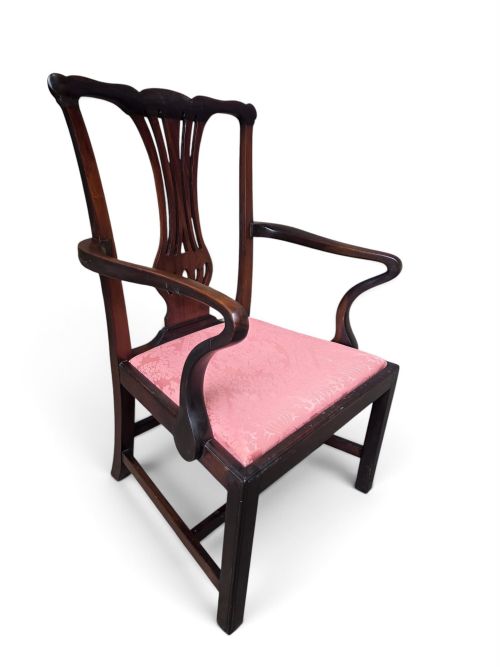
Pierced Splat Back Armchairs
These pierced splat back armchairs encompass sturdy country Windsors and formal mahogany seating designed for daily use and traditional interiors.
Pierced Splat Back Armchairs
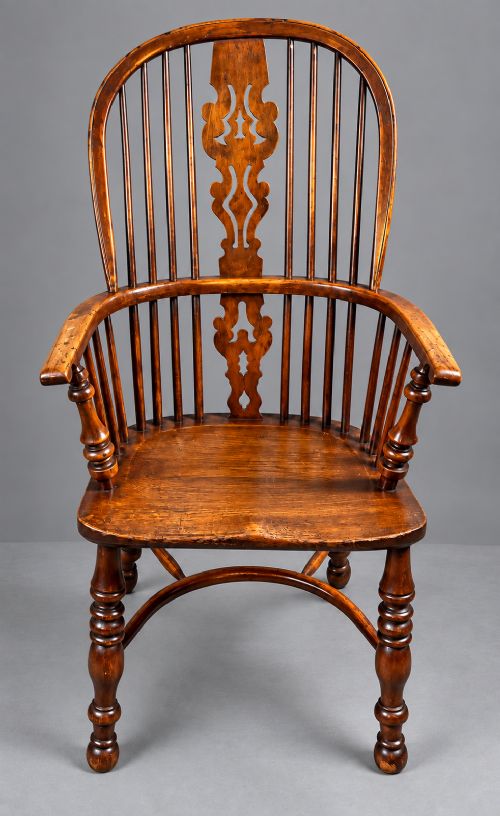
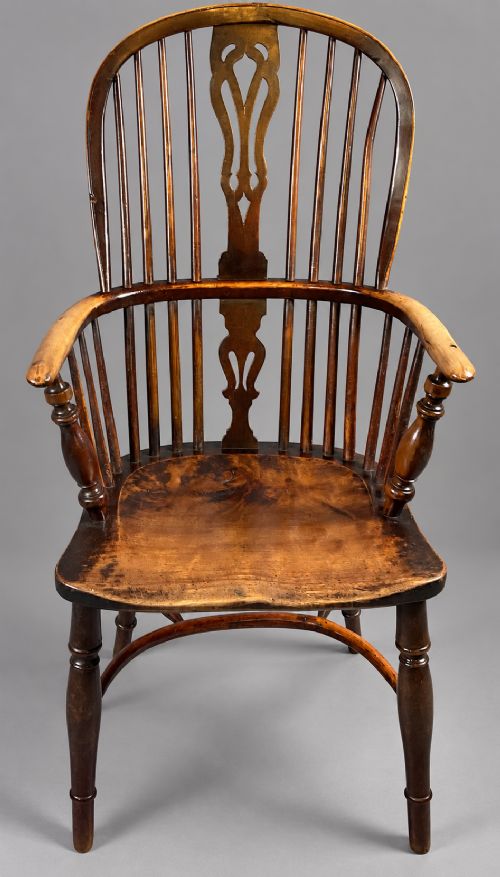
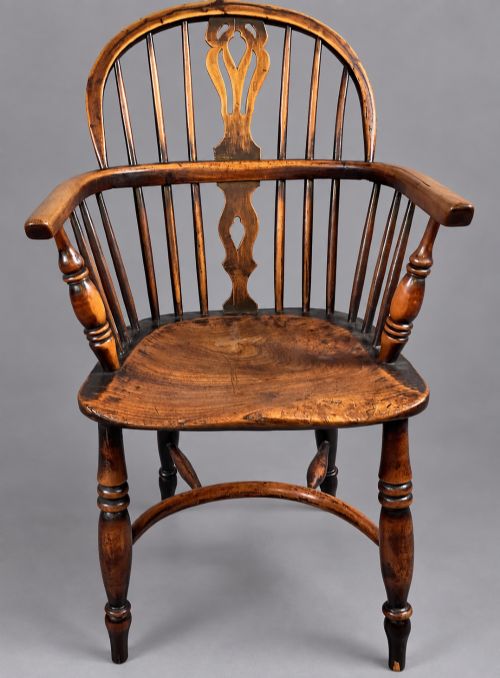
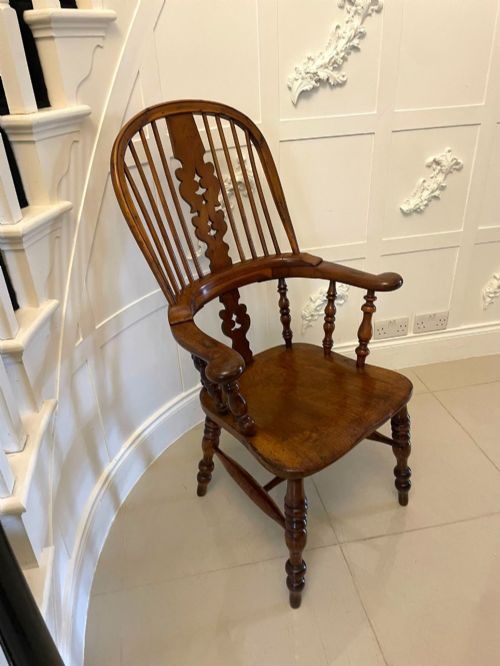
Pierced splat back armchairs cover a broad selection of antique seating, ranging from regional vernacular forms to formal dining designs. When exploring pierced splat back armchairs, buyers encounter robust country pieces alongside refined city models spanning several historical periods.
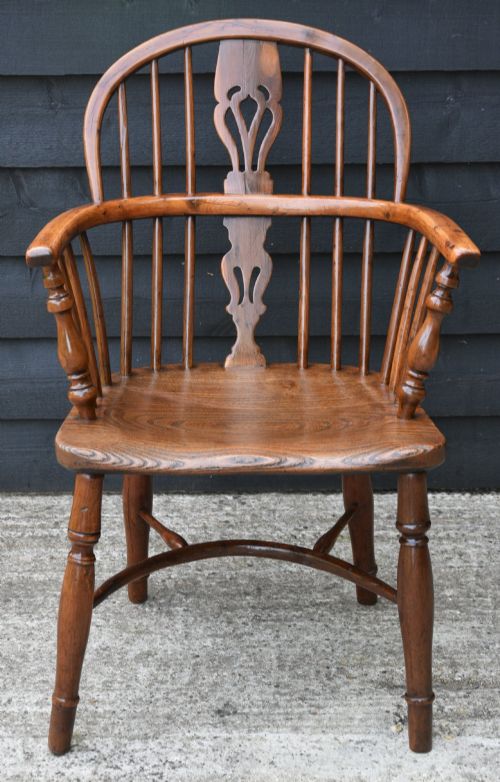
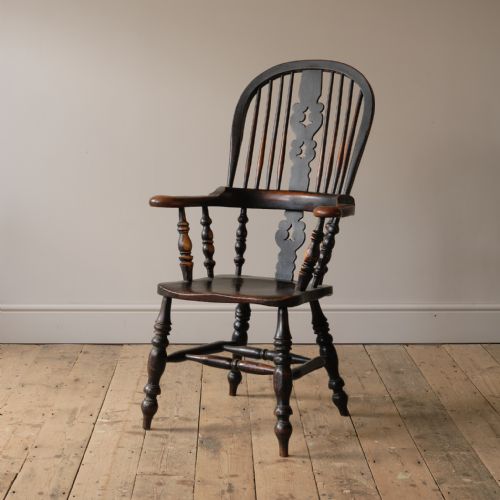
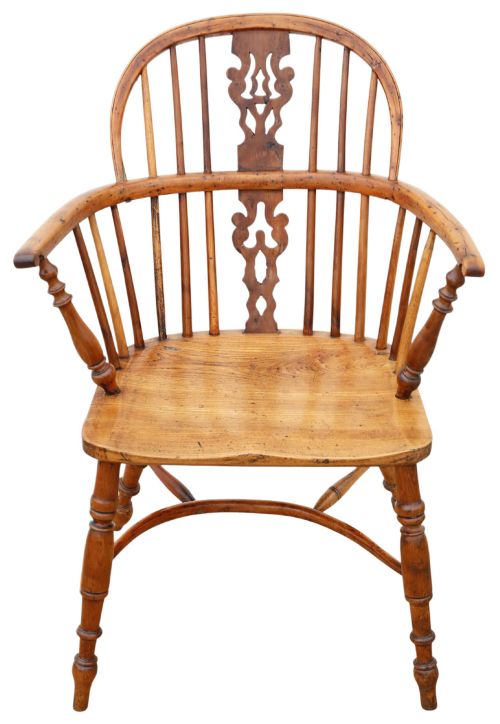
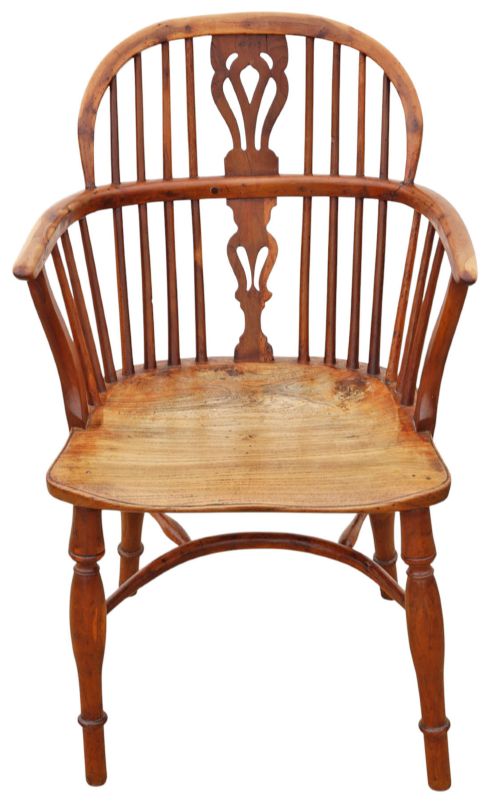
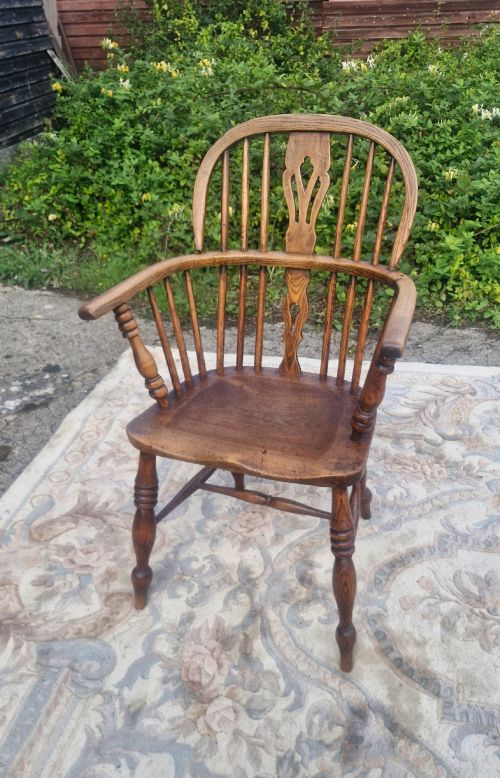
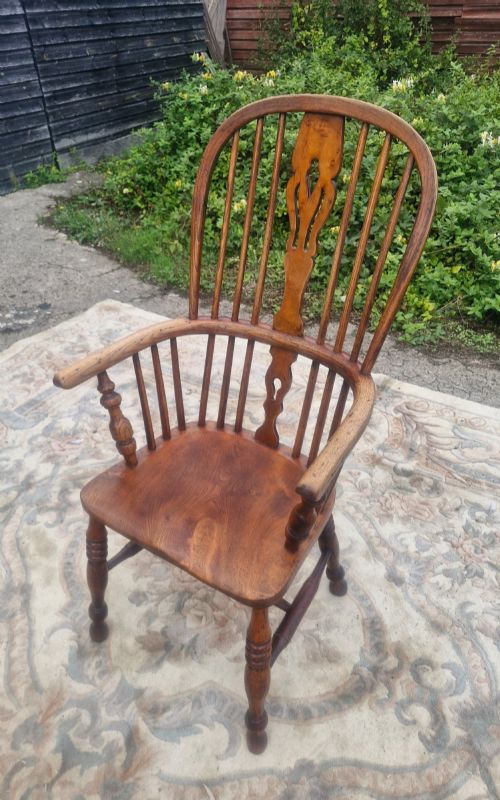
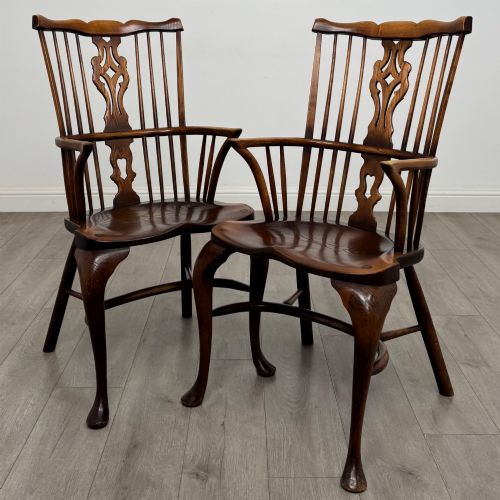
The most common examples on this page are wooden Windsor armchairs originating from rural workshops, constructed with shaped seats and distinct back designs. These traditional versions reflect the practical domestic requirements of past centuries.
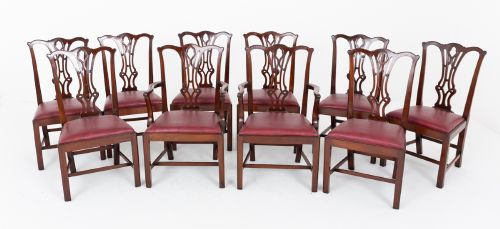
Alternative forms include mahogany armchairs built in the Chippendale style, featuring open arms and intricately pierced central splats. Such seating brings a more formal presence to domestic spaces.
Construction and Materials
Craftsmen utilised a combination of native timbers such as elm, ash, beech, and yew wood to build sturdy frame structures. Often, makers paired flexible woods like ash for spindles with dense elm for solid, saddled seats.
Formal mahogany dining and open armchairs relied on precise joinery and carved details to shape the characteristic pierced splat backs. These pieces demonstrate the refined cabinet-making techniques typical of late eighteenth and nineteenth-century workshops.
Listings feature eighteenth-century, Victorian, and Edwardian periods, utilising elm, yew, ash, beech, oak, and mahogany.
Assessing Quality and Character
Quality in these armchairs rests upon the balance of the proportions, the figuring of the timber, and the crispness of any carved details. Yew wood examples with strong grain patterns and well-turned spindles typically represent the more desirable end of the range.
Structural integrity and the retention of original components dictate the standing of individual pieces. Subtle differences in arm-scrolls, stretcher arrangements, and seat shaping distinguish standard regional work from superior workshop output.
Gabbitass Worksop
The Pierced Splat Back Armchairs Glossary
- Windsor chair
- A wooden chair built with a heavy solid timber seat into which the legs and back spindles are separately inserted. This construction method provides notable durability.
- Splat
- The vertical wooden strip down the centre of a chair back. In formal designs, this element is pierced and shaped for decorative effect.
- Comb back
- A Windsor chair variation where the top rail resembles the spine of a comb, holding a series of vertical spindles. This regional style appears frequently in eighteenth-century examples.
- Crinoline stretcher
- An arched under-stretcher connecting the legs of a Windsor chair to provide stability. It takes its name from the hoop-skirt supports of the nineteenth century.
- Carver elbow-chair
- An older term for an armchair used at the head of a table or in a parlour. These seats offer supportive armrests combined with a wider seat base.
Pierced Splat Back Armchairs: Frequently Asked Questions
What distinguishes a Windsor armchair from a Chippendale armchair?
Windsor armchairs feature wooden spindles inserted into a solid saddle seat, leaning towards a regional and vernacular aesthetic. Chippendale style armchairs utilise frame-and-panel joinery with mahogany timber, open arms, and carved pierced splats.
While Windsors suit country houses and informal rooms, Chippendale models were designed for formal parlours and dining spaces.
How do I identify a yew wood armchair?
Yew wood displays a distinctive warm, reddish-brown tone combined with striking grain patterns and small knot marks. Makers frequently used this timber for the upper hoops and arms of Windsor chairs.
Over time, yew develops a deep patina that sets it apart from plain elm or ash components.
Where were regional Windsor chairs made?
Regional Windsor chairs emerged from various English counties, with distinct characteristics appearing in locations like Lincolnshire and Nottinghamshire. Local timber availability shaped workshop traditions.
Makers utilised native woods such as elm, ash, and beech to construct robust seating suited to local domestic use.
How should I care for an antique wooden armchair?
Keep wooden armchairs away from direct heat sources and dramatic humidity fluctuations to prevent timber splitting. Regular dusting with a dry cloth maintains the surface finish.
Occasional applications of appropriate wax nourish the aged timber without building up unwanted residue.