




Pierced Back Oak Chair
A pierced back oak chair brings solid vernacular timberwork into a room, offering robust seating built for daily utility and enduring character.
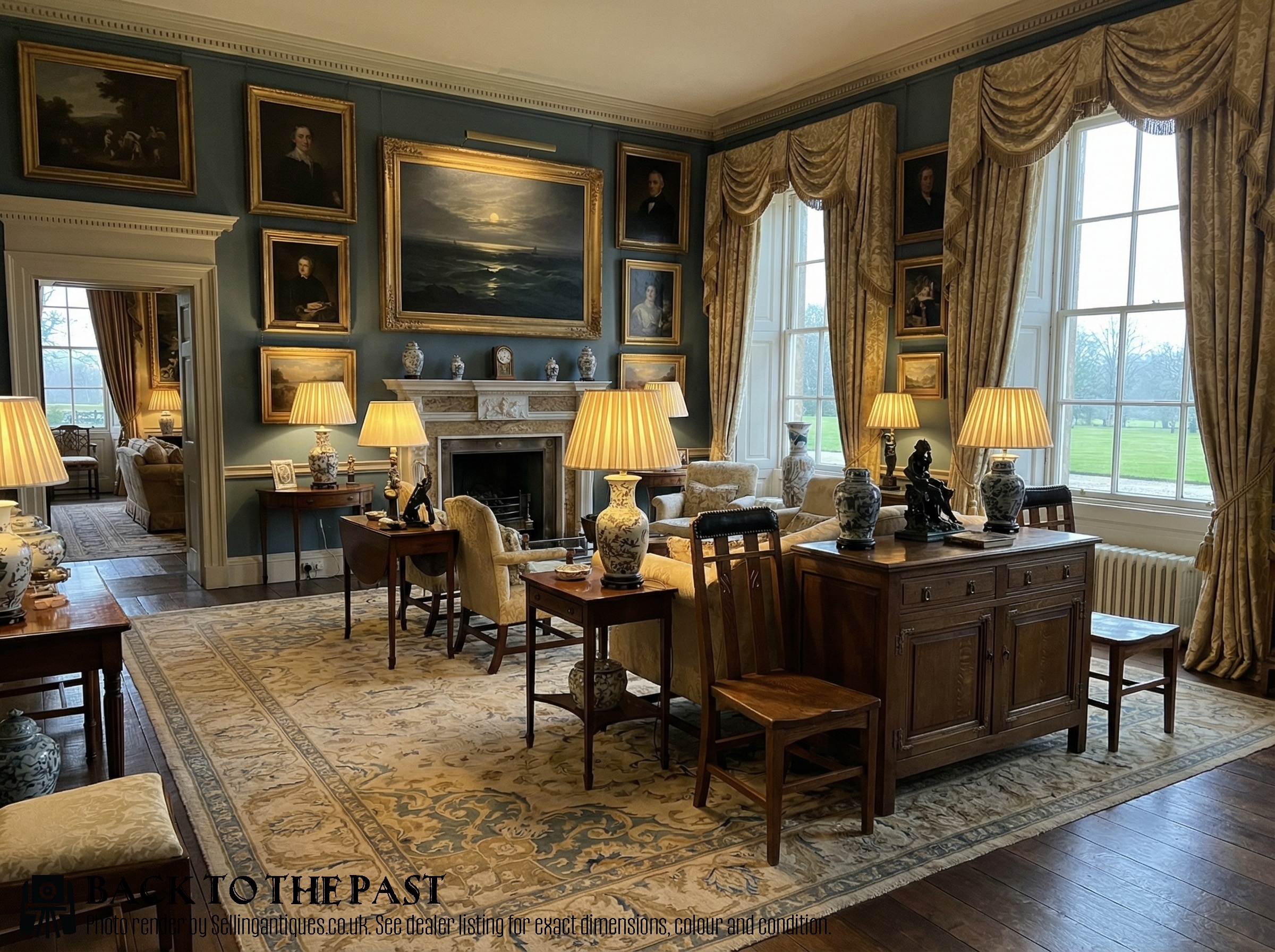
Pierced Back Oak Chair
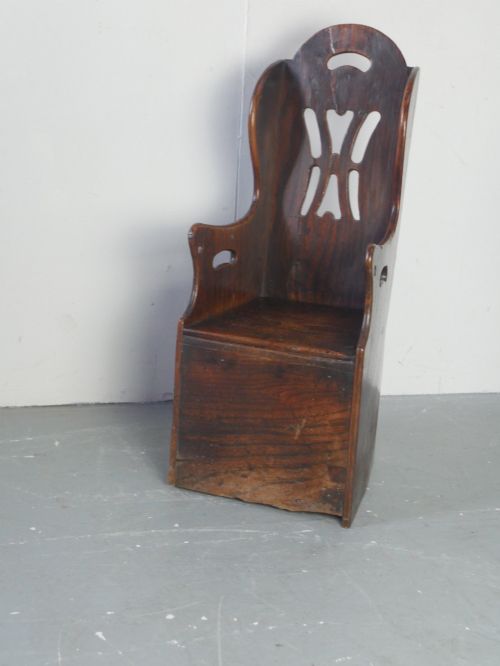
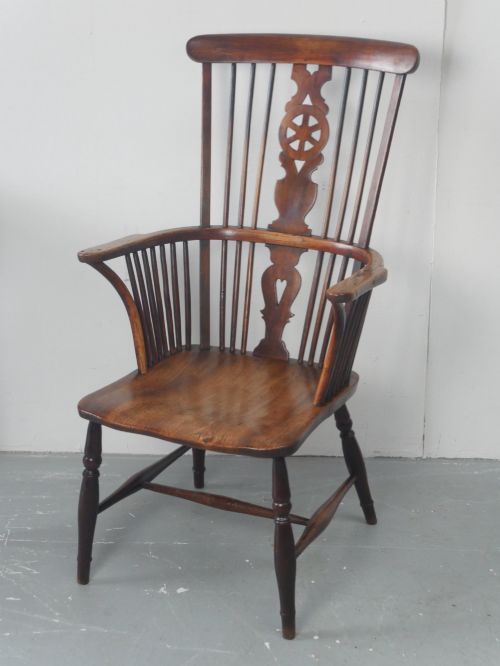
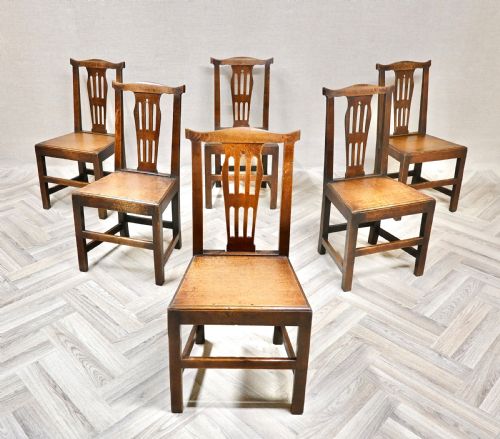
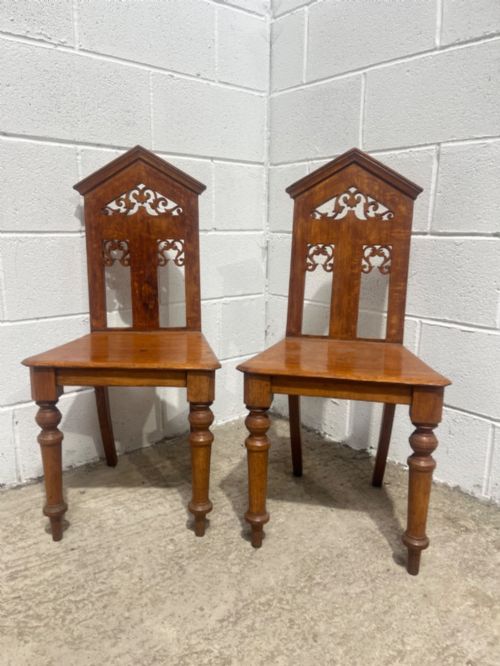
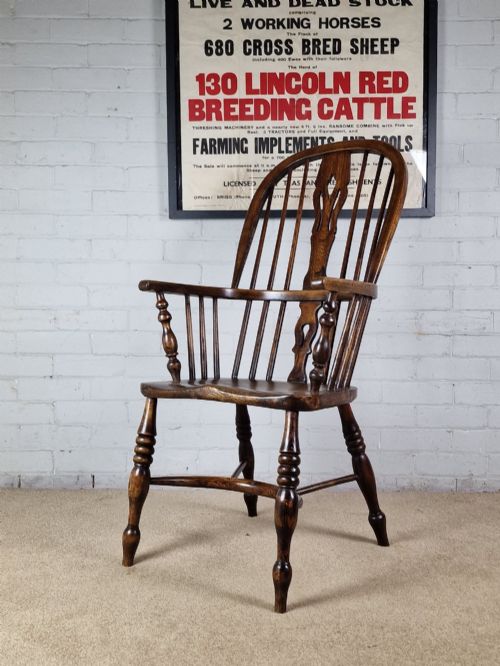
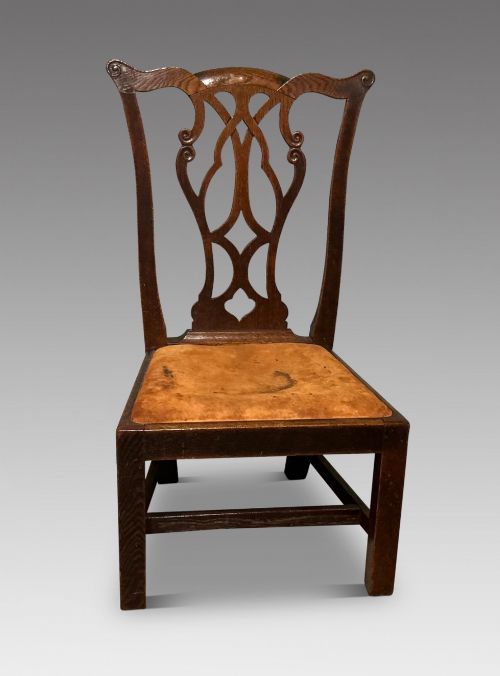
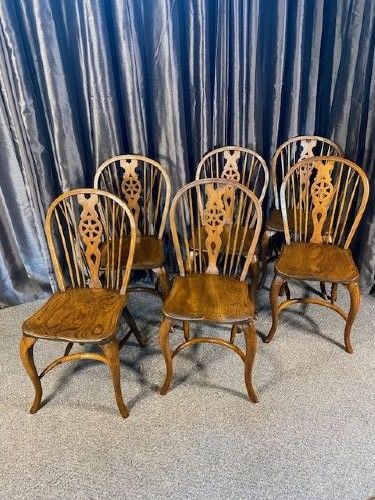
A pierced back oak chair is a sturdy vernacular seat, often found among the country dining chairs, hall chairs, and Windsor forms recorded on this page. These pieces span from the 18th century through the Victorian era, bringing traditional woodworking into domestic spaces.
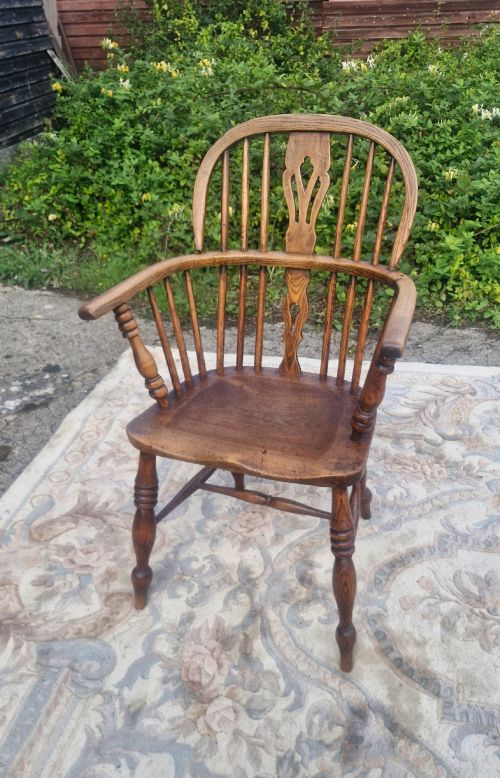
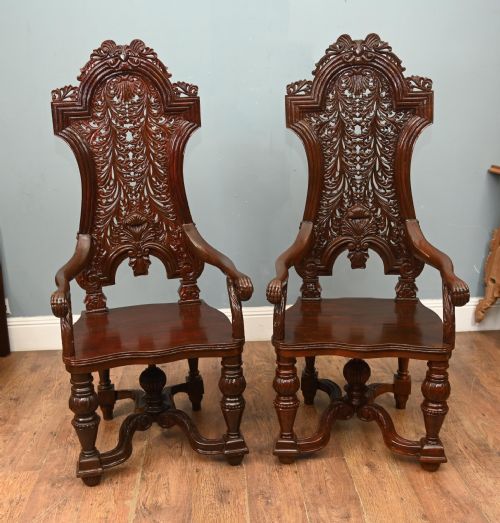
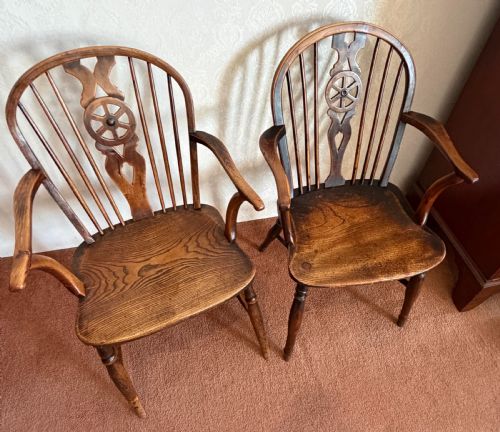
Buyers meet variations ranging from simple kitchen seating to regional Windsor armchairs and carved hall chairs. The material selection leans heavily on native timbers shaped by country makers for practical use.
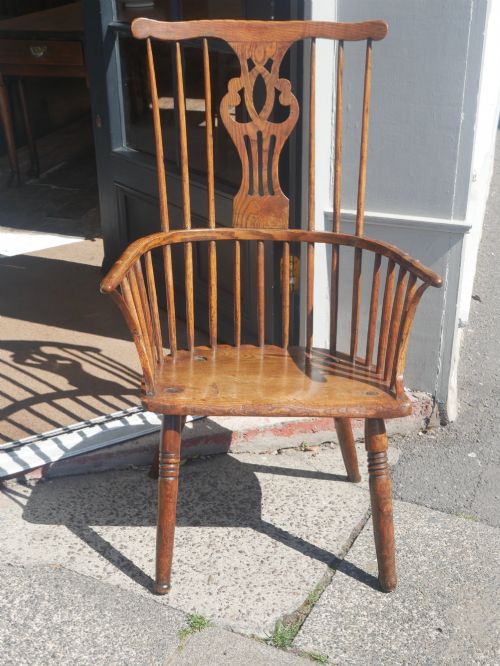
The defining pierced back detail appears on side chairs and dining sets, allowing light through the splat while maintaining the structural integrity of the frame.
How they were made
Makers utilised native British hardwoods, combining oak with elm, ash, beech, and yew to build resilient frames. Seats were often saddled from a single solid timber block, while spindles and legs were turned on lathes.
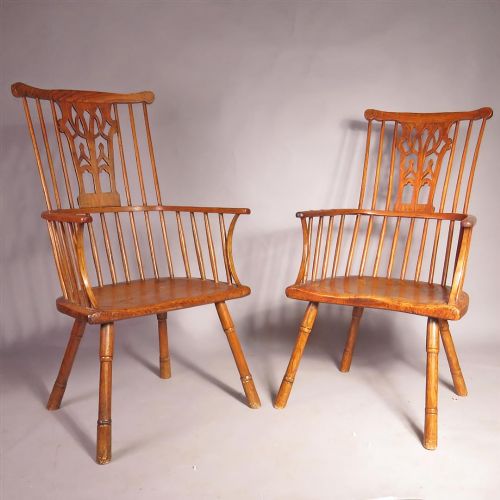
Construction relied on traditional joinery techniques such as mortise and tenon joints, wedge pins, and steam bending for curved elements like comb backs and arm bows.
Listings demonstrate a strong presence of 18th and 19th-century English country furniture, utilising native elm, ash, oak, and yew.
What varies in quality
Quality rests in the choice of timber and the crispness of the turning and carving. Regional variations, such as Thames Valley or Yorkshire origins, often indicate superior joinery and more refined proportions.
The depth of the timeworn patina and the integrity of the original construction separate everyday utility pieces from finer examples that retain their early surfaces.
The Pierced Back Oak Chair Glossary
- Pierced back
- A chair back featuring an openwork splat or slat cut through the wood for visual effect.
- Windsor
- A traditional chair style featuring a solid wooden seat into which legs and spindles are directly socketed.
- Splat
- The central vertical strip of wood in a chair back, often shaped or pierced.
- Comb back
- A Windsor chair variation where the top rail resembles the teeth of a comb, holding vertical spindles.
- Patina
- The surface sheen and colour developed by timber through age, handling, and regular polishing.
Pierced Back Oak Chair: Frequently Asked Questions
Are these chairs suitable for daily dining?
Most country and Windsor forms were built for heavy kitchen or dining use, making them sturdy enough for everyday seating around a modern table.
Buyers should check seat heights and proportions to ensure they pair comfortably with contemporary table dimensions.
How do I identify a regional Windsor chair?
Regional pieces often display distinct turning patterns in the legs and specific wood combinations, such as yew or ash mixed with elm seats.
Local traditions in areas like the Thames Valley or Yorkshire produced characteristic bow shapes and arm designs.
What is a pierced back hall chair?
Hall chairs were typically stiffer wooden seats placed in entryways rather than used for long periods of dining.
They frequently feature carved or pierced wooden backs displaying crests or decorative patterns suited to formal hallways.
How do I care for antique oak and elm furniture?
Maintain the wood by applying occasional applications of traditional beeswax to nourish the dry timber and protect the surface.
Keep wooden seating away from direct heat sources and dramatic humidity changes to prevent timber splitting.