






Pictorial Wall Tapestry
A pictorial wall tapestry brings centuries of woven artistry indoors, offering rich narrative scenes and historical texture for your walls.
Pictorial Wall Tapestry
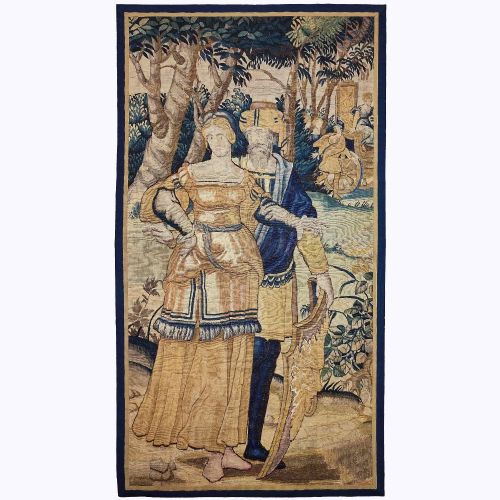
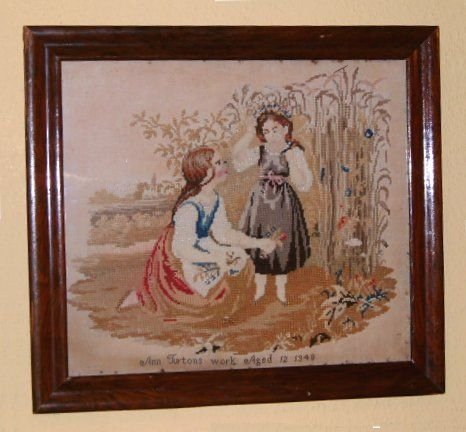
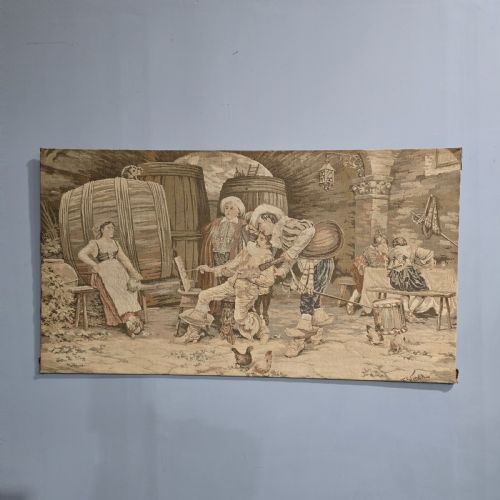
A pictorial wall tapestry encompasses textile art ranging from early Flemish Renaissance panels to later French Baroque and Victorian needlework pieces. When exploring pictorial wall tapestry options, buyers encounter everything from large European wall hangings to framed needlepoint portraits and Persian pictorial rugs.
The selection includes centuries-old Flemish and French examples alongside 19th-century gros point needlework and early 20th-century Persian weaves. These textiles serve as prominent wall art, bringing complex figurative and landscape imagery into domestic spaces.
Materials and construction
These textiles rely primarily on natural fibres such as wool, silk, cotton and linen, spun and dyed to create enduring chromatic depth. Artisans combined these threads using traditional weaving and needlework techniques, sometimes mounting finished works onto canvas or wood frames.
Certain pieces incorporate supplementary elements like giltwood framing or glass protection, particularly for smaller samplers and detailed needlepoint portraits. The interplay of wool and silk often dictates the textural contrast and luminous quality visible across the surface of older examples.
Pictorial Wall Tapestry Retail Price Guide 2026
Typical asking prices for pictorial wall tapestry among the pieces listed under this phrase on Sellingantiques today, from the lower quarter to the upper quarter. They describe what is for sale here now, not the wider market.
Several woven and stitched portraits capture historical figures, including Kaiser Wilhelm II and the last Tsar of Russia, Nicholas.
Judging quality and execution
Finer examples demonstrate exceptional control over pictorial perspective, facial expression and tonal gradation within the woven or stitched imagery. The density of the weave and the complexity of the narrative composition distinguish masterwork panels from simpler decorative productions.
Condition and originality play significant roles in distinguishing pieces, particularly regarding the preservation of the original fibres and colours. The sophistication of the design, whether depicting a Flemish landscape or a detailed portrait, marks the upper tier of the selection.
The Pictorial Wall Tapestry Glossary
- Gros point
- A coarse needlepoint stitch executed on canvas, often utilised for durable 19th-century wall hangings and cushions.
- Flemish Renaissance
- A northern European artistic style known for detailed narrative tapestries produced during the 16th century.
- Sampler
- A piece of needlework demonstrating various stitches and patterns, frequently created by makers to display skill.
- Kashan
- A style of Persian rug originating from a renowned weaving centre, sometimes featuring pictorial portraits.
- Aubusson
- A traditional French style of tapestry weaving celebrated for pictorial floral and pastoral designs.
Pictorial Wall Tapestry: Frequently Asked Questions
How do I hang a heavy tapestry safely?
Large woven panels require weight-distributing support systems such as a concealed wooden batten or a sewn-on hanging sleeve. Distributing the tension evenly across the top edge prevents distortion of the textile fibres over time.
Securing the mounting hardware directly to wall studs ensures stability for substantial pieces, keeping the textile flat and preventing strain on individual threads.
Where should I place a textile artwork?
Selecting a wall away from direct sunlight protects natural wool and silk fibres from fading and deterioration. Stable indoor humidity levels further preserve the integrity of older organic materials.
Displaying these works in principal rooms allows the narrative scenes to serve as a focal point without exposing them to kitchen moisture or heavy traffic.
How do I distinguish a Flemish panel from a later piece?
Early Flemish examples typically feature dense narrative iconography, historical or biblical themes, and hand-spun wool and silk yarns characteristic of the 16th century. Stylistic markers align with Renaissance workshop practices rather than later revival aesthetics.
Later interpretations, such as 19th-century French Aubusson style works, employ more symmetrical compositions and brighter chemical or modified natural dyes suited to Victorian interiors.
What is the difference between a tapestry and a pictorial rug?
While both display figurative or narrative imagery, tapestries are structured specifically as vertical wall hangings or panels designed for display. Rugs are woven with a denser pile intended to withstand floor placement, though certain fine Persian examples are treated as wall art.
The backing and construction methods differ accordingly, with wall pieces prioritising visual suspension and flat display over foot traffic durability.