






Pewter Metal Wall Plate
These pewter metal wall plate examples span three centuries of domestic display and commemorative work, offering rich patination and solid craftsmanship for the collector.
Pewter Metal Wall Plate
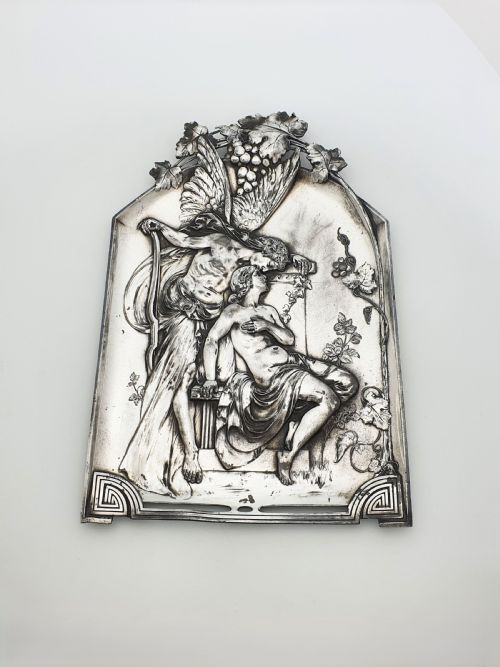
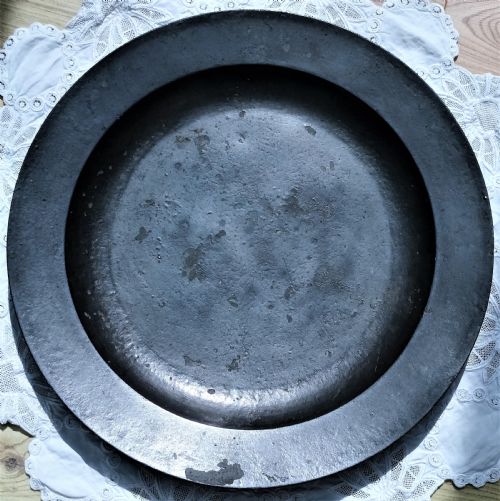
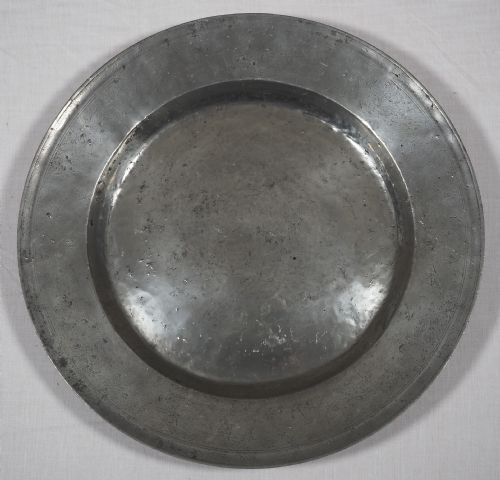
A pewter metal wall plate encompasses heavy chargers, broad rim dishes, and decorative wall plaques designed for interior display. Pieces from this selection range from the late seventeenth century through to the arts and crafts movement and the art nouveau period.
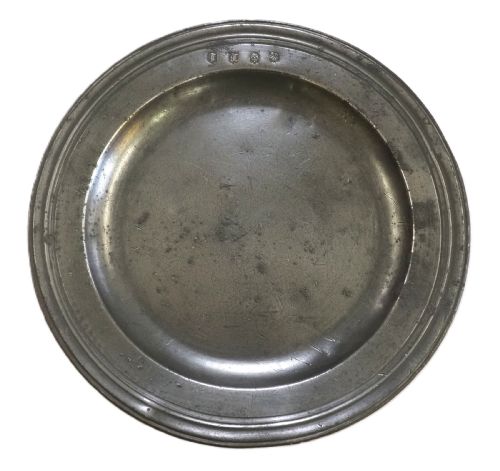
The domestic forms include plain plates and triple reeded chargers alongside commemorative issues depicting historical figures. Collectors encounter both English output and continental European pieces spanning several stylistic epochs.
Materials and Construction
Makers shaped these items primarily from pewter, alongside selected silver plated metal work. Production methods involve traditional casting and extensive hammering across the surface to impart rigidity and texture.
Surface decoration relies on incised rims, maker touchmarks, engraved family crests, and beaten finishes. These techniques produce the variable metallic sheen characteristic of older alloy work.
Pewter Metal Wall Plate Retail Price Guide 2026
Typical asking prices for pewter metal wall plate among the pieces listed under this phrase on Sellingantiques today, from the lower quarter to the upper quarter. They describe what is for sale here now, not the wider market.
Marie Antoinette peers out from commemorative plates alongside seventeenth century family crests.
Judging Quality
Quality rests in the weight of the metal, the crispness of reeded edges, and the legibility of touchmarks left by the original maker. Broader rims and overall hammered texturing typically indicate higher ambition in domestic production.
Surface preservation and clear heraldic engraving or commemorative detail elevate individual examples. Pieces that retain their original heft and unpolished grey patina hold greater interest for specialists.
Samuel Smith·WMF·John Tubb·Lawrence Dyer·Thomas Powell·Nehemiah Cloudesley
The Pewter Metal Wall Plate Glossary
- Charger
- A large ornamental or serving plate intended for display on a sideboard or wall. These heavy vessels form the backbone of early metalware collections.
- Touchmark
- A stamp or hallmark impressed by a pewterer to indicate their identity and the standard of the metal. These small marks help attribute pieces to specific workshops.
- Triple reeded
- A rim design featuring three parallel raised concentric rings. This decorative moulding appears frequently on seventeenth century chargers.
- Broad rim
- A wide flat border surrounding the central well of a plate or charger. This expanse often carries family crests or incised decoration.
- Beaten
- A hand worked surface texture created by hammering the metal during shaping. This technique scatters light across the alloy.
Pewter Metal Wall Plate: Frequently Asked Questions
How do I hang a heavy charger safely?
Heavy chargers require specialised wall brackets or spring clips designed to distribute weight evenly across the rim without stressing the soft metal. Avoid simple wire hangers that bite into the edge.
Ensure the fixing enters solid masonry or stud work securely, as seventeenth century plates carry considerable weight.
Why do some plates have family crests?
Crests denote ownership by landed families who commissioned pewterers to engrave their heraldry onto domestic chargers. These additions personalise utilitarian dining gear.
Such armorial bearings help researchers trace the provenance and social history of individual items.
How should I clean antique pewter?
Antique pewter benefits from gentle washing with mild soap and warm water, followed by thorough drying with a soft cloth. Avoid harsh commercial metal polishes that strip away historical patination.
Preserving the dull grey oxide layer maintains the visual character accumulated over centuries.
How do I date an unmarked piece?
Dating relies on stylistic clues such as rim width, hammer marks, and manufacturing techniques rather than stamps alone. Broad rims and triple reeding point toward the seventeenth century.
Later Victorian revival styles often adopt heavier beaten textures or art nouveau motifs.