


Pewter Display Plate
A pewter display plate brings centuries of quiet metalwork into a room, offering broad rims and hammered surfaces designed to catch the light.

Pewter Display Plate
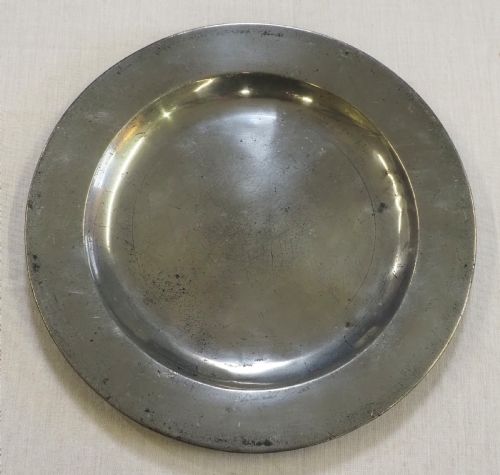
A pewter display plate encompasses plain rim plates, broad rim chargers, and wavy edge dishes spanning from the seventeenth century through the Georgian era. These metal vessels served practical dining functions originally, but survive today as decorative display pieces showcasing English and European craftsmanship.
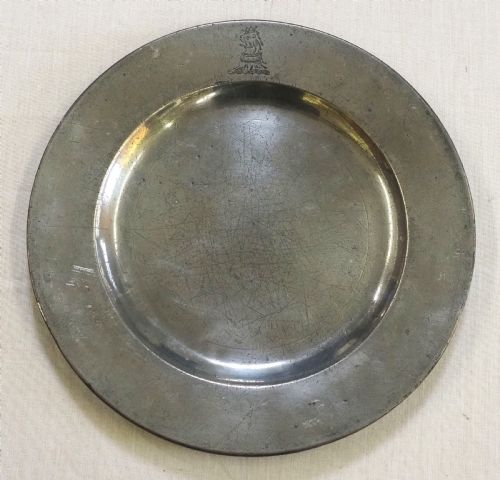
The selections on this page range from compact nine-inch plates to massive twenty-two-inch chargers. Collectors encounter styles from Charles II and William & Mary periods, alongside commemorative issues and examples bearing family crests.
Materials and construction
Pewter forms the primary metal body of these objects, shaped into plates, dishes, and chargers. Makers hammered certain surfaces all over to harden the alloy and create a textured finish.
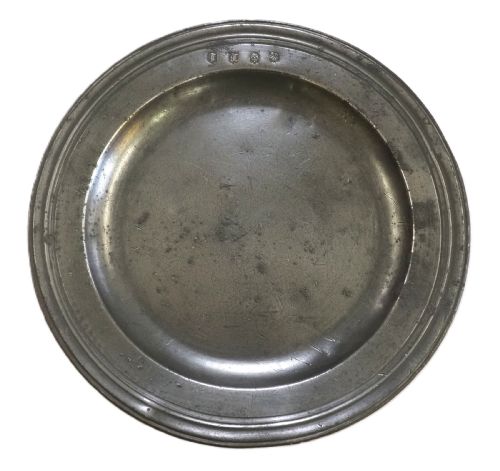
Makers integrated structural elements such as plain rims, triple reeds, and multiple reeds into the metal edges. Oak appears in associated support items like dresser racks designed to hold these plates.
Pewter Display Plate Retail Price Guide 2026
Typical asking prices for pewter display plate among the pieces listed under this phrase on Sellingantiques today, from the lower quarter to the upper quarter. They describe what is for sale here now, not the wider market.
Listings span the 17th century, 18th century, and Georgian period, utilising pewter and oak materials across various plate and charger forms.
Factors that distinguish examples
The distinction between standard domestic plates and superior chargers rests in scale and border complexity. Broad rims and multiple reeded edges demand greater skill from the metalworker.
Makers' marks and engraved family crests elevate individual pieces. Hammered surfaces and historical association add depth to a plate's provenance.
James Spackman·Richard King·John Tubb·Thomas Alderson·Thomas Templeman·Lawrence Dyer·Thomas Haward·Thomas Powell·Nehemiah Cloudesley·John Barlow·S Duncomb
The Pewter Display Plate Glossary
- Charger
- A large decorative or serving plate, often measuring twenty inches or more across. These substantial vessels dominate early dining collections.
- Broad rim
- A wide flat border surrounding the central well of a plate. This style provides space for armorial engravings and crests.
- Triple reeded
- A rim decorated with three parallel raised mouldings. This technique adds structural rigidity and visual detail to the edge.
- Wavy edge
- A shaped perimeter forming an undulating outline rather than a simple circle. Such profiles appear on later European plates.
- Dresser rack
- A wooden framework used for vertical display. These oak fixtures hold heavy chargers safely against a wall.
Pewter Display Plate: Frequently Asked Questions
What is a pewter display plate?
A pewter display plate is a historical metal vessel, such as a charger or dish, meant for visual presentation rather than daily dining.
These pieces feature distinct rim styles and maker touches originating from seventeenth and eighteenth-century workshops.
How were pewter chargers used?
Historical households used large chargers for serving food at formal banquets or displaying wealth on sideboards and dresser racks.
Over time, heavy metal plates transitioned from functional dining ware into decorative interior objects.
How do I hang a pewter charger?
Heavy chargers require secure wall mountings or dedicated dresser racks designed to support the substantial weight of the metal.
Display fixtures must distribute the load safely across the rim without stressing the well of the plate.
How are periods identified?
Periods are determined through maker marks, rim designs, and stylistic traits associated with reigns such as Charles II and William & Mary.
Physical characteristics like hammered surfaces and broad rims also help date individual items.