



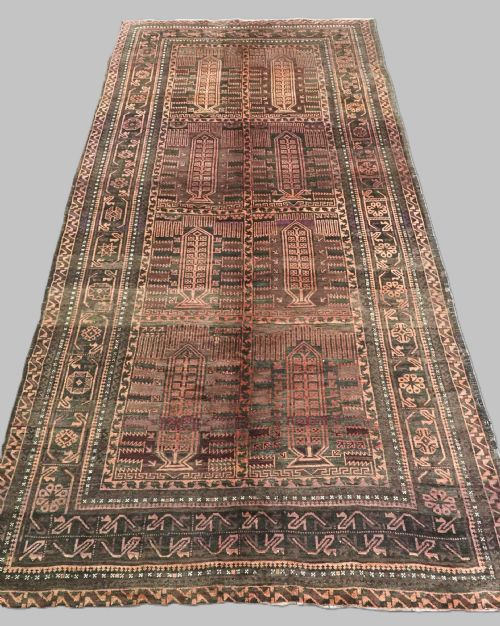
Persian Woven Floor Rug
A persian woven floor rug brings rich colour and enduring regional design into a room, offering centuries of textile artistry beneath your feet.
Persian Woven Floor Rug
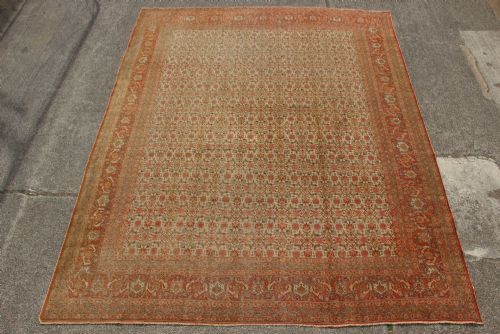
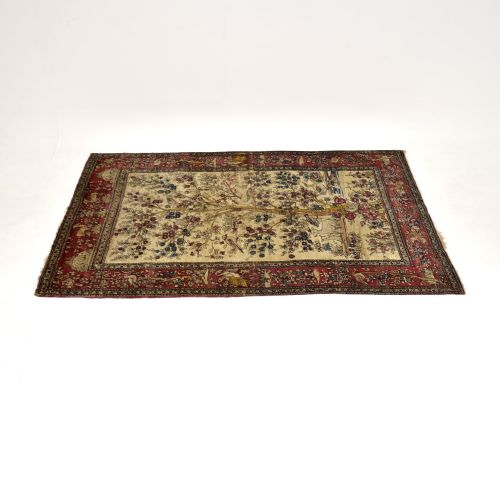
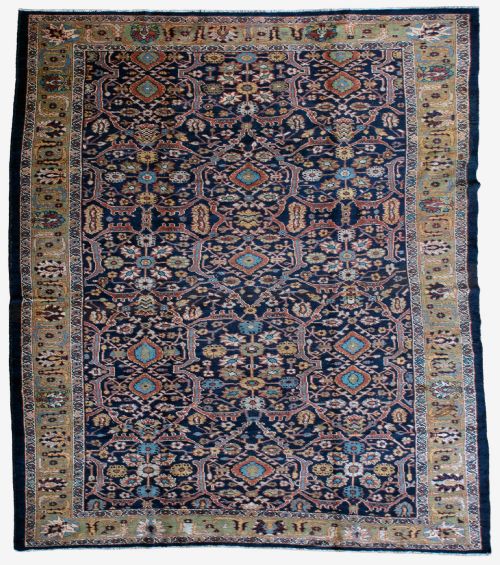
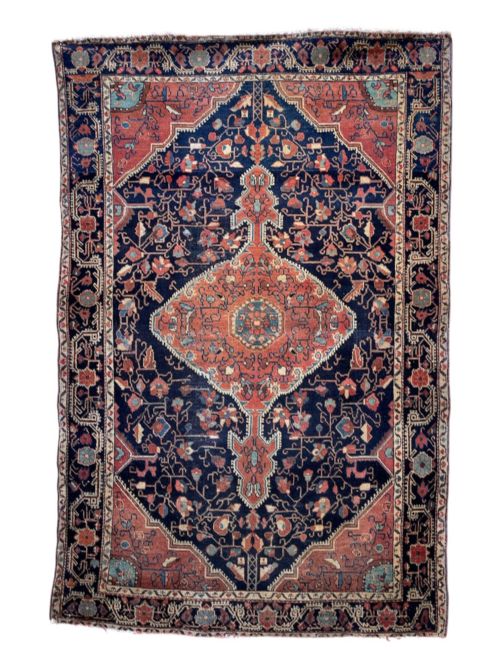
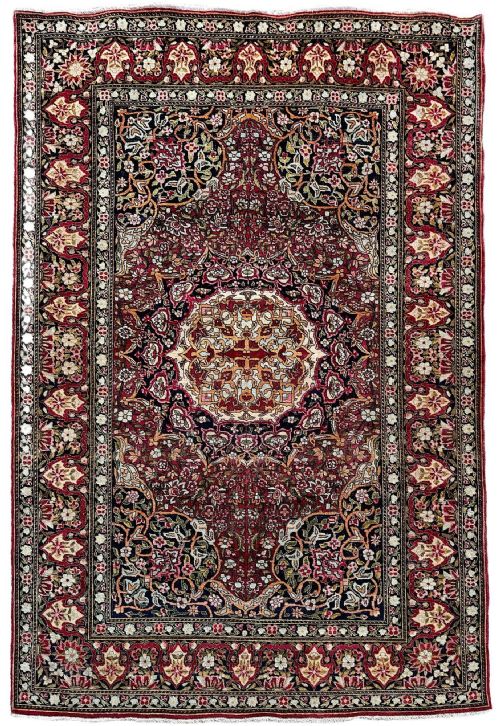
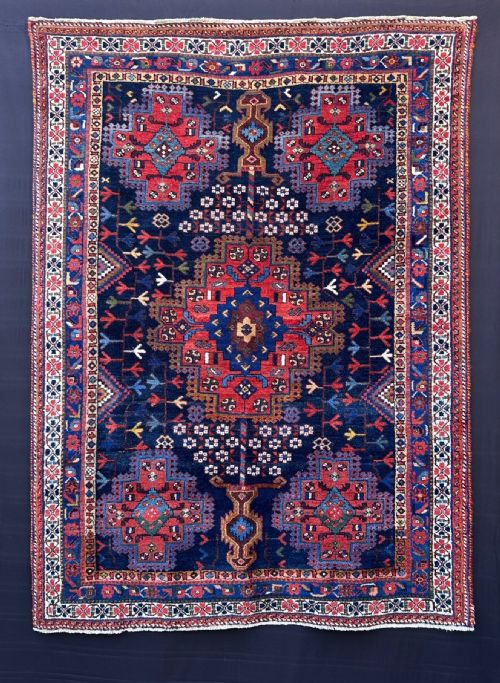
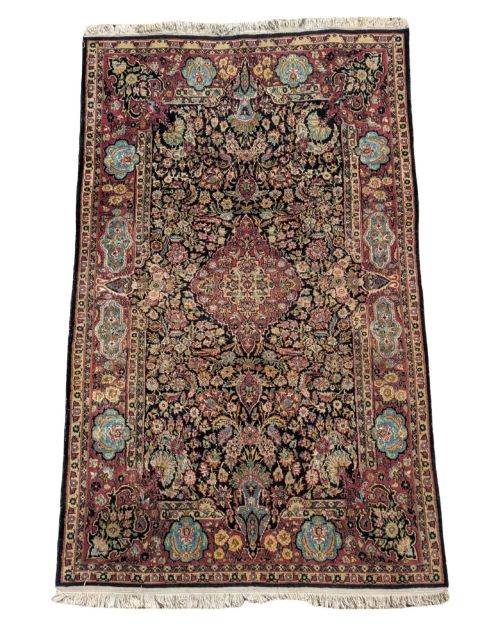
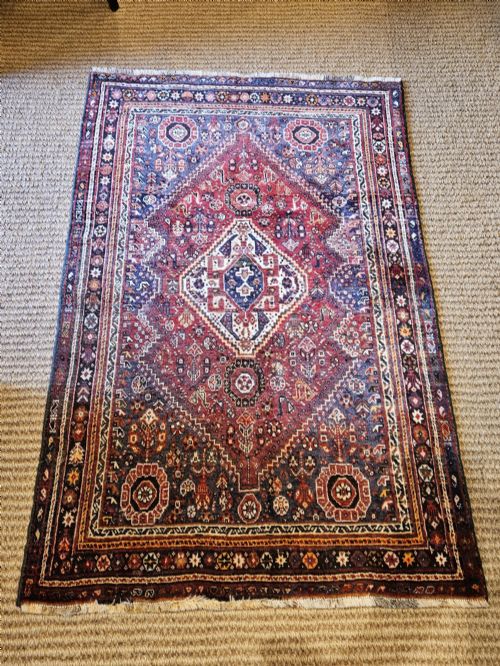
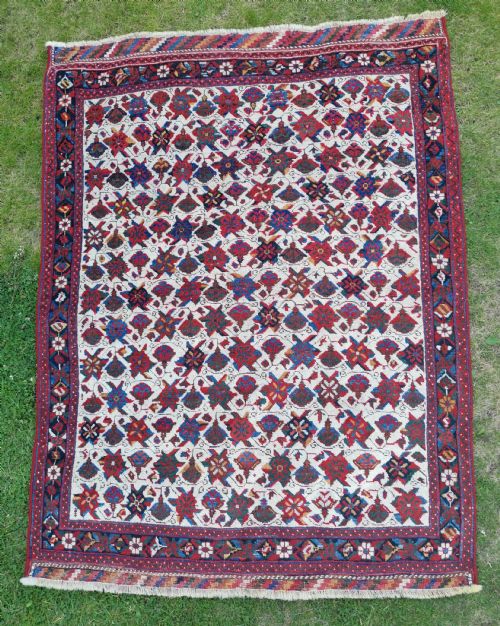
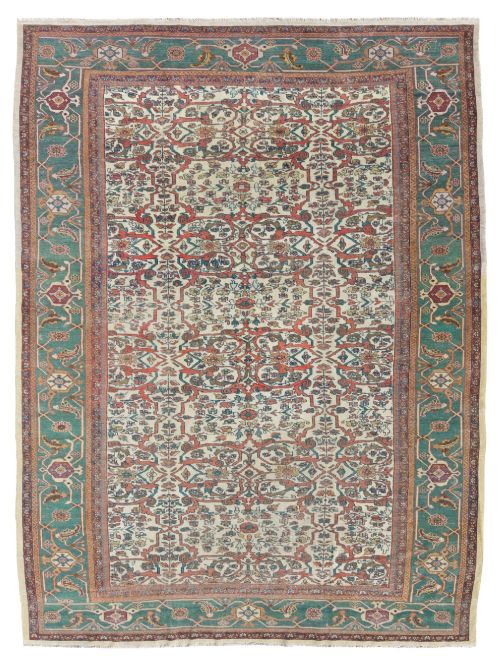
A persian woven floor rug represents a diverse tradition of textile production spanning from the nineteenth century into the twentieth century. These pieces encompass various formats, ranging from compact area rugs and hallway runners to large carpets designed for principal rooms. Buyers explore this category to acquire authentic floor coverings that anchor interiors with traditional patterns.
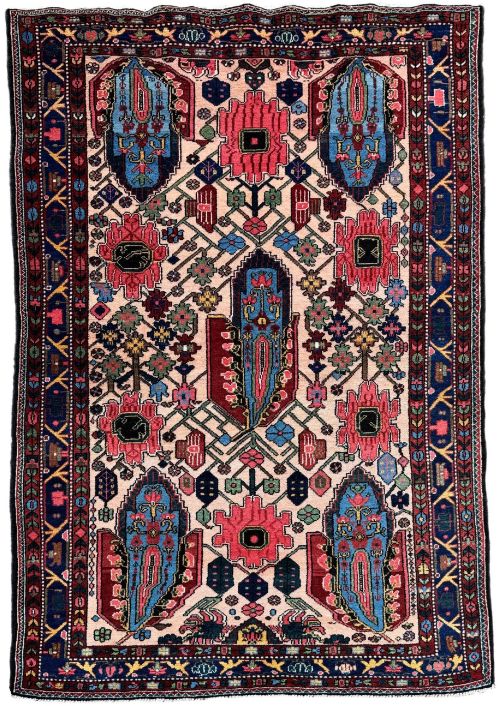
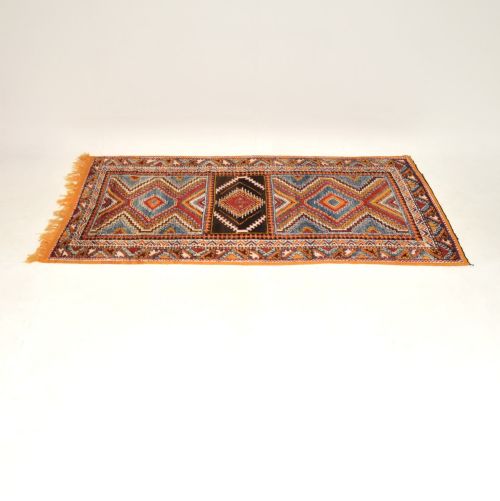
Village and tribal rugs offer geometric motifs and bolder, rustic palettes, while city carpets tend towards curvilinear medallions and refined floral layouts. Buyers frequently encounter formats suited to domestic spaces, including standard rugs and room-sized carpets. Every piece reflects the utilitarian purpose of floor protection combined with decorative expression.
Materials and construction methods
The construction relies fundamentally on wool, cotton, and silk as the primary materials for pile and foundation. Wool provides the resilient surface required for domestic footfall, often paired with cotton warps and wefts to create stable, flat-lying foundations. Certain pieces incorporate silk highlights or are woven entirely in silk to achieve finer detail and a lustrous handle.
Weavers knot the pile by hand onto vertical or horizontal looms, securing each strand with specific knotting techniques characteristic of particular regions. The foundational yarns intersect to form a sturdy matrix that supports the dense wool or silk pile. Finishing involves trimming the pile to an even height and securing the edges and ends to prevent fraying.
Some Baluch rugs include whimsical pictorial elements woven entirely from memory by nomadic makers.
Distinctions in craftsmanship
Knot density and structural tightness dictate the fineness of the weave and the clarity of the design. Higher knot counts allow for intricate curvilinear drawing and precise geometric rendering, whereas coarser weaves produce a more robust, simplified visual texture. The regularity of the weave across the field indicates the skill of the individual weaver.
The quality of the wool and the depth of the dye affect how the surface wears and ages over time. Hand-spun wool retains natural lanolin that contributes to suppleness, while well-fixed natural or early synthetic dyes mature gracefully with age. The integrity of the foundational structure determines how well the carpet withstands heavy placement on floors.
The Persian Woven Floor Rug Glossary
- Pile
- The upright yarn loops that form the tactile surface of the rug. This upper layer absorbs foot traffic and displays the woven design.
- Warp
- The vertical foundation threads stretched lengthwise on the loom. The pile knots are tied around these stationary parallel strands.
- Weft
- The horizontal threads passed across the warp strands between rows of knots. They bind the structure together and maintain the width of the rug.
- Medallion
- A symmetrical central ornament placed in the middle of the field. This focal motif often mirrors the spandrels in the corners.
- Spandrels
- The triangular corner ornaments situated in the corners of the main field. They complement the central medallion design.
- Field
- The central background area enclosed by the outer borders. This space contains the primary pattern or repeating motifs of the rug.
Persian Woven Floor Rug: Frequently Asked Questions
How do I clean a antique rug?
Professional specialist cleaning is essential for antique textiles to protect delicate wool, cotton, and silk fibres. Routine maintenance involves gentle suction vacuuming without a beater bar.
Water saturation and household detergents damage natural dyes and weaken the foundation structure. Specialist cleaners assess the dye stability before undertaking any immersion washing.
Can I place these carpets in hallways?
Specific formats like hallway runners are engineered narrow and long for corridors and passageways. Wool pile provides the necessary durability for areas with moderate foot traffic.
Underlay placement prevents slipping and reduces friction between the rug back and the floorboards. This extra layer extends the working life of the textile significantly.
What is the difference between village and city rugs?
Village and tribal rugs display geometric patterns, memory-driven designs, and saturated, rustic colour palettes. These pieces reflect nomadic or localized domestic production.
City carpets feature precise curvilinear drawing, intricate floral medallions, and sophisticated workshop planning. Master designers typically drafted these compositions before execution on urban looms.
How do I date an old rug?
Structural analysis of the foundation materials, knot types, and edge finishes provides primary chronological indicators. Chemical dye tests and regional stylistic evolution help narrow down the decade of production.
Wear patterns and material consistency offer supporting clues regarding the age of the piece. Comparative study against documented workshop examples refines the attribution.