
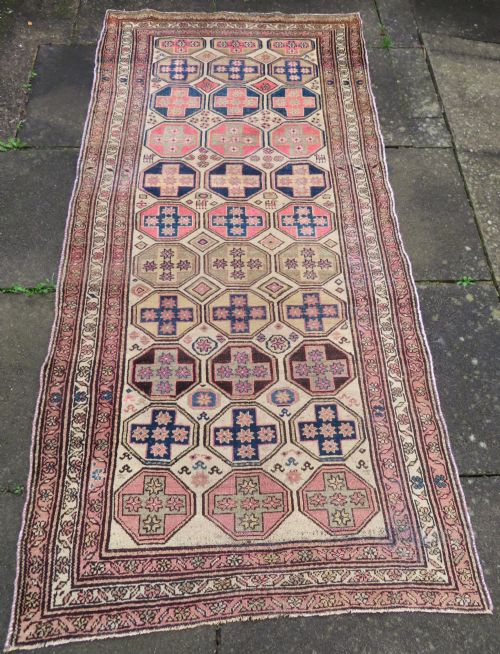

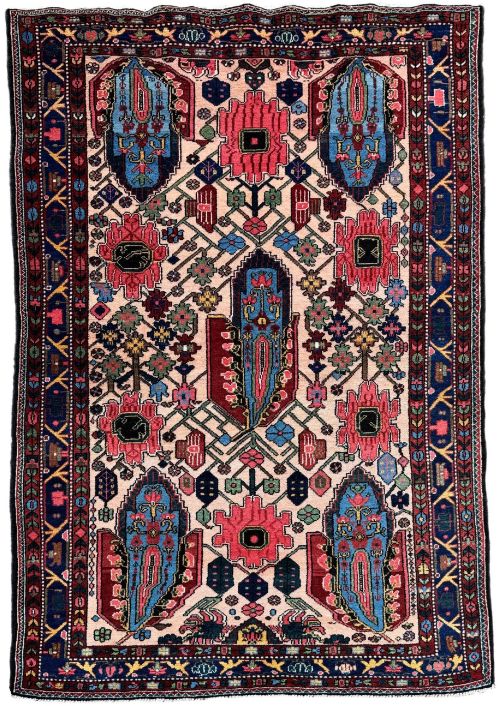
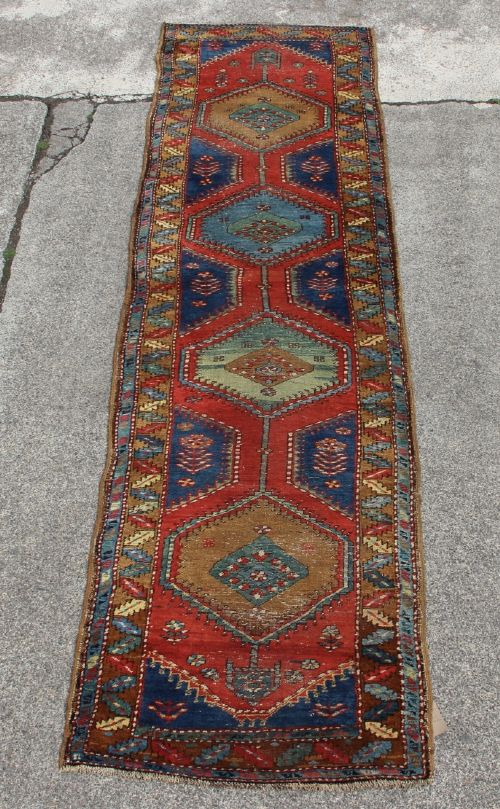

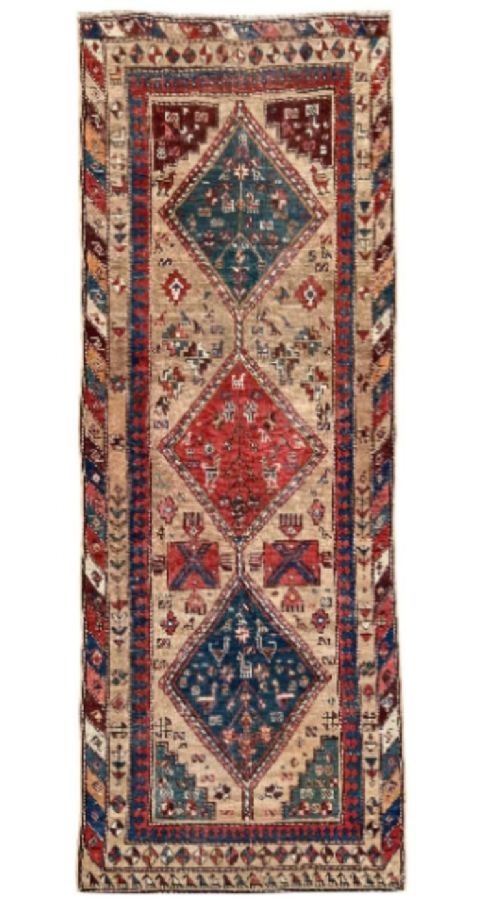
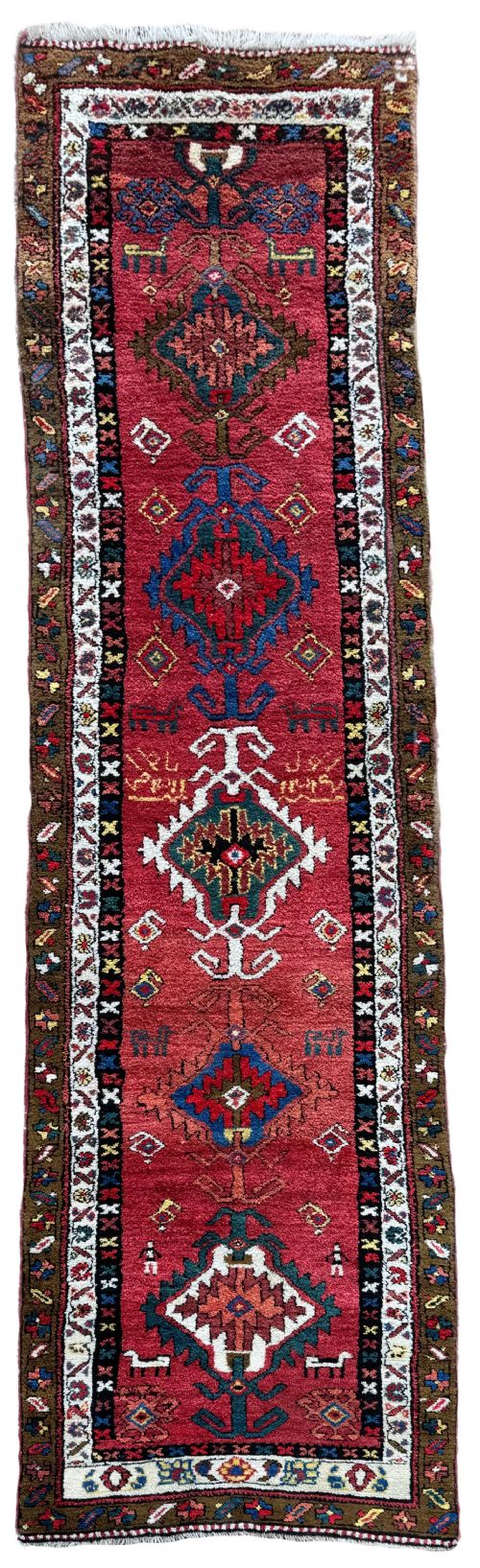
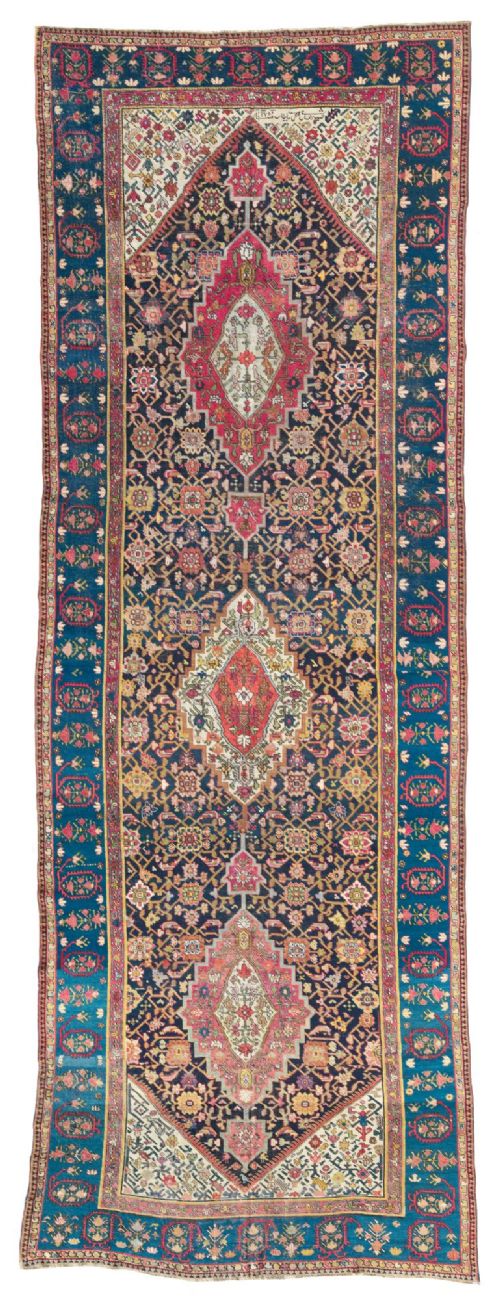
Persian Tribal Wool Runner
A persian tribal wool runner brings hand-spun character and geometric depth to a hallway, woven by village hands to last for generations.
Persian Tribal Wool Runner
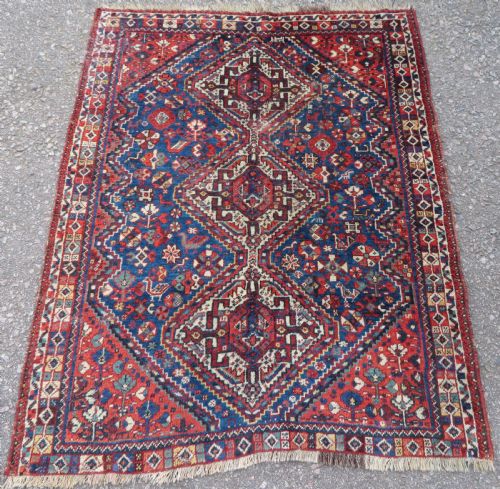
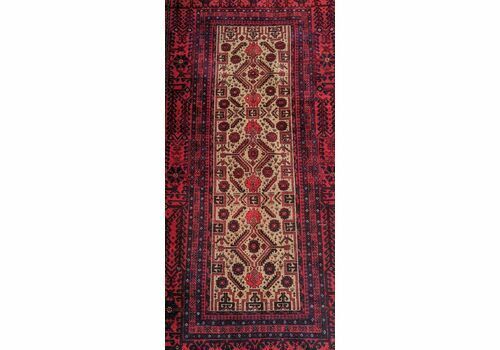
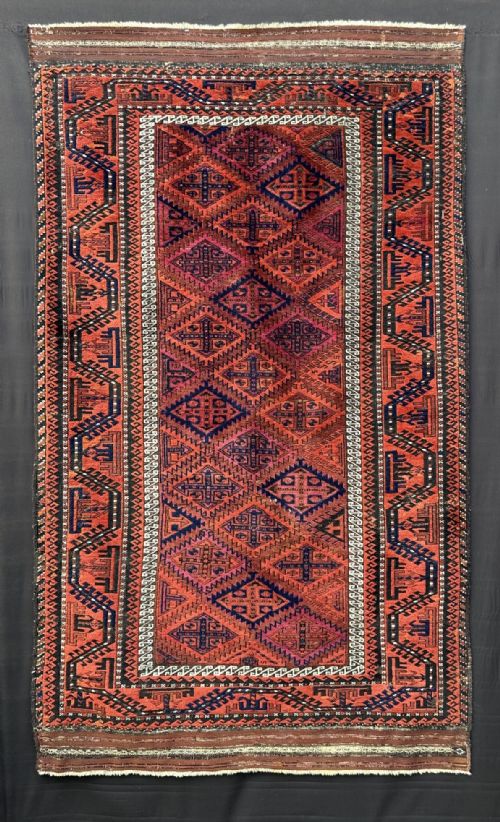
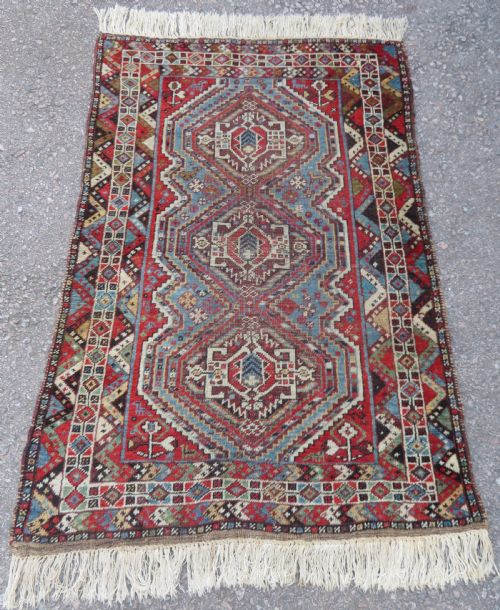
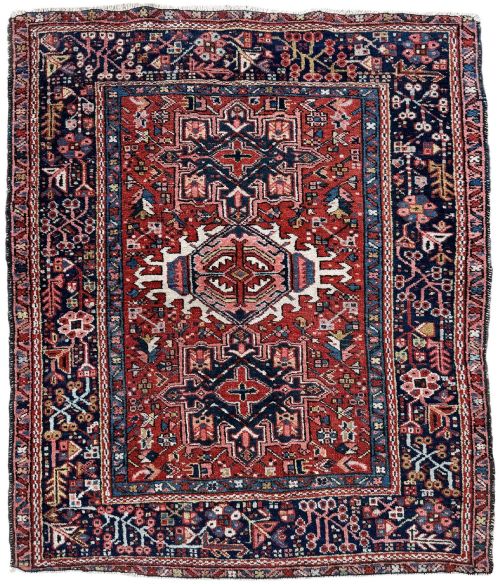
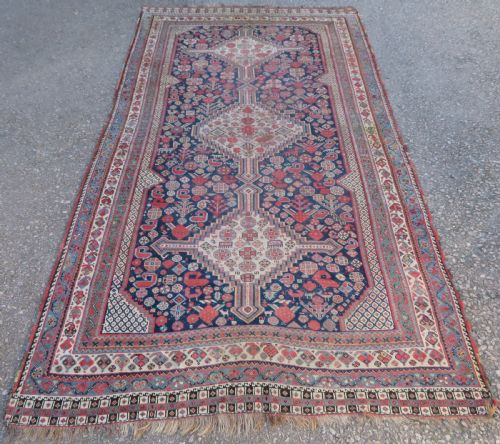
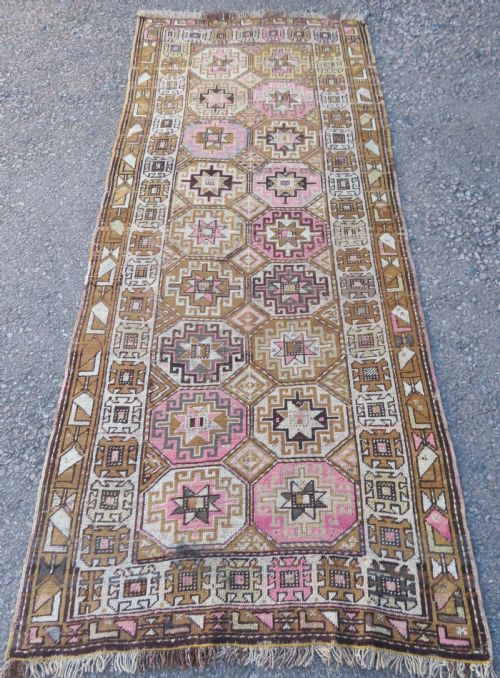
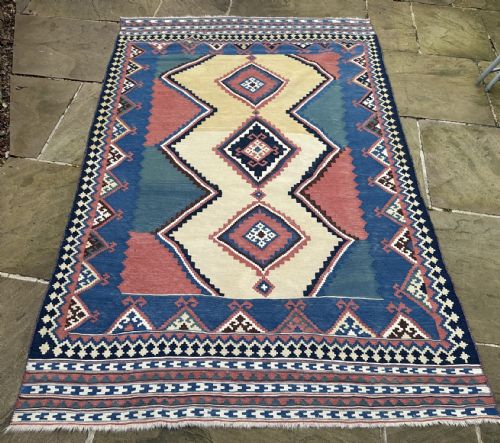
A persian tribal wool runner is a long, narrow textile traditionally woven for corridors, landings and narrow rooms by nomadic and village weavers. These pieces draw from distinct regional aesthetics, showing up in formats such as Kurdish, Baluch, Hamadan and Heriz configurations.
The examples found here date primarily across the late nineteenth century and the opening decades of the twentieth century. They present elongated proportions suited to domestic hallways, moving away from square formats to span considerable lengths.
Village and tribal weaving traditions dictate the vocabulary of these runners, relying on repeated motifs and geometric field designs rather than rigid court symmetry. Each piece reflects the specific heritage of the weavers who tied the knots on vertical looms.
Materials and construction
Construction relies heavily on sturdy wool and cotton foundations, utilising hand-spun wool for the pile to achieve a dense and resilient surface. Natural dyes provide the palette, yielding stable shades of madder red, indigo and earthy tones that age gracefully over decades.
Weavers tied symmetrical or asymmetrical knots upon warps of cotton or wool, binding the horizontal wefts tightly to create a durable textile. Edge finishes typically involve overcast selvedges in wool, while the ends are secured with kilim end-weavings.
Formats range from compact hearth rugs to hallway runners extending over six metres in length.
Assessing quality
Quality rests upon the tightness of the knotting and the handling of the pile, which dictates how sharply the geometric motifs are defined. Tighter packing of the foundation produces a heavier, more stable runner that lies flat and withstands heavy foot traffic.
The integrity of the natural dyes separates finer examples from standard production, as depth of colour and subtle abrash indicate skilful dyeing. Well-balanced proportions and rhythmic spacing of the tribal guls or lattice patterns elevate the visual impact of the weaving.
Bakhtiar·Heriz·Bidjar·Karabagh
The Persian Tribal Wool Runner Glossary
- Gul
- A repeating medallion or octagonal motif frequently found in tribal rugs and runners. These symbols often denote specific tribal or village origins.
- Abrash
- Variations of colour within a single field of dye, caused by changes in wool batches or successive dye vats. This tonal variation is prized by collectors as a sign of authentic hand-dyed work.
- Selvedge
- The bound or reinforced edge running along the long sides of a rug. It prevents the knots from unravelling and maintains the straight geometry of a runner.
- Kelim
- A flat-woven textile technique often utilised at the flat ends of a piled runner. It protects the structural knots from fraying.
- Warp
- The vertical foundation threads stretched lengthwise on the loom before knotting begins. Cotton and wool are the primary materials utilised for these structural elements.
Persian Tribal Wool Runner: Frequently Asked Questions
Where should I place a long runner?
These narrow textiles suit hallways, corridors and landings where floor coverings soften footsteps and protect timber boards.
Their elongated proportions bridge open spaces while adding texture and warmth to high-traffic domestic thoroughfares.
How do I clean an antique wool runner?
Regular gentle vacuuming without a rotating brush lift surface dust without disturbing the wool pile.
Professional textile cleaning remains the safest method for addressing deeper soil or spills without damaging natural dyes.
Are natural dyes easy to spot?
Natural dyes display subtle tonal variations and gentle shifts across the surface as the yarn absorbs colour unevenly.
These vegetable and insect extracts weather uniformly into soft patinas rather than fading harshly.
How do I identify tribal designs?
Tribal designs rely on repeating geometric motifs, stylized flora and characteristic guls rather than intricate court curves.
These patterns stem from memory and local tradition rather than drawn cartouches.