
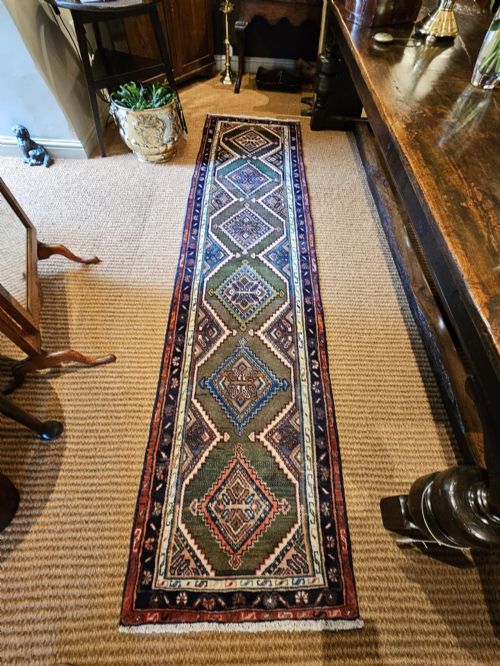



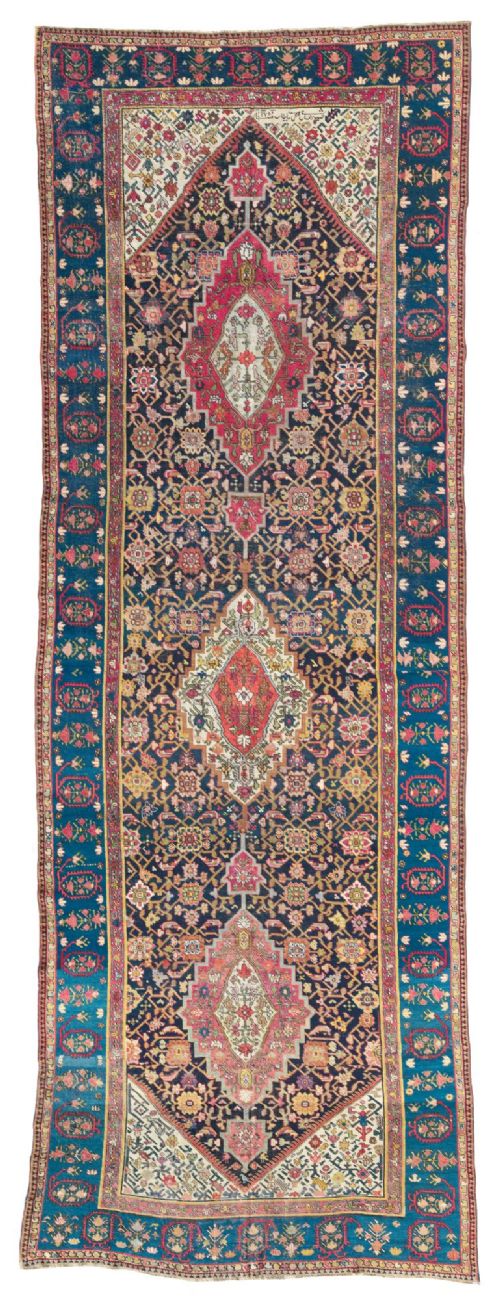

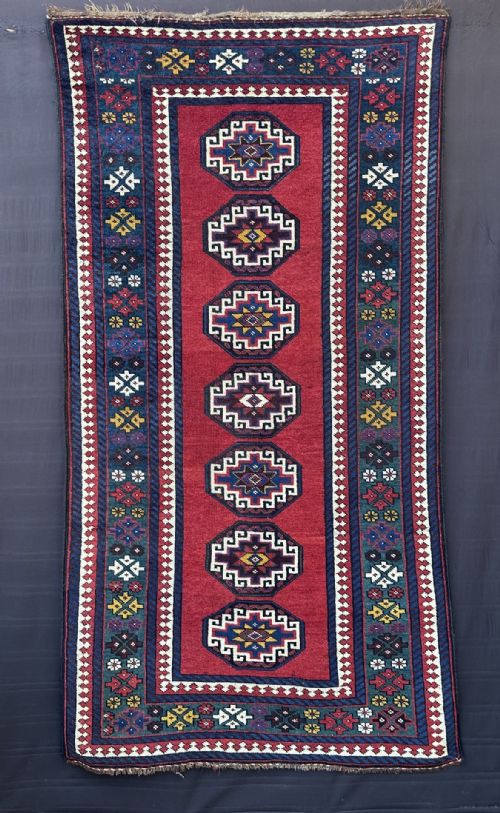
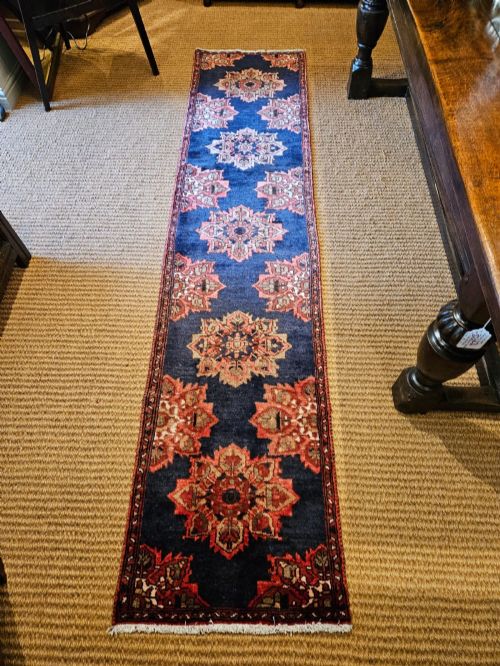


Persian Style Runner Rug
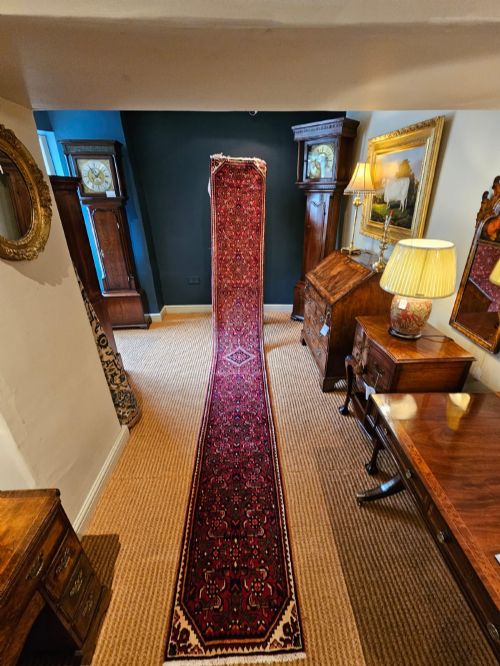
A persian style runner rug brings warmth and linear rhythm to a long hallway, drawing the eye along a corridor with rich traditional patterns.
Persian Style Runner Rug
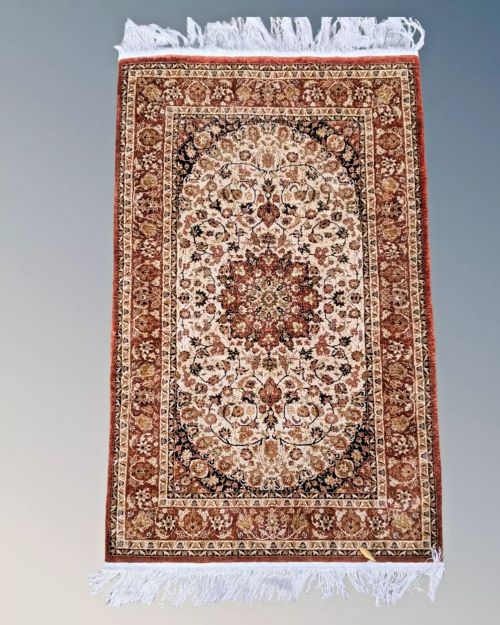
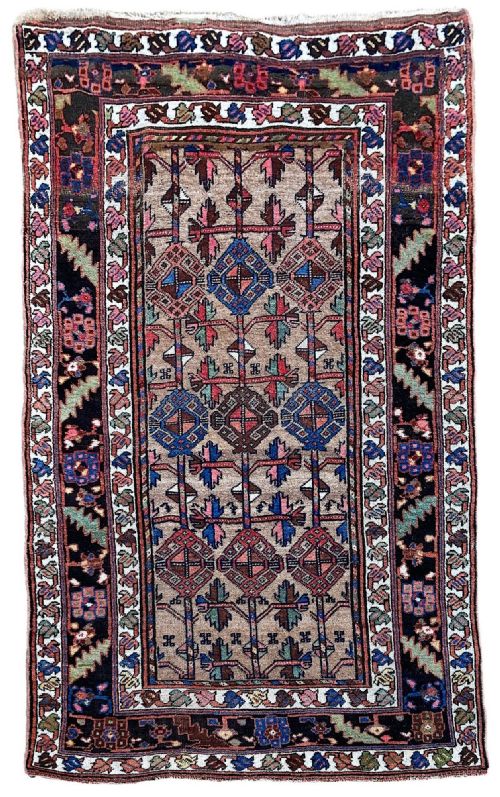
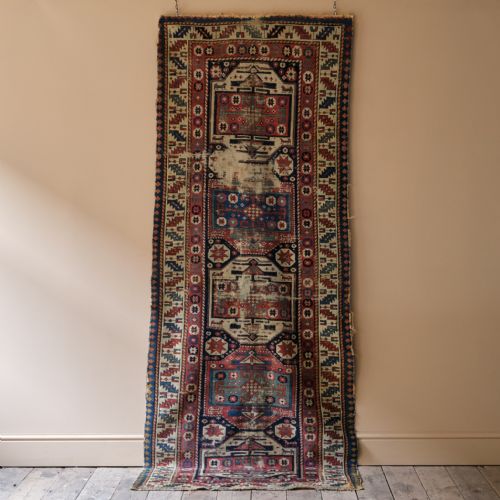
A persian style runner rug is a long, narrow textile designed specifically for corridors, hallways, and narrow spaces within a home. These pieces bring historic character to high-traffic domestic areas through traditional weaving techniques and enduring regional designs.
The selections available here span from the late nineteenth century through to the early decades of the twentieth century. They encompass tribal and village workshop outputs from across Persia and the wider Caucasus region, showing distinct regional aesthetics.
Buyers will encounter specific regional types such as Heriz, Sarab, and Karadja runners, alongside Kurdish, Afshar, and Caucasian tribal pieces. These narrow formats were woven to fit domestic architecture while displaying complex medallion and geometric motifs.
Materials and construction
These floor coverings are constructed primarily from wool pile on cotton or wool foundations, utilising hand-spun yarns that accept traditional natural dyes with deep variation. Certain examples incorporate camel hair or silk to highlight specific design elements and add textural contrast.
Weavers knotted these textiles by hand using traditional upright looms, employing dense knotting techniques that ensure structural resilience over decades of daily foot traffic. The reliance on hand-spun materials gives the pile a characteristic tactile depth and organic ageing process.
The listings span weaving traditions from 1850 through to 1930, featuring materials like camel hair, silk, and hand-spun wool.
Assessing quality and character
Quality in these floor coverings rests upon the integrity of the weave, the clarity of the regional design, and the richness of the dye palette. Finer examples display precise geometric or curvilinear draughtsmanship executed with resilient hand-spun wool.
The distinction between standard village production and exceptional workshop output lies in the saturation of natural colours and the complexity of the tribal iconography. A superior piece maintains structural integrity while showing the harmonious patina accumulated through decades of use.
The Persian Style Runner Rug Glossary
- Kelleh
- A large format carpet, longer than a standard rug but wider than a runner. These proportions suit substantial drawing rooms and reception spaces.
- Medallion
- A central ornamental motif dominating the field of the textile. It often anchors the symmetrical geometry of tribal and village designs.
- Boteh
- A traditional almond-shaped or paisley motif representing a floral shoot or cypress tree. This ancient symbol appears frequently across Persian and Caucasian weaving.
- Natural Dyes
- Colourants derived from plants, insects, and minerals rather than synthetic chemistry. They produce rich, variable tones that mellow gracefully over time.
Persian Style Runner Rug: Frequently Asked Questions
Where should I place a runner in my home?
These narrow textiles suit hallways, corridors, and long entryways where floor space is constrained. They soften footfall and protect wooden floorboards while guiding movement through a property.
Position them centrally in corridors, ensuring adequate clearance from skirting boards and doors to allow smooth opening and closing.
How do I care for an antique wool runner?
Regular gentle vacuuming without a beater bar prevents dust accumulation within the wool pile. Professional cleaning should be undertaken periodically by specialists in antique textiles.
Keep these pieces out of direct, intense sunlight to protect natural dye colours from fading prematurely over the years.
What is the difference between Heriz and Sarab runners?
Heriz runners typically feature bold, geometric medallions and robust structural wool suited to heavy domestic use. Their designs lean toward architectural rigidity and strong primary tones.
Sarab runners often display camel hair backgrounds in warm golden-brown tones, accompanied by subtle Herati or repeat geometric patterns originating from north-west Persia.
How can I tell a tribal runner from a workshop piece?
Tribal runners woven by nomadic or village groups often display spontaneous asymmetry, charming irregularities, and deeply personal symbolic motifs. Their designs rely on memory rather than precise cartoon guides.
Town workshop carpets exhibit highly refined symmetry, intricate curvilinear floral arrangements, and precise draughtsmanship executed by professional weavers.