



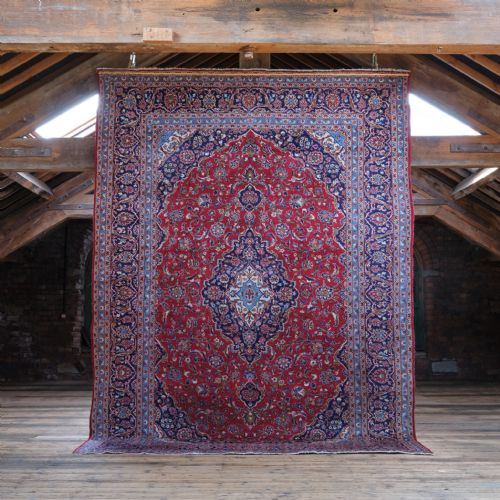


Persian Style Floor Rug
A persian style floor rug brings warmth and traditional pattern to a room, offering durability and historical depth.
Persian Style Floor Rug
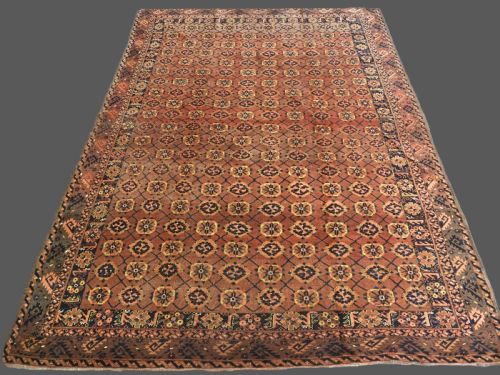
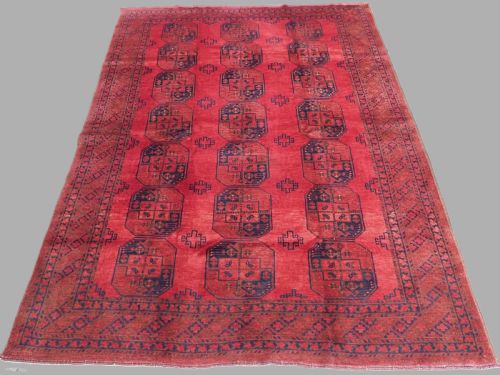
A persian style floor rug encompasses woven floor coverings originating from various periods, predominantly dating from the late nineteenth century through to the mid-twentieth century. Buyers searching this phrase encounter a rich variety of formats, ranging from large room-size carpets to long hallway runners and smaller scatter rugs.
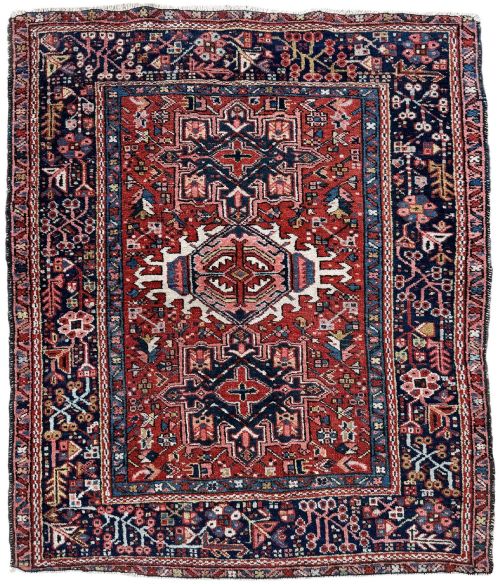
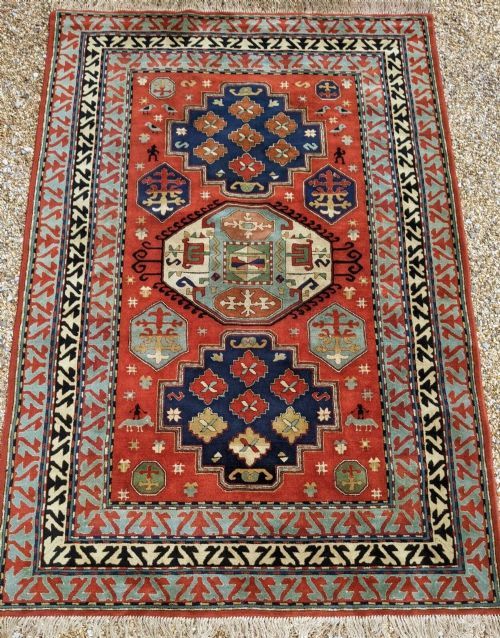
The selections on this page heavily feature traditional regional types and tribal designs, including Heriz, Karaja, Oushak, and Shiraz pieces. These floor coverings bridge centuries of weaving tradition, presenting geometric medallions, all-over patterns, and intricate floral motifs.
How they were made
Makers utilised natural materials such as wool, cotton, and silk to construct these textiles, with hand-spun wool and hand-knotted techniques frequently appearing in the listings. These traditional methods ensure structural integrity and a dense pile capable of withstanding decades of foot traffic.
Weavers employed intricate knotting and hand-weaving techniques on vertical looms, building up complex designs using dyed yarns derived from local resources. The combination of cotton foundations and wool or silk piles provides both stability and textural richness.
Current listings span production dates from 1850 to 1940, featuring wool, cotton, and silk materials across tribal and traditional Persian styles.
What varies in quality
Quality in these floor coverings rests upon the density of the knotting, the fineness of the materials utilised, and the precision of the design execution. Tighter knots and superior hand-spun wool create greater resilience and sharper definition in the pattern.
The sophistication of the dyes and the balance of the composition further distinguish finer examples from standard village pieces. Age and regional provenance also influence the standing of an individual carpet within the broader spectrum of surviving textiles.
The Persian Style Floor Rug Glossary
- Kelleh
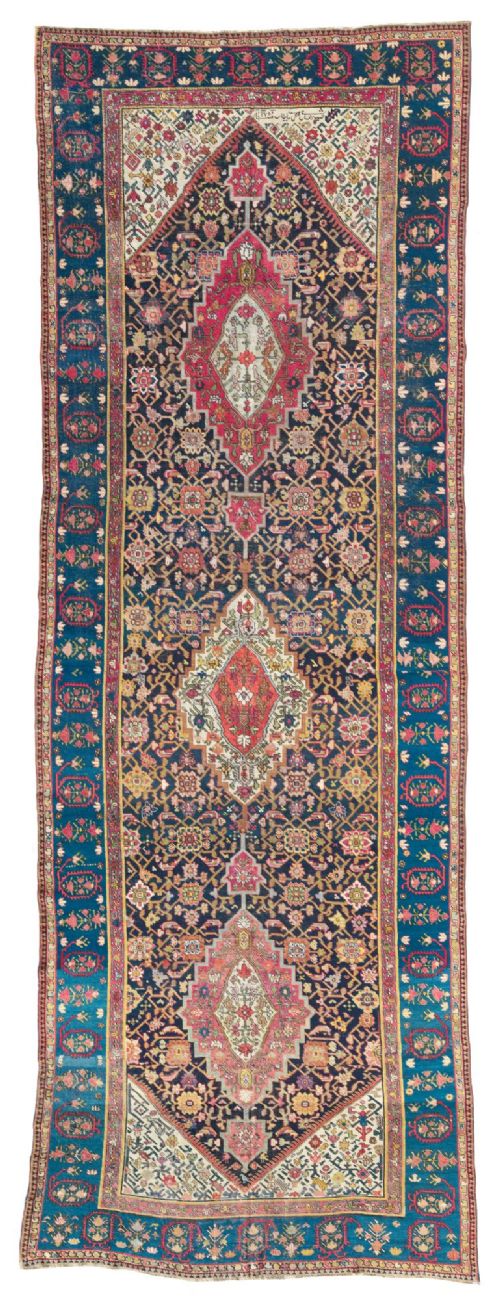
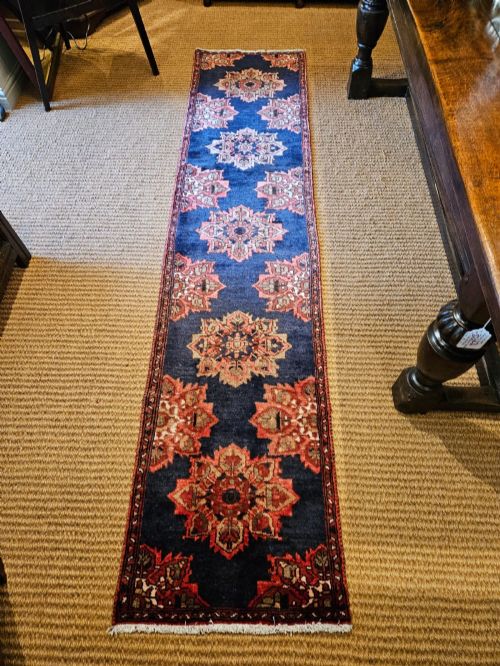
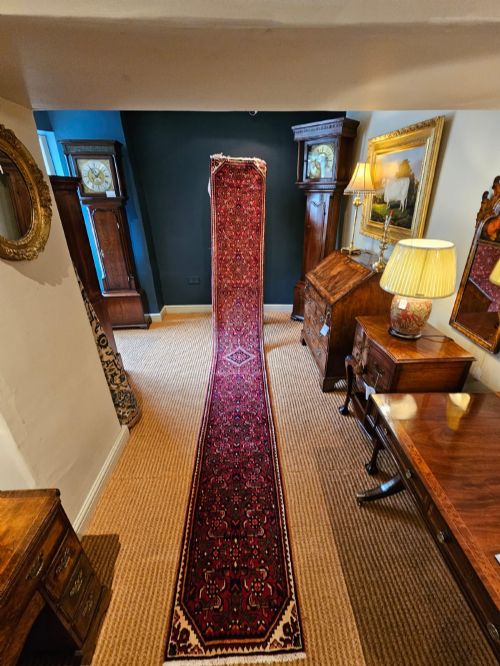
- A long, rectangular format of carpet, typically narrower than a standard room-size rug. This proportion suits placement in hallways or narrow spaces.
- Heriz
- A style of carpet originating from north-west Persia, known for bold geometric medallions and robust structural qualities. These pieces often display large-scale corner spandrels.
- Runner
- A long, narrow rug designed specifically for corridors, staircases, and hallways. These pieces guide movement through domestic spaces.
- Oushak
- A type of carpet originating from Turkey, distinguished by softer colour palettes and larger, looser floral designs. They integrate smoothly into diverse interior schemes.
- Medallion
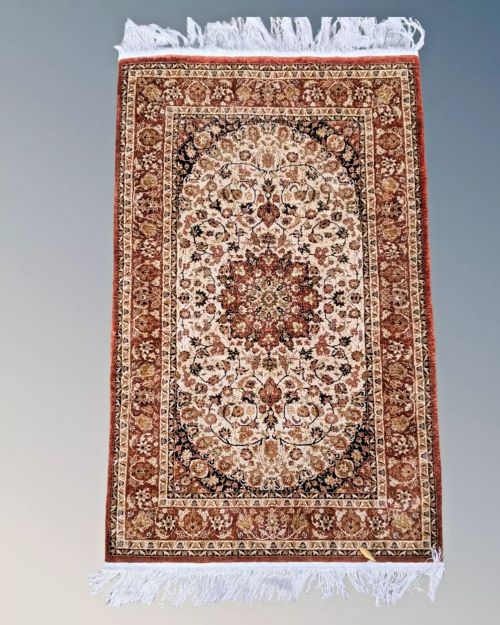
- A central ornamental motif set into the field of a rug. This focal point anchors the symmetrical layout of traditional designs.
Persian Style Floor Rug: Frequently Asked Questions
How do I place a runner rug?
A runner rug fits well in hallways, corridors, and narrow entryways where it protects flooring and adds visual interest. Position the piece centrally to maintain even borders of exposed floor on either side.
Ensure the rug sits flat and consider a suitable underlay to prevent sliding in high-traffic areas.
What rooms suit a large carpet?
Large carpets suit principal reception rooms, dining areas, and spacious bedrooms where they anchor the furniture arrangement. Placing the front legs of seating pieces on the rug helps unify the space.
Allow adequate clearance around the edges of the carpet to frame the flooring properly.
How do I care for wool rugs?
Regular gentle vacuuming without a rotating brush roll keeps dust and grit from settling deep into the wool pile. Address spills promptly by blotting rather than rubbing the affected fibres.
Professional cleaning preserves the integrity of natural dyes and hand-knotted foundations over time.
How do I identify regional rug types?
Regional types reveal themselves through specific design motifs, colour combinations, and knotting structures unique to their area of origin. Heriz pieces show bold geometry, whilst Oushak carpets display softer floral curves.
Comparing border patterns and palette choices helps differentiate between Persian, Caucasian, and Turkman traditions.