

Patterned Red Wool Carpet
A patterned red wool carpet brings rich colour and deep tribal character to a floor.
Patterned Red Wool Carpet
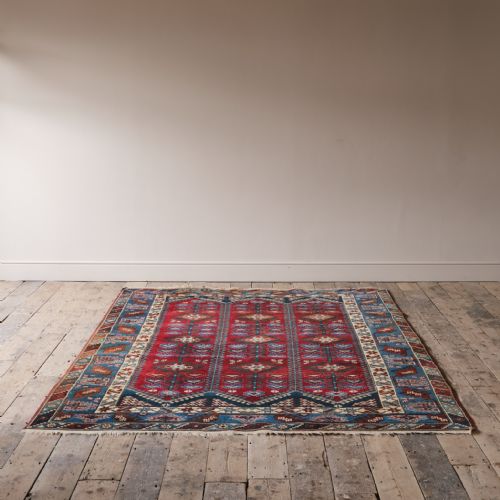
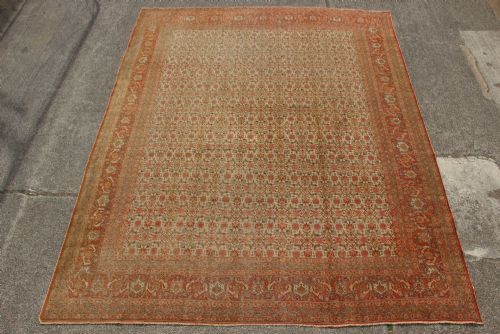
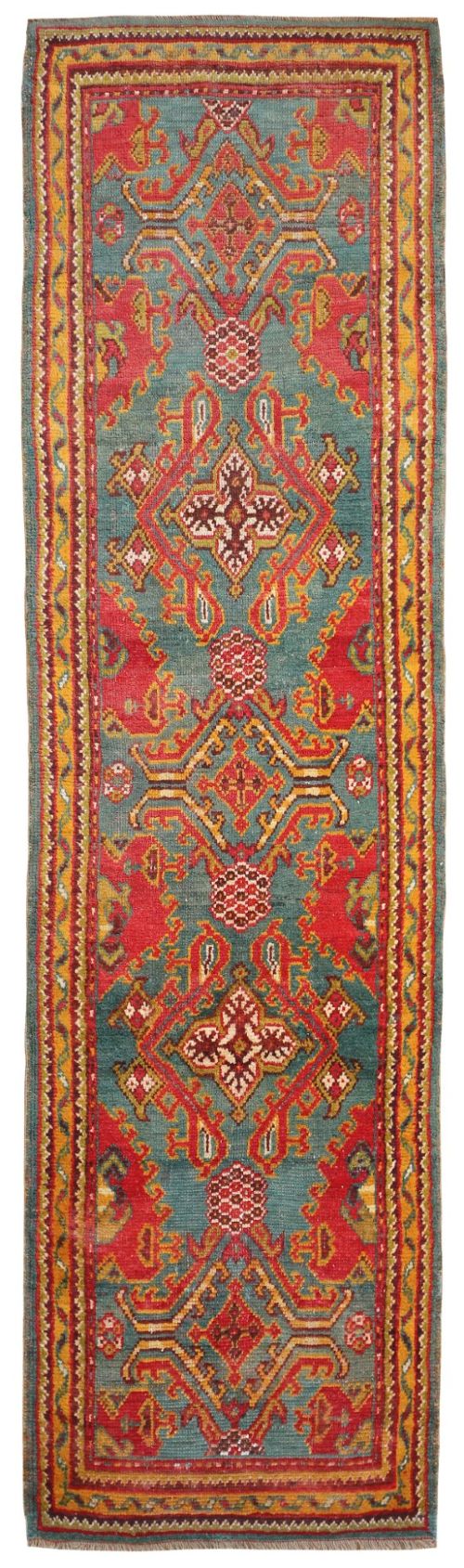
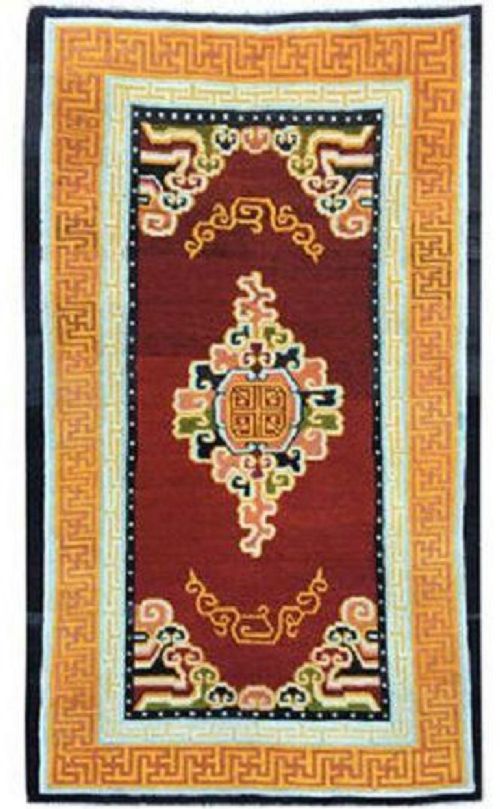
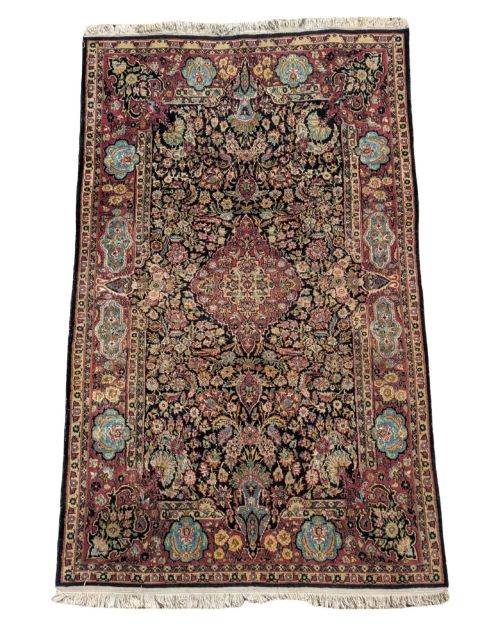
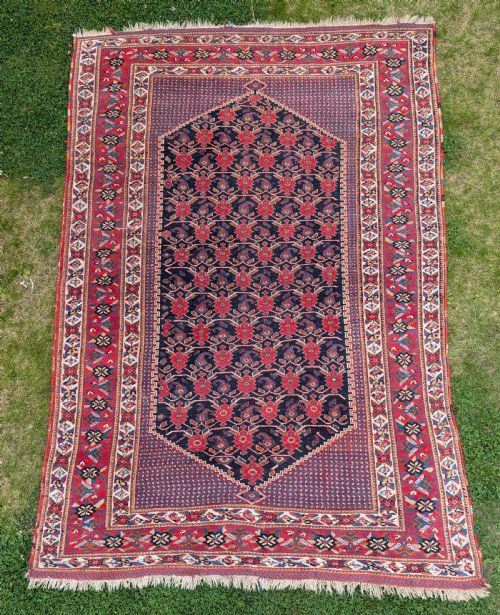
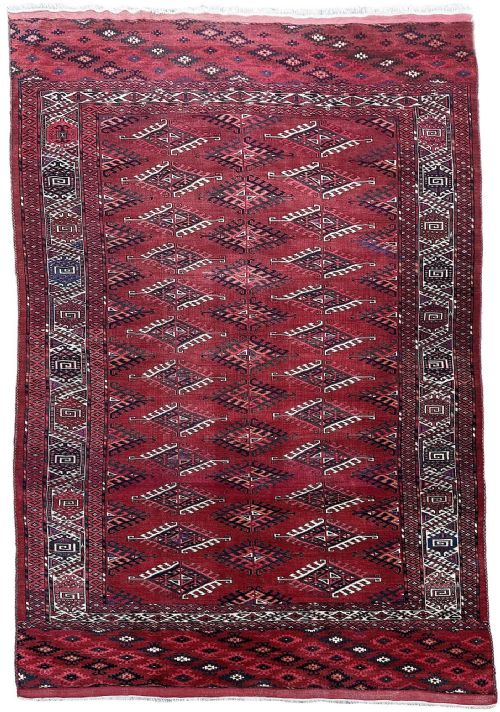
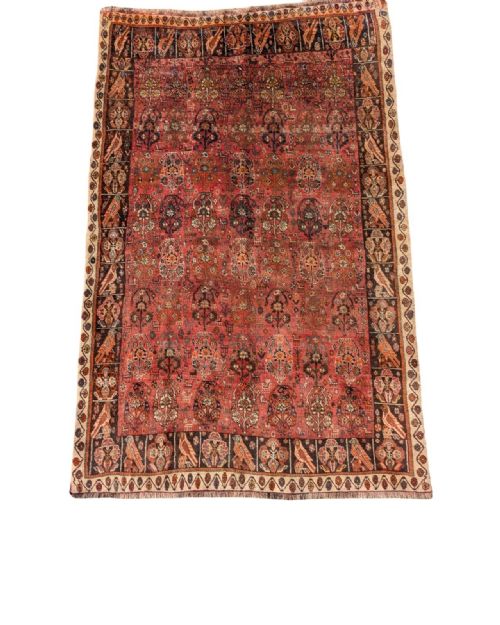
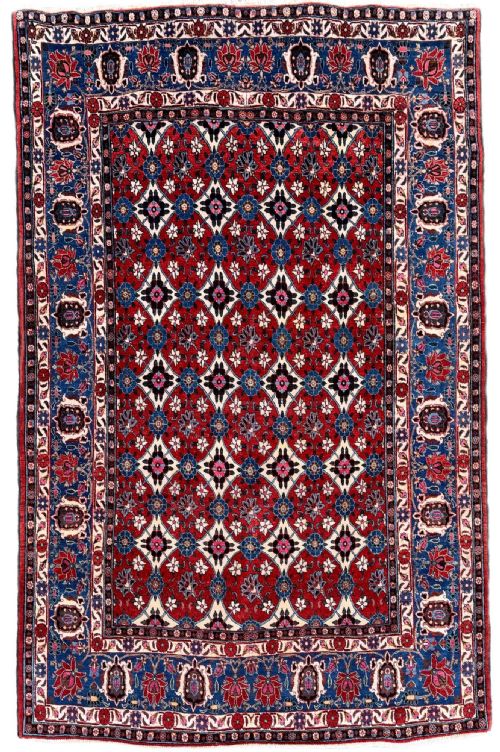
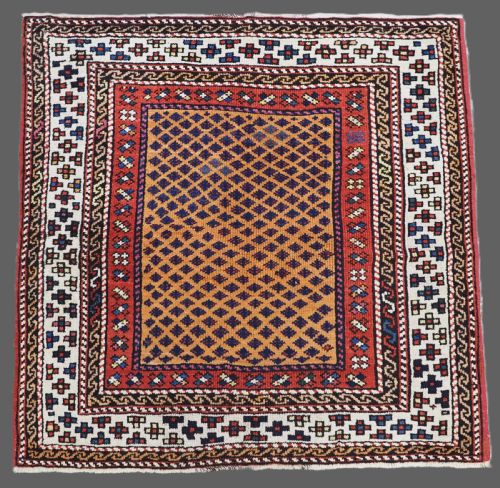
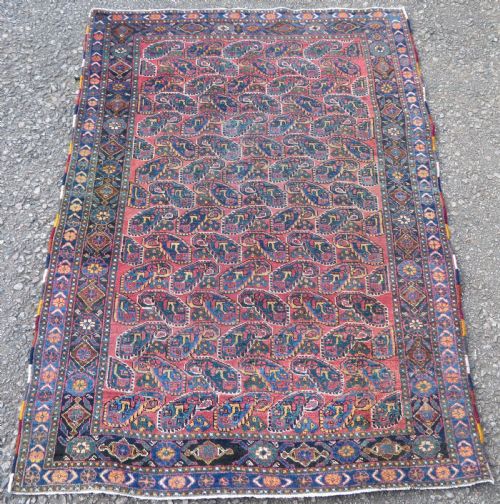
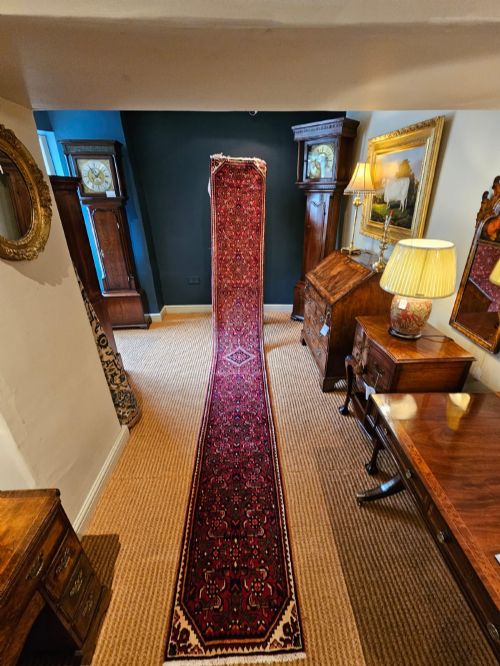
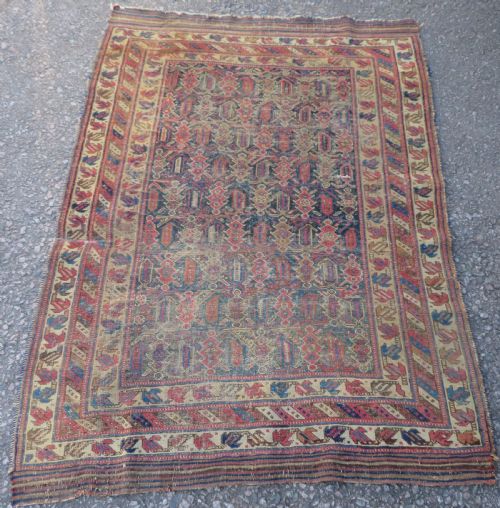
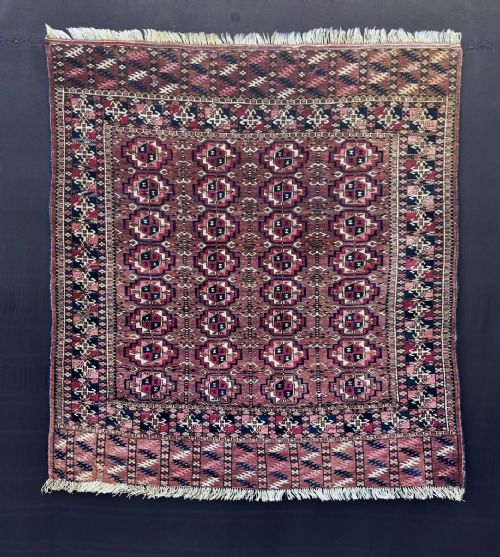
A patterned red wool carpet spans nomadic tribal weaving and formal city workshops from the nineteenth century into the twentieth. When searching this phrase, a buyer meets pieces originating from Persia, Central Asia, the Caucasus, and Turkey, encompassing styles like Persian, Turkmen Tribal, and Caucasian. These floor coverings arrive in various formats, from runners to large area carpets and square room sizes.
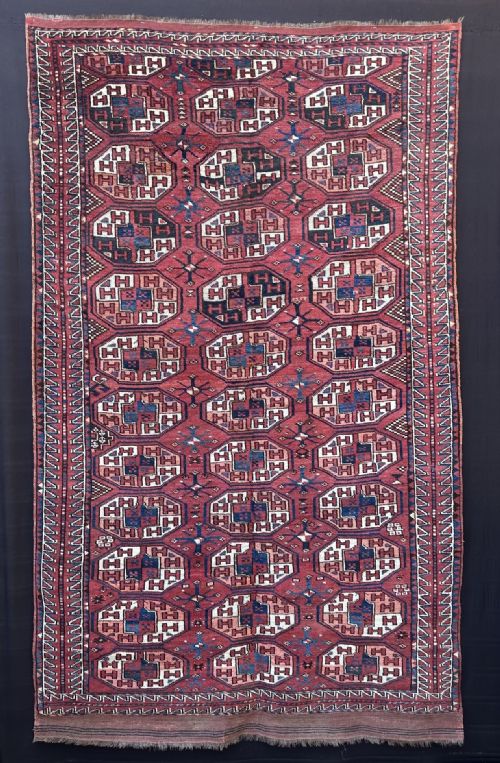
The most common examples on this page are hand-knotted tribal and village rugs featuring rich crimson and madder red grounds. Pieces associated with Yomut, Ersari, Afshar, and Kashgai traditions appear alongside city workshops such as Kashan, Fereghan, and Ushak. Geometric medallions, all-over boteh motifs, and lattice designs dominate the visual language of these floor coverings.
Materials and Construction
These textiles rely principally on wool, cotton foundations, and occasionally silk highlights to create durable floor coverings. Weavers utilised natural dyes to achieve deep red tones, often pairing hand-spun wool with sturdy cotton warps and wefts.
The construction involves hand-knotting techniques executed on vertical or horizontal looms. Artisans tied symmetrical or asymmetrical knots by hand, securing the pile firmly before finishing the ends and sides.
Listings span periods from the nineteenth century through the 1940s, featuring wool, cotton, silk highlights, and natural dyes across Persian, Caucasian, and Turkmen styles.
The Measure of Quality
Quality rests in the handled weight of the wool, the clarity of the natural dye palette, and the precision of the knotting. Finer examples display denser knot counts per square inch, allowing intricate geometric or floral motifs to maintain crisp outlines.
The integrity of the foundation and the retention of original borders also separate superior pieces from standard examples. Hand-spun wool with rich saturation ages gracefully, whereas overly worn pile or compromised structure alters the longevity of the textile.
The Patterned Red Wool Carpet Glossary
- Boteh
- A stylised almond or pear-shaped motif of Persian origin often repeated across the field. It represents a traditional symbol of life and eternity.
- Gul
- An octagonal medallion or floral motif frequently repeated in Turkmen and Central Asian tribal weaving. Each design often identifies a specific tribe or clan.
- Knot count
- The number of individual knots per square inch or decimetre in a handmade rug. Higher density generally permits greater detail in the pattern.
- Runner
- A long, narrow carpet format designed specifically for hallways, corridors, or alongside furniture. These pieces balance length with a restricted width.
- Warp and weft
- The foundational threads of a woven textile where the vertical warps support the structure and the horizontal wefts bind the knots in place.
Patterned Red Wool Carpet: Frequently Asked Questions
How do I clean an antique wool rug?
Professional specialist cleaning is essential for antique textiles to protect natural dyes and fragile wool fibres. Regular gentle surface vacuuming without a beater bar removes loose dust safely.
Water saturation or chemical household cleaners damage the wool and foundation threads. Consult a conservator experienced in historic rugs for any restorative washing.
Are these carpets suitable for heavy hallways?
Many sturdy tribal rugs and runners withstand regular walking traffic due to dense wool pile and robust foundations. Placing a quality underlay beneath the textile prevents slipping and cushions the fibres against hard floors.
Delicate silk highlights or extremely fine antique weaves warrant placement in low-traffic areas to preserve their structural integrity.
How do I identify a tribal rug from a city rug?
Tribal and village rugs typically feature geometric motifs, bold primary medallions, and slightly irregular designs woven from memory. Their colour palettes rely on saturated madder reds and earthy tones derived from natural sources.
City carpets display balanced floral compositions, curvilinear vines, and precise symmetry executed within established workshop traditions.