



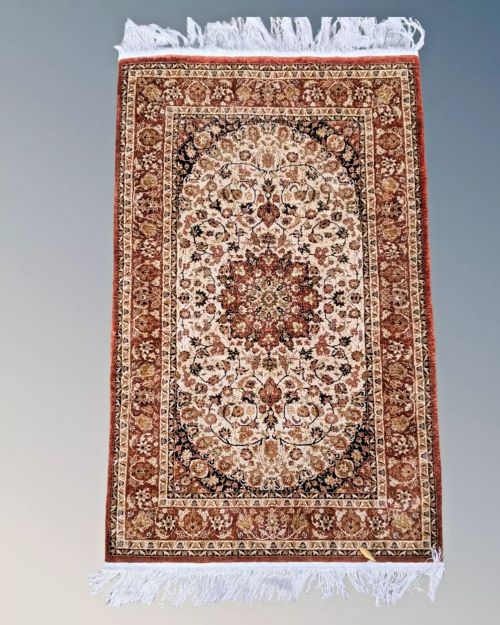
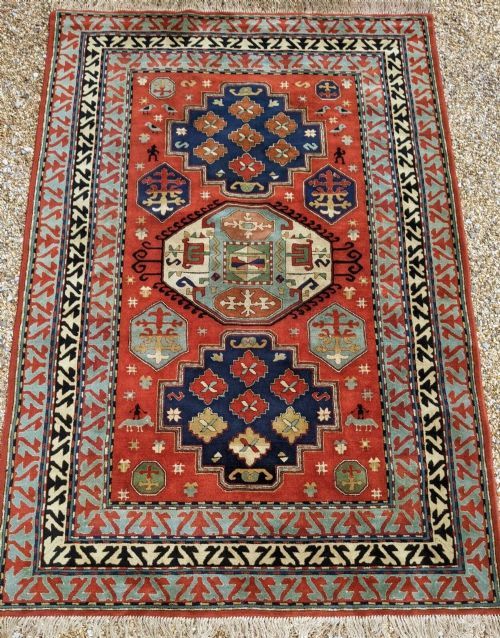
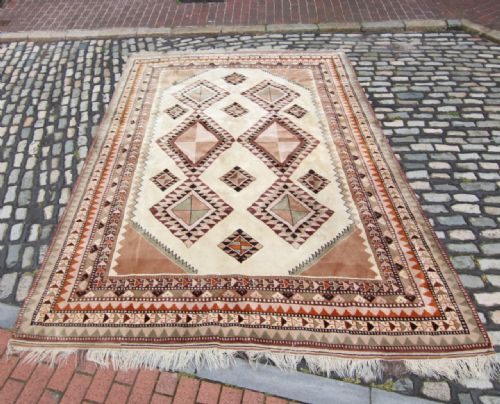
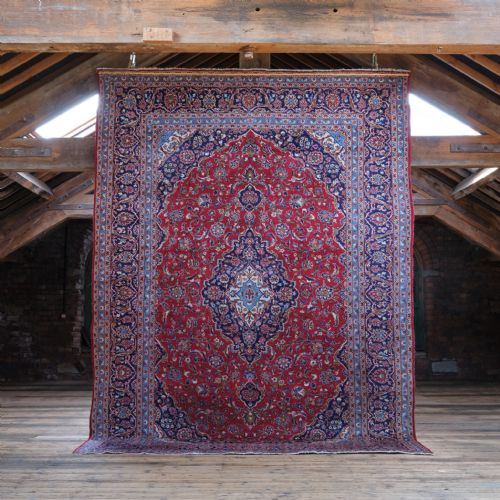
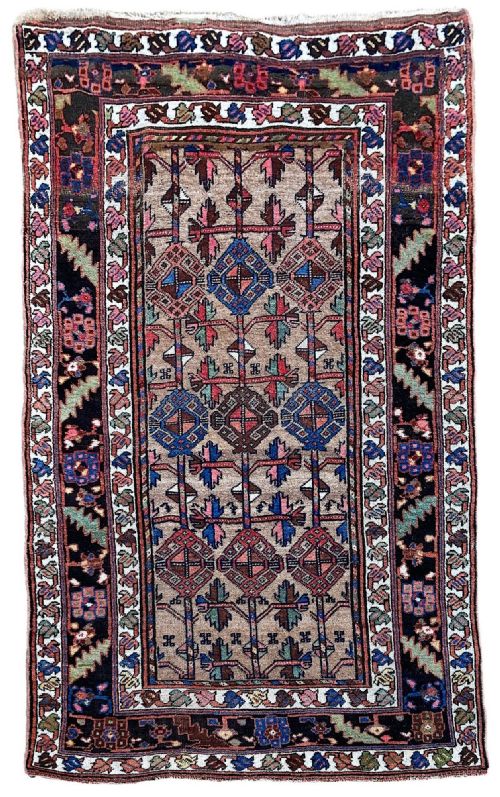


Persian Style Area Carpet
A persian style area carpet brings warmth and grounded pattern to a room, drawing on decades of woven village and town traditions.
Persian Style Area Carpet
A persian style area carpet encompasses floor coverings designed around traditional motifs, geometric medallions, and floral layouts. When searching for a persian style area carpet, buyers encounter pieces originating from village workshops, tribal groups, and regional weaving centres.
The selections available span multiple decades, primarily originating from the late nineteenth century through to the mid-twentieth century. Forms range from compact scatter formats to large country house proportions and expansive floor coverings.
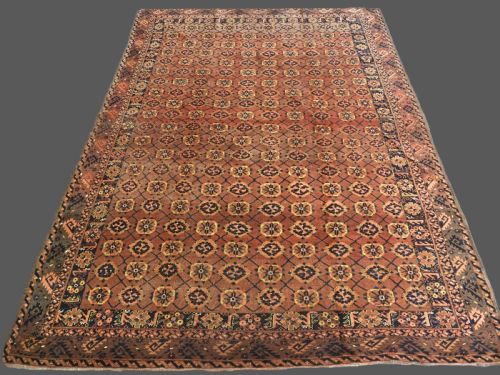
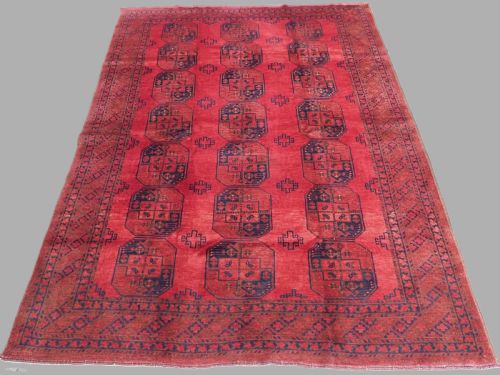
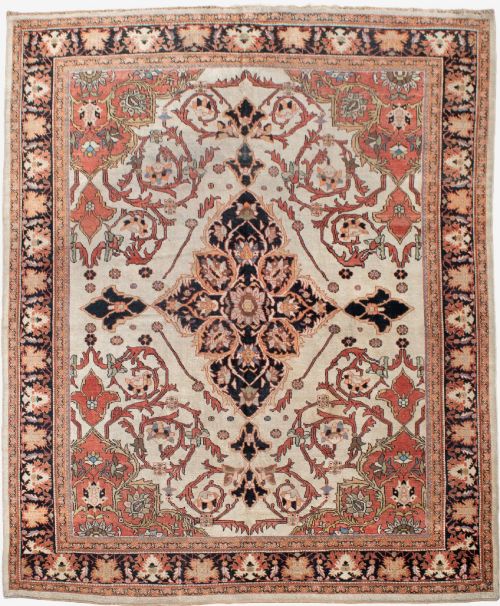
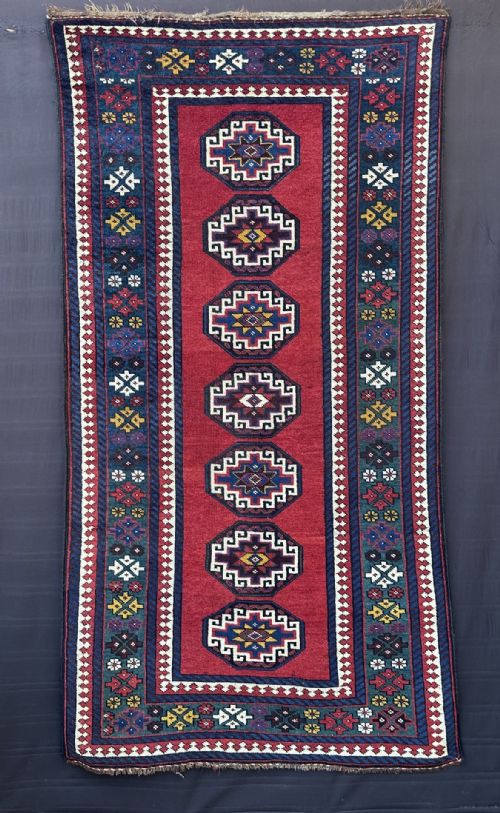
Regional variations include Heriz, Karaja, Oushak, and Afghan village productions, alongside Kashan, Mahal, and Kurdish pieces. Each origin brings distinct colour palettes, knotting densities, and border arrangements to the floor.
Materials and technique
Construction relies fundamentally on wool, hand-spun wool, cotton foundations, and occasional silk highlights. Weavers tied pile yarn by hand onto warp and weft threads, creating dense structures designed to endure heavy foot traffic.
Dyes utilised in these pieces derived from natural materials, yielding warm reds, deep blues, and earthy tones that age gracefully over time. The structural integrity depends heavily on the tension of the knotting and the firmness of the selvedges.
Several carpets preserve minor asymmetry in their village borders, recording the individual hand of the weaver working away from rigid factory guides.
Elements of quality
Quality rests in the precision of the weave, the clarity of the design motifs, and the depth of the wool pile. Tighter knot counts and balanced symmetry indicate skilled workshop or village production.
Material selection alters the handle and resilience of the floor covering, with hand-spun wool offering distinct lustre and durability. The harmony of the dye combinations and the preservation of original borders further distinguish finer examples.
The Persian Style Area Carpet Glossary
- Pile
- The upright yarn loops that form the soft surface of a carpet. It absorbs wear and displays the woven pattern.
- Warp
- The longitudinal threads stretched vertically on the loom before knotting begins. These form the stable skeleton of the piece.
- Weft
- The horizontal threads passed across the warp strands between rows of knots. They bind the structure together firmly.
- Medallion
- A central ornamental design motif placed in the middle of the field. It often commands the visual focus of the entire composition.
- Selvedge
- The finished reinforcing edge along the sides of a carpet. It prevents the outer warp threads from fraying.
Persian Style Area Carpet: Frequently Asked Questions
How do I choose the right size?
Measure the room dimensions carefully, leaving an appropriate border of exposed floorboards around the edges of the floor covering. Consider whether furniture will sit entirely upon the piece or just touch the outer boundaries.
Larger formats suit spacious reception rooms, while compact formats work well in bedrooms, hallways, or underneath occasional tables.
Where should I place these carpets?
These floor coverings anchor living spaces, dining areas, and studies by introducing texture and historic pattern. High-traffic zones benefit from sturdy wool construction that handles daily use.
Keep delicate silk variations out of damp environments and direct sunlight to preserve the natural fibres and dye integrity over decades.
How do I care for my carpet?
Vacuum gently using suction attachments without rotating brush bars that can pull at the hand-knotted pile fibres. Rotate the floor covering periodically to ensure even exposure to foot traffic and light.
Address spills immediately by blotting with clean water rather than scrubbing, and consult professional conservators for deep cleaning.
How do I distinguish regional styles?
Study the geometry of the central medallions, corner spandrels, and secondary border guard stripes. Heriz pieces often feature bold geometric geometry, while Oushak carpets display softer floral arrangements.
Village productions from Kurdish or Afghan makers frequently exhibit rustic charm, saturated warm reds, and tribal iconography.