


Persian Qashqai Carpet
A persian qashqai carpet brings the bold geometric artistry of southwestern nomadic weavers directly into domestic interiors.
Persian Qashqai Carpet
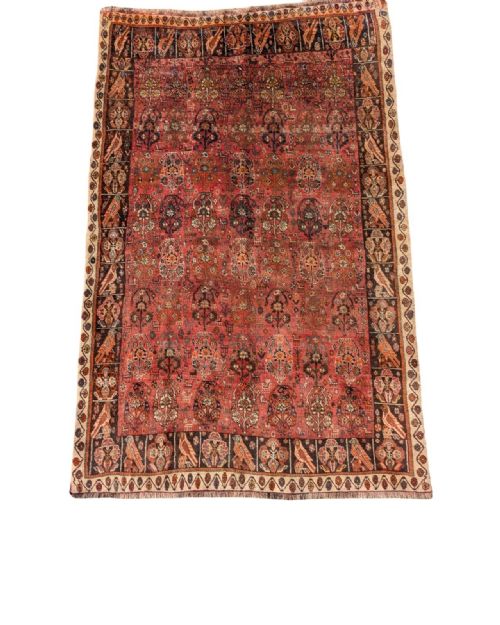
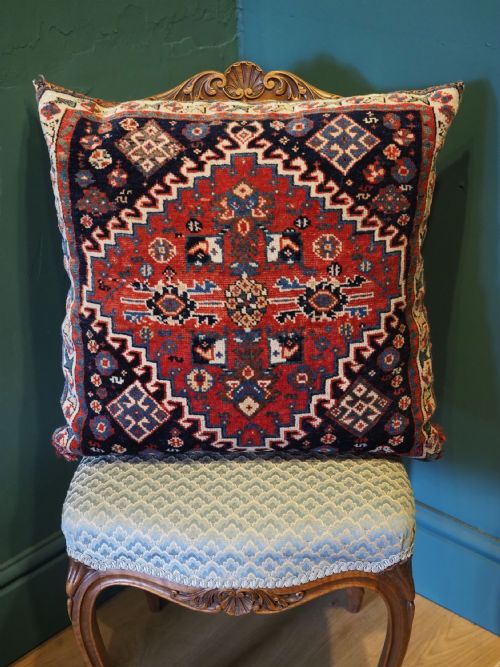
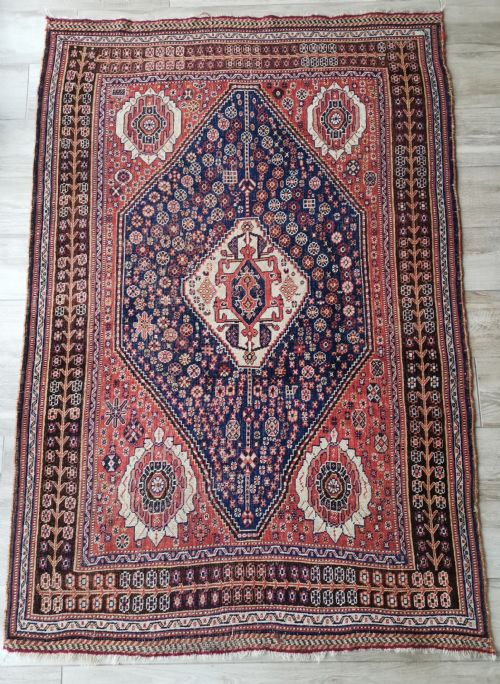
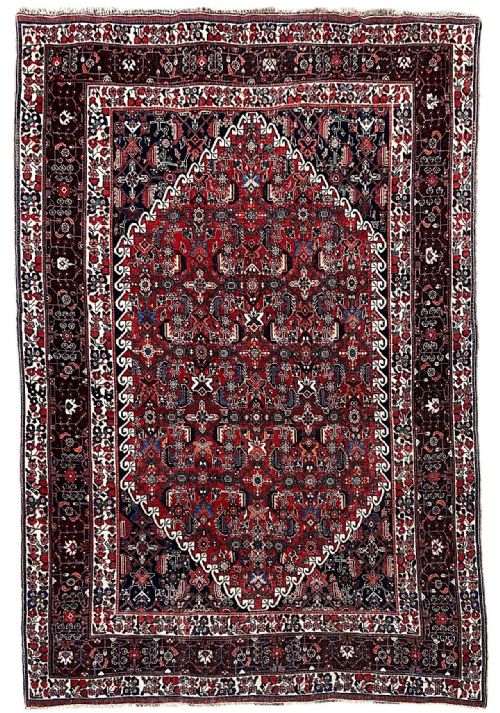
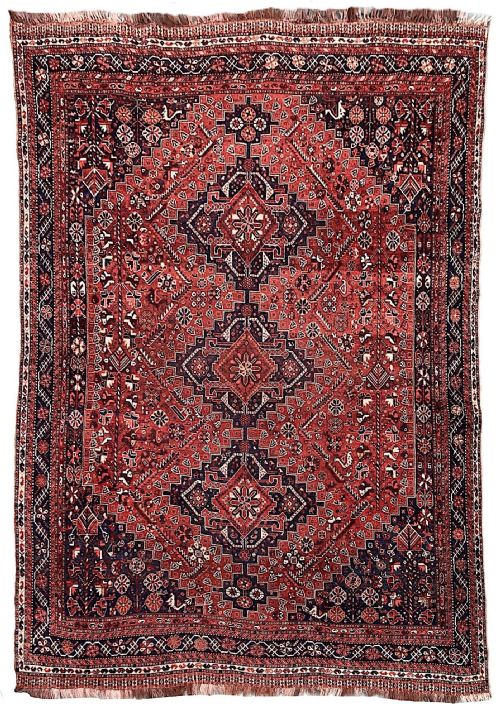
A persian qashqai carpet represents the traditional textile output of tribal groups from the Fars province in southwestern Persia. These floor coverings and flatweaves encompass smaller area rugs, long runners, saddle bag cushions, and substantial carpets dating from the nineteenth and early twentieth centuries.
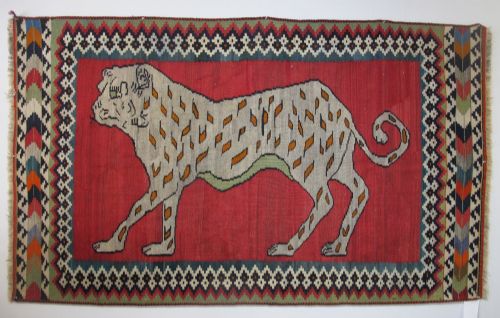
Buyers encounter distinct sub-styles within the broader tribal category, including flatwoven kilims, minimalist gabbeh pieces, and detailed pictorial formats like lion rugs or tree of life designs. These textiles reflect the cultural imagery and daily environment of nomadic weavers through medallions, animal motifs, and repeating geometric patterns.
Pieces bearing related tribal attributions such as Khamseh, Luri, Shekarlu, and Shiraz frequently appear alongside core qashqai examples. Such pieces share overlapping design vocabularies and regional weaving methods originating from the same geographic sphere.
Materials and Construction
Weavers utilised locally sourced wool and hand-spun wool for the pile and foundation yarns, frequently pairing them with cotton warps in later nineteenth and early twentieth-century examples. This reliance on animal fibres yielded durable structures capable of withstanding the rigours of nomadic migration and daily camp life.
Colour derivation relied primarily on natural dyes applied to the fleece, creating rich, saturated tones that age with subtle abrash variations. These organic colourants worked in tandem with hand-knotting and flatweaving techniques to produce dense, resilient textile surfaces.
Object forms recorded in the inventory range from small saddle bag cushions and runner rugs to large area carpets and kilims.
Assessing Quality and Execution
Knot density and structural tightness dictate the crispness of geometric medallions and intricate pictorial motifs across the surface. Finer execution allows complex tribal designs and secondary fillers to maintain sharp definition against the field.
The vibrancy and depth of the palette depend heavily on the mastery of natural dye extraction and consistent mordant preparation. Superior examples display harmonious colour transitions and engaging tonal shifts within individual motifs.
The Persian Qashqai Carpet Glossary
- Abrash
- Natural tonal variation within a single field of colour caused by differences in dye batches or hand-spun wool. This subtle streaking adds considerable visual depth to antique tribal textiles.
- Kilim
- A flatwoven textile produced without a knotted pile, utilising discontinuous weft techniques. These pieces serve as floor coverings or utilitarian covers.
- Gabbeh
- A minimalist type of tribal rug characterised by thick pile, high-staple wool, and sparse, open field designs. These pieces often feature large fields of solid colour accented by simple human or animal forms.
- Kelleh
- A large format rectangular rug or carpet typically longer than it is wide, designed for specific placement in traditional Persian interiors. These substantial formats offer expansive display areas for tribal motifs.
- Medallion
- A central ornamental design motif placed in the middle of the carpet field. Tribal weavers frequently render these elements in bold, geometric polygons.
Persian Qashqai Carpet: Frequently Asked Questions
How do I care for a tribal carpet?
Regular gentle vacuuming without a rotating beater bar prevents dust accumulation within the wool pile. Professional cleaning by specialists in antique textiles ensures the natural dyes remain stable.
Positioning the rug away from direct, harsh sunlight preserves the original saturation of the natural dyes. Utilising a quality underlay prevents unnecessary sliding and reduces friction against hard floor surfaces.
Where were these textiles made?
Nomadic and village groups produced these pieces across the Fars province in southwestern Persia, particularly within the tribal territories of the Qashqai confederation. Weaving took place in seasonal camps and permanent villages.
Surrounding groups in the same geographical sphere, including Khamseh and Luri tribes, contributed similar tribal designs and weaving traditions that share visual traits with Qashqai work.
What is a lion rug?
A lion rug is a specific pictorial tribal textile featuring a stylized representation of a lion as the central motif. These animals hold symbolic importance within tribal folklore and visual culture.
Weavers rendered these creatures with bold geometric abstraction rather than strict realism, often surrounding the central figure with smaller floral or geometric fillers.
How do I date an antique piece?
Dating relies on assessing structural characteristics, material composition, and design execution rather than relying on written documentation. Earlier nineteenth-century examples often display looser knotting and broader palettes of natural dyes.
Transitions toward cotton foundations and chemical influences appear more frequently in pieces produced into the early twentieth century. Comparing structural details against verified archive examples helps narrow the period of origin.