



Dark Blue Carpet
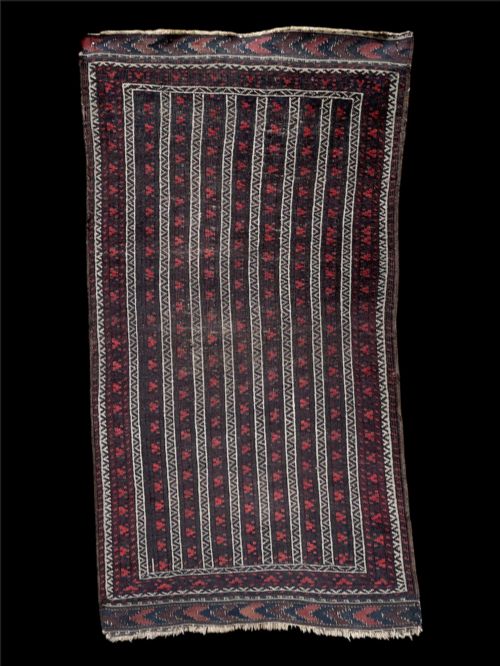
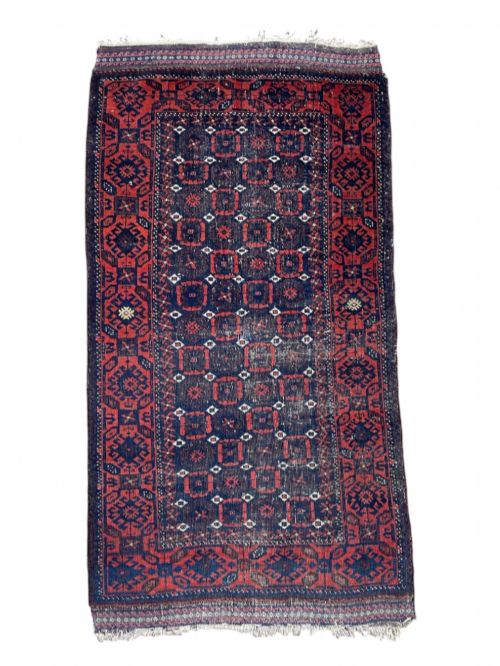
When you seek a dark blue antique carpet, you enter a world of woven wool floor coverings shaped by tribal and village makers across the nineteenth and early twentieth centuries.
Dark Blue Carpet
A dark blue antique carpet encompasses hand-knotted floor coverings and village textiles originating from Persian, Caucasian, and Afghan weaving traditions. These pieces span production dates from the nineteenth century into the early decades of the twentieth century, taking forms such as runners, scatter rugs, and main carpets.
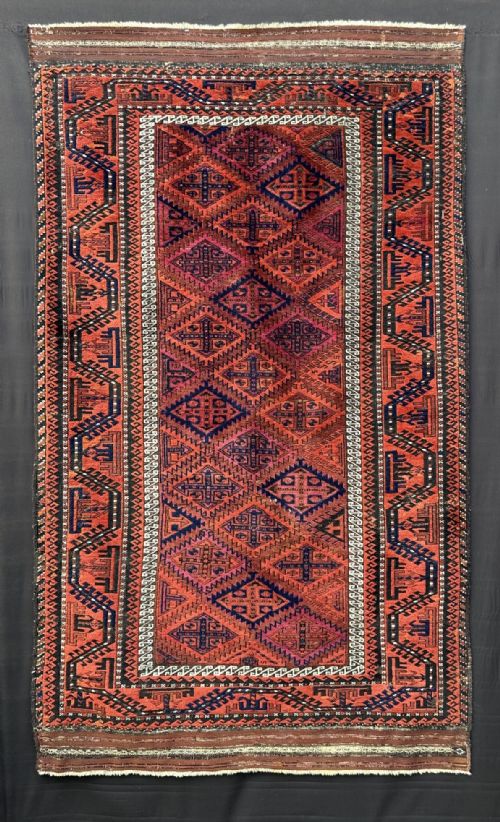
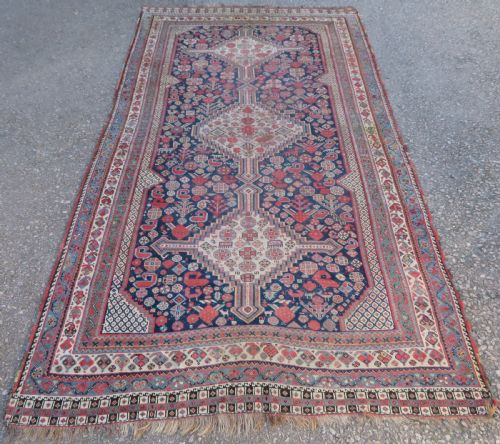
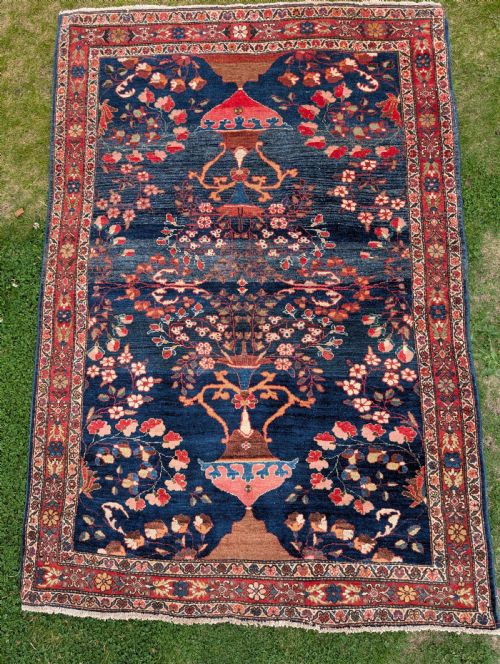
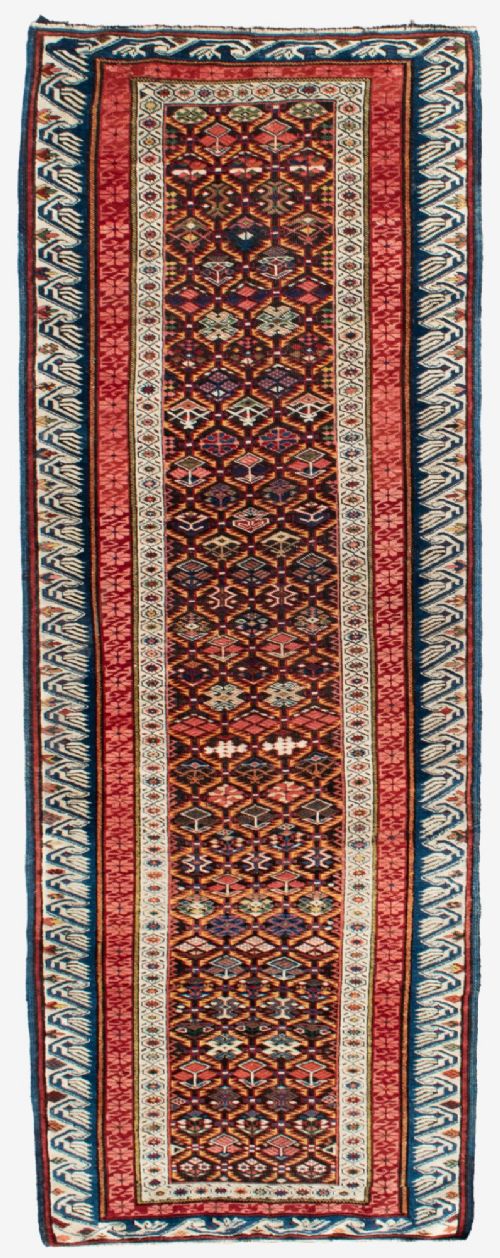
The selections available here reflect traditional regional aesthetics including Baluch, Kurdish, and Qashqai tribal styles. Buyers encounter deep indigo fields paired with geometric medallions, prayer mihrabs, and intricate botanical motifs.
Makers utilised familiar regional formats to produce functional floor textiles that doubled as portable wealth for nomadic groups. Surviving examples demonstrate the enduring utility of wool and cotton construction in domestic interiors.
Materials and construction methods
Weavers constructed these textiles primarily using wool, hand-spun wool, and cotton foundations, occasionally incorporating goat hair for added durability in tribal pieces. Natural dyes provided the deep indigo grounds and contrasting accent tones seen across the surviving carpets.
Nomadic and village workshops relied on upright vertical looms to tie symmetrical or asymmetrical knots by hand. Skilled artisans secured the pile to warps andwefts before finishing the edges with tightly bound selvages.
Listings feature materials including hand-spun wool, cotton, and goat hair combined with natural dyes across nineteenth and early twentieth century periods.
Elements of differentiation
Knot density and structural tightness set finer workshop productions apart from looser nomadic weaves. Tighter knot counts allowed weavers to render intricate geometric details and complex field designs with greater precision.
The purity and saturation of natural dye applications determine visual depth across the wool pile. Even fading and rich indigo variation signal superior colour preparation and long-term material stability.
The Dark Blue Carpet Glossary
- Warp
- The vertical foundation threads stretched lengthwise on a loom before knotting begins. Weavers build the entire structure upon this stable foundation.
- Weft
- The horizontal threads passed alternately over and under warp threads to secure the rows of knots. This element provides structural rigidity to the finished textile.
- Mihrab
- A niche design element originating in Islamic architecture that points toward Mecca. Prayer rugs frequently feature this architectural motif on the field.
- Torba
- A small storage bag or trapping produced by Turkmen and related tribal groups. These functional textiles often display traditional gul motifs.
- Gul
- A repeating medallion or octagonal motif used extensively in Turkmen and Central Asian tribal weaving. Each pattern identifies specific tribal lineages and traditions.
Dark Blue Carpet: Frequently Asked Questions
How do I identify a tribal rug?
Tribal rugs display geometric patterns, asymmetric layouts, and earthy palettes woven by nomadic or village communities.
These pieces often utilise hand-spun wool and natural dyes that reflect the specific cultural traditions of their makers.
Where were these carpets made?
The pieces originate primarily from regions across Persia, the Caucasus, and Afghanistan.
Local workshops and nomadic tribes in areas such as Baluchistan and Khorasan produced these textiles for daily use.
How should I care for antique wool?
Protect antique wool textiles by vacuuming gently without a rotating brush and keeping them out of direct sunlight.
Professional cleaning tailored to natural dyes ensures the longevity of the pile.
What does indigo dyeing indicate?
Natural indigo dye provides the deep blue grounds characteristic of nineteenth-century village and tribal weaving.
Variations in dye saturation show the hand-dipped nature of early wool preparation.