




Persian Medallion Floor Carpet
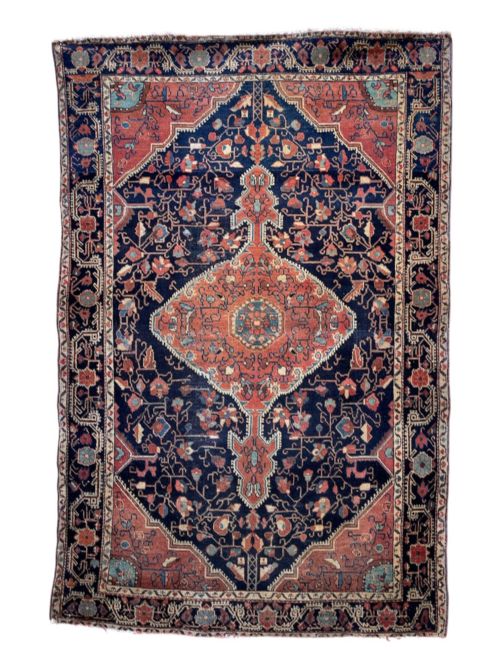
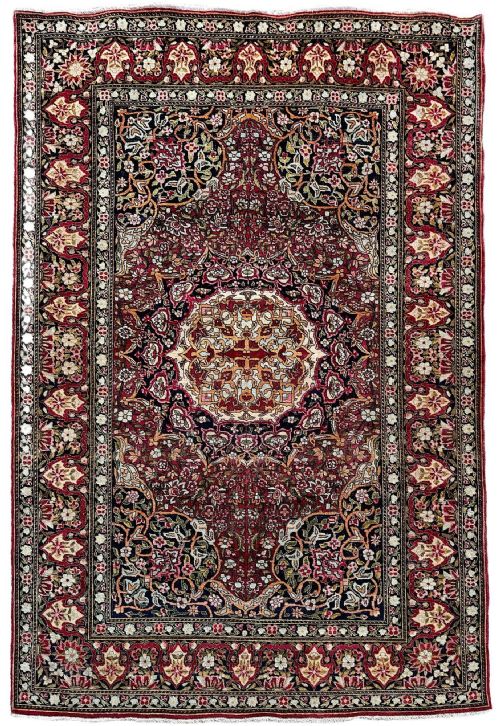
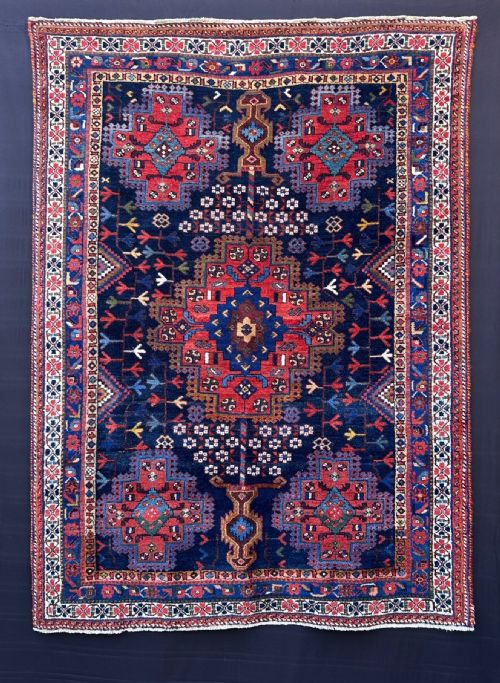
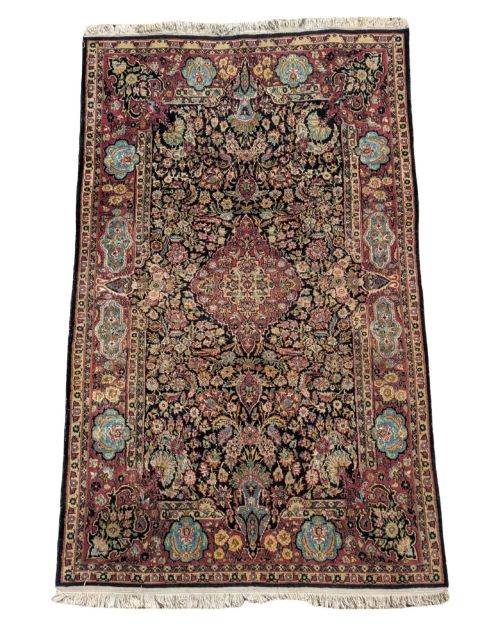
A persian medallion floor carpet anchors a room with centuries of hand-knotted artistry and deep regional character.
Persian Medallion Floor Carpet
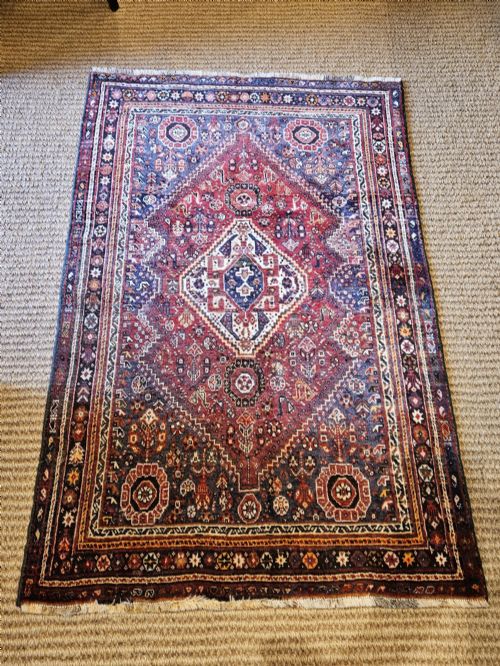
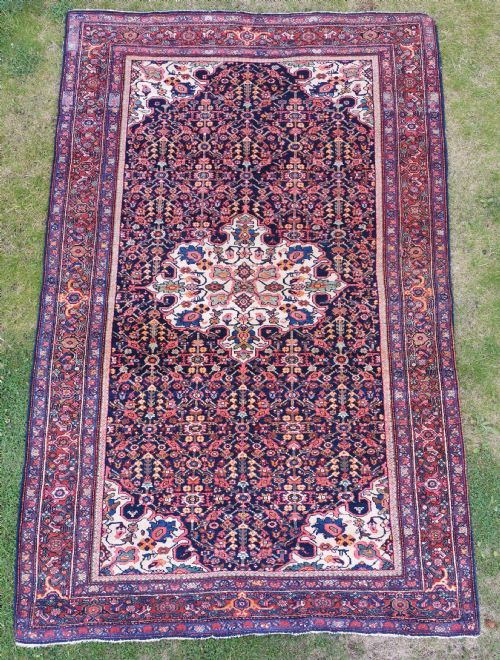
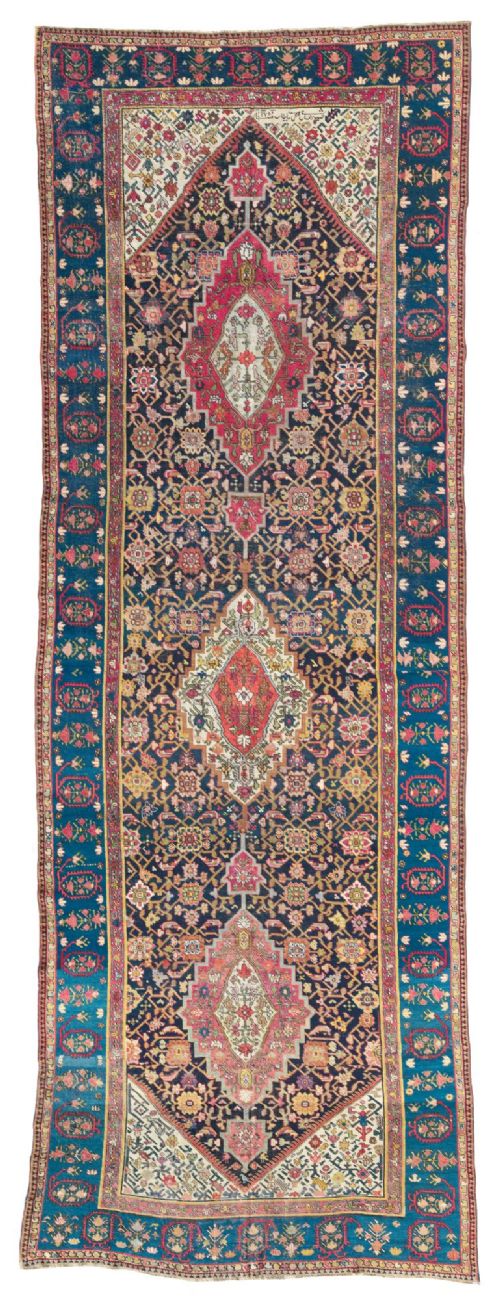
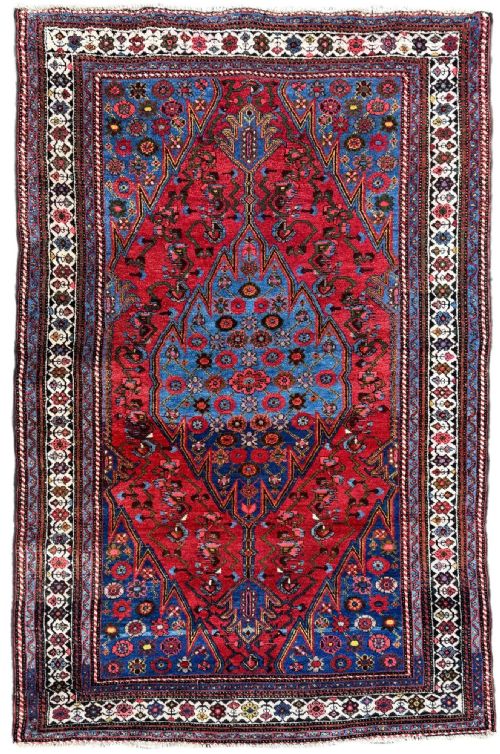
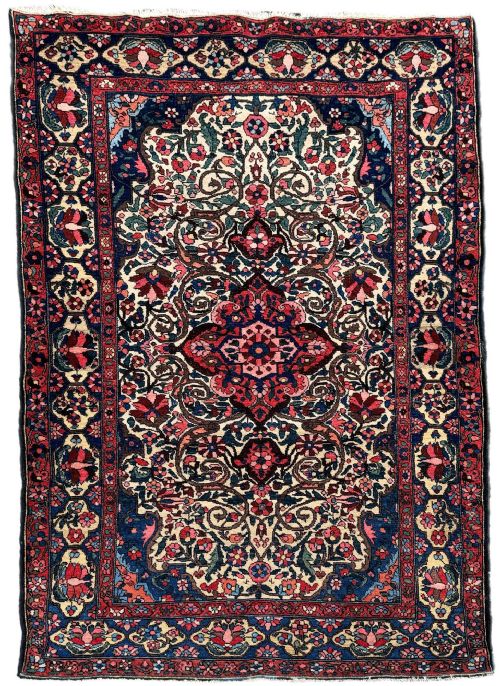
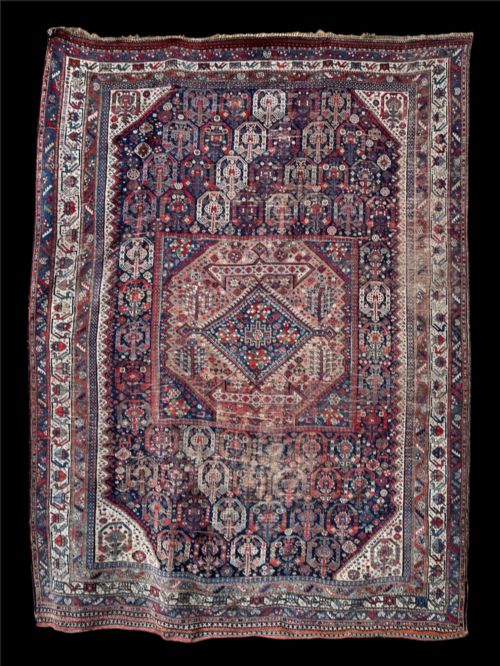
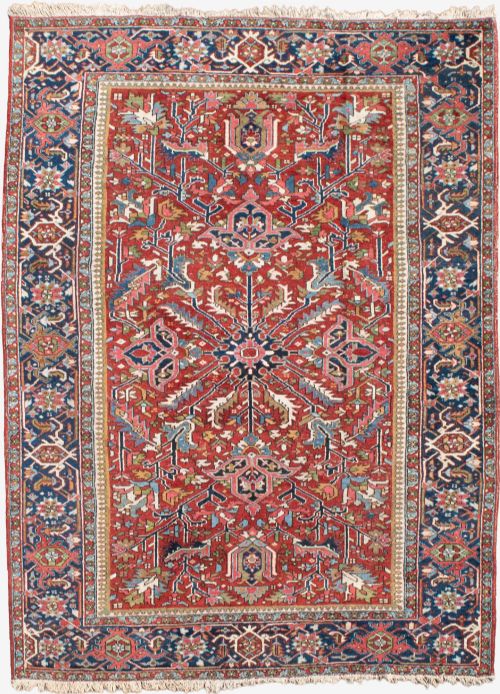
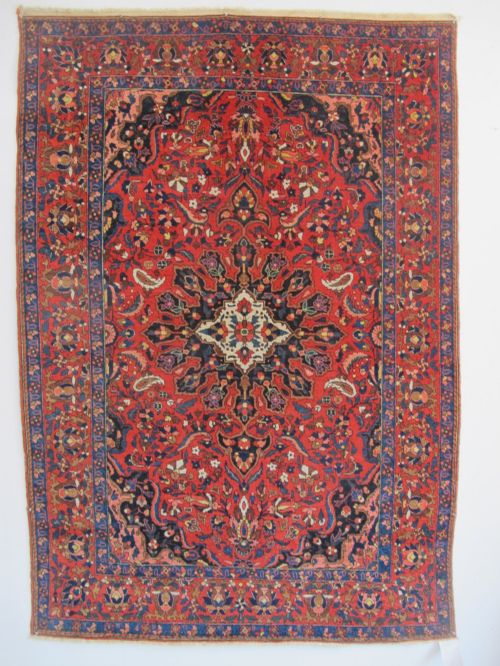
When searching for a persian medallion floor carpet, buyers encounter hand-knotted room-size carpets and smaller rugs originating from nineteenth and twentieth-century weaving centres. The selection spans traditional city pieces from Tabriz and Isfahan to geometric tribal carpets from the Heriz and Bakhtiar regions.
Most examples on this page are floor coverings defined by central medallions, wool piles, and distinctive regional palettes. Buyers find everything from compact runners to large format carpets dating from the eighteen-eighties through the nineteen-forties.
How They Were Made
Weavers knotted wool, cotton, and occasional silk highlights onto sturdy cotton or wool foundations by hand. The density of the knots and the quality of the wool determine the weight and drape of each floor carpet.
Dyes derived from natural materials give these carpets their enduring colour depth, applied across diverse tribal and traditional Persian motifs.
Several carpets preserve the subtle colour shifts known as abrash, where dyepot variations tell the story of a weaver starting a fresh batch of yarn.
What Varies In Quality
Knot density and the precision of the curvilinear or geometric drawing separate standard workshop production from finer examples. Finer carpets display tighter knotting, greater clarity in the central medallion design, and superior wool selection.
The integrity of the foundation and the balance of the dye palette also dictate the grade of a carpet, distinguishing regional village pieces from master workshop outputs.
The Persian Medallion Floor Carpet Glossary
- Medallion
- The central ornamental design motif placed in the middle of the carpet field. This focal element often dictates the symmetry of the surrounding corners and borders.
- Kelleh
- A long, narrow format carpet traditionally used in Persian rooms. These rectangular pieces function well in hallways or alongside larger room layouts.
- Hand-knotted
- A construction method where individual yarn loops are tied by hand onto a warp foundation. This labour-intensive process creates durable floor carpets.
- Warp
- The vertical threads stretched tightly on the loom that form the structural foundation of the carpet. Visible fringes at either end typically consist of these extended threads.
Persian Medallion Floor Carpet: Frequently Asked Questions
How do I clean a carpet?
Professional specialist cleaning is essential for antique floor carpets to protect natural dye stability and wool integrity.
Regular gentle vacuuming without a beater bar helps remove surface dust between specialist washes.
Where were these carpets made?
These carpets originate from various Persian cities, towns, and tribal regions including Heriz, Tabriz, Bakhtiar, and Kerman.
Each area developed distinct weaving techniques, wool qualities, and characteristic medallion designs over generations.
Are these carpets durable for hallways?
Sturdy wool piles and dense hand-knotted foundations make many of these rugs suitable for high-traffic areas.
Placing an appropriate underlay beneath the carpet prevents slipping and reduces fibre wear on hardwood floors.
How do I identify the period?
Stylistic shifts, structural materials, and dye characteristics offer clues to dating an antique carpet.
Comparing knot counts and regional patterns against documented examples helps narrow down the production era.