

Red Wool Persia Rug
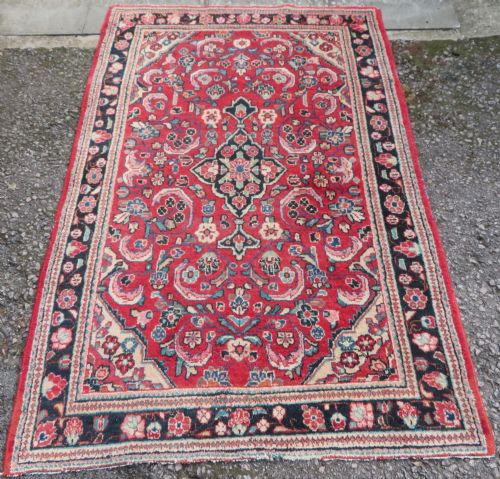
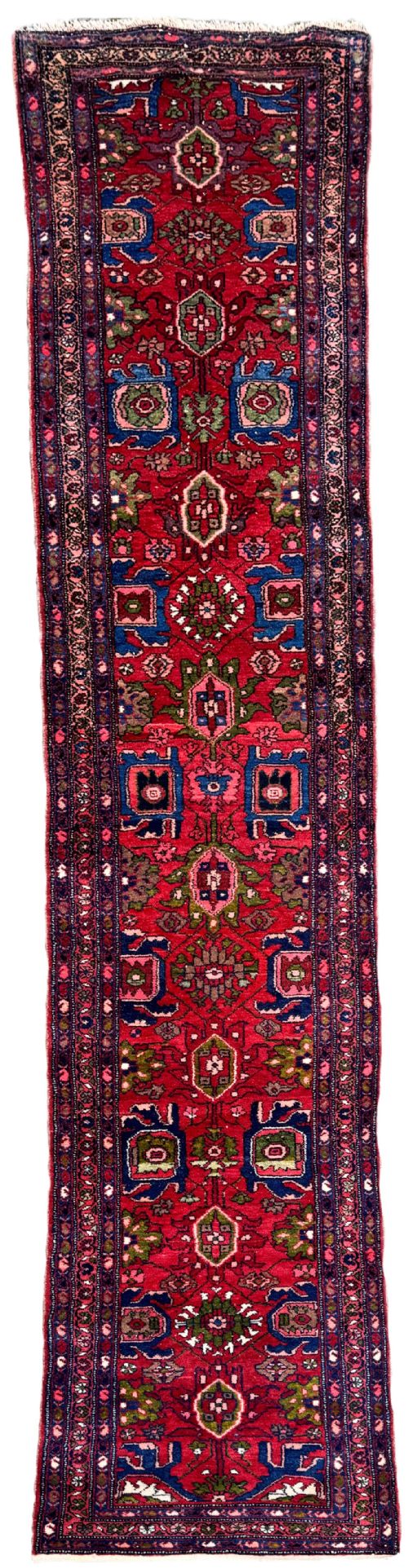
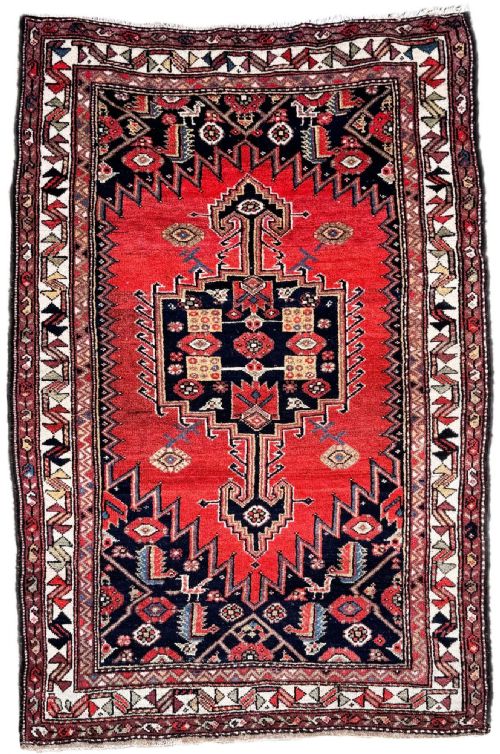
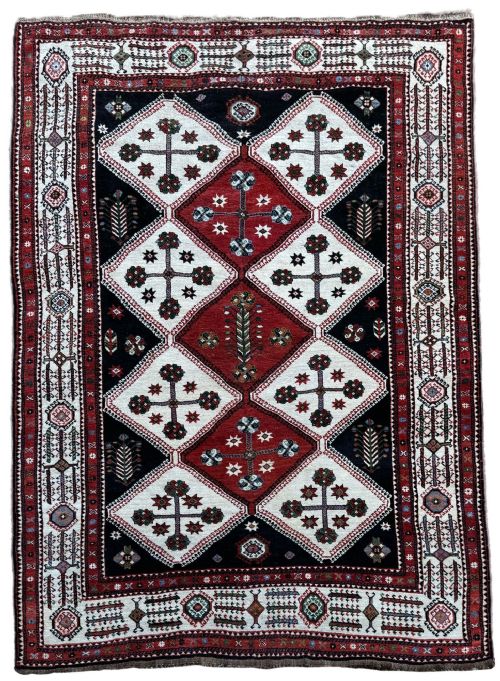
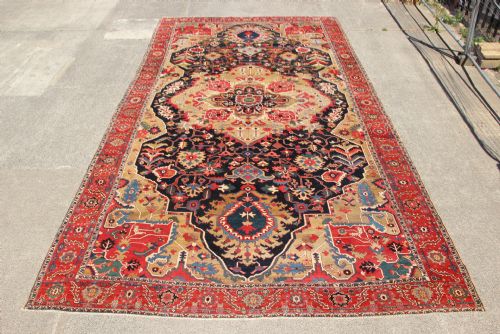
When choosing a red wool persia rug, you select a textile woven with vegetable dyes and hand-spun wool from regional tribal and village workshops across nineteenth and early twentieth-century Persia.
Red Wool Persia Rug
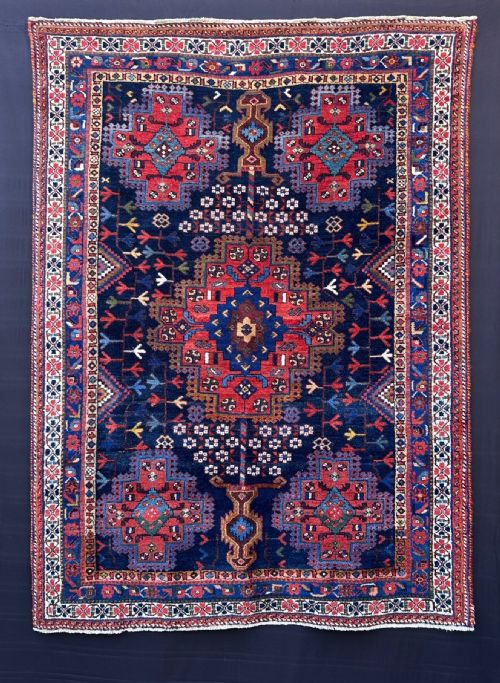
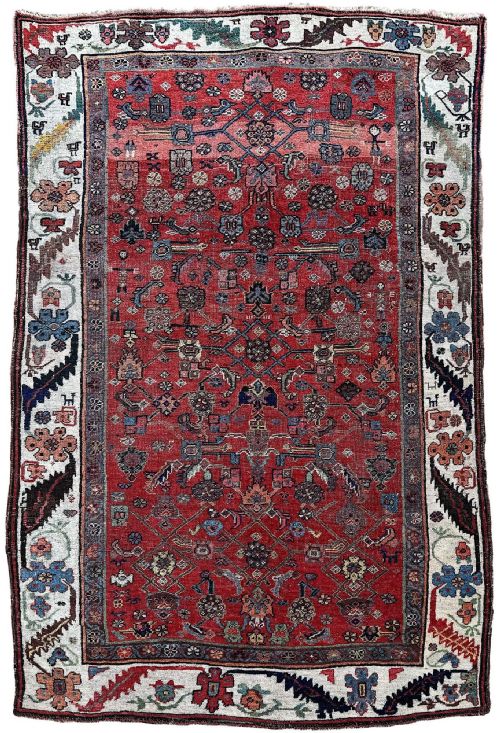
A red wool persia rug encompasses village and tribal woven textiles originating from distinct Persian provinces, including the southern territories of Fars and Kerman, as well as north-western districts like Heriz and Bidjar. These pieces span production dates from the eighteen-sixties through the nineteen-thirties, reflecting traditional designs passed down through generations of weavers.
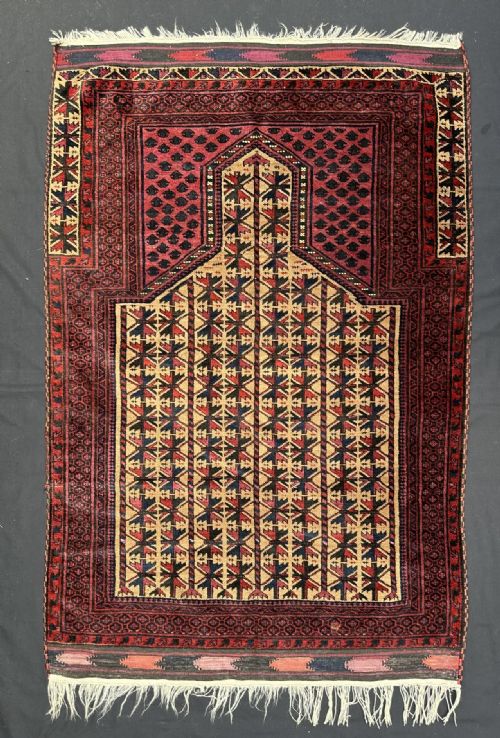
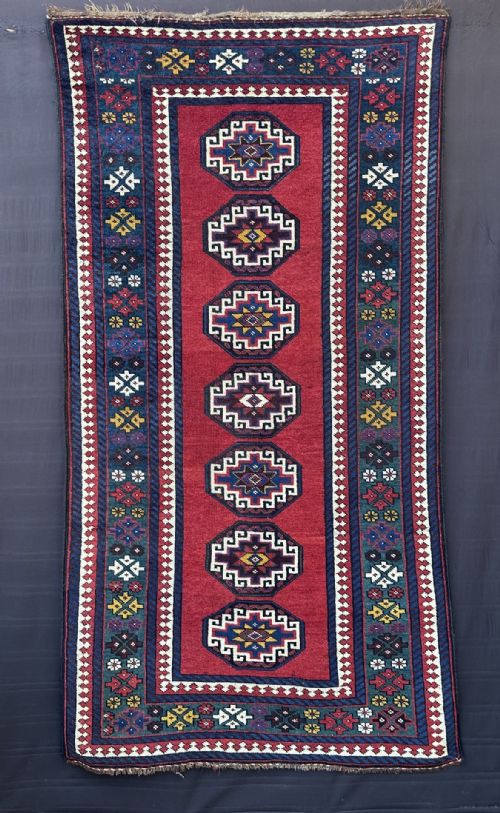
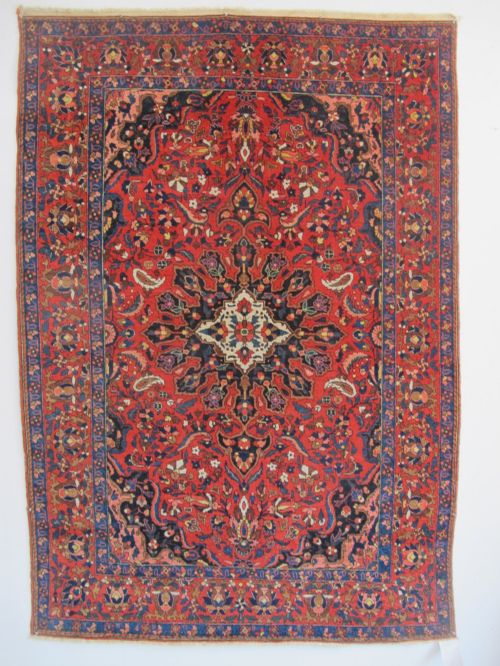
The most common examples on this page are village carpets and tribal formats, such as runners, prayer rugs, and small room-size pieces, rather than court manufactory carpets. They display characteristic geometric or stylized floral medallions set against rich madder-dyed red grounds, utilising durable wool pile anchored by sturdy cotton foundations.
What varies in quality
Quality in these textiles rests upon the precision of the knotting and the integrity of the natural dyes, which develop a deeper patina over time compared to synthetic alternatives. Tightly packed knots and resilient, hand-spun wool create a denser, more enduring pile that withstands heavy foot traffic.
Design execution and regional proportion also set superior examples apart, where the weaver maintains symmetry and clarity within intricate geometric or medallion layouts. The purity of the wool and the depth of the madder red determine the visual resonance of the piece across different lighting conditions.
The Red Wool Persia Rug Glossary
- Madder
- A natural dye derived from the root of the Rubia tinctorum plant, yielding the characteristic deep reds found in traditional Persian weaving. It produces varied tonalities depending on the mordants used during preparation.
- Warp
- The vertical foundation threads stretched lengthwise on the loom, onto which the wool knots are tied. The exposed ends of these threads often form the fringed edges of the rug.
- Weft
- The horizontal threads passed alternately over and under the warp threads after each row of knots to secure the pile. In many regional pieces, these threads are dyed red or blue.
- Sofreh
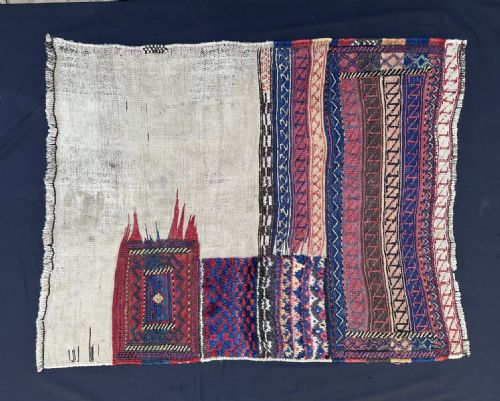
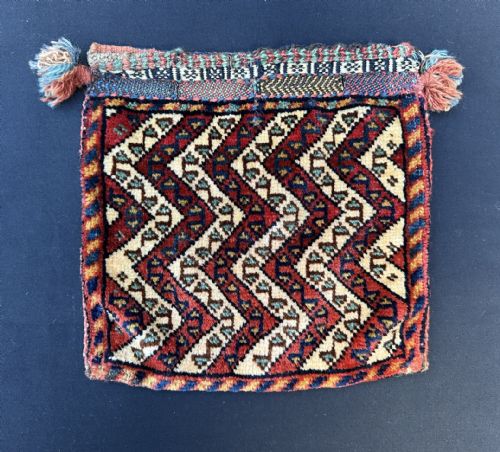
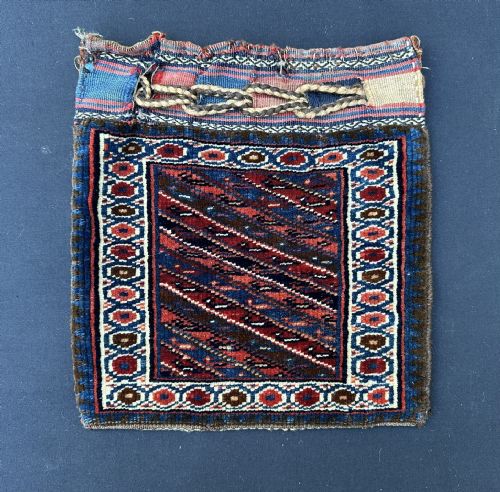
- A flatwoven spread or cloth used historically for kneading dough, sharing meals, or processing grain. These textiles display bold tribal patterns without a knotted pile.
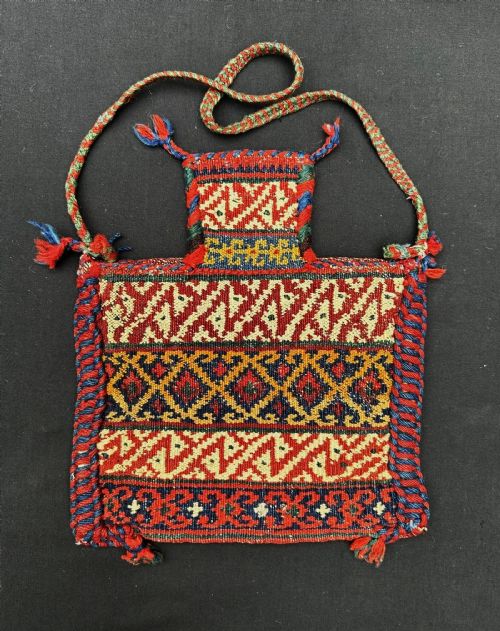
- Khorjin
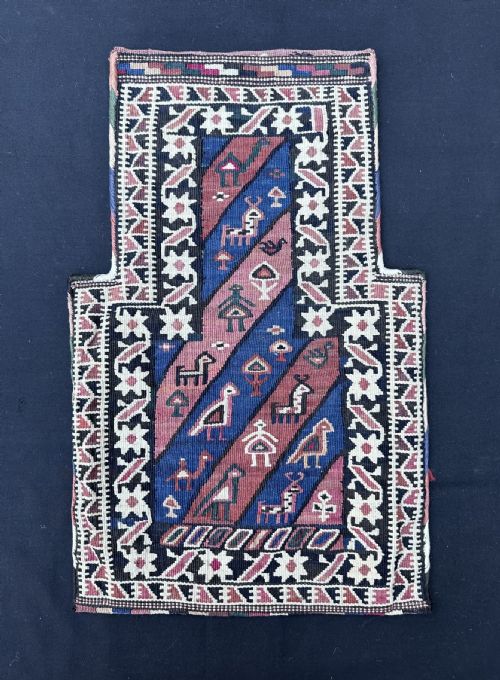
- A double-sided saddlebag woven to transport possessions during nomadic migrations. Surviving examples often feature intricate face panels with separate backings removed.
- Pile
- The vertical or slanted wool surface formed by the cut ends of knots. The height and density of this layer dictate the texture and durability of the textile.
Red Wool Persia Rug: Frequently Asked Questions
How do I clean an old wool rug?
Maintenance requires gentle vacuuming without a rotating beater bar to protect the hand-spun wool pile and delicate foundation threads.
Professional specialist washing is necessary for deeper cleaning to prevent dye migration and preserve the integrity of natural madder colours.
Where were these rugs woven?
Weaving took place across diverse regions of Persia, encompassing nomadic confederacies in the south like the Qashqai and Afshar, as well as northern village centres including Heriz, Bidjar, and Hamadan.
Each area developed distinct structural methods, palette preferences, and geometric or floral motifs distinctive to its specific tribal or village group.
Are natural dyes easy to spot?
Natural dyes derived from plants, such as madder root for reds, exhibit a subtle variation in shade known as abrash, caused by slight changes in dye batches and wool absorption.
Under closer inspection, these organic tones show a characteristic depth and harmonious ageing process that chemical aniline dyes do not replicate.
Can I use a runner in a hallway?
Long narrow formats, such as Hamadan or Bakshaish runners, were originally produced for narrow interior spaces, corridors, and tent entryways.
Placing a suitable underlay beneath the textile prevents slipping and reduces friction between the cotton foundation and the floor.