




Persian Medallion Carpet Rug
A persian medallion carpet rug brings centuries of woven tradition into a room, offering rich geometric and floral centrepieces crafted by skilled hands.
Persian Medallion Carpet Rug
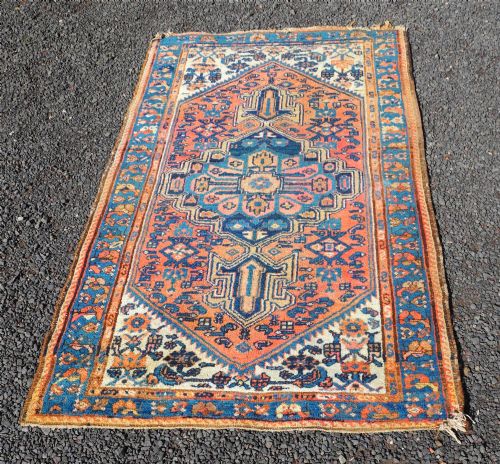
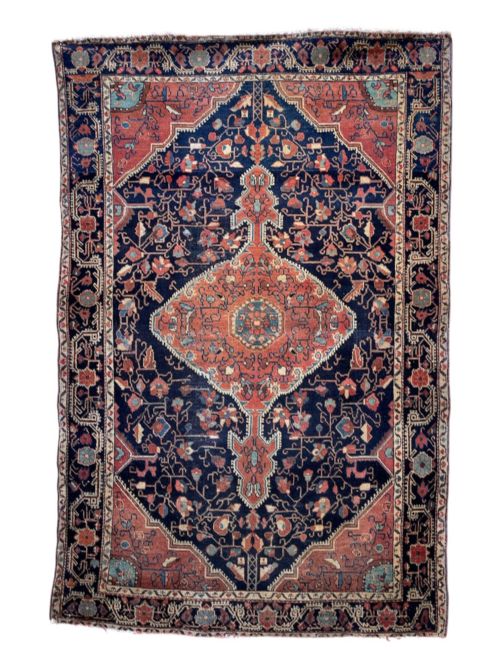
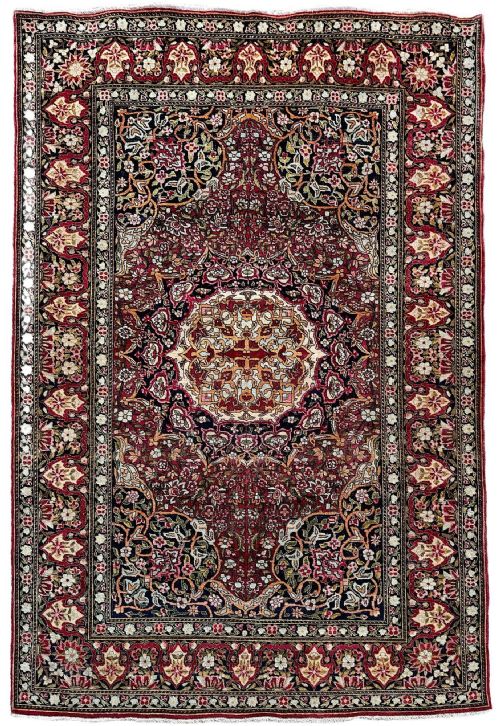
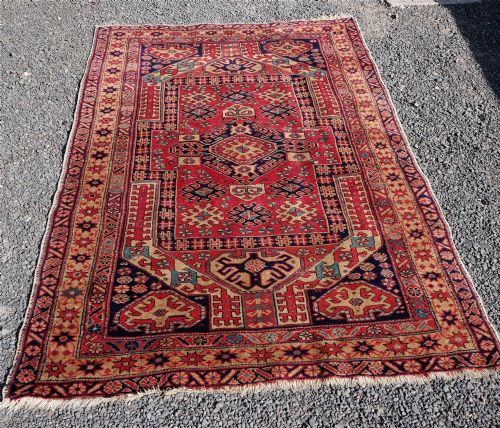
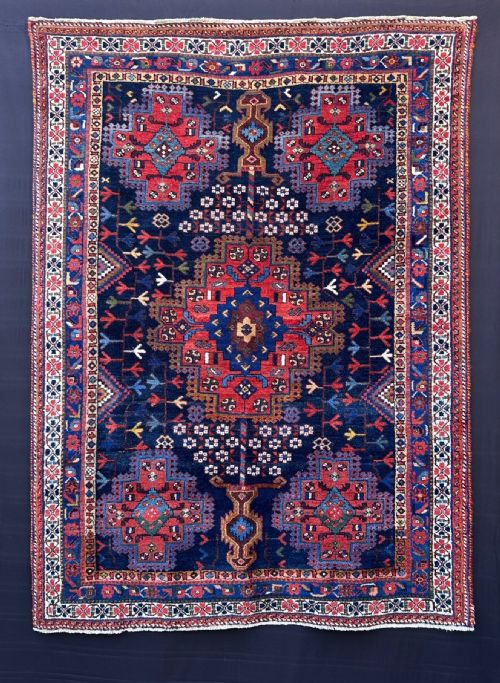
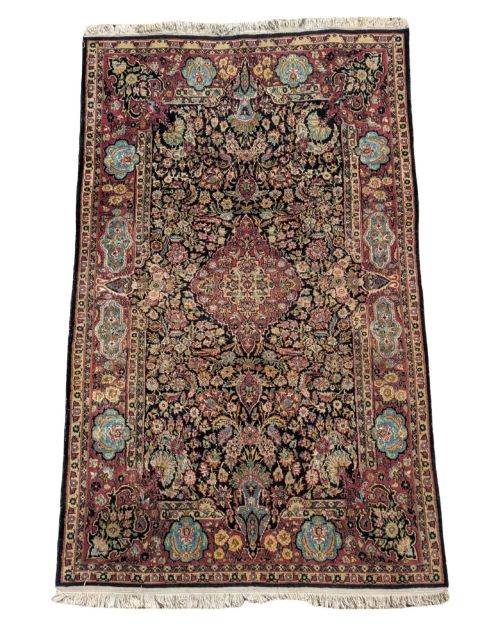
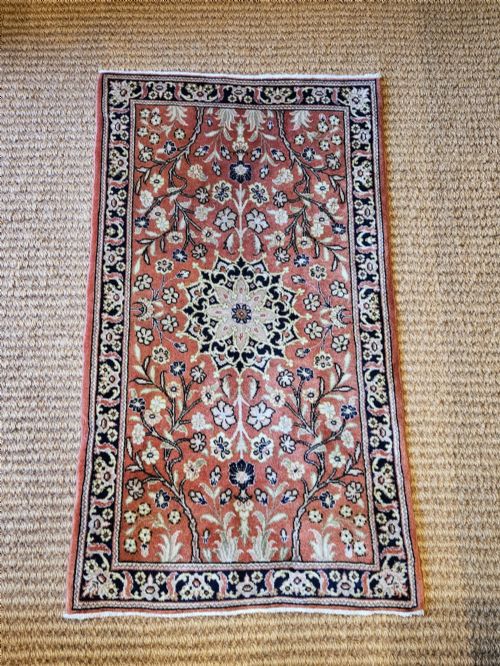
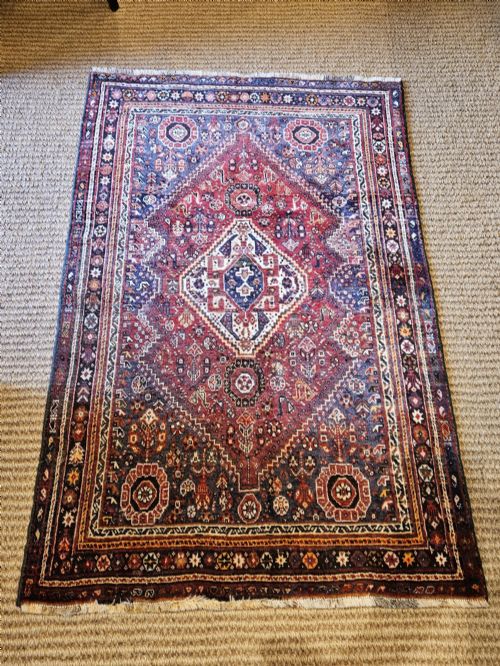
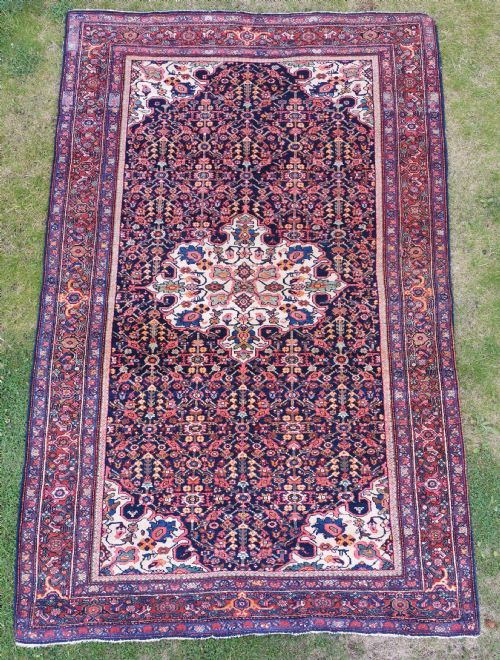
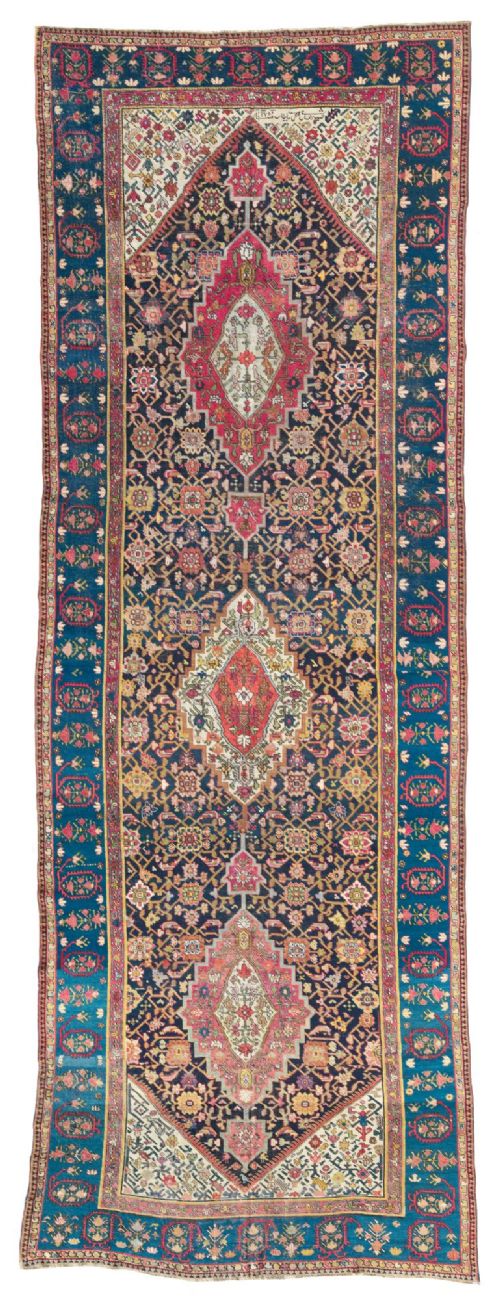
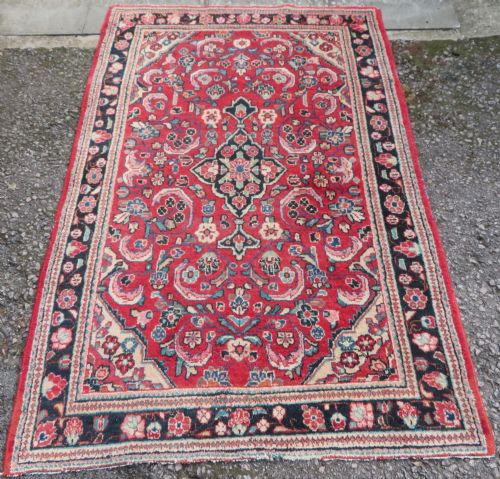
When searching for a persian medallion carpet rug, buyers encounter hand-knotted floor coverings originating from various regions across Persia and neighbouring areas. These textiles feature central focal motifs flanked by intricate borders and field patterns designed to anchor a room.
The selection ranges from room-sized carpets down to smaller hearth rugs and long runners. Pieces often carry regional identifiers such as Heriz, Bakhtiar, Hamadan, or Mahal, reflecting distinct local weaving traditions.
Dating primarily from the late nineteenth century through the early decades of the twentieth century, these items utilise traditional wool, cotton, and occasionally silk foundations and piles.
How they were made
Traditional weavers constructed these textiles using hand-knotted wool pile secured onto cotton or wool warp and weft foundations. Natural dyes derived from plants and minerals provided the foundational palette before synthetic dyes emerged.
Individual knots were tied by hand row upon row, a labour-intensive process that determined the density and durability of the finished textile. Skilled artisans executed complex geometric and curvilinear medallion layouts from memory or traditional cartoons.
Some runners are narrow enough to make even a narrow hallway feel like a grand gallery walk.
What varies in quality
Knot density and precision of execution dictate the refinement of a woven textile. Higher knot counts permit greater clarity in the medallion details and intricate border motifs.
The choice of materials and the depth of the wool pile influence the tactile weight and longevity of the piece. Superior dyes maintain their tonal richness and complexity over decades of use.
The Persian Medallion Carpet Rug Glossary
- Medallion
- The central ornamental motif dominating the field of the rug. It serves as the primary focal point of the design.
- Warp
- The vertical foundation threads stretched lengthwise on the loom. Weft threads are interlaced across them to hold the knots in place.
- Weft
- The horizontal threads passed through the warp threads after each row of knots. They stabilise the structure of the woven textile.
- Pile
- The surface of the rug formed by the cut ends of the knotted yarn. Its thickness and material determine the texture underfoot.
- Kilim
- A flat-woven textile produced without a raised pile. These are often lighter and utilised for different decorative purposes than piled carpets.
Persian Medallion Carpet Rug: Frequently Asked Questions
How do I care for a vintage wool rug?
Vacuum gently without using a rotating brush roll to protect the delicate wool pile and fringes. Rotate the piece periodically to ensure even wear across areas exposed to foot traffic or sunlight.
Professional cleaning should be undertaken by specialists familiar with antique textiles to prevent dye migration or structural damage.
Where were these woven?
Production took place across numerous towns, villages, and tribal confederacies throughout Persia. Specific regions developed recognisable design vocabularies and colour palettes.
Village workshops and nomadic groups contributed distinct geometric interpretations, whereas larger urban centres produced highly detailed curvilinear compositions.
What is a medallion design?
The medallion design centres on a prominent ornamental motif placed squarely in the middle of the carpet field. This focal shape is often echoed in the corner spandrels.
Surrounding field patterns draw the eye toward this central emblem, creating a balanced and formal composition.
How do I determine the age?
Age is assessed through material analysis, dye types, structural characteristics, and regional design evolution. Natural dye palettes often point toward earlier periods of production.
Wear patterns, fringe condition, and selvedge construction further provide tangible clues regarding the historical era of manufacture.