



Persian Kurdish Runner
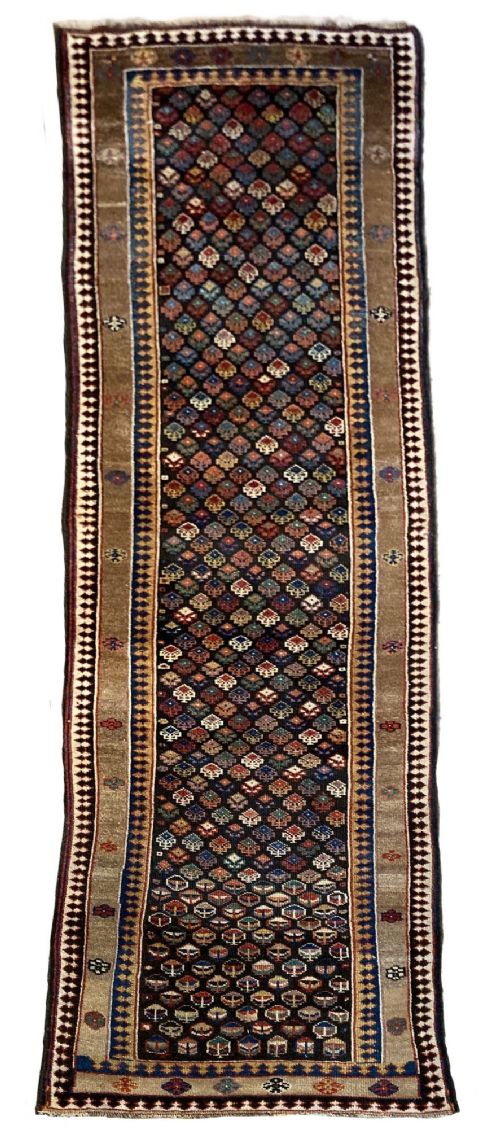
A persian kurdish runner brings durable tribal craftsmanship and geometric layouts into a hallway, offering long-lasting floor coverings woven by village weavers.
Persian Kurdish Runner
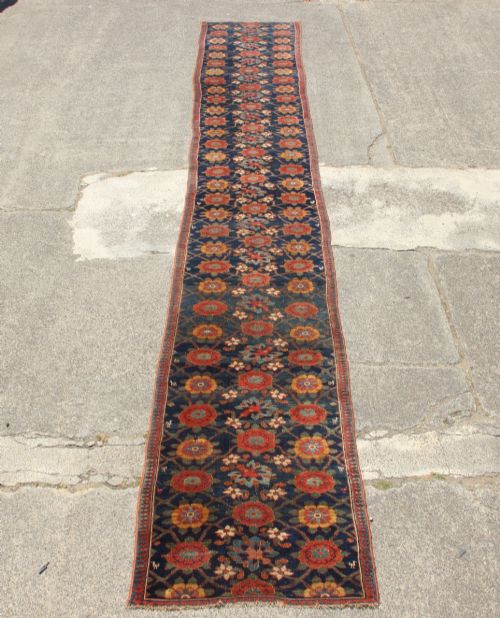
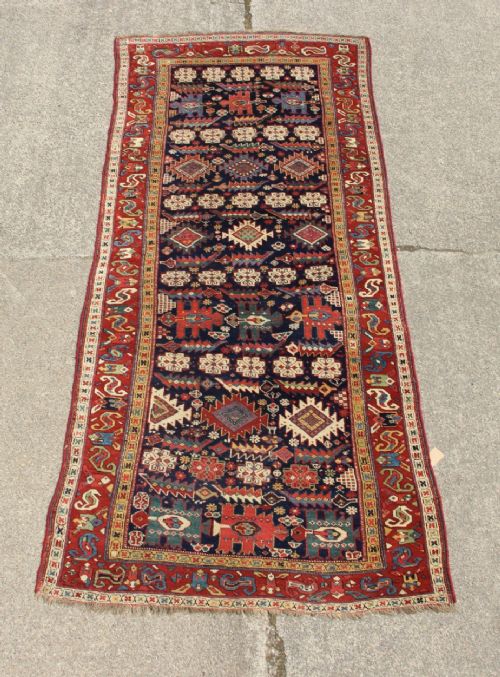
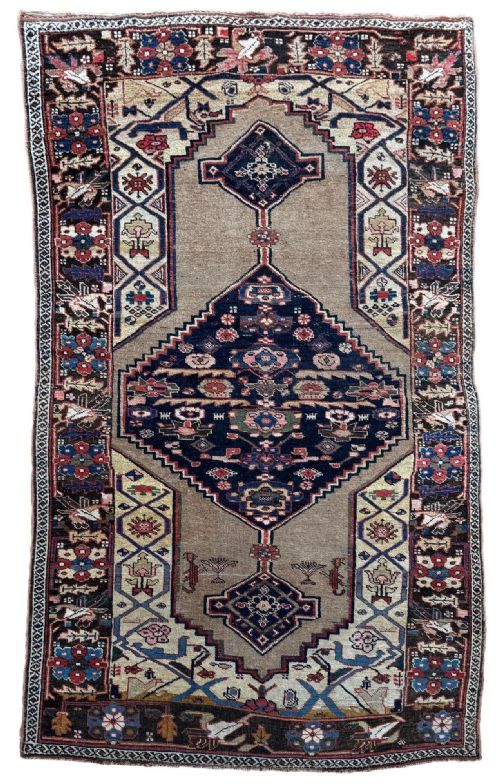
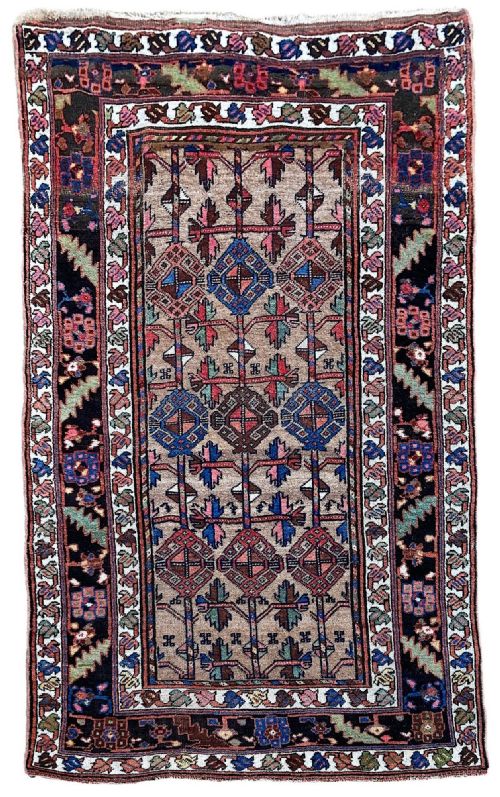
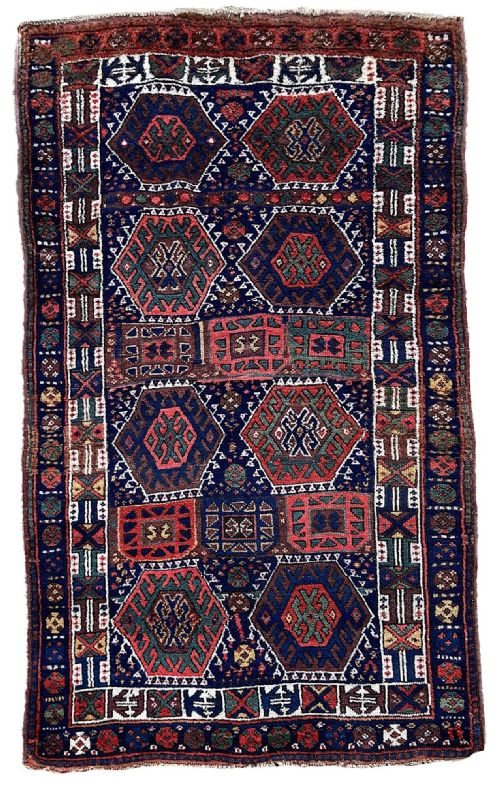
A persian kurdish runner is a narrow, elongated floor covering produced by weaving communities in western Persia. These pieces span from the mid-nineteenth century through the early decades of the twentieth century, taking the form of long carpets and narrow hallway runners. They frequently display tribal motifs, repeating field patterns, and strong geometric medallions.
The selections encountered here range from compact village formats to substantial gallery sizes exceeding six metres in length. Buyers regularly find specific regional attributions such as Bidjar, Seneh, Hamadan, and Jaf woven into the titles. These regional variations ground the pieces in distinct local weaving traditions across Persian Kurdistan.
What varies in quality
The handling of natural dyes dictates much of the visual depth, where variations in saturation create subtle shading across the field. Tighter knot counts and precise execution of geometric motifs distinguish finer village output from coarser utility pieces.
Preservation of the original outer selvedges and end finishes determines the structural integrity of the floor covering. Examples retaining their full length and uncompromised pile command stronger interest among collectors.
The listings span production dates from the 1850s through the 1930s, featuring wool, cotton, and natural dye constructions.
The Persian Kurdish Runner Glossary
- Runner
- A long, narrow carpet format specifically proportioned for corridors, hallways, and staircases. These pieces measure significantly longer than they are wide.
- Kelleh
- A distinctive rectangular format traditionally intermediate in proportion between a standard rug and a full-sized room carpet. It offers a balanced field for large medallion layouts.
- Gul
- A repeating medallion or octagonal motif found across tribal and village weaving traditions. Each tribe often maintained distinct variations of these primary design elements.
- Mina Khani
- An all-over repeating pattern composed of daisy-like flower heads linked by delicate lattice vines. This classical design appears frequently in finer Persian village carpets.
- Selvedge
- The bound or reinforced side edges of a woven rug that protect the structure from fraying. Original borders indicate careful conservation and authentic production.
Persian Kurdish Runner: Frequently Asked Questions
Where were these runners placed?
These long formats served primarily in corridors, entrance halls, and connecting spaces within traditional homes.
Their narrow proportions accommodated high-traffic areas while adding insulation and colour to wooden floors.
How do I care for an old runner?
Routine maintenance requires gentle vacuuming without the rotating brush bar to protect the hand-spun wool pile.
Professional cleaning suited for antique textiles preserves the natural dyes and prevents structural strain.
What is a Jaf rug?
Jaf pieces originate from nomadic and semi-nomadic Kurdish tribes residing in the border regions of western Persia.
They are recognised for characteristic geometric layouts and robust construction methods.
How can I date these pieces?
Dating relies on assessing the structural materials, the chemical composition of the natural dyes, and stylistic design markers.
Pieces from the nineteenth century typically display softer palette transitions compared to later twentieth-century village output.