



Persian Isfahan Medallion Carpet
These persian isfahan medallion carpet examples bring central Persian artistry into a room, offering intricate classic designs that collectors prize for their intricate detail.
Persian Isfahan Medallion Carpet
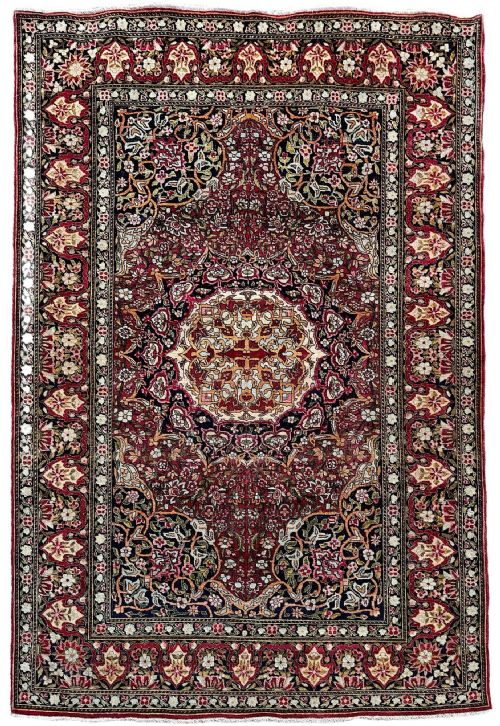
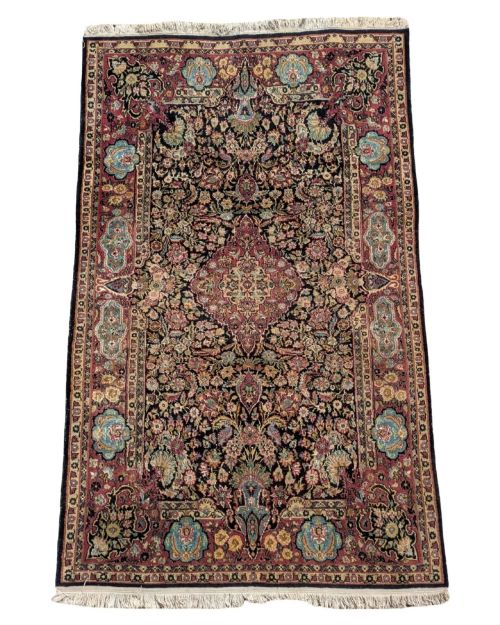
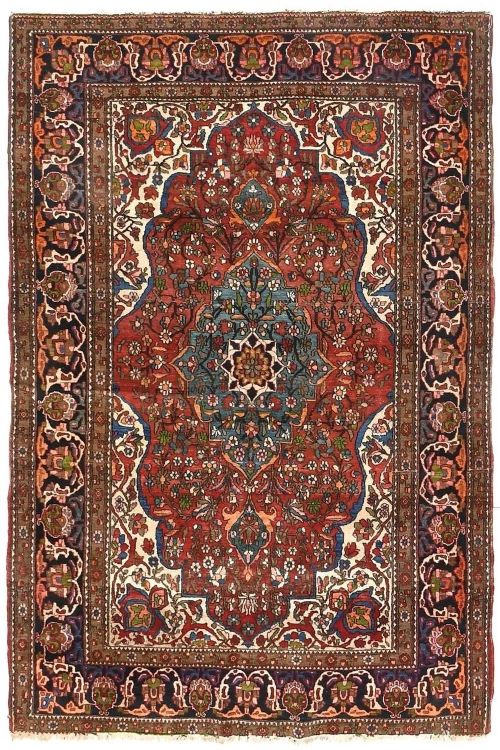
A persian isfahan medallion carpet represents traditional central Persian weaving at its most formal. The pieces found here span from the late nineteenth century through to the 1930s.
Most examples take the form of rugs and area rugs featuring classic small medallion designs. These compositions rely on balanced central motifs framed by detailed borders typical of Persian workshops.
Factors in quality
Quality rests upon the precision of the central medallion design and the crispness of the surrounding motifs. Tighter knotting allows for sharper execution of traditional Persian patterns.
The condition of the wool pile and the survival of any silk highlights influence the overall appearance. Well-preserved pieces retain distinct colour separation within the intricate borders.
Persian Isfahan Medallion Carpet Retail Price Guide 2026
Typical asking prices for persian isfahan medallion carpet among the pieces listed under this phrase on Sellingantiques today, from the lower quarter to the upper quarter. They describe what is for sale here now, not the wider market.
Listings span from 1890 to 1930, utilising wool, cotton, and silk across traditional Persian styles.
The Persian Isfahan Medallion Carpet Glossary
- Medallion
- A central ornamental motif placed in the middle of the carpet field. This design element anchors the symmetrical layout typical of Isfahan weaving.
- Pile
- The upright yarn forming the surface of the carpet. It is created by knotting wool or silk onto the underlying cotton foundation.
- Foundation
- The underlying structure of warp and weft threads that supports the knotted pile. Cotton serves as the primary material for this hidden framework.
- Silk highlights
- Specific areas woven in silk to create contrast against a wool background. These luminous details draw the eye to particular parts of the pattern.
Persian Isfahan Medallion Carpet: Frequently Asked Questions
How do I date a Persian Isfahan carpet?
Dating relies on stylistic clues, structural characteristics, and material usage recorded across pieces from the late nineteenth century to the 1930s. Earlier examples often show specific regional dye palettes and traditional weaving structures.
Comparing the crispness of the central medallion and the overall wear pattern helps place a piece within its proper historical decade.
Where were these carpets made?
These pieces originate from central Persia, specifically associated with the historic city of Isfahan. Local workshops produced formal rugs following established traditions of design and technique.
Master weavers in this region developed distinct medallion compositions that define the output of the area.
How should I care for a wool and silk carpet?
Gentle vacuuming without a rotating brush protects the delicate wool pile and any silk highlights from damage. Keeping the carpet out of direct sunlight prevents the rich colours from fading over time.
Professional cleaning tailored to antique textiles ensures the cotton foundation remains stable and secure.