
Persian Area Mat
A persian area mat brings centuries of tribal and village weaving traditions into modern interiors through rich wools and distinctive geometric motifs.
Persian Area Mat
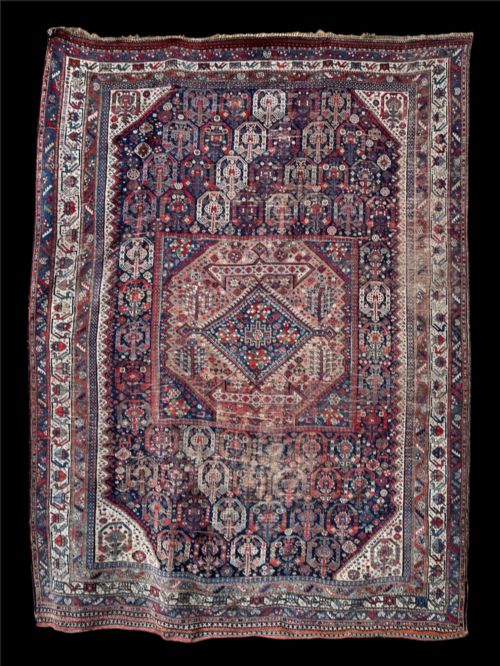
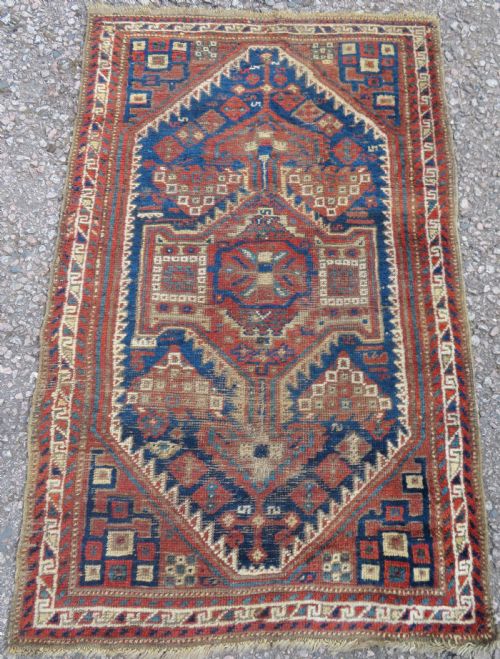
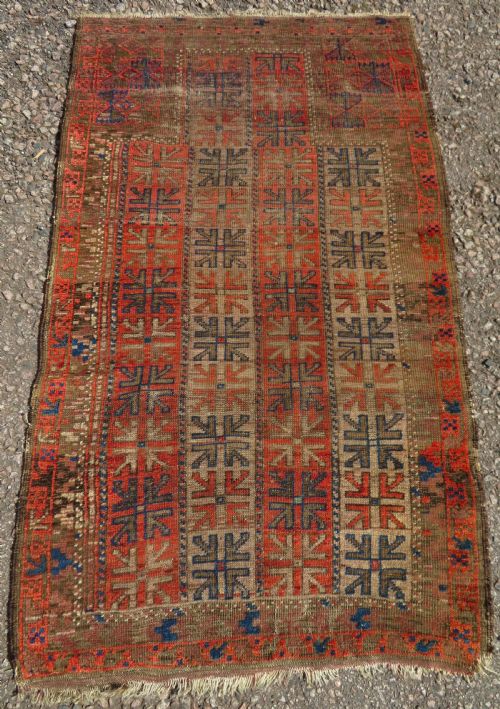
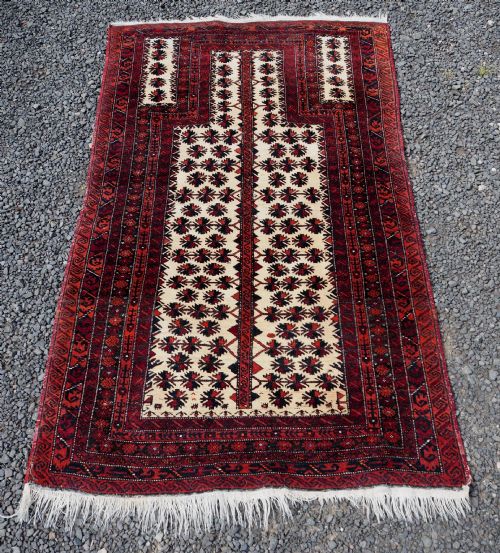
A persian area mat encompasses hand-woven floor coverings and textiles originating from nomadic tribes, village workshops, and regional centres across Persia. Buyers searching this phrase encounter diverse formats ranging from small hearth-sized pieces and prayer rugs to larger room-sized carpets.
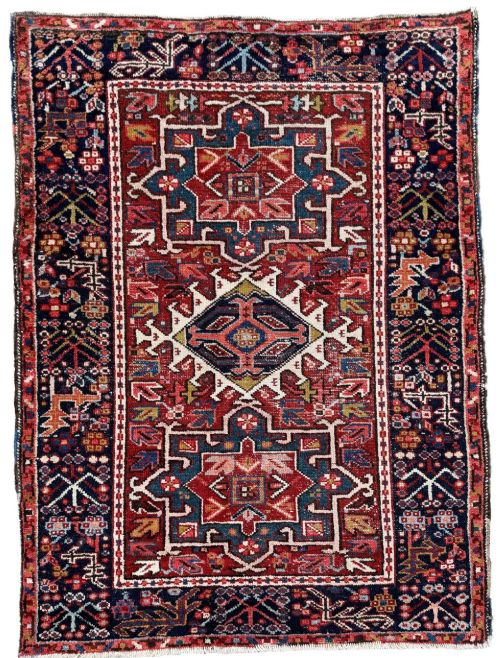
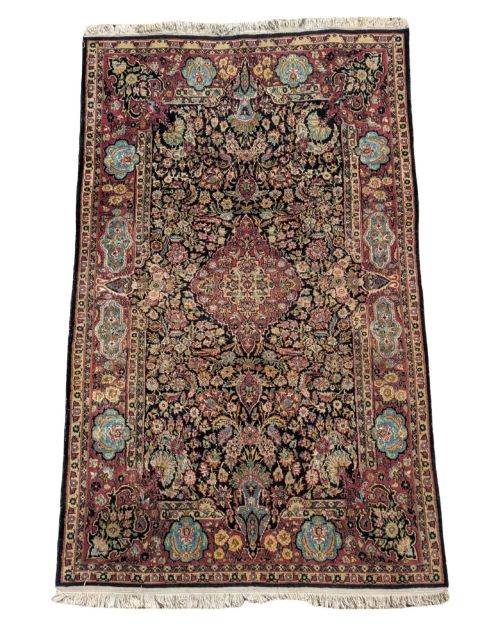
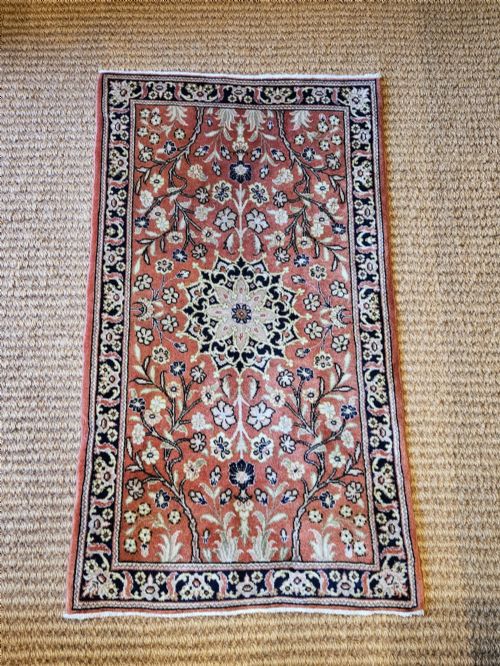
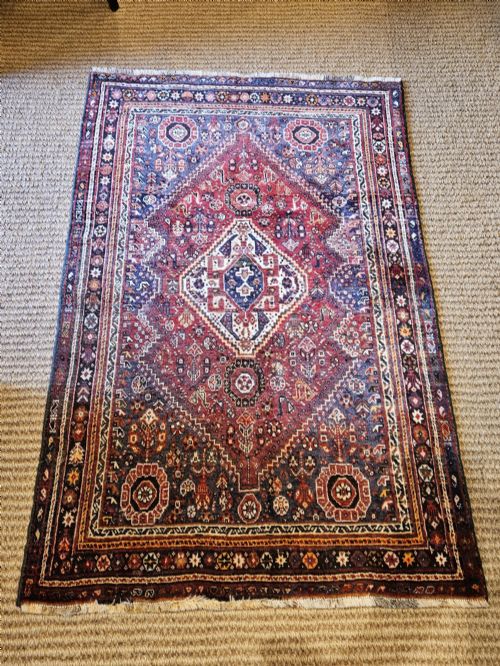
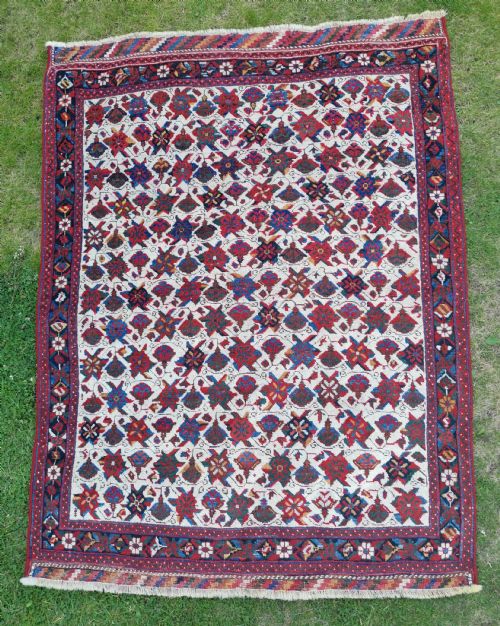
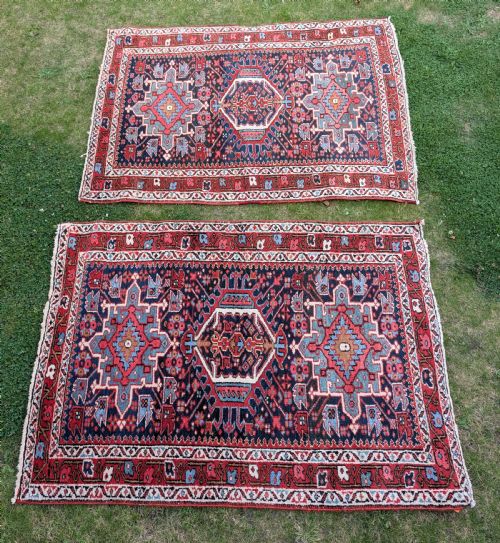
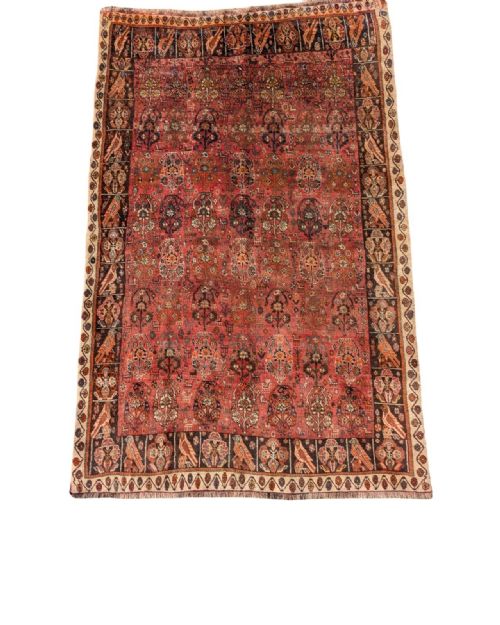
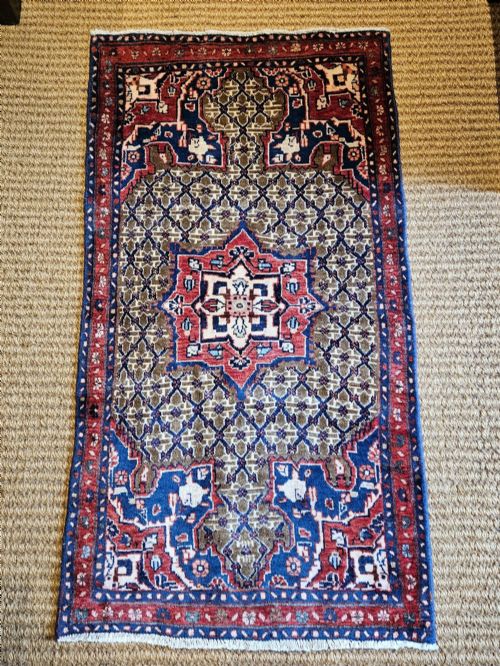
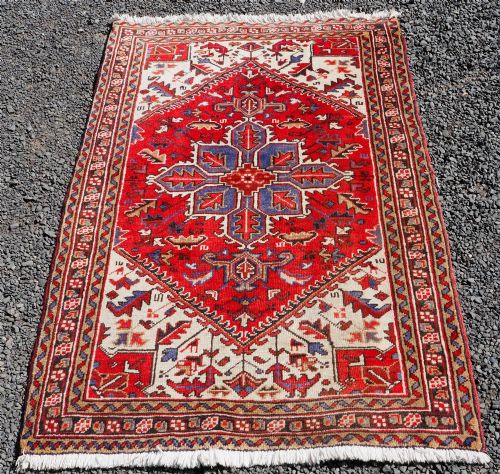
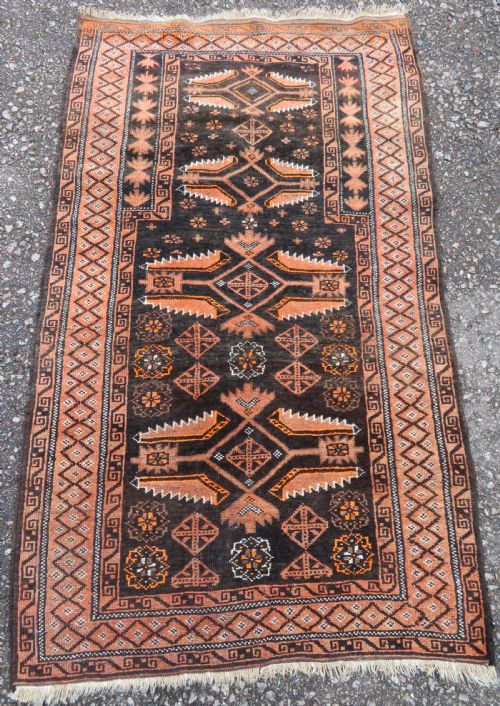
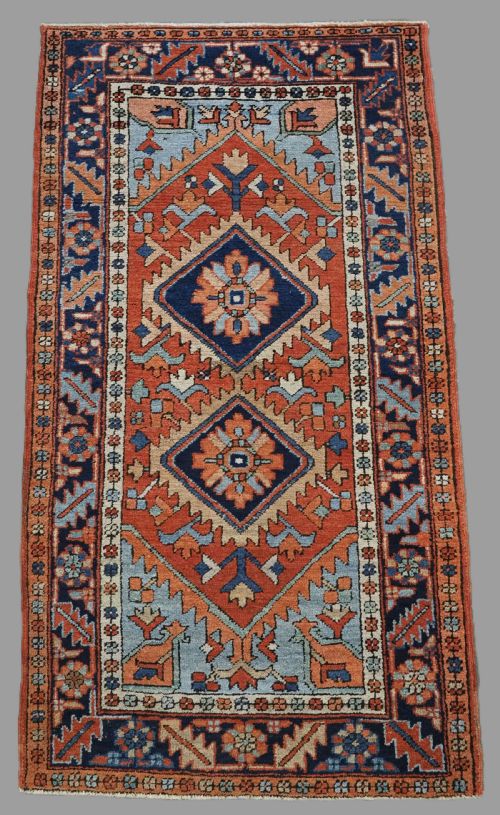
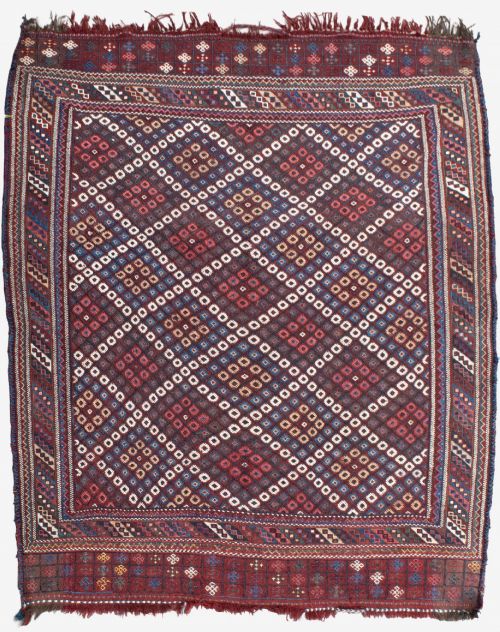
The selections span periods from the nineteenth century through the early twentieth century, incorporating traditional village patterns and tribal designs. Frequent regional attributions include Baluch, Afshar, Karaja, Heriz, and Kashgai styles.
Nomadic and village pieces dominate the offerings, often displaying spontaneous geometric layouts, medallions, or shrub motifs rather than formal court designs. These textiles served practical domestic functions or nomadic daily life before entering the antique market.
Materials and Construction Techniques
Weavers utilised natural materials, predominantly relying on wool, hand-spun wool, cotton foundations, and occasional camel hair or silk highlights. The choice of fibre directly influences the weight, handle, and durability of each textile.
Nomadic and village artisans employed traditional hand-weaving methods on upright or horizontal looms, incorporating natural dyes that yielded deep rusts, indigos, and earth tones. Many examples feature sturdy wool piles knotted onto cotton or wool warp and weft foundations.
Some nomadic weavers included tiny intentional imperfections in their geometric patterns to ward off the evil eye.
Assessing Quality and Execution
Knot density, structural integrity, and the crispness of the drawing separate finer pieces from simpler village work. Finer examples display precise execution in intricate floral or geometric designs and resilient wool piles.
The vibrancy and depth of the palette contribute significantly to a piece's standing, with well-preserved natural dyes maintaining their visual resonance over generations. Structural preservation of the original borders and selvages also dictates overall desirability.
Timuri Baluch
The Persian Area Mat Glossary
- Sofreh
- A flat-woven spread or cloth used by nomadic tribes for kneading dough, sharing meals, or serving bread. These textiles often feature distinctive tribal iconography.
- Prayer rug
- A small format rug featuring a mihrab or arch design, traditionally utilised for daily Islamic prayers. These pieces focus the worshipper's attention toward Mecca.
- Warp
- The vertical threads stretched lengthwise on the loom before weaving begins. The fringe of a finished rug typically consists of the extended warp threads.
- Weft
- The horizontal threads passed alternately over and under the warp threads to bind the knots in place. Together with the warp, they form the structural foundation of the textile.
- Baluch
- A designation for rugs woven by Baluchi nomadic and village tribes residing across border regions of Persia and Afghanistan. These works often incorporate dark wools and prayer formats.
Persian Area Mat: Frequently Asked Questions
How do I clean a fragile antique rug?
Gentle surface brushing and professional specialist cleaning suited for antique textiles help preserve delicate wool and natural dyes.
Avoid immersion washing or harsh chemical treatments that weaken old cotton foundations and wool pile.
Are these rugs suitable for high traffic areas?
Sturdier wool pile constructions withstand moderate foot traffic in domestic spaces when protected by a suitable underlay.
Finer or older silk-highlighted examples benefit from placement in low-traffic rooms to minimise fibre wear.
How do I identify tribal designs?
Tribal designs typically exhibit asymmetrical geometric motifs, stylised animals, and memory-woven patterns rather than rigid symmetrical court layouts.
Weavers working in village and nomadic settings relied on traditional regional motifs passed down through generations.