

Period Wooden Storage
Period wooden storage encompasses centuries of chests, coffers, and cabinets built to hold household goods in solid oak and mahogany.
Period Wooden Storage
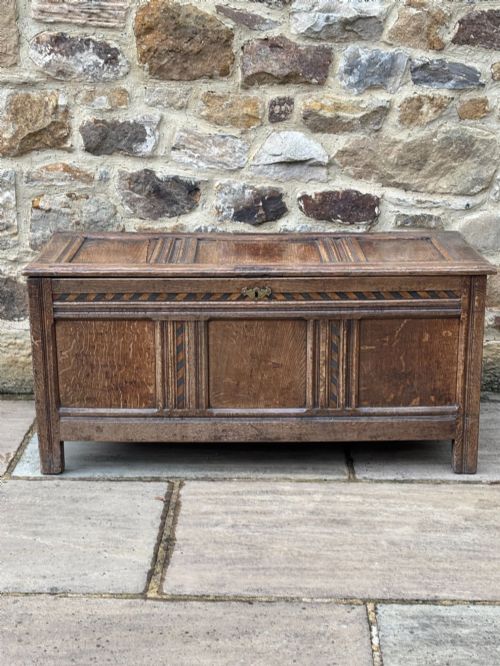
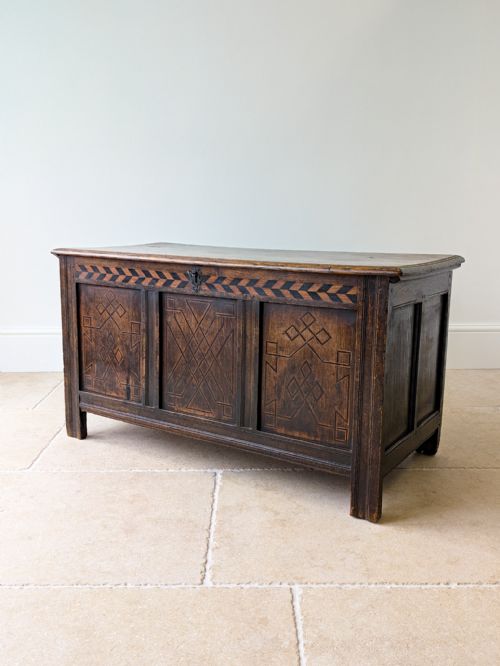
Period wooden storage covers utilitarian vessels built from the sixteenth to the nineteenth century, ranging from boarded coffers to tall linen presses and chests of drawers. These pieces served domestic households for keeping textiles, documents, and valuables safe from damp and pestilence.
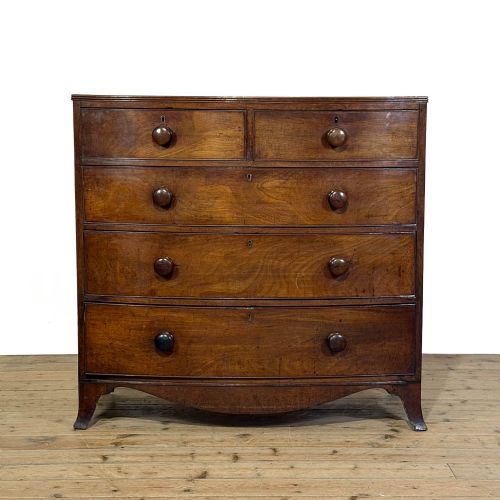
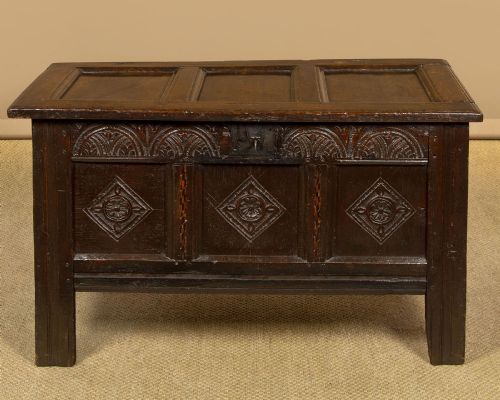
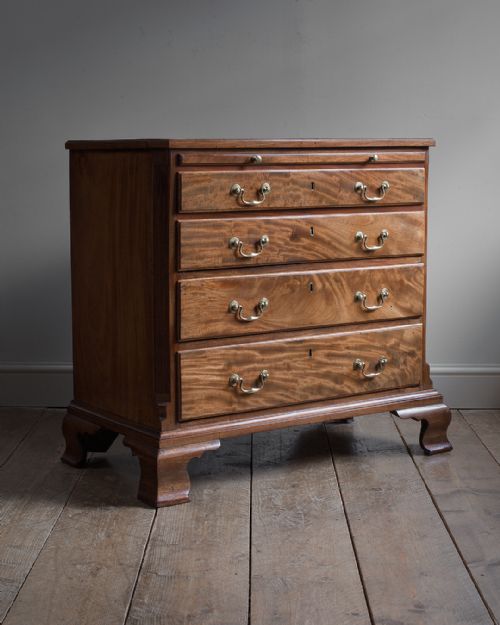
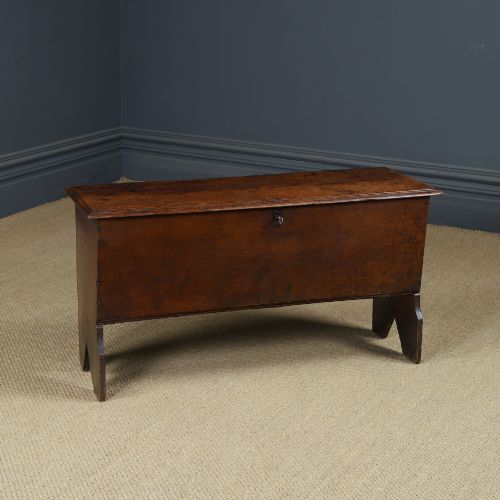
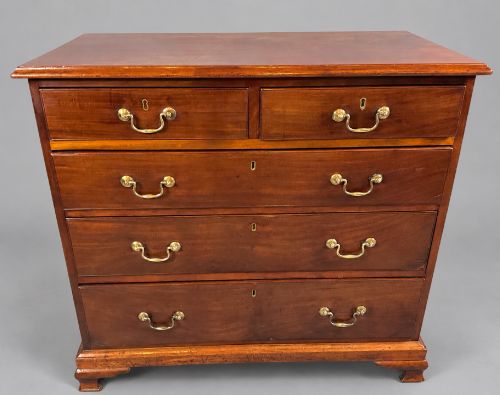
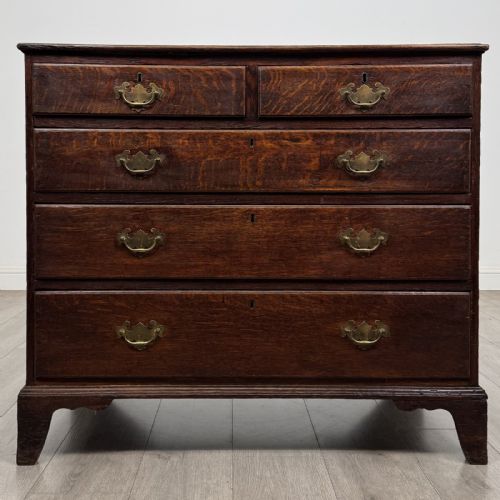
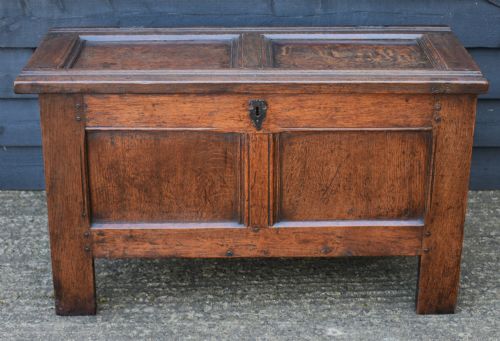
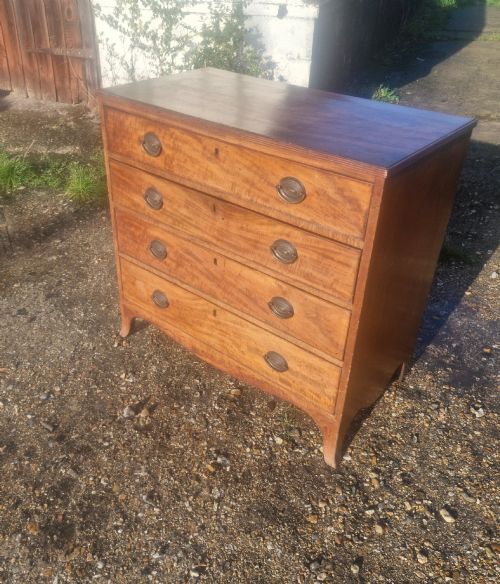
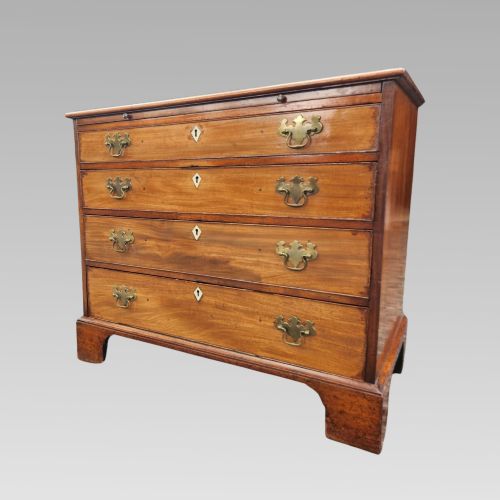
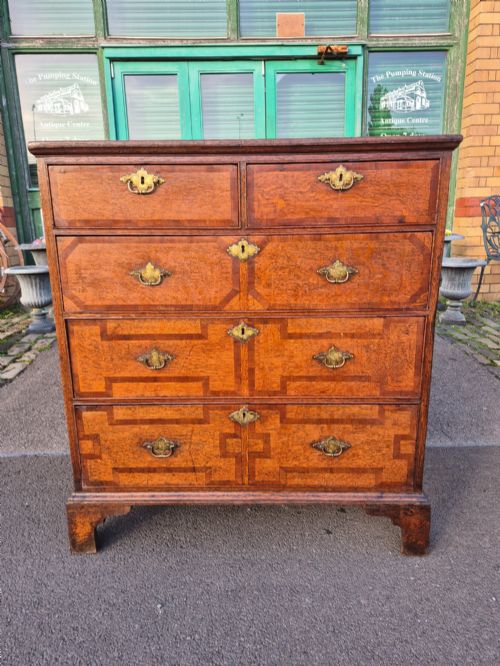
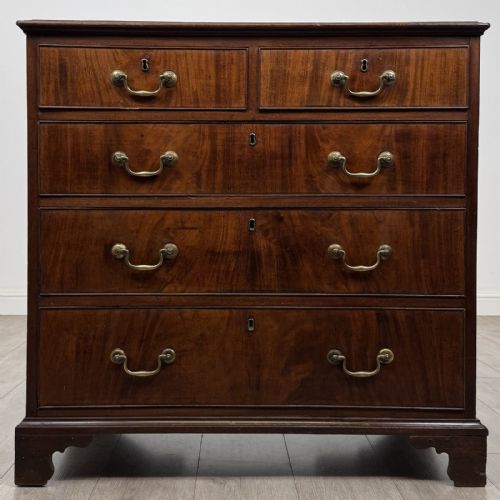
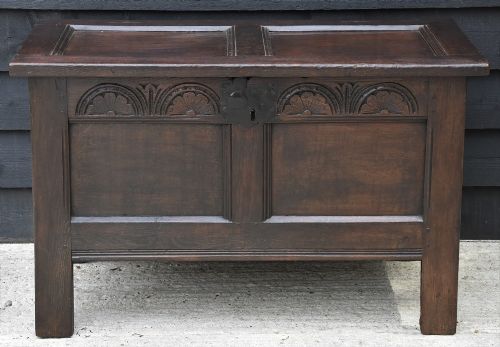
The most common forms found in this collection are sturdy oak coffers from the seventeenth and eighteenth centuries alongside mahogany chests of drawers dating from the Georgian and Regency periods. Buyers encounter everything from small bible boxes to large mule chests fitted with internal drawers.
Origins span English, Welsh, and continental workshops, displaying regional vernacular traits in timber selection and joinery methods. Pieces transition from heavy boarded construction to sophisticated veneered cabinetry as centuries progress.
Materials and construction
Carpenters utilised native oak during the sixteenth and seventeenth centuries, employing joined frame-and-panel construction to accommodate the natural expansion and contraction of timber. Pegs and dowels secured joints without reliance on metal nails.
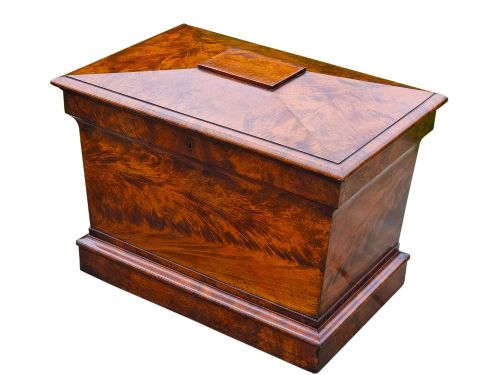
Mahogany and walnut dominated eighteenth and nineteenth-century cabinet making, often applied as flame veneer over pine or oak carcasses to create decorative grain patterns. Brass handles, escutcheons, and iron hinges provided functional reinforcement and closure.
Secondary timbers such as deal and elm appear on internal drawer linings and base boards, reflecting economical use of materials hidden from view.
Period Wooden Storage Retail Price Guide 2026
Typical asking prices for period wooden storage among the pieces listed under this phrase on Sellingantiques today, from the lower quarter to the upper quarter. They describe what is for sale here now, not the wider market.
Early bible boxes doubled as portable desks, allowing literate household members to lock away scripture and inkwells securely.
Evaluating the pieces
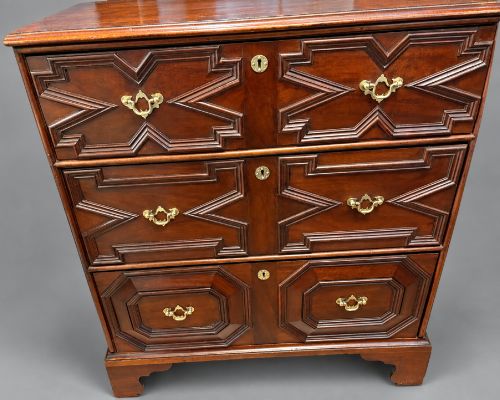
Quality rests upon the integrity of the primary timber and the crispness of hand-carved ornamentation, such as panels and mouldings executed by skilled joiners. Thick, well-figured mahogany veneers and heavy gauge oak boards indicate a higher standard of original commission.
Survival of original surface patination, hardware, and structural joints separates untouched examples from those heavily restored or altered over generations of domestic use. Well-proportioned carcases with tight corner joints command attention above those showing structural sag or replaced feet.
The Period Wooden Storage Glossary
- Coffer
- A heavy wooden chest with a hinged lid, primarily used for storing clothes, valuables, or dry goods. Early examples employ boarded or joined oak construction.
- Mule chest
- A storage chest featuring one or two drawers set beneath the main compartment. This form emerged in the late seventeenth century as domestic storage needs evolved.
- Linen press
- A tall tallboy or cabinet designed specifically to store household linens on sliding trays behind upper doors, sitting above a chest of drawers. Regency examples often employ flame mahogany veneers.
- Boarded construction
- A simple method of joining planks edge-to-edge with nails or pegs to form a box, typical of early six-plank coffers. This technique predates complex frame-and-panel joinery.
- Flame mahogany
- A highly figured veneer cut from the fork of a mahogany tree where the branch meets the trunk. Cabinet makers utilised this grain pattern to create dramatic symmetrical facades on Georgian and Regency drawer fronts.
Period Wooden Storage: Frequently Asked Questions
How do I clean an antique oak coffer?
Dust surfaces regularly with a soft, dry cloth to prevent grit accumulation.
Apply a traditional beeswax polish sparingly once or twice a year to nourish the dry timber and maintain the natural sheen.
Where should I place a wooden chest?
Keep wooden storage away from direct sunlight and heat sources like radiators to prevent the timber from splitting or warping.
Ensure adequate air circulation around the back and base of the piece to protect against damp conditions.
How do I tell seventeenth-century oak from later copies?
Examine the joints and tool marks for signs of hand-working with adzes and pit saws rather than modern machinery.
Genuine early pieces display natural timber shrinkage, pegged tenons, and consistent wear patterns appropriate to age.
Can I use a Georgian chest of drawers daily?
Solid mahogany and oak chests were built for heavy domestic use and remain entirely practical for modern clothing storage.
Pull drawers evenly from the centre and avoid overloading them to protect the historic runners and drawer bottoms.