



Period Wooden High Chair
A period wooden high chair is a robust piece of domestic furniture built to elevate a child to table height, combining traditional joinery with domestic utility.
Period Wooden High Chair
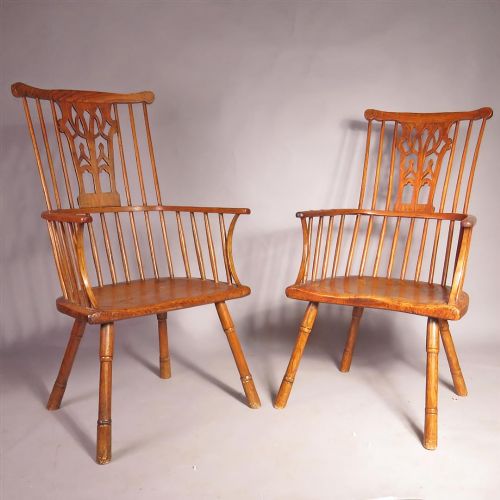
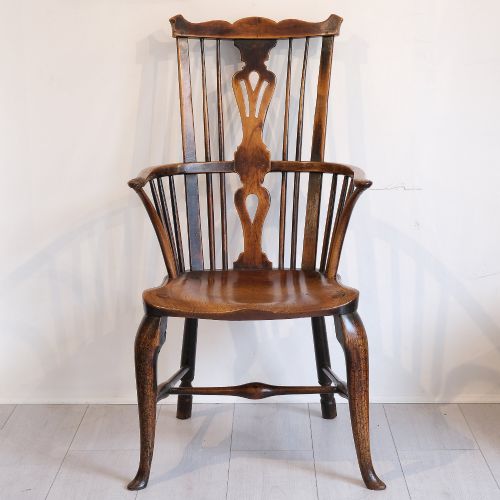
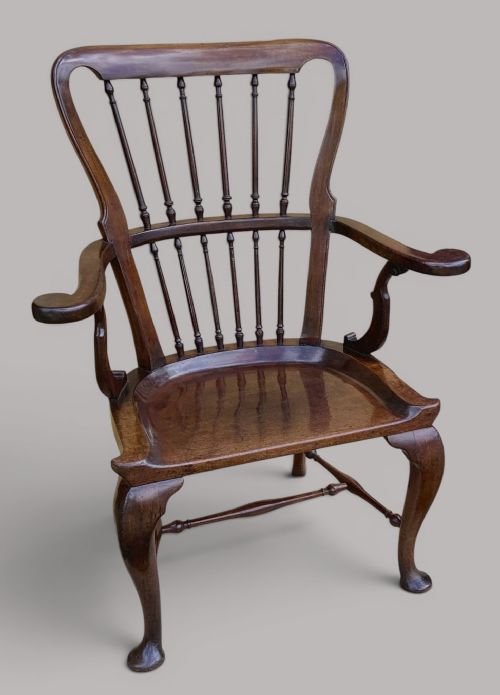
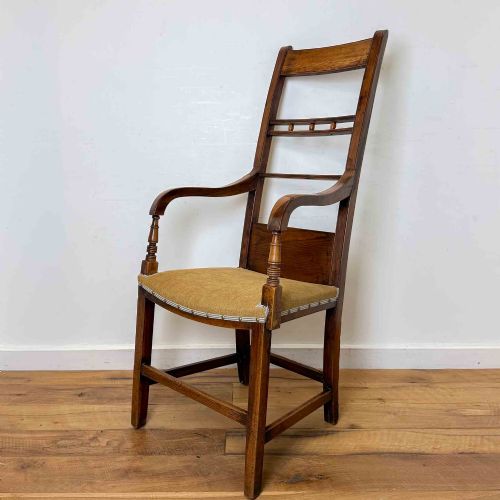
A period wooden high chair represents early domestic seating designed specifically for children, drawing upon the vernacular traditions of regional cabinet-makers. These pieces span several centuries, with examples appearing across the Georgian and Victorian eras up to the early twentieth century.
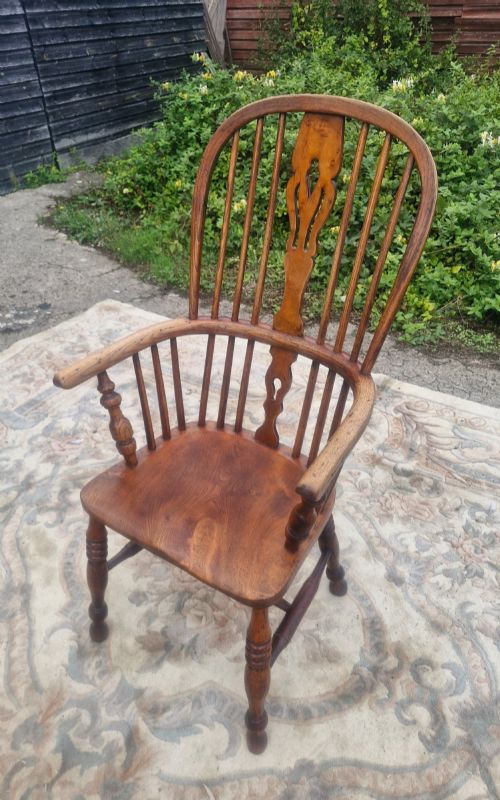
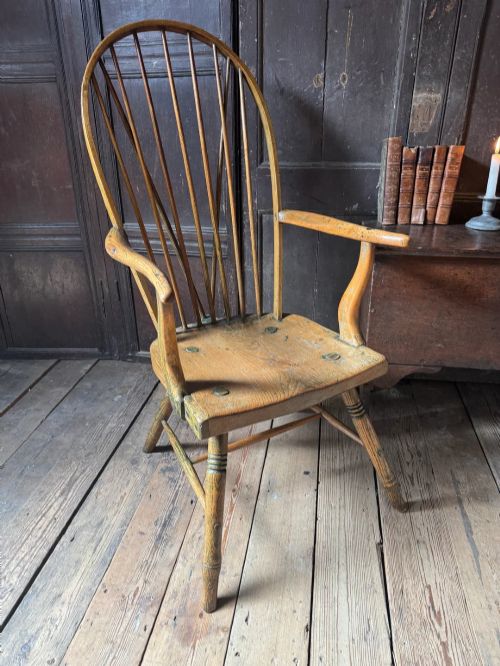
The construction of a period wooden high chair often echoes the adult seating styles of its day, ranging from Windsor frameworks to ladderback designs. Many incorporate sturdy stands or elongated legs to achieve the necessary elevation for the young occupant.
Evaluating the Craftsmanship
Quality in these children's seats rests upon the integrity of the original structure and the survival of the timber surface. Pieces that retain their original independent stands or untampered leg heights demonstrate greater fidelity to their period.
Finer examples show careful selection of grain and sophisticated turning on spindles or legs, distinguishing domestic workshop output from simpler utilitarian items. The depth of the patination on woods like mahogany or oak further separates superior survivals from later alterations.
Many of these miniature seats preserve tiny footrests polished smooth by the swinging heels of infants long forgotten.
The Period Wooden High Chair Glossary
- Windsor
- A chair built with a solid wooden seat into which the legs and back spindles are directly bored and wedged. This form provided exceptional sturdiness for daily domestic use.
- Comb back
- A Windsor chair variation where the vertical spindles of the back extend upward into a horizontal top rail resembling a traditional hair comb. This construction offers robust support.
- Vernacular
- Furniture made by local craftsmen following regional traditions rather than metropolitan academic designs. These pieces utilise readily available native timbers.
- Patina
- The surface sheen and deep colour developed by hardwood over centuries of handling, exposure, and polishing. It serves as an indicator of age and honest preservation.
Period Wooden High Chair: Frequently Asked Questions
How were high chairs used historically?
These seats elevated small children safely to table level during family meals in earlier centuries. They functioned as permanent nursery fixtures designed to keep the child secure.
Many incorporated deep seats or enclosed frameworks to prevent restless occupants from falling during long periods of use.
How do I identify a Georgian high chair?
Georgian examples typically employ dense timbers like mahogany or elm, reflecting the cabinet-making standards of the eighteenth century. They frequently mirror the prevailing chair styles of the era, such as pierced splats or straightforward structural bracing.
Proportions remain sturdy to support the elevated seating position, often featuring integrated footrests essential for a child's posture.
Are these chairs safe for modern use?
Period seating was built to the domestic standards of past centuries and lacks modern safety certifications or restraint harnesses. Collectors generally treat them as decorative display items rather than functional nursery furniture.
Placing active children into antique seating risks damaging fragile historic joinery and original timber components.
What woods were commonly used?
Cabinet-makers relied on durable native hardwoods such as oak, elm, ash, and fruitwood for regional and vernacular pieces. Mahogany appeared frequently during the eighteenth and nineteenth centuries for more formal urban commissions.
Combinations of multiple timbers within a single frame were standard practice to balance flexibility in the back with rigidity in the legs.