
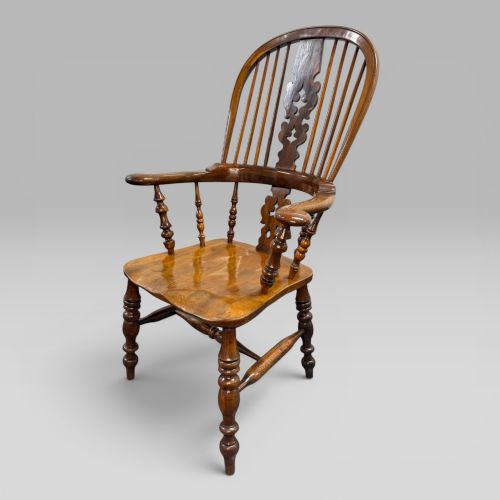
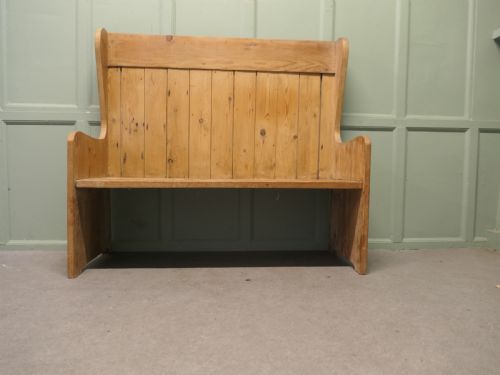
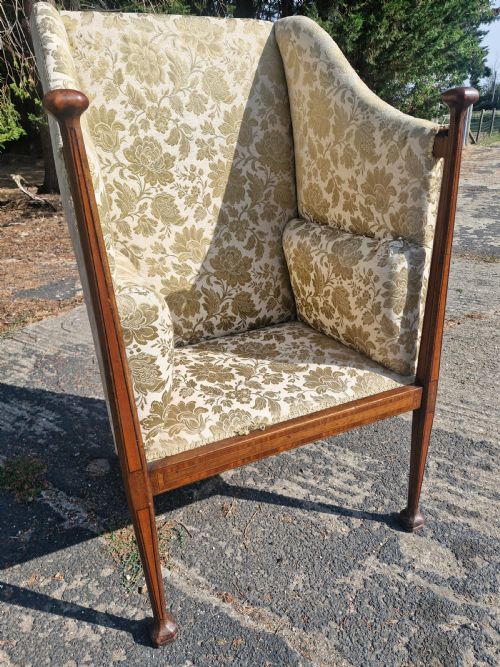
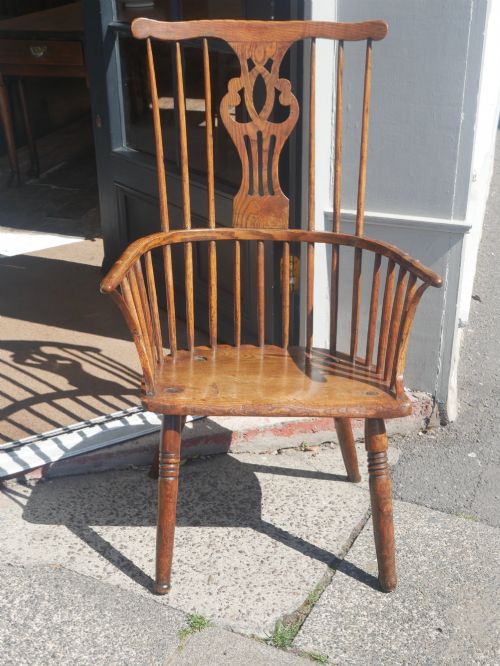
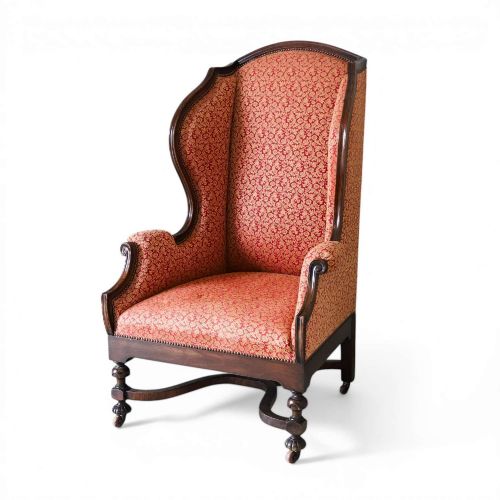
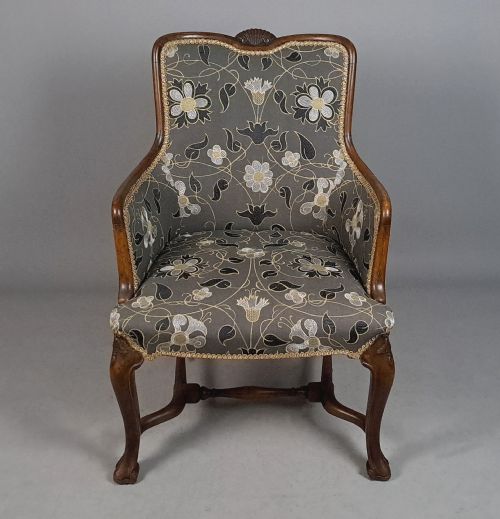
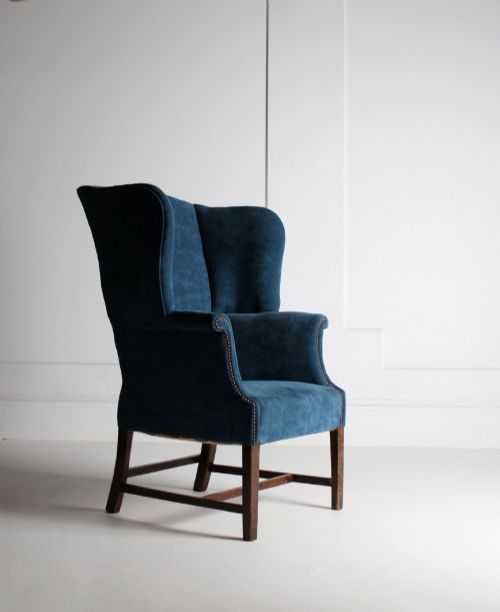
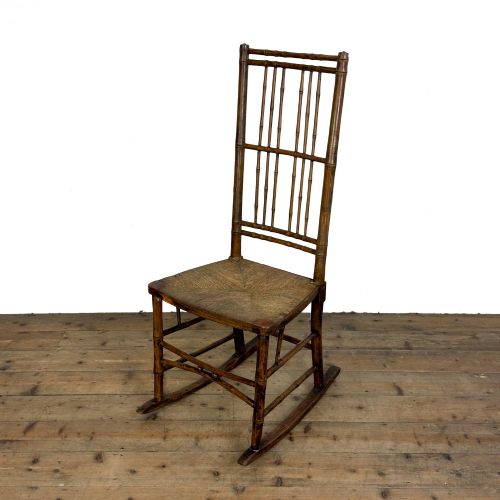
Vintage High Chair Wood
These vintage high chair wood selections bring sturdy, vernacular character to domestic spaces through time-tested timber construction.
Vintage High Chair Wood
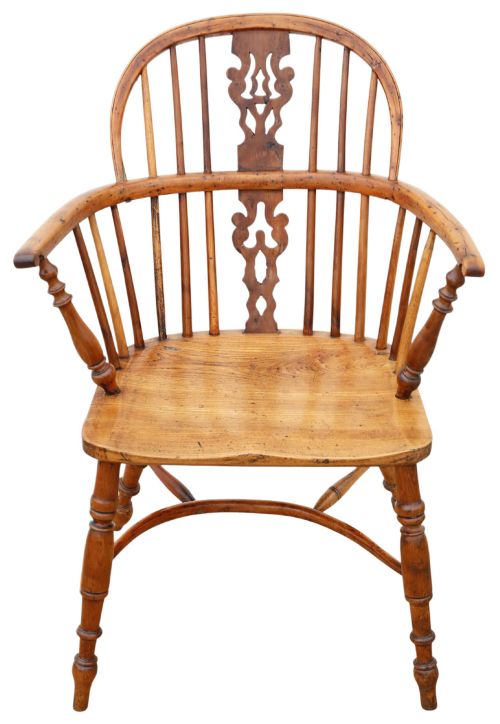
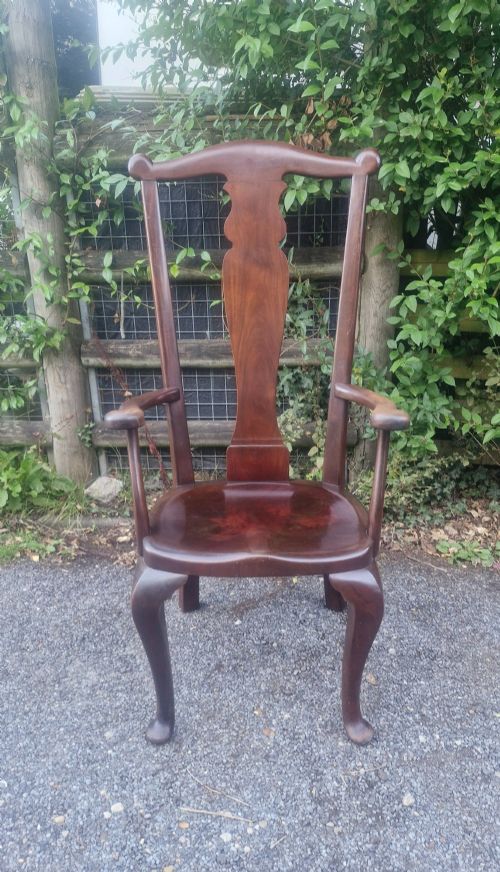
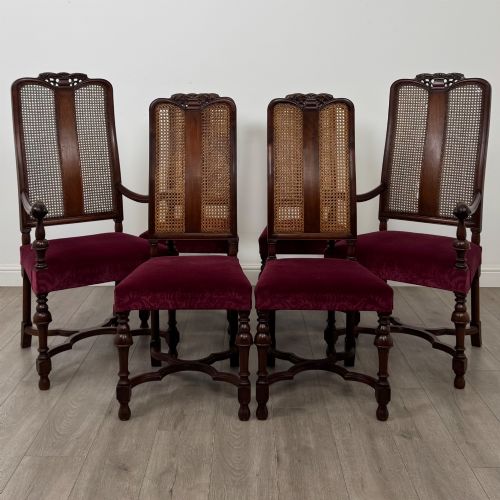
A vintage high chair wood search reveals domestic seating designed specifically for children across the eighteenth, nineteenth, and early twentieth centuries. These pieces emerge primarily from vernacular traditions, spanning Georgian examples and Victorian country workshops.
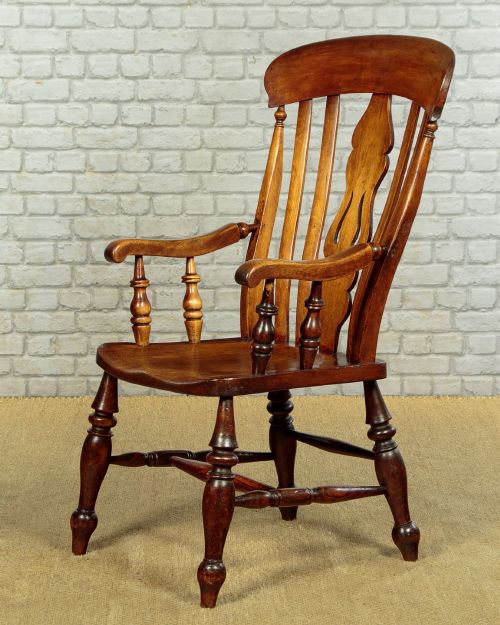
The selections on this page centre heavily on high chairs alongside related child's Windsor forms in robust timber constructions. Makers built these small seats to withstand heavy household use while retaining the structural language of adult chairs of the period.
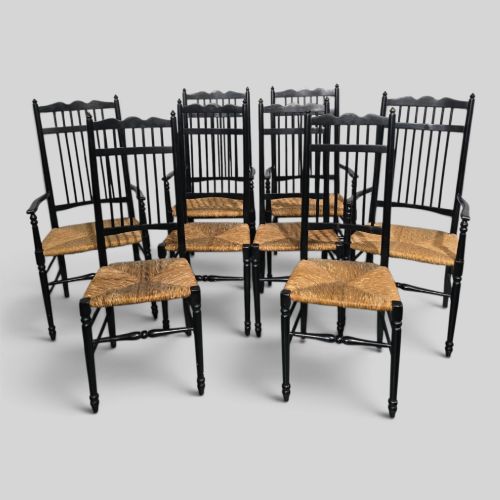
Makers often drew upon local vernacular styles, producing country pieces that reflect regional British woodworking traditions. Alongside these, occasional European painted examples appear, demonstrating diverse decorative approaches to child seating.
Materials and Technique
Craftsmen utilised durable native timbers such as elm, ash, and yew, frequently combining woods to exploit the specific strengths of each material. Elm provided tough, split-resistant seats, whilst ash and yew offered flexible durability for spindles and bent members.
Construction relied upon traditional joinery techniques, notably through-tenoning and wedged joints that held the frame rigid under daily use. Turnery lathes shaped spindles and legs, while steam-bending allowed makers to form comfortable high backs and curved arm rails.
Some tiny chairs carry the faint, hurried bite marks of restless toddlers who sat in them two centuries ago.
Judging Quality
The distinction between ordinary and superior pieces rests upon the harmony of the timber selection and the integrity of the original construction. Master craftsmen chose woods with rich grain patterns and matched them thoughtfully across the seat and back assembly.
Proportion and finish separate the finest examples from utility pieces, as does the survival of original surface patination. Subtle details in the turning of the spindles and the comfort of the back rake indicate a higher standard of workshop production.
The Vintage High Chair Wood Glossary
- Vernacular
- Everyday objects built by regional craftsmen following local traditions rather than metropolitan academic designs. These pieces prioritize practical utility and local timber availability.
- Windsor
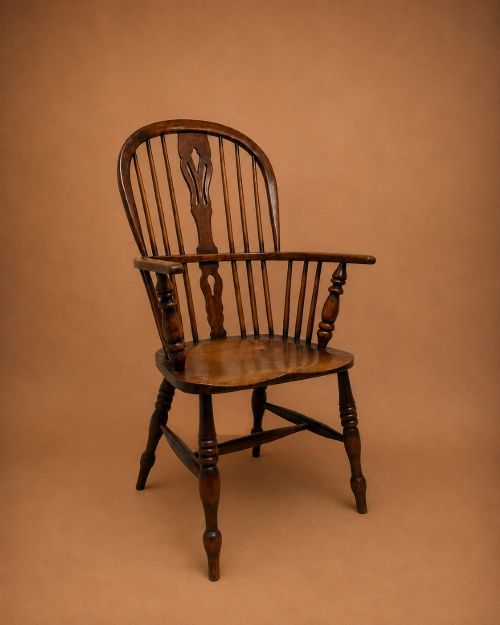
- A chair built with a solid wooden saddle seat into which the legs and back spindles are directly tenoned. This construction method creates a light yet exceptionally rigid frame.
- Comb Back
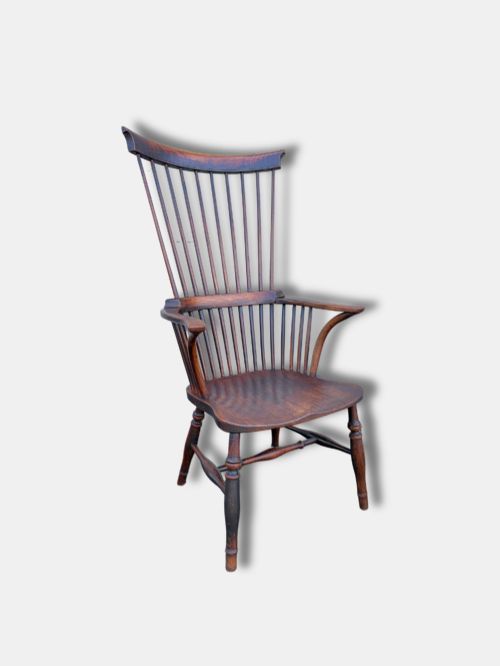
- A Windsor chair variant where the top rail resembles the spine of a comb, with the vertical spindles passing through it. This design provides robust upper back support.
- Patina
- The deep surface sheen and colour acquired by wood through decades of handling, light exposure, and polishing. It serves as a visual record of age and care.
- Tenon
- The projecting end of a piece of timber shaped to fit snugly into a mortise hole to form a secure joint. It is a fundamental technique in traditional chair making.
Vintage High Chair Wood: Frequently Asked Questions
How do I date a wooden high chair?
Dating relies upon examining the tool marks, timber combinations, and structural construction methods used in the frame. Hand-carved details and specific turning profiles often align with known stylistic periods.
Changes in hardware, such as handmade versus machine-cut screws or nails, also provide reliable clues to the decade of manufacture. Comparing the piece to dated examples in vernacular furniture literature helps narrow the timeline further.
Were these high chairs used for everyday dining?
Families utilised these sturdy wooden seats primarily for infant feeding and keeping young children secure at the family table. Their heavy timber build ensured they could withstand the rigours of daily household routines.
Over generations, many transitioned into decorative nursery items or family keepsakes once children outgrew them. Their robust construction allowed them to survive centuries of domestic life.
What woods were commonly used?
Country makers selected native hardwoods that offered a combination of strength, flexibility, and resistance to splitting under heavy use. Elm appeared frequently for solid seats because its interlocking grain prevented cracking.
Ash and yew provided the necessary tension for bent arms and slender spindles. Occasionally, fruitwoods or imported timbers feature in specific regional or decorative examples.
How should I care for antique wooden seating?
Maintaining these pieces involves keeping them away from direct heat sources and sudden humidity changes that cause timber to warp or split. Gentle dusting with a dry cloth protects the aged surface without stripping the accumulated finish.
Applying a traditional beeswax polish occasionally helps nourish dry wood and preserves the natural patina. Avoid modern silicone sprays, which can permanently damage historic timber surfaces.