


Period Table with Drawers
When you need a period table with drawers, you are looking at centuries of functional carpentry designed to hold the small necessities of daily life.
Period Table with Drawers
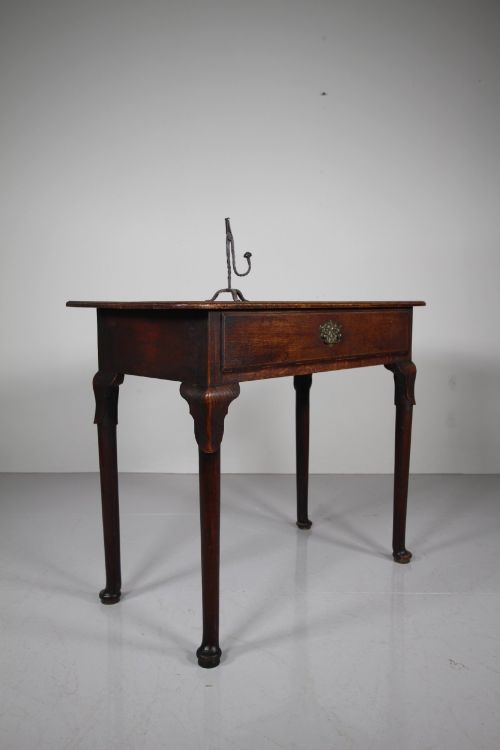
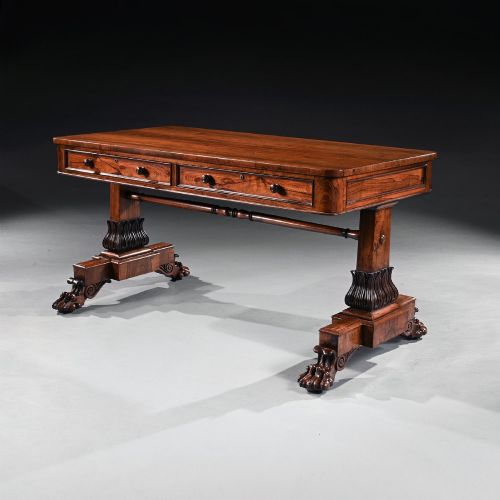
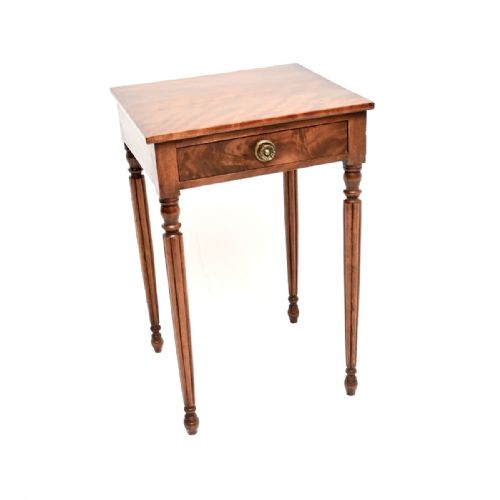
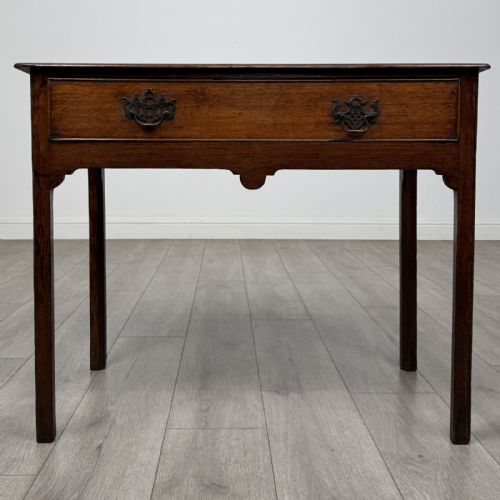
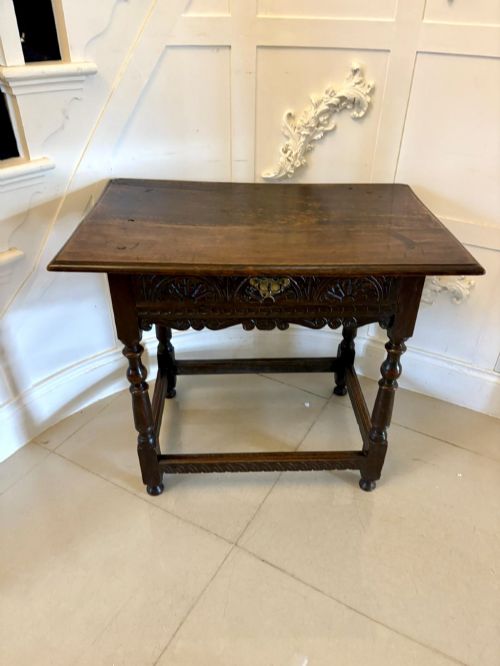
A period table with drawers brings together practical storage and fine furniture design across multiple centuries. Buyers searching this phrase encounter everything from sturdy oak servers of the seventeenth century to refined mahogany writing tables of the Regency and Georgian eras.
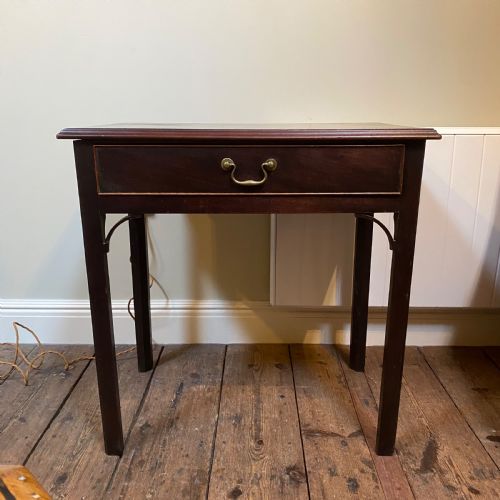
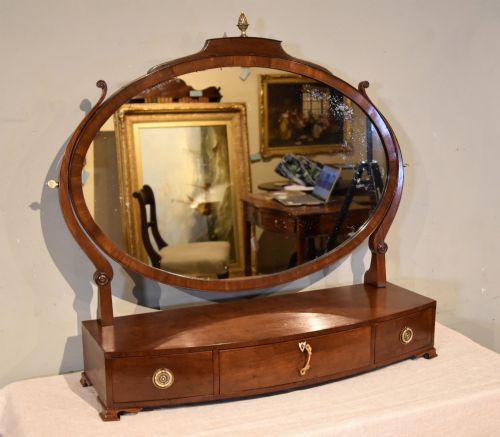
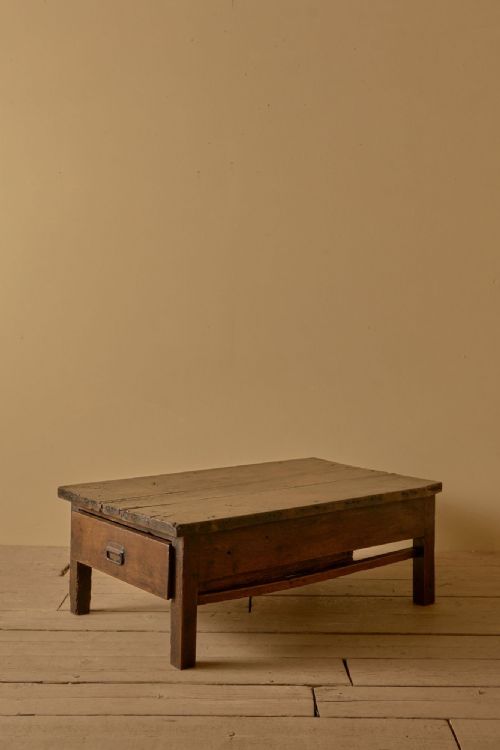
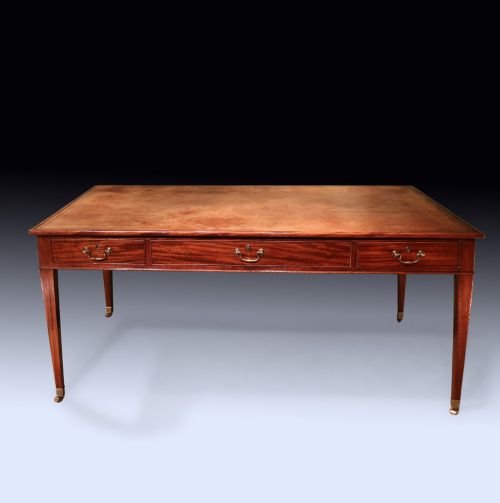
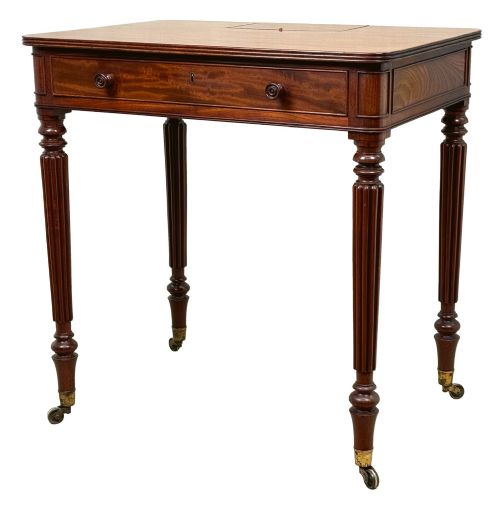
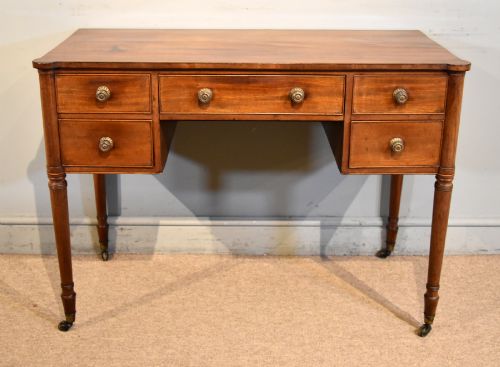
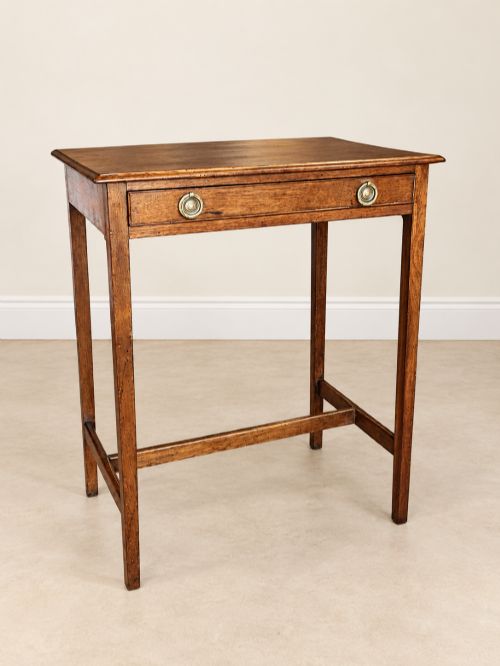
The selection on this page leans heavily toward mahogany and oak examples spanning the eighteenth and nineteenth centuries. Side tables, writing tables, and dressing tables dominate the forms, each incorporating one or more functional drawers into the primary timber structure.
Materials and construction methods
Cabinet makers relied primarily on mahogany and oak as structural timbers, frequently accentuating the surfaces with walnut, satinwood, and rosewood veneers. Brass hardware provided functional pulls and decorative inlays, whilst secondary woods like oak lined the interiors of the drawers.
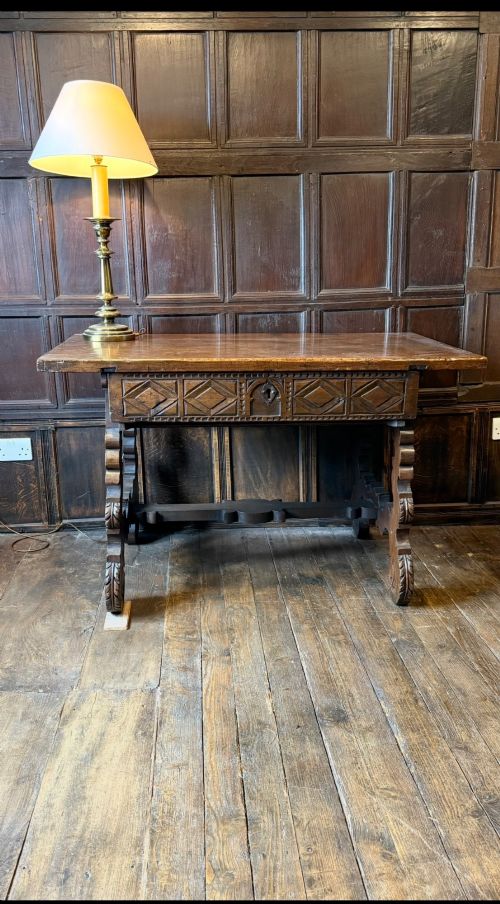
Joinery techniques varied according to the period, from the geometric mouldings of seventeenth-century oak servers to the precise cross-banding of later Sheraton designs. Drawers were constructed with hand-cut joints to ensure smooth operation within the solid timber frames.
Period Table with Drawers Retail Price Guide 2026
Typical asking prices for period table with drawers among the pieces listed under this phrase on Sellingantiques today, from the lower quarter to the upper quarter. They describe what is for sale here now, not the wider market.
Materials range from solid oak and figured walnut to exotic rosewood, satinwood veneer, and polished brass hardware.
Evaluating the craftsmanship
Quality in these tables rests upon the selection of well-figured timber and the retention of original brass fittings. Pieces that display crisp mouldings and careful attention to secondary woods stand distinctly apart from more utilitarian examples.
The integrity of the drawer construction and the harmony of the proportions dictate the standing of a piece within its period. Tables that maintain their original surfaces and uncompromised structural frames represent the pinnacle of the cabinet maker's art.
Gillows of Lancaster
The Period Table with Drawers Glossary
- Cross-banding
- A border technique where thin strips of veneer are laid across the grain of the primary timber to frame a drawer front or tabletop. This decorative method creates a neat contrast in colour and grain direction.
- Sofa table
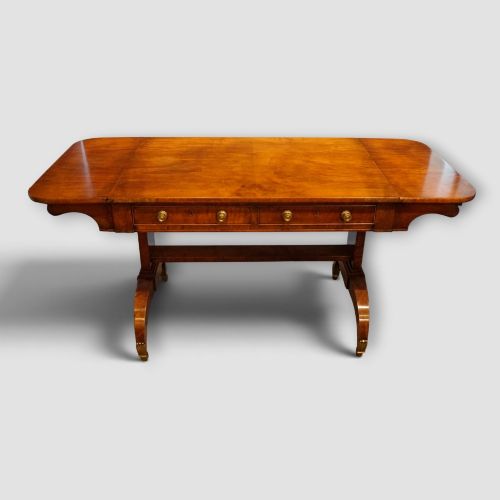
- A rectangular occasional table featuring drop leaves on either side and typically fitted with drawers. These pieces were designed to sit comfortably in front of a sofa during the Regency period.
- Washstand
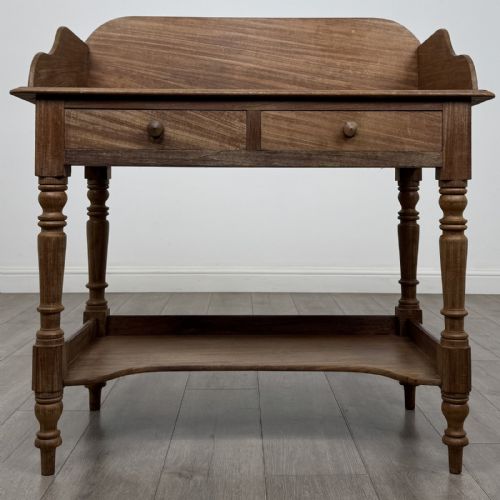
- A functional piece of furniture designed to hold washing basins and pitchers, frequently incorporating storage drawers and raised galleries. They appear in both mahogany and oak across various nineteenth-century forms.
- Bureau
- A writing desk featuring a sloping fall-front that opens to reveal internal compartments above a series of drawers. Figured walnut and mahogany were favoured timbers for these domestic storage pieces.
Period Table with Drawers: Frequently Asked Questions
How do I date an oak side table?
Dating an oak side table relies upon examining the construction methods, tool marks, and hardware used in the frame and drawers. Seventeenth-century examples often feature geometric mouldings and pegged joinery that differ significantly from later revival pieces.
Secondary woods and the wear patterns inside the drawer linings also offer reliable clues to the age of the timber. Comparing the structural characteristics to documented pieces from the same era helps narrow down the decade of manufacture.
Were writing tables used in bedrooms?
Writing tables and chamber tables served multiple domestic purposes, often moving between bedchambers, dressing rooms, and formal libraries. Their compact proportions made them ideal for personal correspondence and managing private accounts.
Many examples incorporate small drawers specifically sized for inkwells, sealing wax, and paper. This versatility allowed owners to utilise the furniture wherever the light happened to be best.
What is the difference between a side table and a serving table?
Side tables generally offered general-purpose surface space and a single drawer, suitable for hallways, parlours, or living spaces. Serving tables were typically larger and designed for dining rooms to hold dishes and silverware during meals.
Both forms utilise the structural stability of mahogany or oak frames, but serving tables often incorporate more decorative cross-banding or brass inlay. The depth and configuration of the drawers usually reflect the intended utility of the room.
How should I care for antique mahogany furniture?
Maintaining antique mahogany requires keeping the timber away from direct sunlight and sudden changes in central heating or humidity. Regular dusting with a soft, dry cloth preserves the natural lustre of the polished surface without building up residue.
Avoid using modern silicone-based polishes, which can penetrate old finishes and damage the wood over time. A gentle application of traditional wax periodically will nourish the grain and protect the antique patina.