





Period Silver Spoons
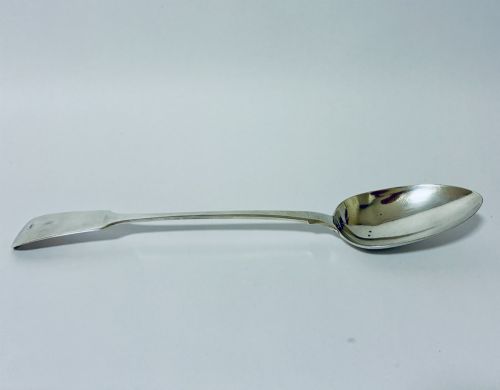
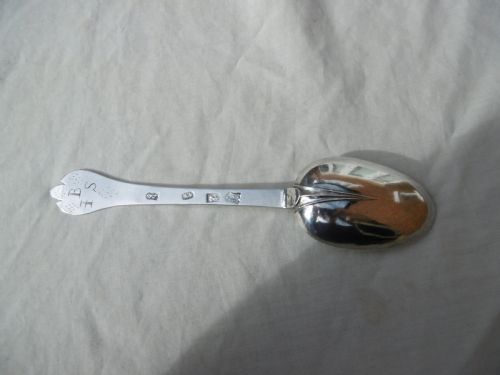
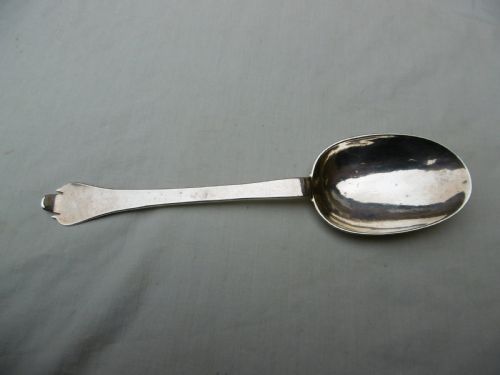
These period silver spoons range from seventeenth-century trefid and slip top examples to Georgian and later boxed sets.
Period Silver Spoons
When you search for period silver spoons, you look at tangible pieces of domestic history spanning multiple centuries of craftsmanship. The selection encompasses functional cutlery and flatware alongside dedicated serving spoons, salt cellars, tea caddy spoons, and marrow scoops.
You are most likely to meet seventeenth-century trefid and dognose forms, alongside Georgian berry spoons, fiddle pattern dessert spoons, and twentieth-century Art Deco bridge and coffee sets. These items represent utilitarian and decorative tableware created across the reigns and styles of distinct historic eras.
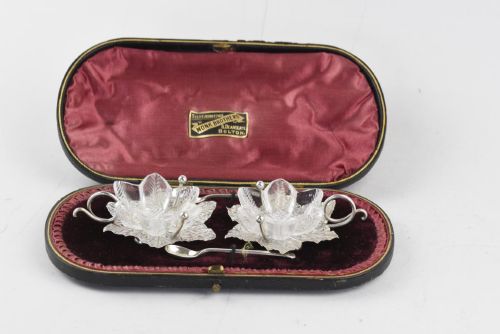
The origins span English, provincial, and continental workshops, incorporating specialised items housed in original velvet, silk, glass, or Bakelite fitted cases. Each piece reflects the dining habits and metalworking standards of its specific period.
How they were made
Makers shaped these items primarily from sterling silver and higher-purity Britannia standard silver using traditional hammering, casting, and hand-finishing techniques. Metal was worked into flatware profiles, reinforced with rattail attachments, and hand-engraved with family crests or initials.
Associated materials complement the metalwork, including clear glass liners for salt cellars and tactile Bakelite handles on twentieth-century bridge spoons. Fitted storage cases frequently incorporate silk and velvet linings to protect the silver surfaces.
Period Silver Spoons Retail Price Guide 2026
Typical asking prices for period silver spoons among the pieces listed under this phrase on Sellingantiques today, from the lower quarter to the upper quarter. They describe what is for sale here now, not the wider market.
Materials represented across the inventory include sterling silver, Britannia standard silver, velvet, silk, glass, and Bakelite.
What varies in quality
The distinction between tiers rests upon the crispness of hallmarks, the clarity of maker marks, and the preservation of original form against centuries of wear. Crisp ratification stamps, town marks, and legible period crests elevate an example significantly.
The integrity of surface decoration, such as intricate lace patterns on trifid stems or embossed berry work, dictates the upper echelon of the range. Complete sets accompanied by their original fitted cases demonstrate superior preservation compared to isolated survivors.
NG·William Penstone·Isaac Davenport·Benjamin Prosser·Stephen Coleman·John King·BCN·Lawrence Coles·George Wintle·JOHN ROUND·Walker and Hall
The Period Silver Spoons Glossary
- Trefid
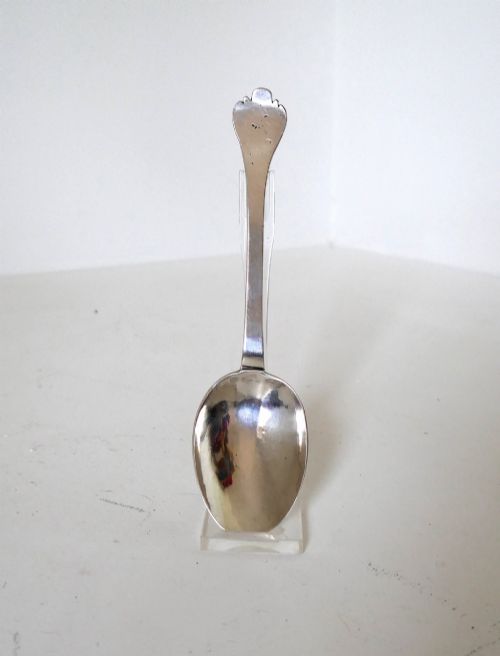
- An early form of flatware featuring a flattened, three-lobed terminal handle. This style dominated late seventeenth-century English silver.
- Dognose
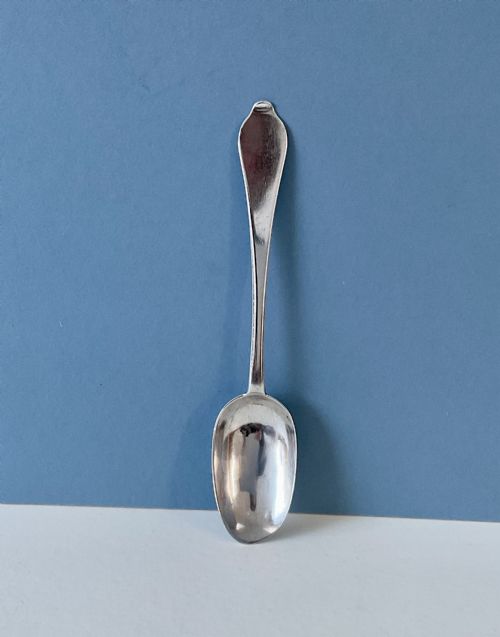
- A spoon with an upturned terminal that evolved from the trefid shape around the turn of the eighteenth century. It is also known as the pied-de-biche or hind's foot.
- Britannia Standard
- A compulsory higher grade of silver purity introduced in England to curb the melting down of coinage. It contains a higher proportion of pure silver than standard sterling.
- Rattail
- A prominent tapering spine extending down the back of the bowl from the handle stem. This feature strengthens the joint on early spoons.
- Slip Top
- A simple early spoon style where the handle stem is cut off cleanly at an oblique angle. It represents a minimalist medieval and seventeenth-century aesthetic.
Period Silver Spoons: Frequently Asked Questions
What is a berry spoon?
Berry spoons are serving pieces, often dating from the Georgian period, that were later decorated with chased and embossed fruit and foliage designs. The ornate bowl embellishments were frequently added during Victorian times to older silver blanks.
These spoons were utilised for serving fruit and desserts at formal dining tables. They remain collected for their decorative craftsmanship and historical pairing with fitted presentation cases.
What does Britannia standard mean?
Britannia standard denotes a British silver purity standard containing a higher percentage of pure silver than traditional sterling. It was legally enforced for all silver flatware and hollowware between specific dates around the turn of the eighteenth century.
Items bearing this standard feature distinct hallmarks, including a figure of Britannia and the lion's head erased. This metal composition provides a softer, brighter appearance on early spoons.
How should I store silver spoons?
Silver spoons are best kept in tarnish-resistant environments such as lined wooden boxes, original fitted cases, or specialised cloth rolls. Limiting exposure to atmospheric sulfur and humidity helps preserve the natural finish of the metal.
If housed in presentation cases featuring velvet or silk, ensure the interior lining remains dry and clean. Regular handling and proper storage negate the need for aggressive cleaning.