





Period Silver Flatware
Period silver flatware brings centuries of metalwork to the table, offering sturdy solid silver spoons and servers that connect your daily meals to early craftsmanship.
Period Silver Flatware
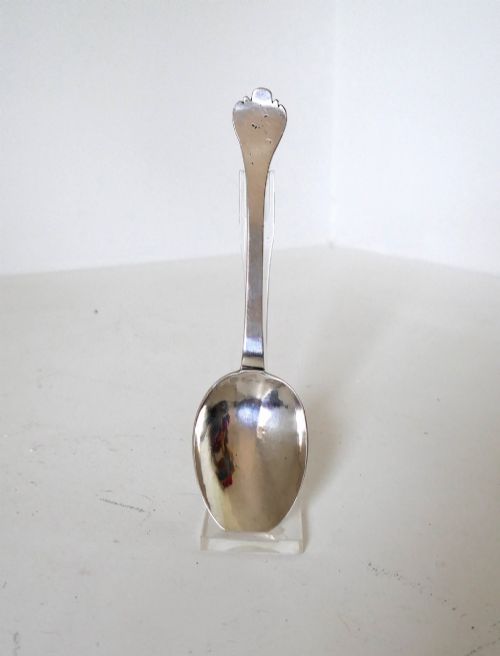
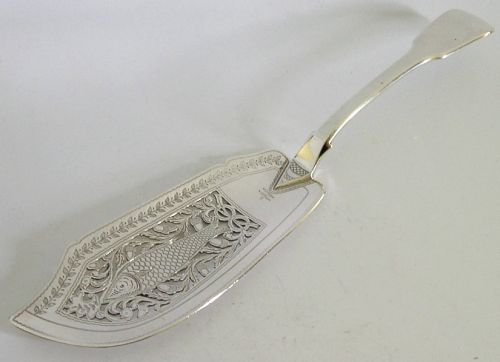
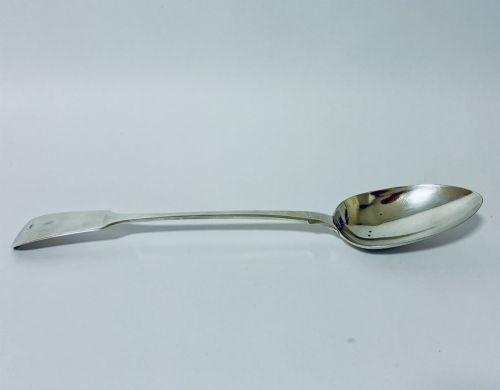
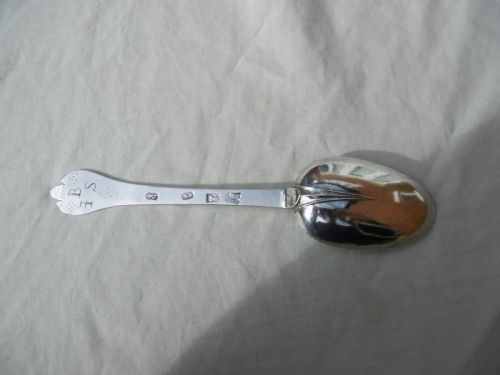
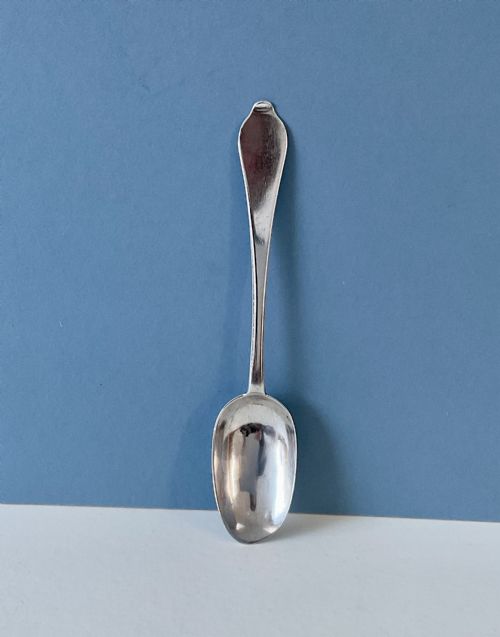
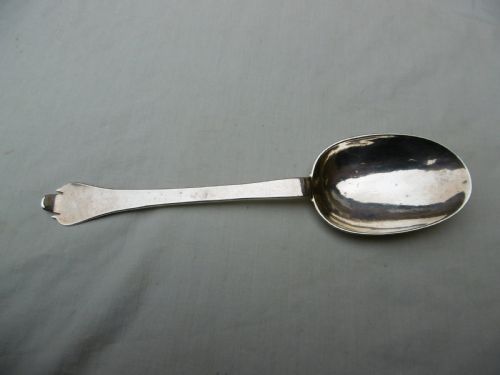
Period silver flatware comprises spoons, forks, ladles, and serving slices fashioned from sterling or Britannia silver across centuries of British history. Buyers searching for period silver flatware encounter forms ranging from late seventeenth-century trefid spoons to nineteenth-century fiddle pattern dessert spoons and soup ladles.
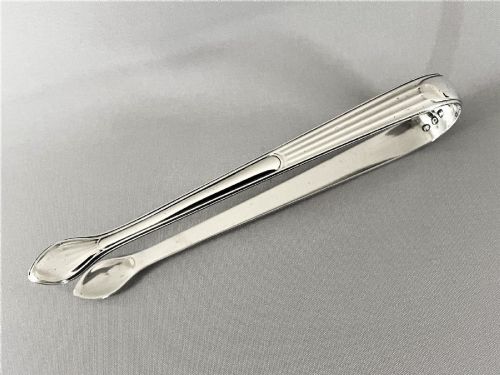
The selection centres heavily on early metalware alongside Georgian and Regency examples, reflecting specific reigns such as William III, Queen Anne, and George IV. Makers shape these items as functional cutlery, fish servers, sugar tongs, and marrow scoops, utilising solid silver standards established by London and provincial assay offices.
How period silver flatware was made
Silversmiths hammered solid silver ingots into sheets before cutting and shaping handles, bowls, and tines by hand. They applied techniques such as rattail reinforcement, lace pattern engraving, and cast terminal creation to produce sturdy functional objects.
Assay offices struck hallmarks directly onto the metal to verify the purity standard, using punches for maker's marks, date letters, and town marks. Britannia silver utilised a higher purity standard during the early eighteenth century, while standard sterling remained the predominant metal for Georgian and Victorian production.
Early diners used narrow silver marrow scoops to extract rich treats from bones, turning eighteenth-century cutlery into specialised tools for luxury meals.
What varies in quality
The clarity and crispness of hallmarks separate superior examples from worn pieces, as deep punch impressions indicate an undisturbed history. Engraved crests and original surface texture reveal whether a utensil retains its initial profile or suffered aggressive polishing.
The thickness of the silver at high-stress points, such as the junction between bowl and stem, determines structural integrity. Skilled silversmiths balanced weight and tactile comfort, ensuring handles remain rigid and bowls maintain their intended depth despite centuries of use.
William Penstone·Isaac Davenport·Benjamin Prosser·Stephen Coleman·Lawrence Coles·John King·George Wintle·John Round
The Period Silver Flatware Glossary
- Trefid spoon
- An early form of flatware featuring a flattened, three-lobed terminal at the end of the handle. This style dominated late seventeenth-century dining before evolving into dognose patterns.
- Dognose tablespoon
- A transitional spoon style with a rounded terminal upturned at the tip, popular around the turn of the eighteenth century. It bridges the design gap between trefid shapes and modern spoon profiles.
- Marrow scoop
- A narrow, double-ended silver utensil designed for extracting marrow from bones during formal dining. One end provides a small trough while the other offers a slender spoon.
- Britannia standard silver
- A higher purity silver alloy containing ninety-five point eight percent pure silver, legally required in Britain from sixteen-ninety-six to seventeen-twenty. Pieces from this era often display Britannia and lion's head erase hallmarks.
- Slip top spoon
- An early solid silver spoon style with a straight handle cut off diagonally at the end without a distinct terminal knob. This minimalist form dates back to Tudor times and reappeared in later revival periods.
Period Silver Flatware: Frequently Asked Questions
How do I clean old silver flatware?
Wash silver flatware gently in warm water with mild soap and dry it immediately with a soft cloth. Avoid harsh chemical dips that strip away patination and age character.
Store pieces in tarnish-resistant flannel rolls or boxes away from rubber and direct sunlight. Regular gentle handling maintains a natural finish without damaging the metal.
Can I use period silver every day?
Solid silver flatware from earlier centuries was built for dining and handles daily use well if treated with care. Hand washing is essential, as modern dishwashers warp handles and pit the metal surfaces.
Using these utensils connects modern meals directly with historical domestic traditions. Proper maintenance ensures spoons and servers remain functional for generations to come.
What is a town mark?
A town mark is a punch stamp applied by an assay office to indicate the geographic location where a silver object was tested and marked. Provincial towns like York utilised distinct town marks alongside standard maker initials.
These marks help historians and collectors trace the regional origins of flatware pieces. Identifying the specific office often narrows down the production date and workshop.