
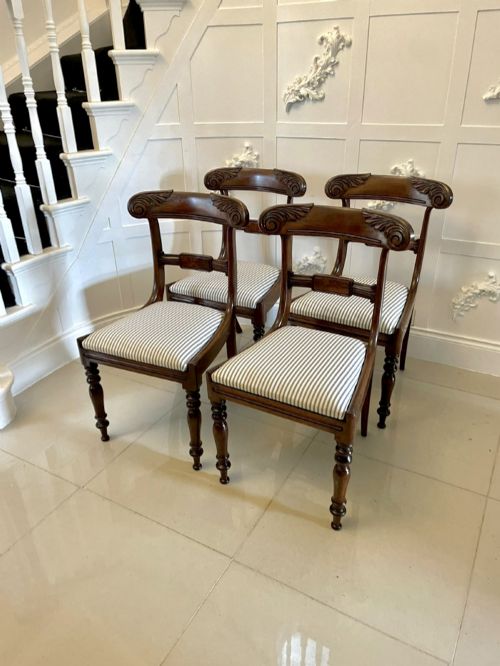
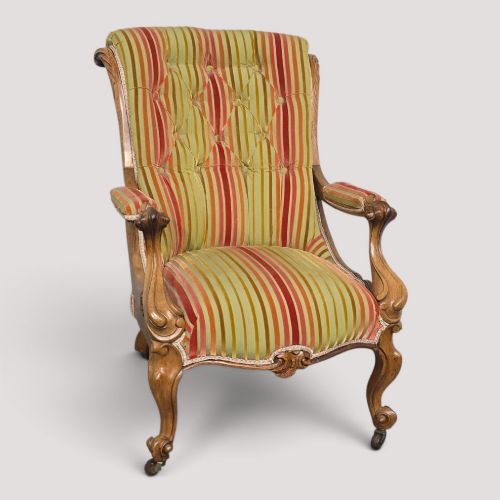
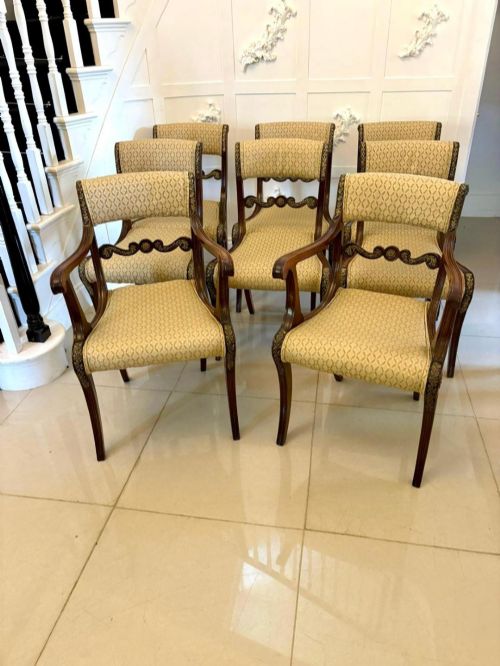


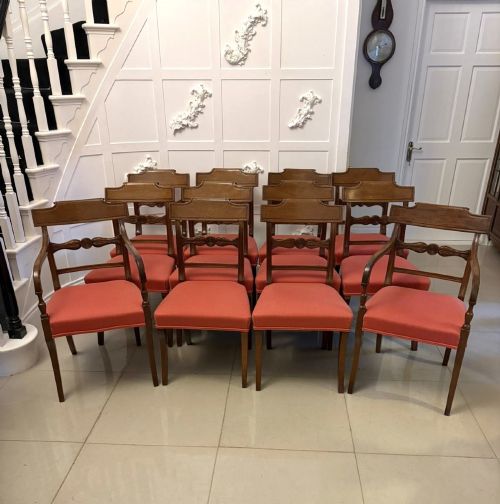
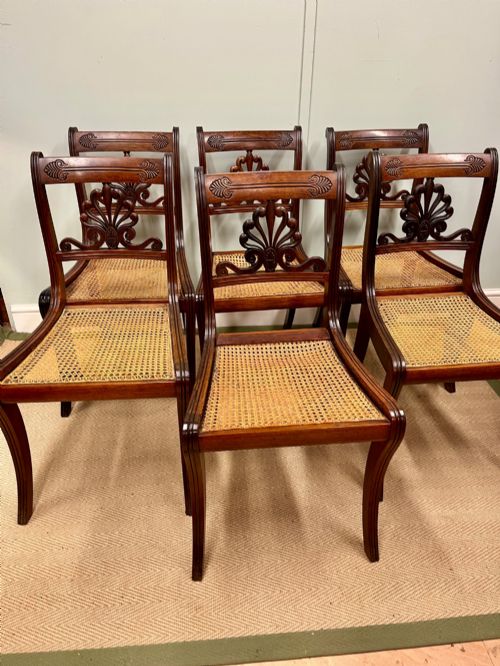
Period Regency Seat
A period regency seat brings classic proportion and understated elegance to a room, offering both practical comfort and enduring design.
Period Regency Seat
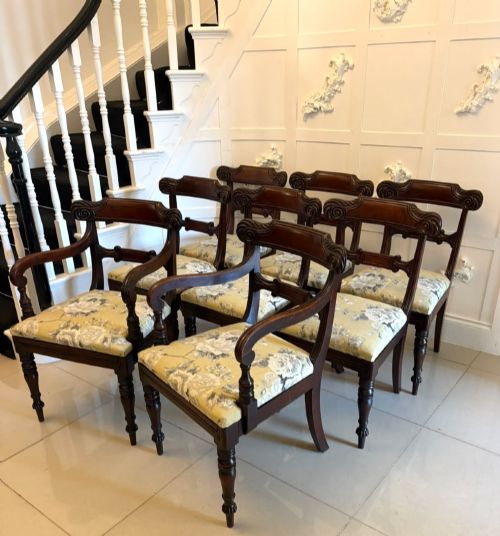
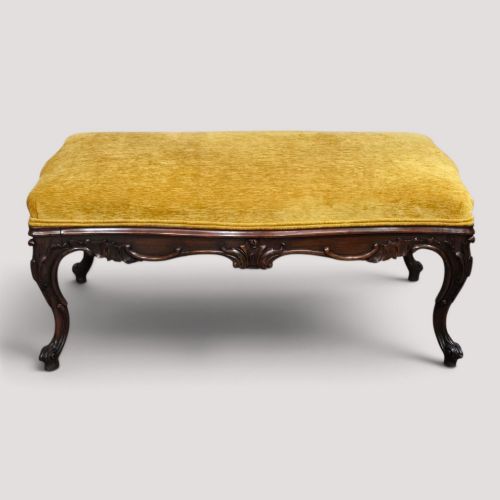
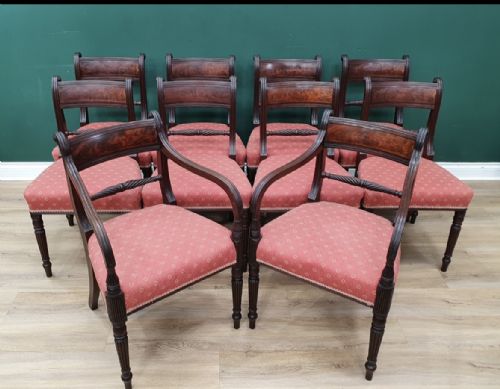
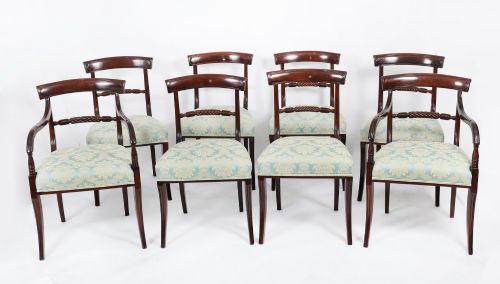
A period regency seat encompasses various forms designed during the early nineteenth century, including dining chairs, armchairs, benches, and window seats. These pieces range from formal mahogany dining sets to library armchairs and iron garden benches.
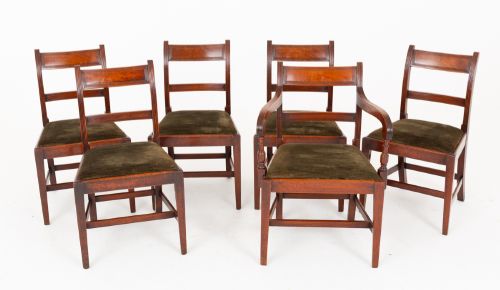
The most common examples encountered on this page are mahogany and rosewood dining chairs, alongside window seats and hall benches featuring architectural lines. Many pieces date from the regency era or reflect later revivals utilising similar forms.
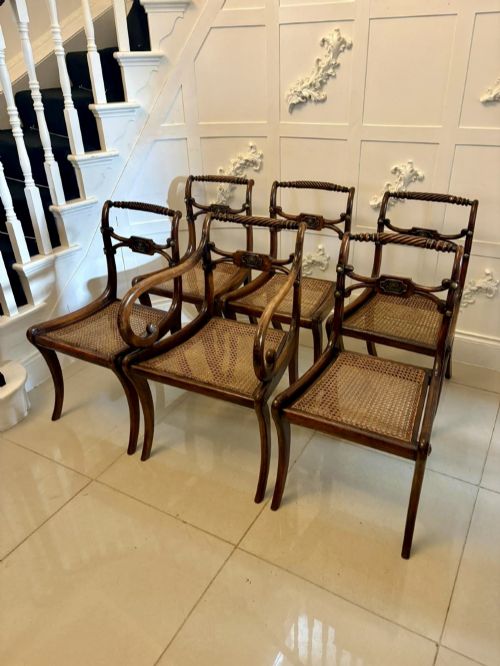
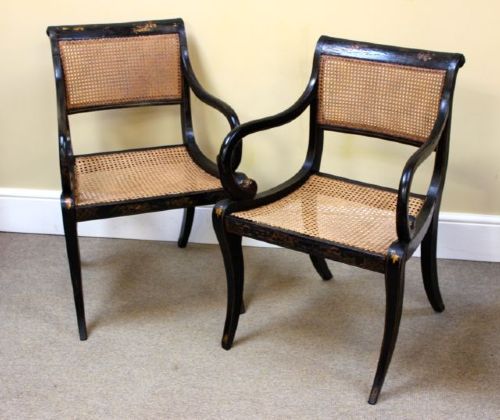
Makers and designers of the period drew inspiration from classical antiquity, resulting in sabre legs, brass inlay, and cane seating. Dining chairs often appear in large sets, while window seats provide elongated seating suited to alcoves and hallways.
What varies in quality
Quality in a period regency seat rests upon the crispness of carved details, the selection of timber grain, and the integrity of the original frame construction. Superior pieces maintain harmonious proportions and retain original surfaces rather than heavy modern restoration.
The distinction between standard examples and exhibition pieces often lies in the subtlety of brass inlay, carved reeding, and the completeness of matching sets. Greater sophistication in turning and joinery elevates a piece from a utilitarian chair to a work of refined cabinet making.
Some garden benches feature wrought iron strapwork designed to look like leafy vines, proving that even ironwork wanted to grow.
The Period Regency Seat Glossary
- Sabre leg
- A curved, tapered chair leg that sweeps outward in a manner reminiscent of a cavalry sword. This form provides both stability and a lighter visual profile.
- Bar back
- A horizontal top rail spanning the uprights of a chair back, often shaped or curved to fit the spine. It is a common feature on dining chairs from the early nineteenth century.
- Carver
- An armchair designed to match a set of single dining chairs, typically placed at the head of a table. These often feature scrolled arms and wider proportions.
- Window seat
- An elongated bench or stool designed to fit within a window recess or hallway. Examples often incorporate scroll ends or armrests at one or both sides.
- Bergere
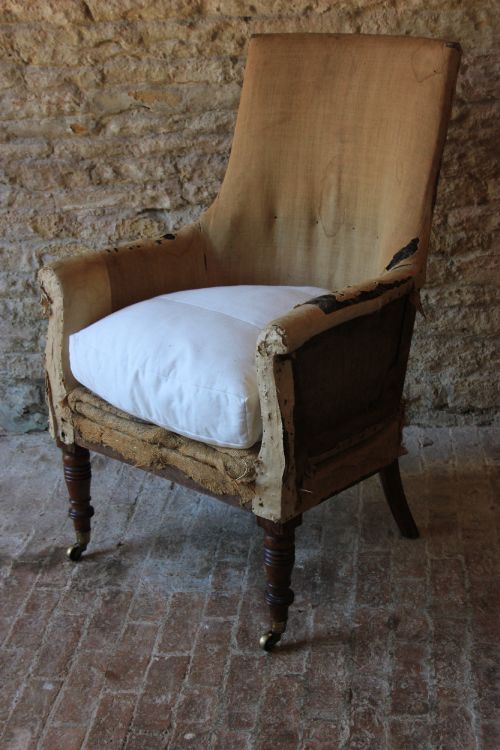
- An enclosed upholstered armchair with exposed wooden framing and cane sides or back panels. This style offers a lighter appearance than fully upholstered armchairs.
- Trafalgar
- A stylistic grouping associated with naval victories, often featuring ebonised finishes, gilt highlights, and sabre legs. Pieces in this manner display strong classical influences.
Period Regency Seat: Frequently Asked Questions
How do I identify a genuine regency chair?
Genuine pieces display construction methods appropriate to the early nineteenth century, such as hand-cut dovetails and period timber shrinkage. Look for characteristic stylistic elements like sabre legs, brass inlay, and reeded frames.
Compare the timber colour and patina with documented examples from the same decade. Archival records and historical joinery details help confirm the era of manufacture.
Can I use antique dining chairs daily?
Most sturdy mahogany and rosewood dining chairs are built to withstand regular use if treated with care. Period joints remain resilient when kept in stable indoor environments.
Avoid exposing antique timber and cane seating to excessive moisture or direct heat sources. Periodic checks by a specialist ensure the frames stay secure.
What is the difference between a carver and a side chair?
A carver is an armchair designed with supportive armrests, traditionally placed at the ends of a dining table. Side chairs are narrower, armless versions intended to line the sides of the table.
Sets of dining chairs often combine a majority of side chairs with a pair of matching carvers. Both share the same decorative style and timber framework.
Where should I place a window seat?
Window seats fit naturally beneath bay windows, along long corridors, or at the foot of a bed. Their low profile avoids blocking natural light while providing convenient occasional seating.
These versatile benches also work well in entrance halls for putting on shoes. Their decorative ends and timber frames add architectural interest to empty wall spaces.