









Period Porcelain Display
Period porcelain display items bring vibrant colour and hand-painted artistry into a room, spanning Japanese Imari plates, Chinese chargers and European cabinet cups.
Period Porcelain Display
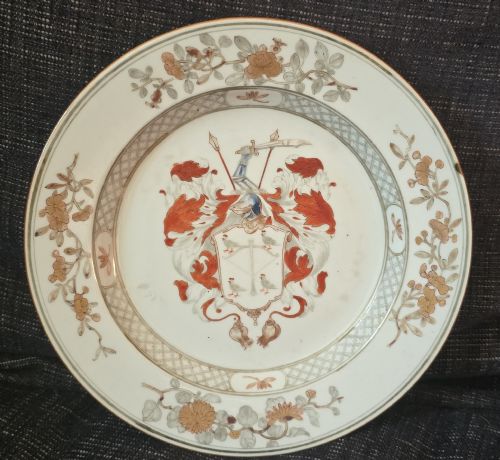
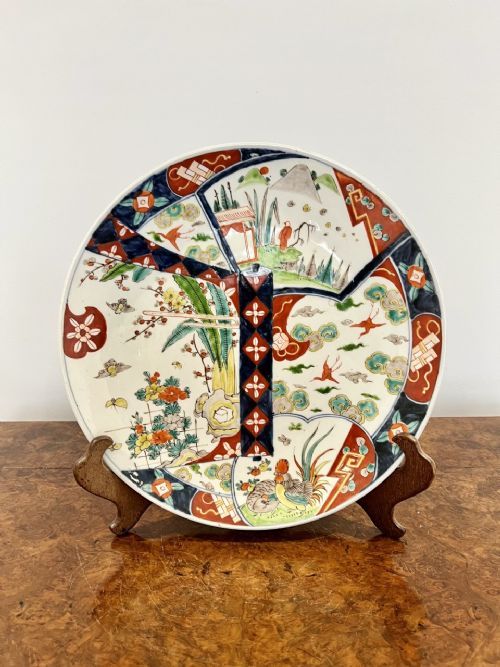
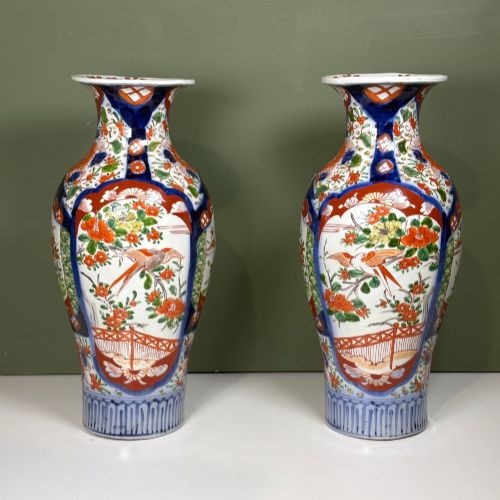
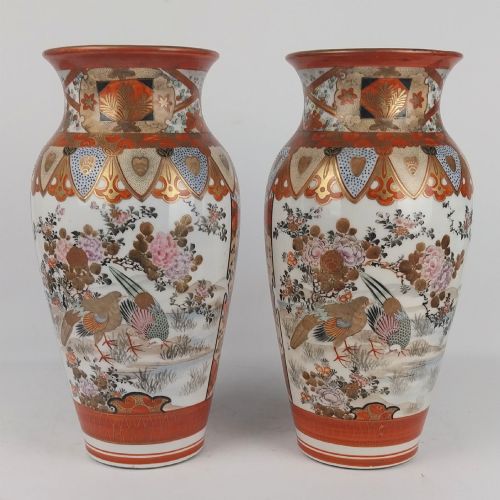
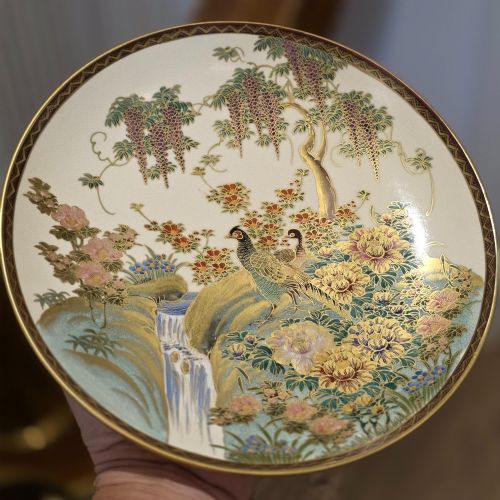
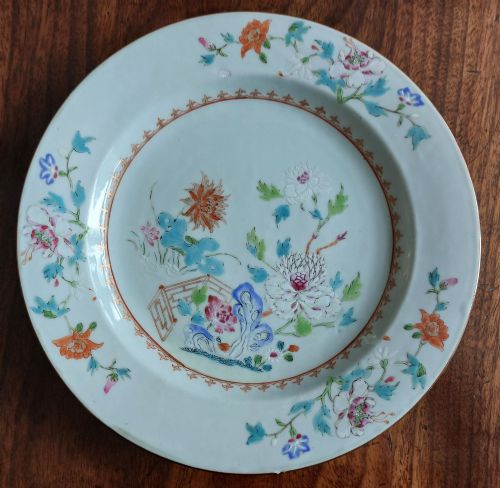
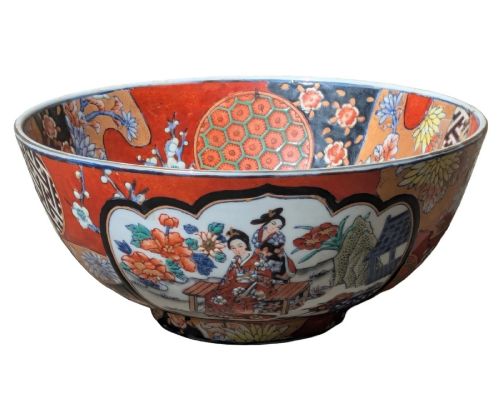
When you search for a period porcelain display, you encounter a variety of decorative plates, bowls, chargers and vases originating from Asian and European kilns. The selection draws heavily on Japanese Imari wares from the Meiji period and the turn of the twentieth century, alongside earlier Chinese export pieces and nineteenth-century European factories.
The objects take many forms, from large chargers and hexagonal dishes to cabinet cups and tall vases. Makers designed these pieces primarily for visual impact and interior ornamentation rather than daily dining service, utilising distinct regional palettes and motifs.
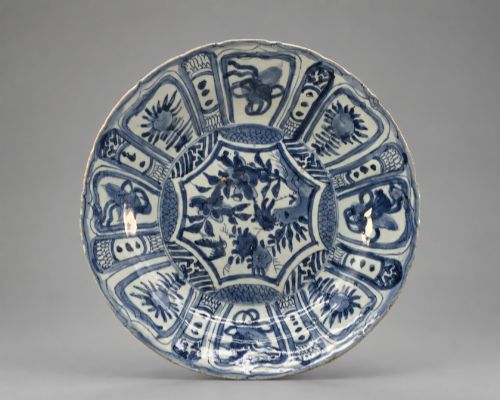
Examples range from sixteenth-century Kraak porcelain and eighteenth-century Chinese pieces to Victorian Minton plates and French Empire cups. Japanese Imari wares dominate the selection, offering rich cobalt blues and iron reds shaped into scalloped, square or leaf-shaped vessels.
Materials and methods
Artisans formed these vessels using porcelain, earthenware and glaze, frequently incorporating gold leaf, gilding and enamel to highlight surface details. Kiln workers fired the clay bodies at high temperatures before applying underglaze blue and overglaze enamel decorations.
European factories such as Minton, Spode and Berlin utilised refined porcelain pastes paired with intricate hand-painting and gilt highlights, often following Aesthetic movement or classical Empire styles. Japanese workshops employed skilled brushwork for complex Imari and Satsuma patterns, sometimes adding raised enamel and intricate gilding by hand.
Period Porcelain Display Retail Price Guide 2026
Typical asking prices for period porcelain display among the pieces listed under this phrase on Sellingantiques today, from the lower quarter to the upper quarter. They describe what is for sale here now, not the wider market.
Materials recorded across the inventory include earthenware, wood, enamel, gold leaf and traditional glaze alongside standard porcelain bodies.
Evaluating quality
Quality rests in the crispness of the hand-painted brushwork, the depth of the glaze and the precision of the gilding. Superior pieces display finely controlled underglaze blue tones alongside well-adhered overglaze enamels and crisp, unblemished porcelain bodies.
The complexity of the form and the skill required to shape scalloped edges, hexagonal profiles or pierced rims also distinguish finer examples. Maker signatures, when present, indicate workshop pedigree and contribute to the distinction between standard production and exceptional studio output.
Koshida·W.S. Coleman·Kozan
The Period Porcelain Display Glossary
- Imari
- A style of Japanese porcelain featuring a palette of underglaze blue, iron red and supplementary colours like gold. Artisans produced these wares extensively during the Edo and Meiji periods for export.
- Kraak porcelain
- A type of Chinese export porcelain produced mainly during the Ming dynasty, characterised by panelled borders and central motifs painted in blue and white.
- Charger
- A large decorative plate intended for display on a wall, sideboard or cabinet rather than for serving food at the table.
- Cabinet cup
- A small cup and saucer made primarily for display in a collector cabinet rather than for practical consumption of tea or coffee.
- Satsuma
- A type of Japanese earthenware featuring a crackled ivory glaze decorated with polychrome enamels and gilding.
- Aesthetic movement
- A nineteenth-century artistic style that emphasised visual beauty over narrative, often drawing inspiration from Japanese design motifs.
Period Porcelain Display: Frequently Asked Questions
What is a period porcelain display?
A period porcelain display refers to decorative ceramic items such as plates, bowls, chargers and vases created for visual exhibition in domestic interiors. These objects showcase traditional glazing, hand-painting and gilding techniques from various global ceramic traditions.
Collectors gather these pieces to add historical depth and decorative colour to walls, cabinets and mantelpieces. The category spans centuries of international ceramic artistry.
How were these decorative pieces used?
Historical households used these large chargers, plates and vases strictly for ornament rather than everyday service. Owners placed them on sideboards, mounted them on walls or showcased them within dedicated display cabinets.
This intended decorative purpose explains why many surviving examples retain pristine painted surfaces with little evidence of wear from food use.
How do I care for display porcelain?
Display porcelain requires gentle handling and placement away from direct sunlight to preserve the stability of overglaze enamels and gold leaf. Dusting with a soft, dry cloth is usually sufficient for routine maintenance.
Avoid using liquid cleaners or abrasive materials, particularly on pieces with exposed gilt surfaces or delicate painted details.