


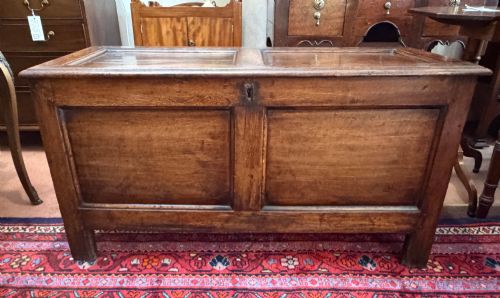
Period Oak Panelled Chest
A period oak panelled chest brings tactile history into a room, offering robust storage built from sturdy native timber.
Period Oak Panelled Chest
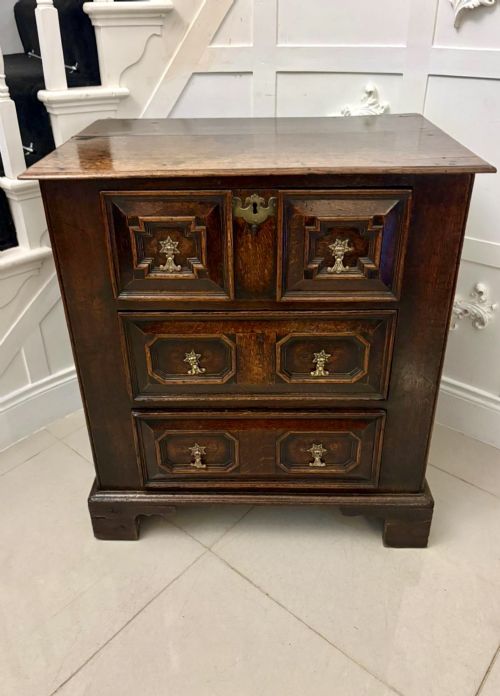
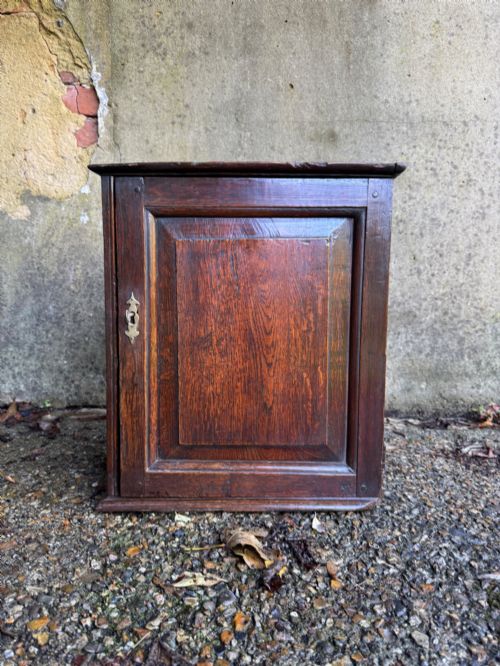
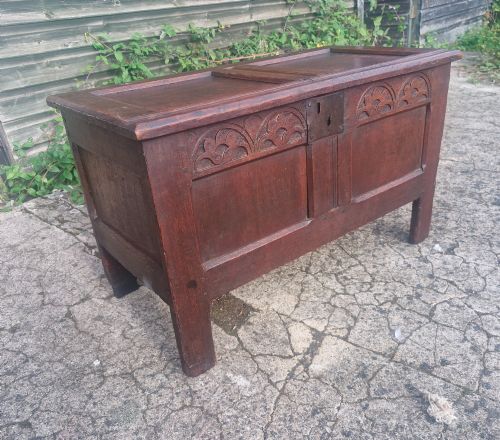
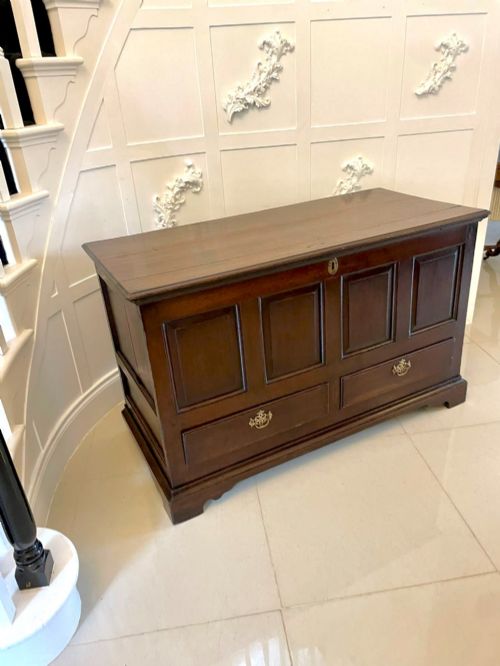
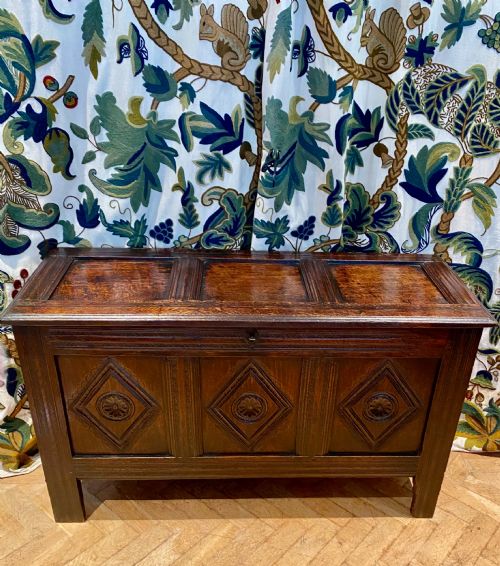
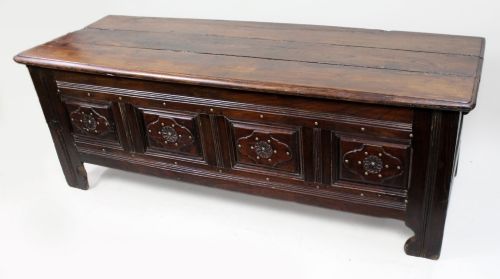
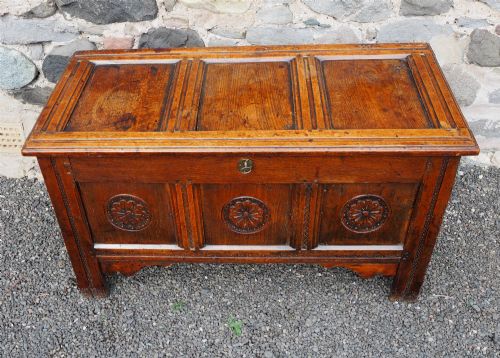
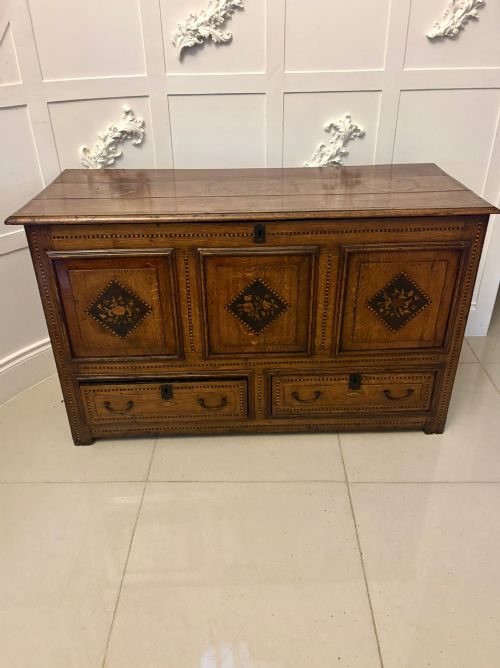
A period oak panelled chest represents the traditional storage furniture of earlier centuries, functioning as a coffer, trunk, or early chest of drawers. These pieces date predominantly from the sixteenth, seventeenth, and eighteenth centuries, reflecting vernacular domestic carpentry.
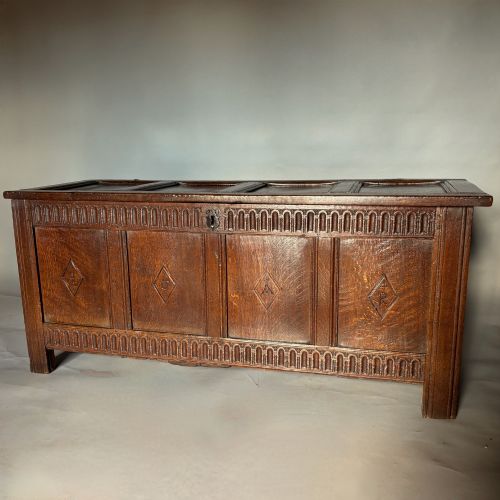
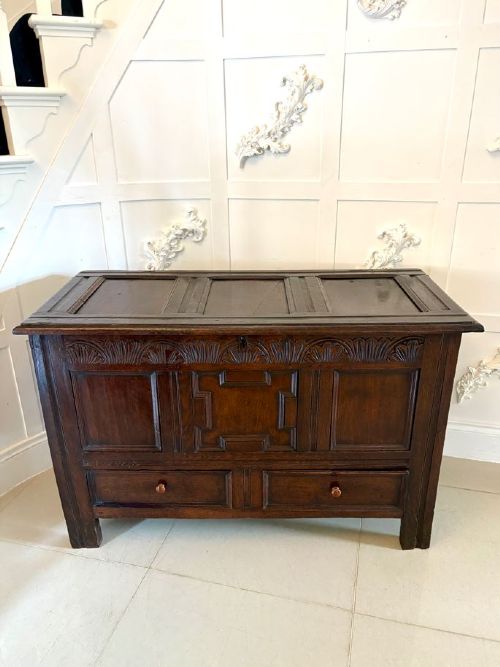
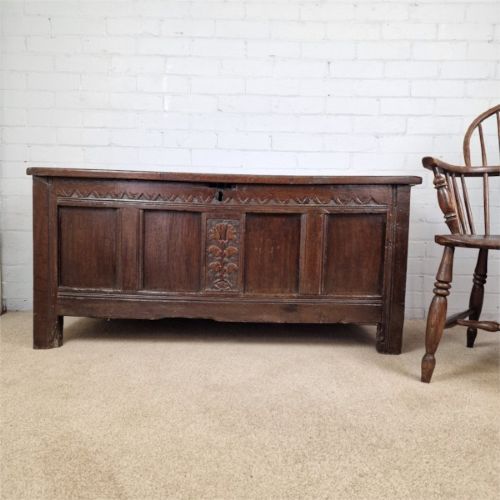
The version most commonly encountered in these listings is the seventeenth century oak coffer. Such pieces frequently display panelled construction, sometimes augmented by carved details or regional variations like Welsh Gower Peninsula designs.
How they were made
Makers utilised solid oak boards, framing them into panels to accommodate the natural expansion and contraction of the timber. Iron and brass fittings such as hinges and locks reinforced the heavy wooden structures.
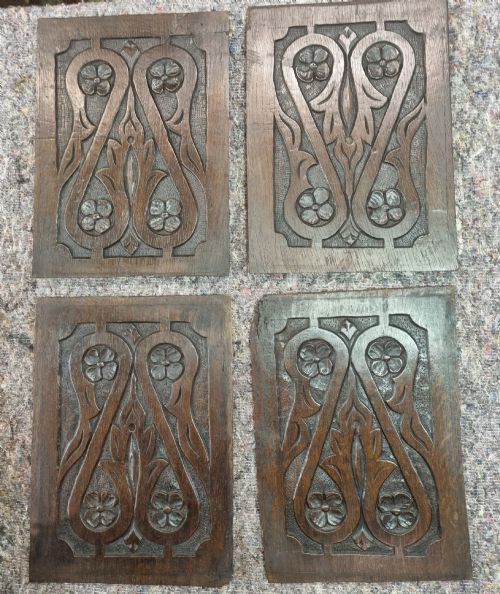
Decorative enhancements relied on woodworking techniques rather than applied finishes. Carpenters employed carving, marquetry inlay, wood inlay, walnut accents, and fruitwood details to adorn the surfaces.
Listings feature periods spanning from the sixteenth century Elizabethan era through to the eighteenth century Georgian period.
What varies in quality
The standard of carving and the sophistication of geometric mouldings set superior examples apart from utilitarian boxes. Depth of relief and crispness in seventeenth century panels indicate the skill of the original carpenter.
Condition of the timber and the depth of surface patina dictate desirability among collectors. Original board thickness and minimal timber replacement preserve the historical integrity of the piece.
The Period Oak Panelled Chest Glossary
- Coffer
- A large wooden chest traditionally used for storing valuables, linens, or documents. These form the primary category of early storage furniture.
- Panelling
- A construction method where framed stiles and rails hold a thinner central board in place. This technique accommodates seasonal wood movement without splitting.
- Patina
- The surface sheen and colour developed by aged wood through handling, waxing, and exposure to light over centuries. A desirable surface shows deep, warm tones.
- Marquetry
- Decorative inlay work using various coloured woods to create geometric or pictorial patterns. This technique appears on select seventeenth century examples.
- Stile
- The vertical upright member in a panelled wooden frame. Stiles provide the structural backbone for the front elevation of the chest.
Period Oak Panelled Chest: Frequently Asked Questions
What were oak chests used for originally?
These robust containers served primarily for storing household valuables, garments, and valuable documents securely in domestic settings. Their flat lids also allowed them to function as tables or benches.
In many households, they held the family linen and woollen blankets protected from dampness and pests. Over time, their role evolved as specialised furniture like chests of drawers gained popularity.
How do I date an antique oak coffer?
Dating relies on examining construction methods, tool marks, and stylistic motifs carved into the wood. Sixteenth and seventeenth century pieces often feature pegged mortise and tenon joints alongside hand-riven oak boards.
Changes in hardware, such as iron strap hinges or early lock plates, provide further clues to the period of manufacture. Regional characteristics also help narrow down the decade of creation.
Where should I place a panelled chest at home?
A panelled chest suits entrance halls, living rooms, or bedrooms as both a functional storage container and a visual anchor. Keeping the piece away from direct heat sources prevents the historic oak from drying out and splitting.
Their sturdy lids make them suitable for use as window seats when topped with a loose cushion. Smaller proportions fit well in restricted spaces while retaining historical character.
How do I care for antique oak furniture?
Maintaining antique oak involves applying traditional beeswax periodically to nourish the dry wood and preserve the surface sheen. Avoid modern silicone polishes that can damage the historical patina.
Stable room humidity levels prevent the timber from expanding or contracting excessively. Gentle dusting with a dry cloth keeps the carved details clear of debris.