
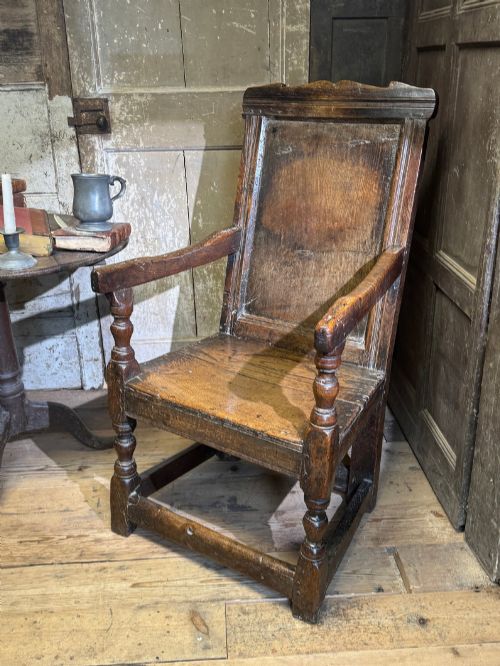


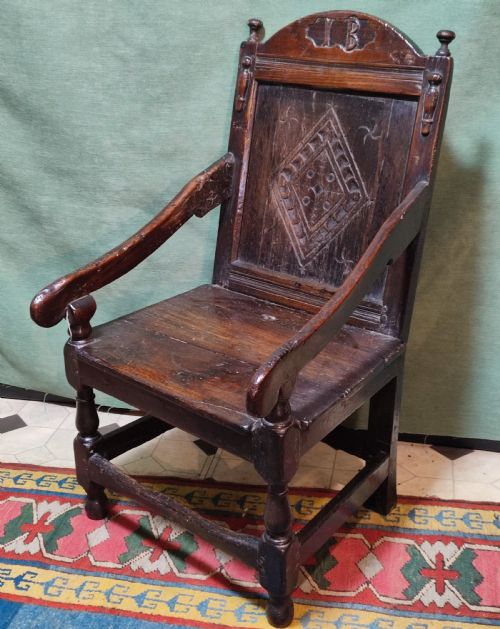
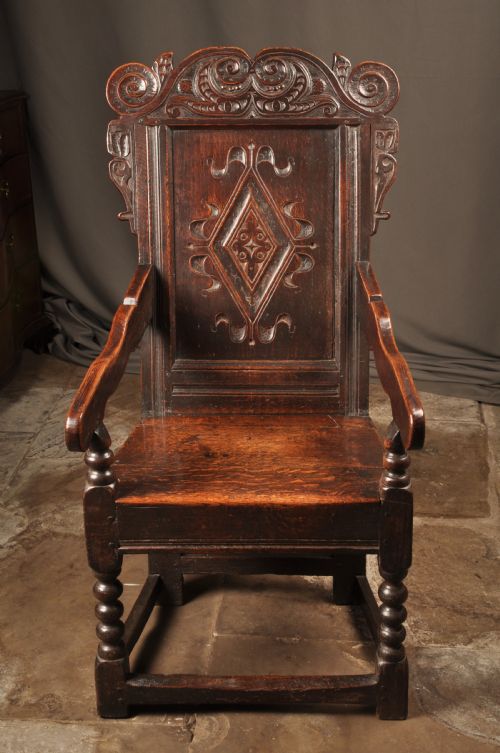

Period Oak Panel Armchair
A period oak panel armchair brings solid timber construction and regional vernacular design directly into a room.
Period Oak Panel Armchair
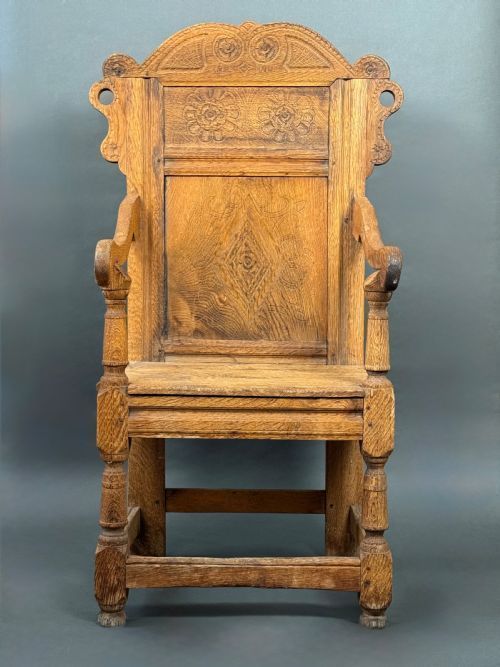
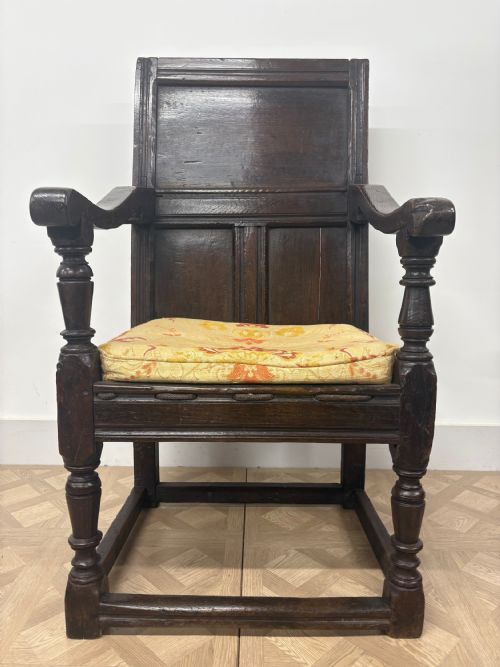
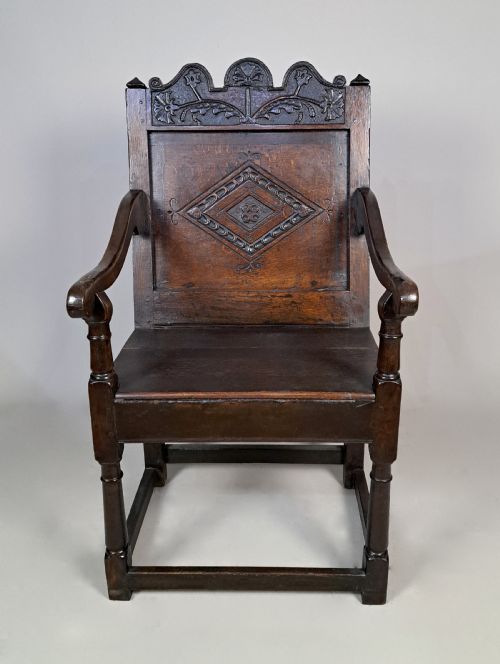
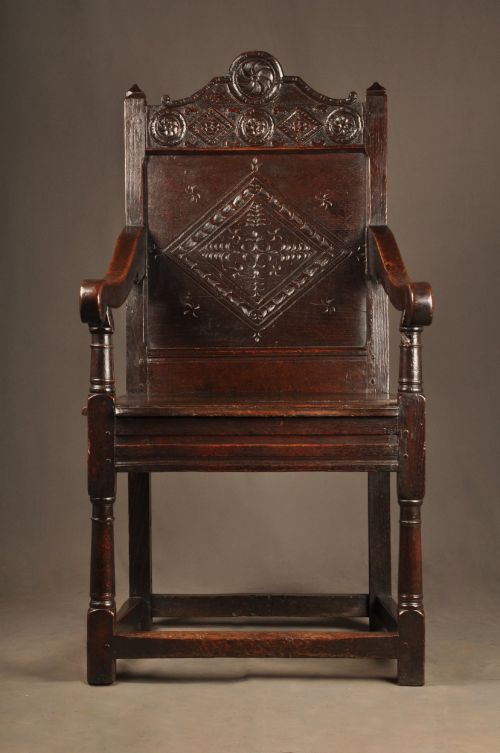
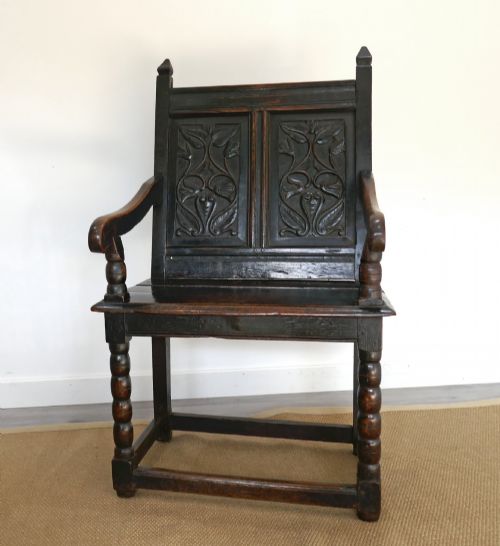
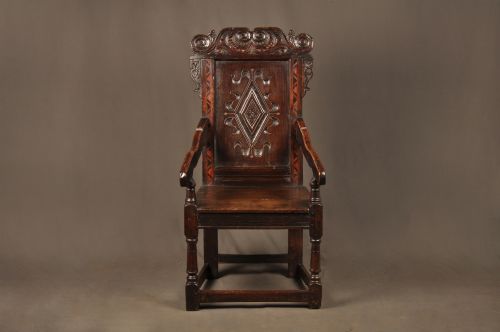
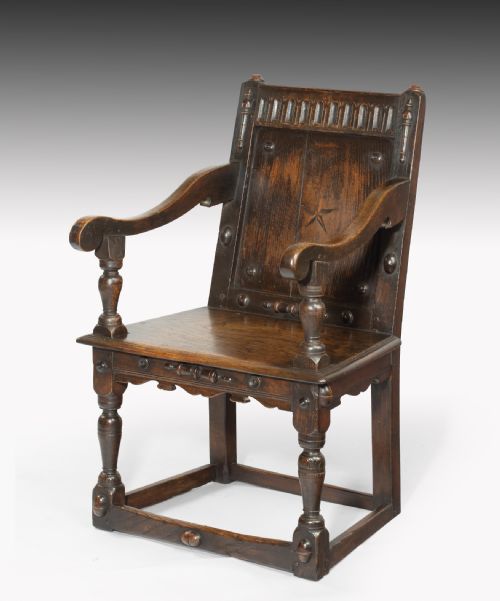
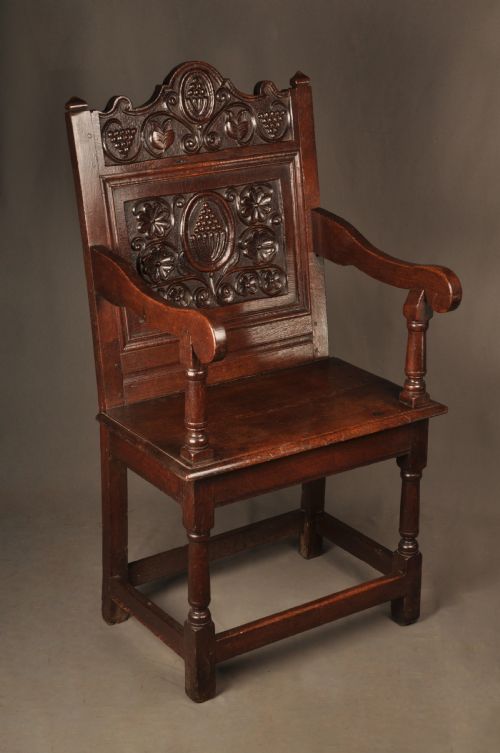
A period oak panel armchair is fundamentally a wainscot chair, constructed from solid timber with panelled backs and substantial wooden arms. These pieces primarily date from the seventeenth century and the eighteenth century, carrying regional variations from Yorkshire, Lancashire, Cheshire, and Wales. Buyers encounter standard adult seats alongside smaller proportions described as ladies, childs, or master armchairs.
The form developed from wooden panelling techniques used in domestic interiors, providing a sturdy seat before upholstered furniture became common. Regional styles include North Country pieces, Welsh country examples, and English country variants that display distinct local joinery habits. Dating ranges from the Jacobean era through the Stuart period and into later eighteenth century iterations.
Distinctions in standard
The level of carved detail and the crispness of the joinery set examples apart, separating utilitarian seating from ambitious regional showpieces. Proportion and scale influence desirability, particularly in smaller child or master formats that require careful carpentry.
The survival of original surface colour and untouched timber patination dictates the visual impact of each chair. Unaltered construction without extensive timber replacement distinguishes the most intact survivals from heavily restored pieces.
Listings span seventeenth-century origins through Victorian revivals, utilising solid oak, yew, and velvet.
The Period Oak Panel Armchair Glossary
- Wainscot chair
- A heavy wooden armchair constructed with panelled backs, popular during the seventeenth century. The term originally described oak panelling used on walls before transferring to seating built in the same manner.
- Great chair
- An alternative historical term for a substantial armchair reserved for the head of a household or an important guest. These items typically command a larger scale than standard dining seats.
- Joint stool
- A sturdy wooden stool built using mortise and tenon construction, sharing the joinery techniques found in panel armchairs. They represent the precursor or companion seating in early domestic interiors.
- Bobbin turning
- A type of decorative furniture turning that resembles a series of wooden bobbins or reels strung together. This technique appears on the legs and stretchers of specific seventeenth and eighteenth century seats.
- Patination
- The glossy, warm surface sheen developed on wooden furniture over centuries through handling, light exposure, and polishing. It serves as a key indicator of age and genuine historic use.
Period Oak Panel Armchair: Frequently Asked Questions
How do I date a panel armchair?
Dating relies on comparing the joinery methods, carving styles, and regional characteristics against documented examples from the seventeenth and eighteenth centuries. Structural evolution shifted from heavy panel construction toward lighter proportions in later decades.
Changes in moulding profiles and the presence of specific decorative motifs like arcading or strapwork help narrow down the manufacturing window.
Where were these armchairs placed?
These seats traditionally occupied positions of authority near the hearth or at the head of the dining table in great halls and farmhouses. Their heavy construction kept them stationary rather than moving freely about a room.
Smaller variants designed for children or private chambers provided similar sturdy seating options within domestic spaces.
How do I care for historic oak?
Maintaining solid oak furniture involves applying microcrystalline wax sparingly to nourish the timber and protect the surface from moisture. Keeping pieces away from direct heat sources and dramatic humidity fluctuations prevents timber splitting.
Gentle dusting with a soft, dry cloth preserves the historic patination accumulated over centuries of use.
What defines regional oak chairs?
Regional pieces display distinct carpentry traits specific to areas like Yorkshire, Lancashire, Cheshire, or Wales. Local workshops utilised preferred carving patterns and structural proportions that distinguish northern items from Welsh country examples.
These local variations reflect the distinct traditions passed down through regional joinery guilds and domestic makers.