


Period Iron Fireplace Basket
Period iron fireplace basket designs offer solid hearth functionality and classical form, grounding a room with enduring metalwork.
Period Iron Fireplace Basket
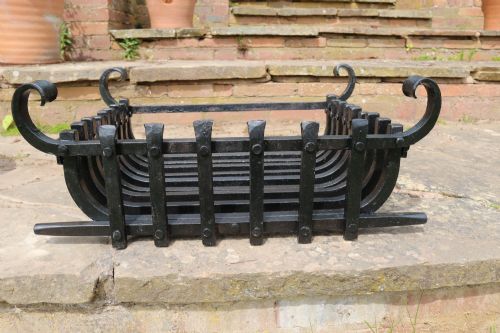
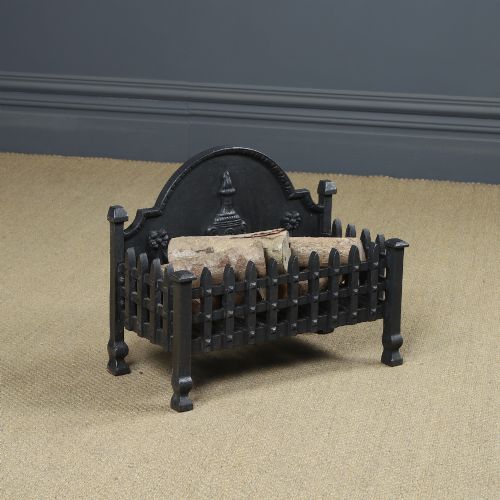
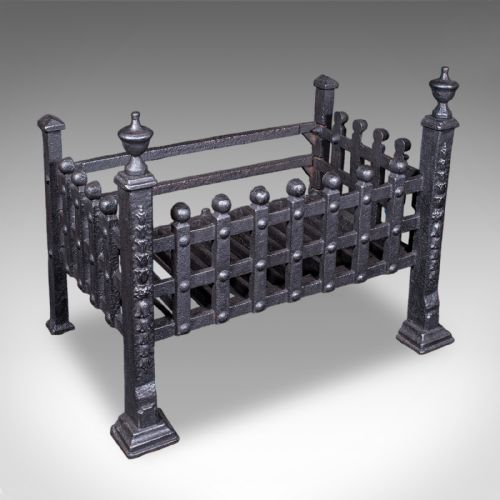
A period iron fireplace basket serves as the functional hearth centrepiece for burning solid fuels, combining a grate for coal or wood with structural sides and often a supporting back plate. When you search for period iron fireplace basket, you encounter robust fire grates, fire baskets, and hob grates originating from Georgian, Regency, and Victorian eras.
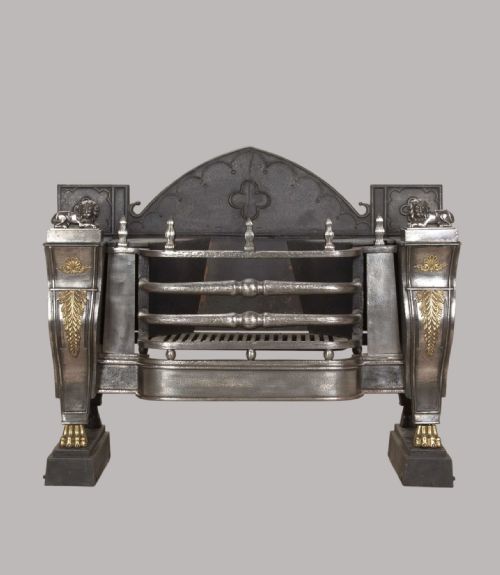
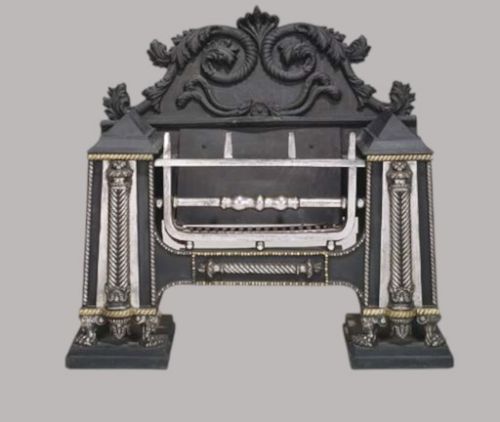
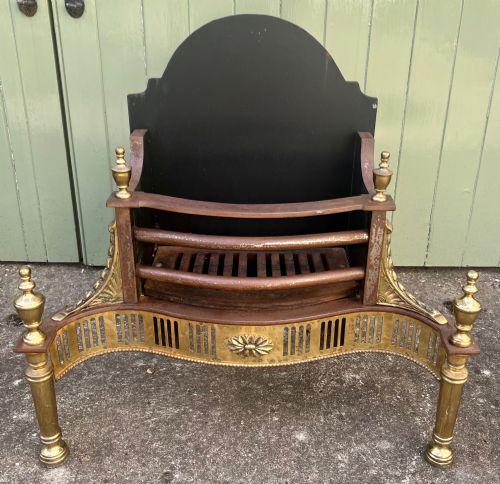
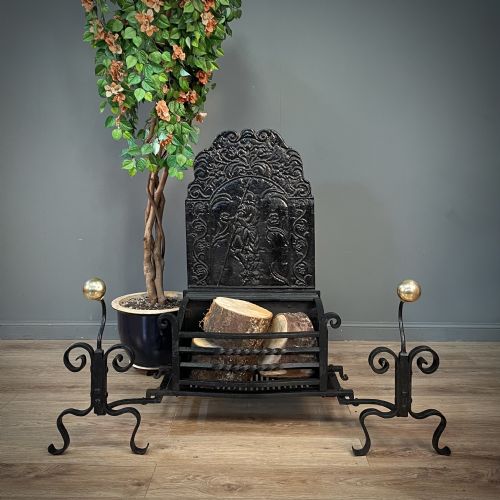
The most common examples on this page are substantial cast iron and wrought iron pieces from the nineteenth century, frequently incorporating brass details or integrated firebacks. These hearth fixtures range from free-standing grates to comprehensive sets that include andirons and fenders.
Stylistic influences span from Adam style and neoclassical revival to Arts and Crafts and Tudor revival, reflecting the architectural tastes of each decade. Buyers select these baskets to restore operational authenticity to period chimneys or to anchor a decorative interior scheme.
Materials and construction
Construction relies heavily on cast iron for structural grates and backs, paired with wrought iron for baskets and bars, and occasionally finished with brass decorative mountings. Firebrick linings also feature internally to protect the metal and retain heat during use.
Foundries shaped the heavy components through traditional casting and forging techniques, assembling complex grates with bolted or riveted joints capable of withstanding intense hearth temperatures.
Several sets include mulling andirons, reminding us of a time when the fireplace doubled as a tavern-style drink warmer.
Assessing quality and proportion
Quality separates in the crispness of the metal casting, the thickness of the iron, and the sophistication of decorative elements such as neoclassical brass appliqués or hand-forged scrollwork. Finer examples maintain structural integrity across heavy firebacks and integrated grates without warping or crude repairs.
Proportion and decorative harmony also dictate value, with superior pieces displaying balanced classical lines from periods like the Georgian and Regency eras rather than purely utilitarian assembly.
The Period Iron Fireplace Basket Glossary
- Hob grate
- A type of fireplace grate featuring raised side plates, or hobs, historically used for warming kettles or food.
- Fire back
- A heavy iron plate placed at the back of a fireplace to protect the masonry and reflect heat back into the room.
- Andirons
- Supporting metal fire dogs placed on either side of a hearth to hold logs above the floor of the fireplace.
- Fender
- A low metal guard placed in front of a fireplace to contain stray embers and ash.
- Register grate
- A fireplace grate equipped with a movable plate or damper to control the draught up the chimney.
Period Iron Fireplace Basket: Frequently Asked Questions
Can I still burn wood in these baskets?
Many of these iron baskets were originally designed for coal rather than large logs, so checking the depth and spacing of the bottom bars is essential before lighting an open fire.
Using correctly sized fuel prevents excessive strain on the historical ironwork and ensures safe containment within your hearth.
How do I know which period my grate is from?
Stylistic markers offer the clearest guide, as Georgian and Regency pieces often display neoclassical brass urns and slender classical lines, while Victorian and Arts and Crafts examples favour heavier cast iron or hand-forged wrought iron textures.
Examining the manufacturing techniques and assembly methods will also help align the piece with its respective century.
Do these grates fit standard modern fireplaces?
Period grates vary significantly in width, depth, and height, meaning careful measurement of your hearth opening is required prior to acquisition.
Free-standing basket designs offer more flexibility than fixed register grates, which were built to exact architectural dimensions of their original rooms.
How do I clean cast iron fireplace parts?
Routine maintenance involves removing ash with a soft brush and applying a specialised grate polish or black lead to protect the cast iron surface from rust.
Avoiding harsh chemical cleaners preserves the historic patina developed over decades of hearth use.